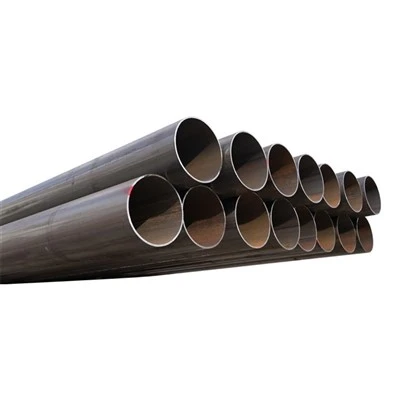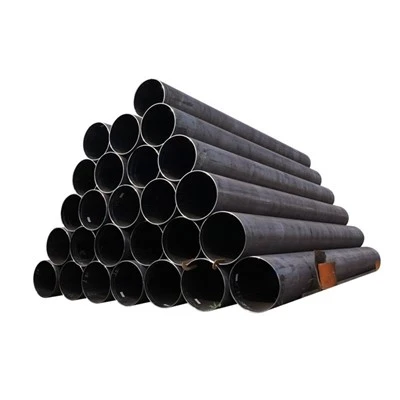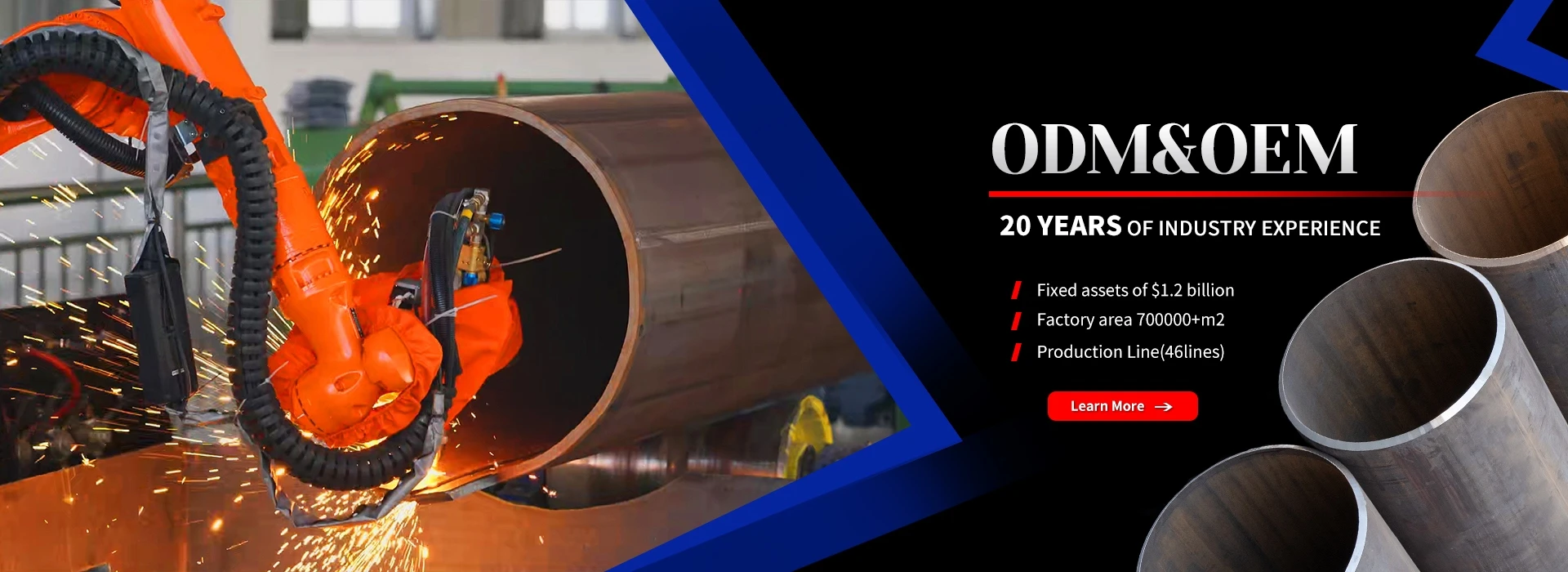

Why do many international buyers prefer to source steel pipe directly from the factory? For engineering projects, direct purchasing can provide clearer communication, better production visibility, and more direct control over quality and delivery. Instead of relying on several intermediaries, buyers can communicate with the actual manufacturer about steel pipe specifications, production schedules, inspection requirements, documentation, and shipment arrangements. The video below shows Huayang Steel Pipe's real factory environment, production lines, quality inspection, traceability system, and order support process.
What Are the Benefits of Buying Steel Pipe Directly From a Factory?
Buying directly from a steel pipe manufacturer means that the production source and the supplier are the same. This can make communication more straightforward because technical requirements, production arrangements, quality inspection, and delivery schedules can be discussed directly with the manufacturing team.
Why Does a Direct Manufacturing Source Matter?
When a project involves specific steel grades, large quantities, tight delivery schedules, or customized specifications, buyers need accurate information about what a supplier can actually produce. A direct manufacturer can provide information based on its own equipment, production lines, raw materials, inspection procedures, and current production arrangements.
Clearer Communication From Production to Delivery
With a direct supply model, technical information does not need to pass through multiple commercial channels before reaching the factory. Buyers can communicate requirements such as outside diameter, wall thickness, steel grade, standard, pipe length, end preparation, inspection, coating, and packing more directly.
This can help reduce misunderstandings and make it easier to identify technical issues before production begins.
How Does Direct Purchasing Improve Supply Visibility?
A direct steel pipe manufacturer can provide more practical information about production status because the order is handled at the manufacturing source. Buyers can discuss whether the required specification is within the factory's production range, when production can be scheduled, and what inspection or processing steps are required before shipment.
Independent Production Supports Supply Stability
For large engineering orders, supply stability is particularly important. Huayang Steel Pipe operates multiple HFW and LSAW production lines and manufactures steel pipes for different diameter and application requirements. HFW steel pipe production covers Φ48–Φ660.4 mm, while LSAW steel pipe production covers Φ406.4–Φ2800 mm.


How Does a Direct Steel Pipe Manufacturer Control Product Quality?
Direct sourcing does not automatically guarantee quality. The important advantage is that buyers can work directly with the organization responsible for manufacturing and quality control. A reliable factory should have defined inspection procedures, traceability systems, and documentation covering the order from production through shipment.
Why Is NDT Important Before Steel Pipe Delivery?
Nondestructive testing is an important part of steel pipe quality control, particularly for welded steel pipe. Depending on the applicable standard and purchase specification, inspection may include ultrasonic testing, radiographic testing, hydrostatic testing, dimensional inspection, visual inspection, and other specified examinations.
Detecting Potential Defects Before Shipment
For welded steel pipe, NDT can help identify potential discontinuities that may not be visible during a basic visual inspection. Inspection requirements should be determined according to the applicable standard, steel grade, manufacturing process, and project specification.
The objective is not simply to perform a test, but to verify that the finished product satisfies the agreed acceptance criteria before it is released for shipment.
Why Is Batch Traceability Important?
A professional steel pipe manufacturer should be able to connect finished products with relevant production and inspection information. Heat numbers, pipe markings, material certificates, inspection records, and other quality documents can form part of the traceability chain.
Complete Documents Make Acceptance Easier
For international engineering projects, buyers may need quality documentation for receiving inspection, project records, or final acceptance. Clear documentation helps customers verify that the delivered pipes correspond to the agreed specifications.
What Should Buyers Check When Choosing a Direct Steel Pipe Factory?
Choosing a direct manufacturer requires more than confirming that the company owns a factory. Buyers should evaluate production capability, quality control, documentation, delivery arrangements, and customer support together.
| What to Check | Questions for the Manufacturer | Why It Matters |
|---|---|---|
| Factory capability | What products and sizes can you manufacture? | Confirms the supplier can actually produce the required pipe |
| Production range | What are the available OD, wall thickness, and length ranges? | Prevents specification mismatches |
| Standards | Which API, ASTM, EN, GOST, or other standards are supported? | Ensures compliance with project requirements |
| Quality inspection | Which tests and NDT methods are available? | Verifies product quality before shipment |
| Traceability | Can pipes be linked to heat and inspection records? | Supports quality verification and acceptance |
| Documentation | Which certificates and reports will be supplied? | Provides evidence of compliance |
| Delivery | What is the realistic production and shipment schedule? | Helps coordinate project planning |
| After-sales support | Who handles technical or quality issues after delivery? | Provides a clear channel for problem resolution |
How Can Buyers Verify a Manufacturer's Real Capability?
A factory's actual production capability should be evaluated against the requirements of the order. Buyers can ask for detailed production ranges, manufacturing processes, inspection capabilities, certifications, and relevant technical documentation.
Production Capacity Should Match the Order
A supplier may be able to produce a particular size in principle but still lack the capacity to complete a large-volume order within the required schedule. For this reason, buyers should discuss both technical capability and production scheduling before placing an order.
Why Is After-Sales Support Part of Supplier Reliability?
The purchasing process does not end when the steel pipe leaves the factory. Questions may arise during transportation, receiving inspection, installation, or project use. A reliable manufacturer should maintain communication after delivery and provide appropriate technical and quality support when required.
One Dedicated Contact Can Improve Order Management
Having dedicated personnel responsible for an order can make communication more efficient. From technical confirmation and production follow-up to inspection documents, packing, shipment, and after-sales communication, clear responsibility helps prevent information from being lost between different parties.
Why Choose Huayang as a Direct Steel Pipe Manufacturer?
Huayang Steel Pipe provides direct manufacturing and supporting services for international customers. The company manufactures HFW and LSAW steel pipes and also provides hot expansion, anti-corrosion treatment, hydrostatic testing, steel pipe deep processing, and other supporting services according to project requirements.
For HFW steel pipe, Huayang covers diameters from Φ48 to Φ660.4 mm, wall thicknesses from 2.0 to 22 mm, and lengths from 6 to 27 m. Its LSAW steel pipe production covers Φ406.4 to Φ2800 mm, with wall thicknesses from 7 to 50 mm and lengths from 6 to 12.5 m. This range allows customers to source different steel pipe specifications from one manufacturing source.
The direct factory model also allows buyers to communicate requirements related to standards, steel grades, inspection, coating, marking, packing, and delivery directly with the supplier. For large-volume or project-based procurement, this can make the entire sourcing process more transparent.
At Huayang Steel Pipe, direct manufacturing is not only about supplying steel pipes. It is about giving customers clearer information about where the products come from, how they are produced, how they are inspected, and how each order is managed before shipment. With production, quality control, documentation, traceability, and customer support connected within one supply chain, buyers can make procurement decisions with greater confidence.
For international buyers, sourcing steel pipe directly from the factory can simplify communication and provide greater visibility throughout the procurement process. However, the most important consideration is still the manufacturer's actual capability: whether it can meet the required standard, maintain consistent quality, provide complete documentation, and deliver according to the agreed schedule. A reliable direct steel pipe manufacturer should be able to demonstrate these capabilities clearly before the order is placed.
Read More:
ERW Vs Seamless Steel Pipe: What Are The Key Differences?
What Are The Common Problems And Defects Of ERW Steel Pipes?