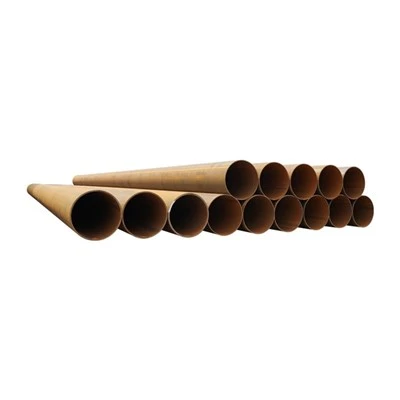
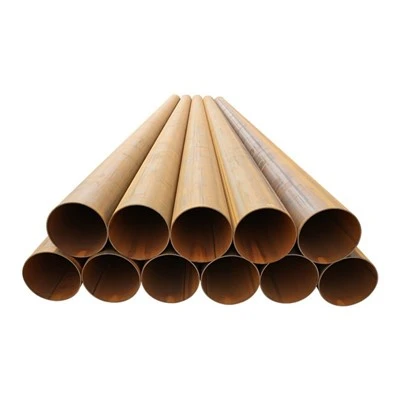
ERW steel pipes are widely used in water transmission, structural engineering, mechanical applications, industrial piping, and pipeline systems. Their quality is affected by raw material condition, forming accuracy, welding parameters, equipment performance, inspection procedures, and production control.
Common ERW steel pipe defects may occur during forming, high-frequency welding, sizing, straightening, or surface treatment. Some defects directly cause the pipe to fail the applicable standard, while others may initially appear minor but can develop into more serious problems during bending, flattening, pressure testing, or service.
Understanding the causes of ERW pipe defects is therefore important for both manufacturers and buyers. What are the most common problems in ERW steel pipes, and how can they be prevented?
What Are the Main Types of ERW Steel Pipe Defects?
ERW pipe defects can generally be divided into several categories according to where and how they occur. These include welding defects, forming and process defects, and surface defects.
Some defects are related directly to the longitudinal weld, while others originate from steel coil quality, forming alignment, excessive mechanical stress, or improper equipment adjustment.
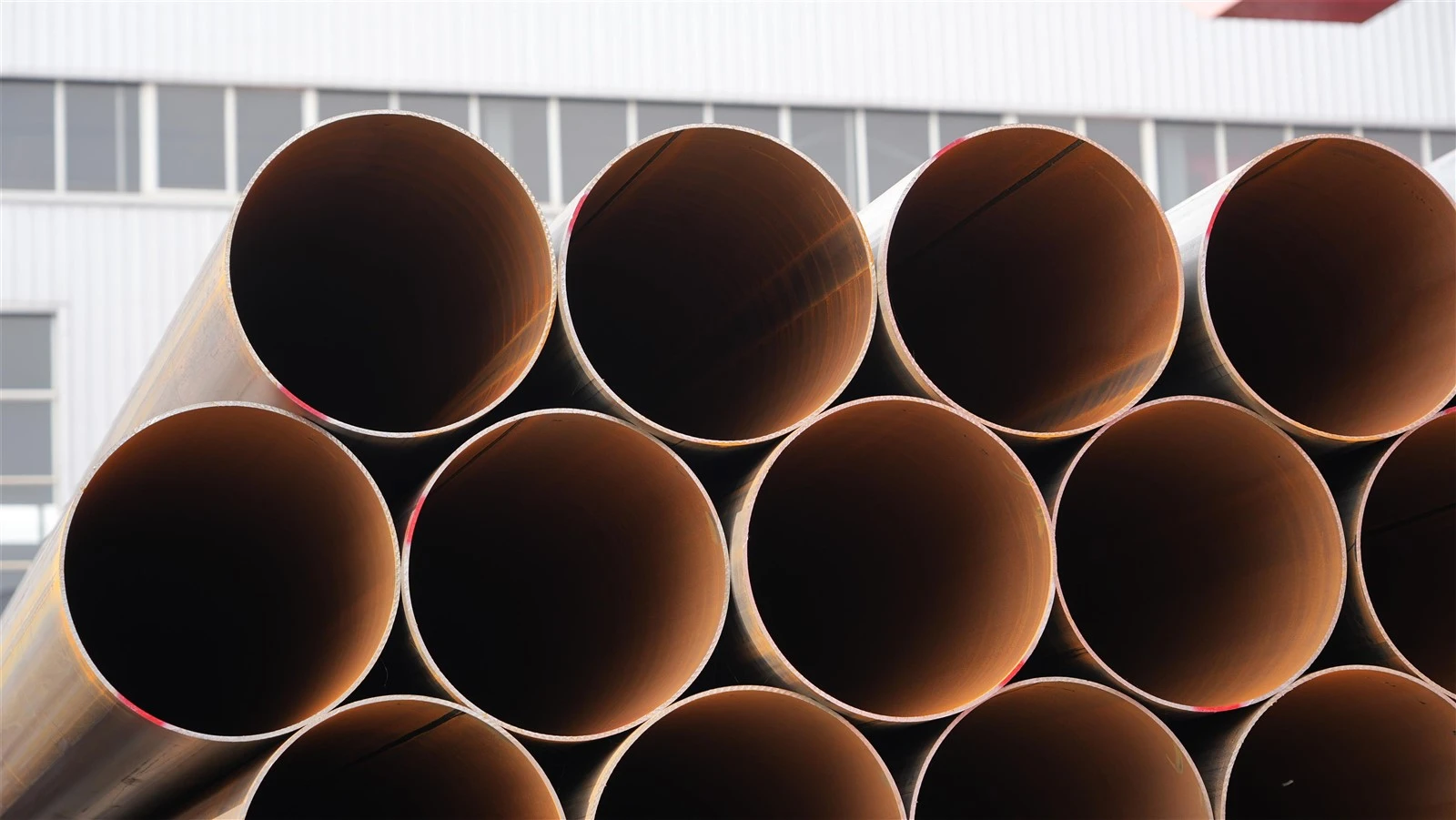
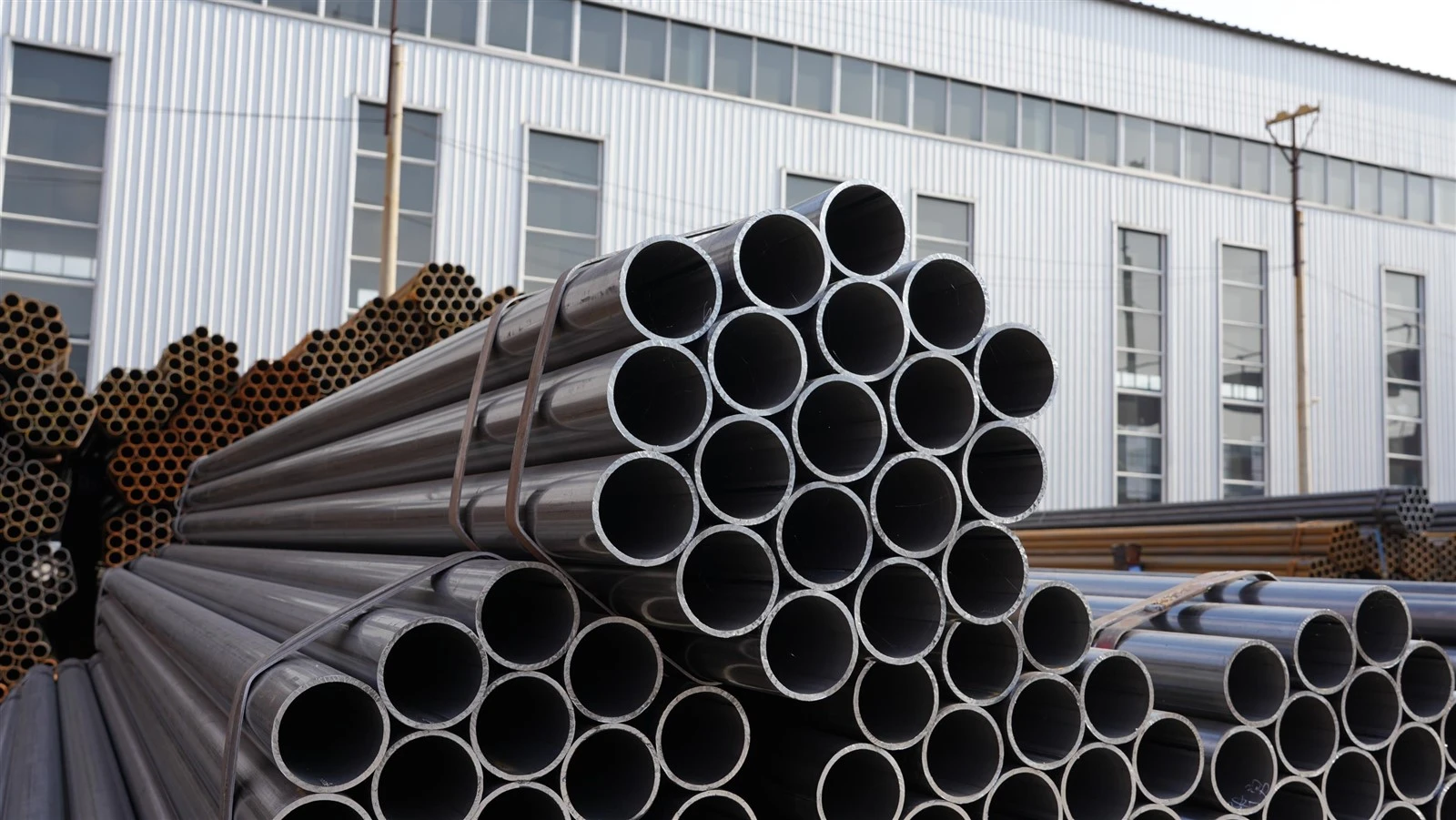
Common ERW Pipe Defects
The following table summarizes several common defects that may be encountered during ERW steel pipe production.
| Defect Type | Typical Appearance | Possible Cause | Potential Effect |
|---|---|---|---|
| Open seam | Incomplete or separated weld area | Insufficient welding heat or unstable parameters | Leakage or weld failure |
| Crack | Fine linear crack along the weld | Excessive stress, poor welding conditions or material problems | Cracking during testing or forming |
| Lap welding | Misalignment of strip edges | Improper forming or roll adjustment | Uneven weld and reduced quality |
| Excessive burr | Excessive weld flash | Improper welding and extrusion conditions | Difficult finishing and dimensional problems |
| Burnt weld | Small pits or locally overheated weld | Excessive welding heat | Local weld weakness |
| Scratch | Continuous linear mark on surface | Equipment contact or handling | Wall-thickness reduction |
| Pockmarked surface | Small scattered pits | Surface or material condition | Reduced surface quality |
| Warping/peeling | Local separation or flaking | Surface defects or processing problems | Surface deterioration |
Why Are These Defects Important?
Not every visible imperfection has the same effect on pipe performance. However, defects that reduce wall thickness, interrupt the weld, create cracks, or affect pressure integrity require particular attention.
For this reason, ERW steel pipe quality control should not rely only on visual inspection. Depending on the applicable standard, dimensional inspection, hydrostatic testing, and non-destructive testing may also be required.
What Causes ERW Welding Defects?
The longitudinal weld is one of the most important areas of ERW steel pipe production. During high-frequency welding, the edges of the formed strip are heated and brought together under controlled pressure.
If welding temperature, frequency, power, line speed, edge condition, or extrusion pressure is not properly controlled, different weld defects may occur.
Open Seam and Incomplete Welding
An open seam occurs when the strip edges are not properly joined during the welding process. It may appear as an incompletely fused area or a continuous defect along the weld direction.
What Causes an Open Seam?
Possible causes include insufficient welding heat, unstable welding parameters, excessive production speed, improper edge alignment, or inadequate extrusion pressure.
If the defect extends through the wall, it may result in leakage during hydrostatic testing. Severe defects can also become more apparent during mechanical testing or subsequent forming operations.
Weld Cracks
Cracks may appear as fine linear indications along or near the weld. Some cracks can be difficult to identify through visual inspection alone, especially when they are small.
Why Do Weld Cracks Occur?
Weld cracking may be associated with inappropriate welding conditions, excessive residual stress, poor edge preparation, unsuitable raw material characteristics, or improper forming.
Cracks are particularly important because they can propagate during flattening, bending, or cold forming and may eventually affect the service performance of the pipe.
Lap Welding
Lap welding occurs when the two strip edges are not correctly positioned during forming and welding. Instead of producing a properly aligned weld, one edge may overlap or become significantly offset from the other.
Improper roll alignment, unstable strip tracking, excessive forming deformation, or incorrect equipment adjustment can contribute to this defect.
What Are Common Forming and Process Defects?
ERW steel pipe manufacturing involves multiple forming and sizing stages. Even when the welding process is stable, incorrect forming conditions can produce defects that affect pipe geometry, surface condition, or weld performance.
Burr and Weld Flash Problems
A certain amount of weld flash is generated during high-frequency welding and must be properly controlled and removed according to the production requirements.
Excessive external or internal burr may affect pipe appearance, dimensional accuracy, and subsequent processing. In some cases, excessive burr can also indicate unstable welding or extrusion conditions.
How Can Burr Defects Be Controlled?
Welding pressure, heating conditions, forming alignment, and burr removal equipment should be properly adjusted. The finishing process should remove excessive weld flash without damaging the surrounding pipe wall.
Burnt Weld
A burnt weld may appear as localized overheating, small pits, or excessive welding spatter around the weld area.
This defect is commonly associated with excessive heat input, unstable electrical conditions, or inappropriate welding parameters. Although a pipe may pass an initial visual inspection, localized overheating can affect the microstructure and mechanical performance of the weld.
Pipe Deformation
Improper forming or sizing can result in excessive ovality, dimensional deviation, or local deformation.
The problem may originate from incorrect roll positioning, uneven strip feeding, excessive forming force, or equipment wear. Accurate roll adjustment and regular equipment maintenance are therefore essential for maintaining dimensional consistency.
What Are the Common Surface Defects of ERW Steel Pipes?
Surface defects may originate from the steel coil itself or be introduced during forming, welding, sizing, straightening, transportation, and handling.
Scratches and Mechanical Damage
Scratches are generally visible as continuous linear marks along the pipe surface. Deep scratches can reduce the effective wall thickness and may become unacceptable if they exceed the limits specified by the applicable standard.
What Causes Pipe Scratches?
Typical causes include contact between the pipe and damaged rollers, guides, tools, or handling equipment. Improper transportation and stacking can also introduce surface damage after production.
Regular inspection and maintenance of rollers, guides, conveyors, and handling equipment can help prevent these defects.
Pockmarked Surfaces
A pockmarked surface consists of small scattered pits or depressions on the pipe surface. Minor surface irregularities may originate from the raw material, while more significant defects may be related to surface contamination, corrosion, or production equipment.
The severity should be evaluated according to the applicable product standard and project requirements.
Warping and Surface Peeling
Warping or peeling refers to local separation or flaking of material from the pipe surface. It may be associated with defects in the original steel coil or excessive mechanical and thermal stress during production.
Surface peeling should be carefully evaluated because deeper defects can affect the effective wall thickness and surface integrity of the finished pipe.
How Can ERW Steel Pipe Defects Be Prevented?
Preventing ERW pipe defects requires control of the entire manufacturing process rather than focusing only on the final inspection stage.
Control the Raw Material
High-quality steel coil provides the foundation for consistent ERW pipe production. Before production, the material should be checked for grade, dimensions, surface condition, and relevant quality documentation.
Why Is Raw Material Inspection Important?
Surface defects, dimensional variations, or unsuitable mechanical properties in the incoming coil may become more difficult to control after forming. Proper raw material inspection therefore helps prevent defects from entering subsequent production stages.
Optimize Forming and Welding Parameters
Forming rolls should be correctly aligned, and the strip should be guided consistently through the production line. Welding parameters such as frequency, power, production speed, and extrusion pressure should be controlled according to the pipe specification and material.
Stable process parameters help maintain consistent weld quality and reduce the risk of open seams, cracks, excessive burr, and burnt welds.
Maintain Production Equipment
Rolls, guides, welding equipment, sizing stands, cutting equipment, and inspection devices should be regularly maintained.
Equipment wear or misalignment can gradually introduce dimensional deviations and surface defects even when the basic production parameters remain unchanged.
How Are ERW Steel Pipe Defects Detected?
Quality inspection is essential for identifying defects that cannot always be recognized through visual examination.
Visual and dimensional inspection can identify scratches, deformation, surface peeling, diameter deviation, wall-thickness variation, and other visible problems.
Non-Destructive Testing
Depending on the applicable standard and customer requirements, ERW steel pipes may undergo non-destructive testing such as ultrasonic testing or eddy current testing. These methods can help identify discontinuities in or around the weld without damaging the pipe.
Hydrostatic testing may also be required for certain products and applications to verify pressure integrity.
Mechanical and Dimensional Testing
Flattening, bending, tensile, hardness, and other tests may be required depending on the product standard. Measurements of outside diameter, wall thickness, length, straightness, and ovality are also important parts of final inspection.
The specific inspection method should always follow the applicable product standard and purchase specification.
How Does Huayang Steel Pipe Control ERW Pipe Quality?
Huayang Steel Pipe manufactures HFW/ERW steel pipes with outside diameters of Φ48–660.4 mm, wall thicknesses of 2.0–22 mm, and lengths of 6–27 m.
Quality control covers raw material inspection, forming, high-frequency welding, sizing, cutting, dimensional inspection, weld inspection, and final product inspection. Production parameters are controlled according to the pipe grade, dimensions, applicable standard, and customer requirements.
For ERW steel pipe buyers, a reliable quality-control system is important because many potential defects originate from interactions between raw material quality, forming accuracy, welding conditions, and equipment status.
How Can Buyers Reduce the Risk of ERW Pipe Defects?
Buyers can reduce quality risks by clearly specifying the required standard, steel grade, outside diameter, wall thickness, length, testing requirements, end finish, and inspection requirements before production.
Supplier evaluation should also consider manufacturing equipment, production range, quality-control procedures, inspection capabilities, and relevant certifications.
For critical projects, buyers may additionally specify third-party inspection, witness testing, or additional NDT requirements according to the project specification.
Conclusion
ERW steel pipe defects can originate from raw materials, forming conditions, high-frequency welding, equipment alignment, surface handling, and inspection procedures. Common problems include open seams, weld cracks, lap welding, excessive burr, burnt welds, scratches, pockmarked surfaces, and surface peeling.
Effective defect prevention requires control throughout the entire production process. Proper raw material selection, accurate forming, stable HFW welding parameters, regular equipment maintenance, and appropriate NDT and dimensional inspection all contribute to consistent ERW pipe quality.
For steel pipe buyers, understanding common ERW pipe defects and their causes can help with supplier evaluation, inspection planning, and product selection. A qualified manufacturer should be able to control the production process and provide ERW steel pipes that meet the specified standards and project requirements.