


OCTG, short for Oil Country Tubular Goods, is a group of steel tubular products specifically designed for oil and gas well drilling, completion, and production. Unlike ordinary steel pipe used for water, structural, or general industrial applications, OCTG must withstand demanding downhole conditions, including high pressure, temperature, mechanical loads, and potentially corrosive fluids.
OCTG mainly includes casing, tubing, and drill pipe. Each product performs a different function in a well, from stabilizing the borehole and isolating formations to transporting hydrocarbons and transmitting torque during drilling. Understanding the definition, classification, standards, and applications of OCTG is therefore essential when selecting oil casing and tubing for an oil or gas project.
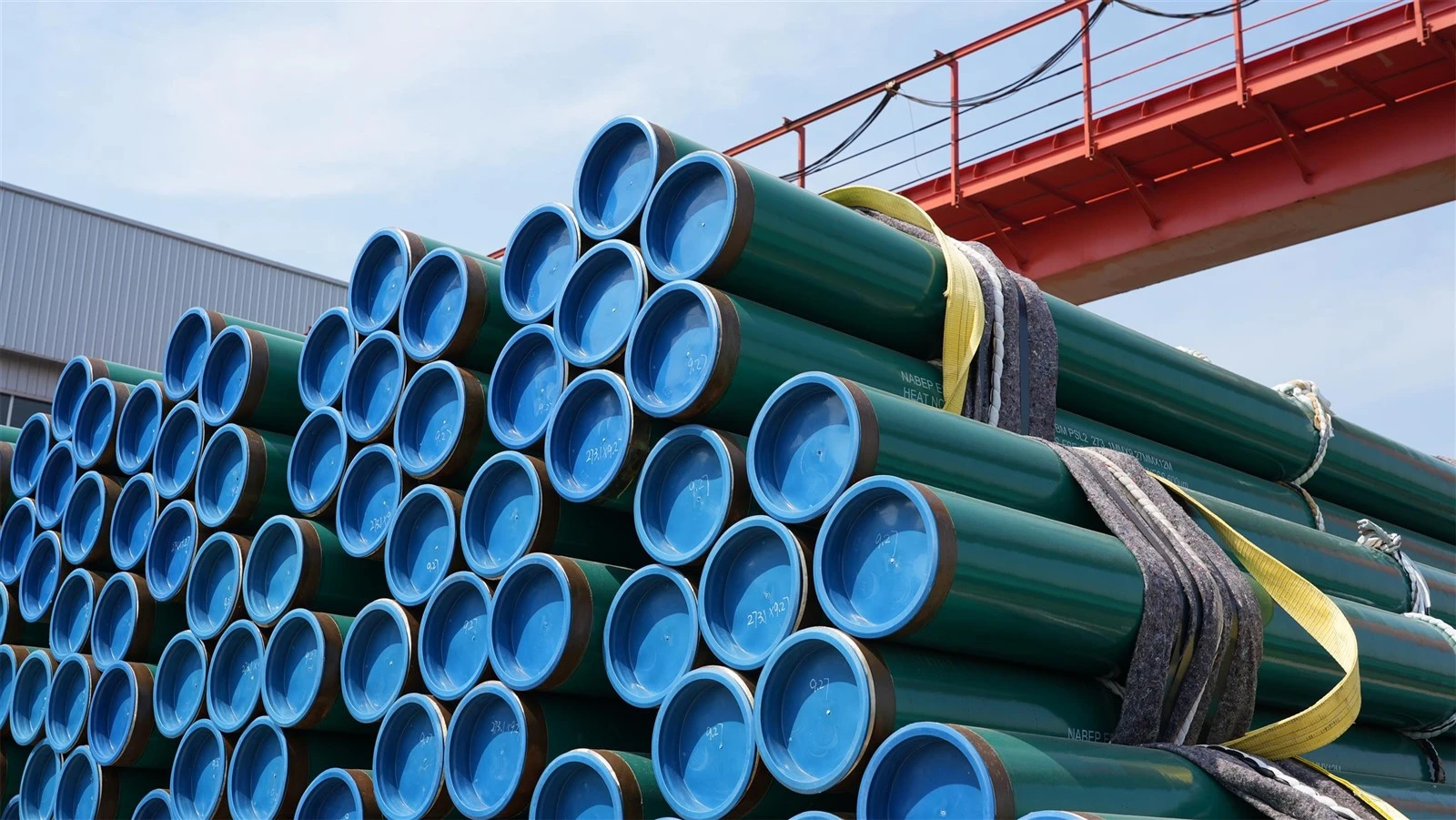
What Is OCTG and What Does OCTG Stand For?
OCTG stands for Oil Country Tubular Goods. The term refers to tubular steel products manufactured for specific applications in the petroleum industry. According to the reference material, "Oil Country" reflects the oilfield environment, "Tubular" describes the cylindrical hollow products, and "Goods" identifies them as manufactured products within the steel supply chain.
What Does OCTG Include?
The three main categories of OCTG are casing, tubing, and drill pipe. Although all three are tubular products, their functions and operating conditions are different.
Casing, Tubing and Drill Pipe
Casing is installed in the wellbore to provide structural support, isolate formations, and maintain well integrity. Tubing is installed inside the production casing and provides a controlled flow path for oil and gas to reach the surface. Drill pipe forms part of the drill string and transmits rotational torque and drilling fluid between the surface equipment and the drill bit.
These products are selected according to well depth, formation conditions, pressure, temperature, corrosion environment, mechanical loads, and connection requirements.
Which Standards Apply to OCTG?
API specifications are widely used for OCTG. API 5CT provides requirements for casing and tubing, including product grades, dimensions, mechanical properties, and related manufacturing requirements. API 5DP covers drill pipe, while API 5B addresses certain requirements associated with casing, tubing, and line pipe threads.
ISO 11960 is also an important international reference for casing and tubing. The applicable standard should always be confirmed against the project specification because additional requirements may apply to specific wells and operating environments.
What Are the Main Types of OCTG?
The classification of OCTG is primarily based on its function in the drilling and production system. Casing, tubing, and drill pipe work together but are subjected to different mechanical and service conditions.
What Is OCTG Casing Pipe?
OCTG casing is a structural component of an oil or gas well. Casing strings are installed at different depths and normally cemented in place. Their functions include supporting the borehole, isolating geological formations, protecting groundwater zones, and containing formation and well pressure.
Common Casing Types and Applications
Depending on the well design, casing may include conductor casing, surface casing, intermediate casing, and production casing. Each casing string has a specific position and engineering function.
Casing must withstand combinations of collapse pressure, internal pressure, tensile load, and other forces generated during drilling and production. For this reason, casing selection involves more than simply choosing an outside diameter.
What Is Oil Well Tubing?
Tubing is the production conduit installed inside the casing. Once a well has been completed, produced fluids flow through the tubing toward the surface.
Why Is Tubing Important for Production?
Tubing is exposed directly to produced fluids and may therefore encounter water, brine, CO₂, H₂S, hydrocarbons, and other corrosive components depending on the reservoir. The selected tubing grade, wall thickness, connection, and corrosion resistance must match the expected service environment.
What Is OCTG Drill Pipe?
Drill pipe is used during the drilling stage and forms part of the drill string. It transfers rotational torque from the surface rig to the drill bit while providing a passage for drilling fluid.
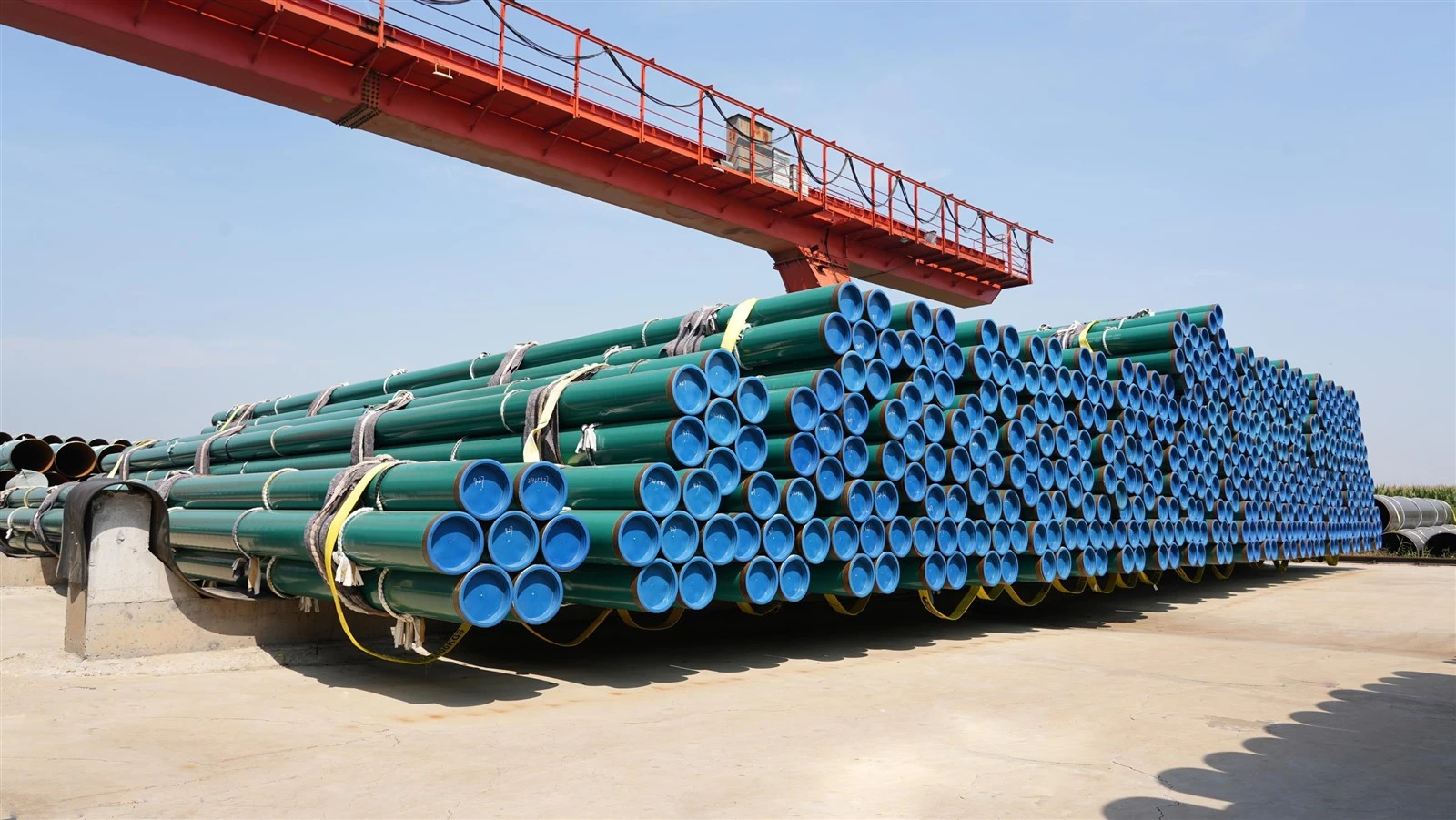
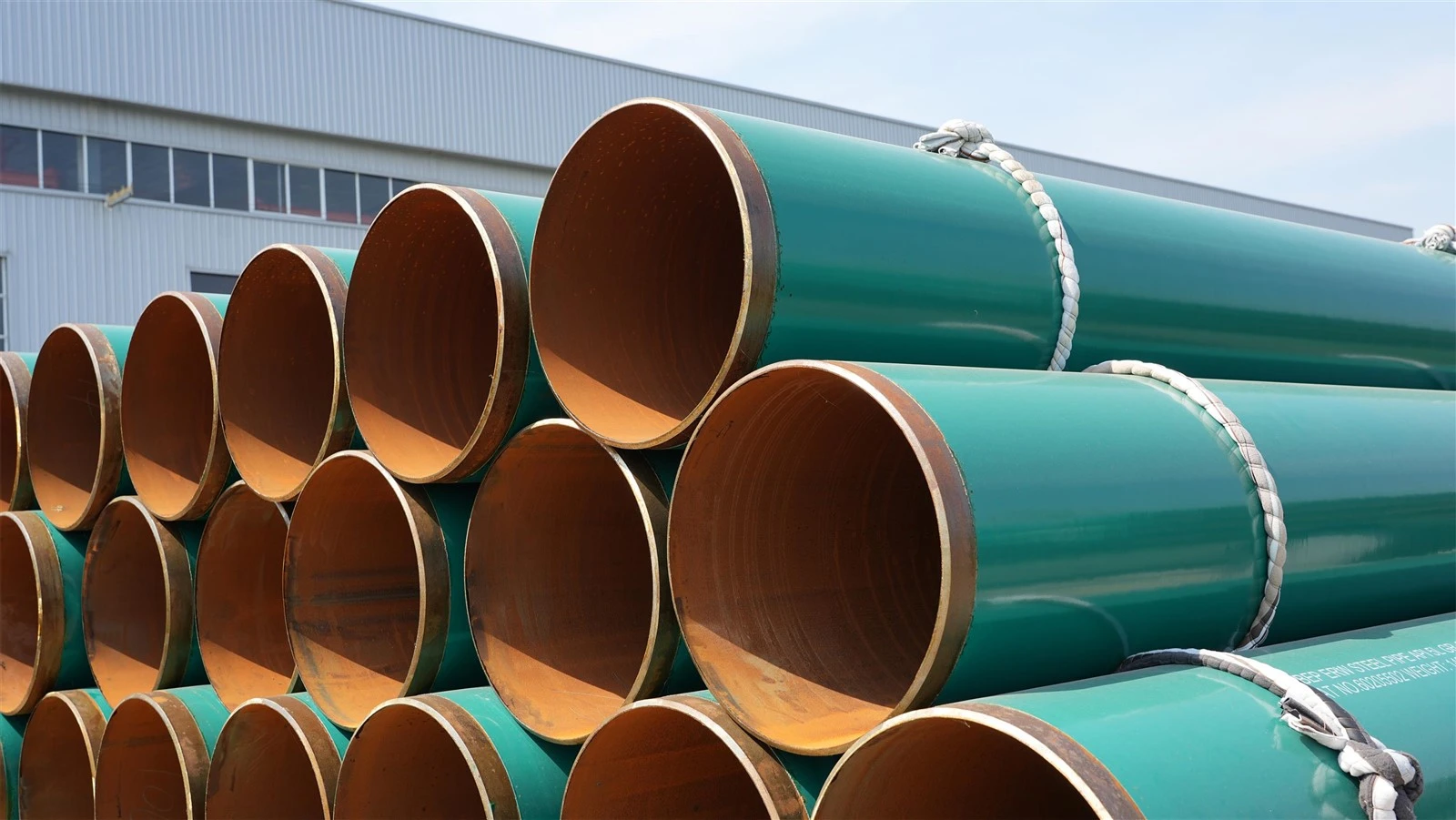
How Is Drill Pipe Different from Casing and Tubing?
Unlike casing and tubing, which generally remain in the well as part of the completed well structure, drill pipe is normally retrieved after drilling operations. It experiences repeated mechanical loading, including tension, torsion, bending, and fatigue, making material properties and connection performance particularly important.
| OCTG Product | Primary Function | Typical Considerations | Common Standards |
|---|---|---|---|
| Casing | Supports and isolates the wellbore | Collapse, burst, tension, corrosion | API 5CT / ISO 11960 |
| Tubing | Transports produced fluids | Pressure, corrosion, temperature, connection | API 5CT / ISO 11960 |
| Drill Pipe | Transmits torque and drilling fluid | Torsion, tension, fatigue, connection | API 5DP / ISO 11961 |
Where Are OCTG Products Used?
OCTG products are used throughout the life cycle of an oil or gas well. Their specific requirements vary according to the drilling environment, well design, reservoir conditions, and production strategy.
OCTG in Onshore and Offshore Drilling
Onshore wells can range from relatively conventional shallow wells to complex high-pressure or unconventional wells. Offshore operations may impose additional requirements because of water depth, platform conditions, well architecture, and more challenging logistics.
Deepwater and Ultra-Deepwater Applications
As well depth increases, casing strings may be exposed to higher external pressure and greater tensile loads. This makes accurate grade, wall thickness, dimensional control, and connection selection increasingly important.
OCTG for Shale, Tight Oil and Gas Wells
Unconventional wells can involve long horizontal sections and repeated drilling and completion operations. OCTG must therefore be selected to accommodate the mechanical and chemical conditions expected throughout the well.
OCTG for HPHT and Sour-Service Wells
High-pressure/high-temperature wells impose demanding thermal and mechanical conditions. Sour-service wells containing hydrogen sulfide require additional attention to material selection and resistance to sulfide-related damage.
For corrosive environments involving H₂S, CO₂, chlorides, or brine, the material and service requirements should be evaluated carefully. The reference material identifies grades such as L80, C90, and T95 in relation to sour-service applications, while corrosion-resistant alloys may be considered for more severe environments.
How Do You Choose the Right OCTG Casing and Tubing?
Choosing OCTG requires a combination of mechanical, metallurgical, dimensional, and connection considerations. There is no single grade or connection that is suitable for every well.
How Does Well Depth Affect OCTG Grade Selection?
Well depth affects the mechanical loads imposed on casing and tubing. As depth increases, the tubular string may experience greater tensile loads, while formation pressure can increase collapse requirements.
Burst, Collapse and Tension
Three major load conditions are commonly considered when evaluating casing performance: internal pressure or burst, external pressure or collapse, and axial tension from the weight of the tubular string. The actual design must consider the complete well load case rather than depth alone.
How Does the Corrosion Environment Affect OCTG Selection?
Formation fluids and produced fluids can contain H₂S, CO₂, chlorides, and water. These conditions can influence corrosion, cracking, and long-term material performance.
For conventional sweet-service applications, carbon and low-alloy steel grades may be appropriate when permitted by the design. Sour-service applications require more specific material and hardness controls, while severe corrosive conditions may require corrosion-resistant alloy solutions.
Why Are OCTG Thread Connections Important?
The connection is a critical part of the casing or tubing string because it must maintain mechanical and sealing performance under pressure, tension, bending, and temperature changes.
Common OCTG Connection Types
API connections include STC, LTC, and BTC configurations, while premium connections can be selected when enhanced sealing or performance is required. Tubing may also use EUE or NUE connections depending on the applicable specification and service requirements.
| Connection Type | General Characteristics | Typical Application Considerations |
|---|---|---|
| STC | Short Thread and Coupling | Conventional casing applications |
| LTC | Long Thread and Coupling | Casing with different connection requirements |
| BTC | Buttress Thread and Coupling | Higher mechanical loading applications |
| EUE | External Upset End | Common tubing connection |
| NUE | Non-Upset End | Tubing applications with specific dimensional requirements |
| Premium | Specialized sealing design | Gas-tight and demanding service conditions |
The final connection should be selected according to the well design, load conditions, pressure requirements, sealing requirements, and applicable specification rather than simply choosing the most advanced connection.
What Quality Requirements Should an OCTG Supplier Meet?
OCTG quality control covers material certification, heat treatment, dimensions, mechanical properties, nondestructive testing, hydrostatic testing, threading, and final inspection.
Why Are Traceability and Inspection Important?
Each OCTG product should be traceable to its material heat and relevant manufacturing records. Inspection may include chemical analysis, tensile testing, hardness testing, dimensional inspection, hydrostatic testing, and applicable nondestructive examination.
API and Quality Management
For buyers, it is important to verify whether the supplier's manufacturing capability and certifications correspond to the products being ordered. API-related qualifications, quality management systems, inspection procedures, heat and lot traceability, and complete material documentation are important factors when evaluating an OCTG supplier.
Huayang Steel Pipe has API-related manufacturing qualifications and provides steel pipe products and solutions for oil and gas applications. For specific OCTG requirements, product type, grade, dimensions, connection, testing, and documentation should be confirmed according to the project specification.
What Is the Difference Between OCTG and Ordinary Steel Pipe?
OCTG should not simply be considered a thicker or stronger version of ordinary steel pipe. The two product categories are designed for different operating environments.
Ordinary steel pipe may be used for water transmission, structural applications, general industrial service, or other surface applications. OCTG is specifically engineered for well construction and production, where the pipe may need to withstand high internal and external pressure, tensile loads, temperature changes, corrosive fluids, and demanding connection conditions.
The differences therefore extend beyond steel grade. OCTG requires appropriate dimensional accuracy, heat treatment, inspection, thread machining, connection design, and traceability to support well integrity.
Conclusion
OCTG is a specialized category of steel tubular products used throughout oil and gas well drilling, completion, and production. Casing provides structural support and formation isolation, tubing transports produced fluids, and drill pipe transmits torque and drilling fluid during drilling operations.
When selecting oil casing products or other OCTG, buyers should consider well depth, pressure, temperature, steel grade, corrosion environment, dimensions, connection type, applicable standards, inspection requirements, and supplier qualifications. A complete technical specification is essential for matching the OCTG product to actual well conditions.
For an OCTG project, choosing the appropriate casing, tubing, or drill pipe is ultimately a technical decision based on the complete well design. With controlled manufacturing, suitable material selection, reliable connections, and comprehensive inspection, OCTG can provide the mechanical integrity required for demanding oil and gas operations.
Read More:
How Is OCTG Manufactured? A Complete Guide To The OCTG Manufacturing Process
SSAW Vs LSAW Vs ERW Steel Pipe: What Are The Key Differences And How To Choose?


