


ERW pipes, or Electric Resistance Welded steel pipes, are widely used in modern infrastructure because they combine efficient manufacturing, consistent dimensions, and a broad range of available sizes and steel grades. Manufactured from steel strip or coil and joined along the longitudinal seam through resistance or high-frequency welding, ERW pipes can be produced efficiently for large-volume projects.
From water transmission and energy infrastructure to structural engineering and industrial systems, ERW steel pipes serve different functions depending on their material grade, dimensions, applicable standard, and service conditions.
So, what are the main uses of ERW pipes in modern infrastructure projects, and why are they selected for these applications?
Why Are ERW Pipes Widely Used in Infrastructure?
The manufacturing process of ERW steel pipe provides several characteristics that make it suitable for infrastructure projects. Steel coil is continuously formed into a cylindrical section, welded along the longitudinal seam, sized, cut, and inspected.
What Makes ERW Pipe Suitable for Infrastructure?
ERW pipe can be manufactured with controlled outside diameter, wall thickness, and length. Modern high-frequency welding technology also allows manufacturers to maintain stable welding conditions and conduct appropriate weld inspection.
What Are the Main Benefits of ERW Steel Pipe?
For many infrastructure applications, ERW pipe provides a practical combination of dimensional accuracy, production efficiency, material flexibility, and cost efficiency. The actual suitability, however, depends on whether the selected pipe meets the applicable project standard and service requirements.
ERW pipe can also be supplied with different surface treatments or additional processing when required. For example, anti-corrosion coatings may be applied for projects where the pipe will be exposed to corrosive environments.
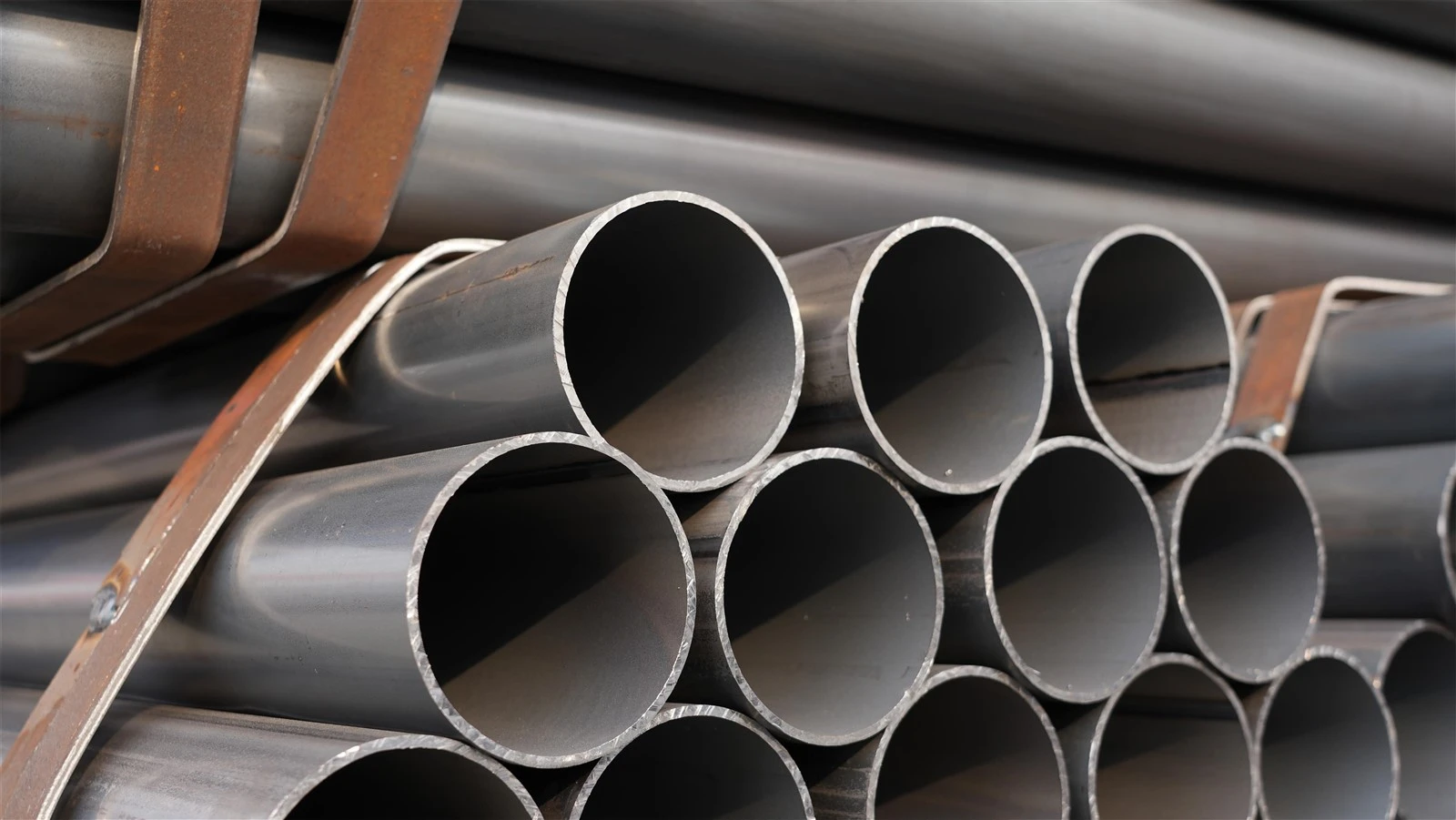
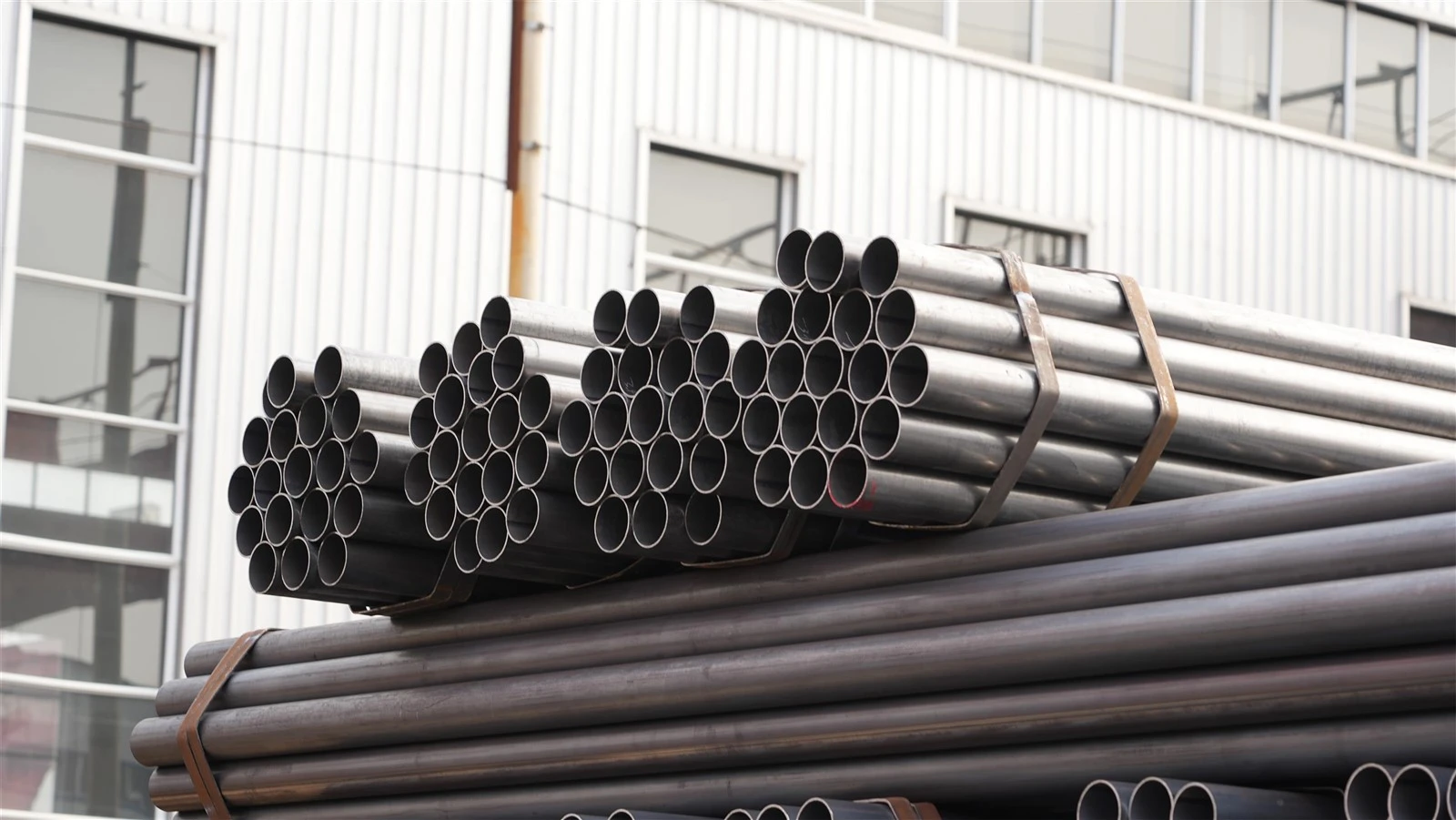
What Are the Top 5 Uses of ERW Pipes?
The applications of ERW steel pipe cover a broad range of infrastructure and industrial projects. The following five areas represent important applications where ERW pipe is commonly specified.
| Application | Typical Use | Key Requirements |
|---|---|---|
| Water infrastructure | Water transmission and distribution | Corrosion protection, pressure and dimensional requirements |
| Oil and gas infrastructure | Pipeline and industrial piping | Applicable pipeline standard, grade and testing |
| Structural engineering | Buildings, bridges and support structures | Strength, dimensions and structural standard |
| Mechanical engineering | Machinery and industrial systems | Dimensional accuracy and mechanical properties |
| Utility infrastructure | Conduits, poles and infrastructure systems | Strength, durability and fabrication requirements |
1. Water Supply and Transmission
ERW steel pipe is widely used in water infrastructure, including water transmission, distribution, industrial water systems, and certain drainage applications.
Why Is ERW Pipe Used for Water Systems?
Water transmission systems require pipes with suitable pressure performance, dimensional consistency, and resistance to the service environment. Depending on the project, steel pipes may receive internal or external anti-corrosion treatment to improve their service performance.
Large infrastructure projects may require substantial quantities of steel pipe, making the production efficiency of ERW manufacturing an important consideration.
Where Are ERW Pipes Used in Water Infrastructure?
Typical applications include municipal water transmission, industrial water pipelines, irrigation systems, water treatment facilities, and other infrastructure requiring steel piping.
The pipe grade, wall thickness, diameter, coating system, and testing requirements should be selected according to the design conditions and applicable standard.
2. Oil and Gas Infrastructure
ERW steel pipe is also used in oil and gas-related infrastructure where the applicable standard and design requirements permit welded pipe.
How Are ERW Pipes Used in Energy Projects?
Applications can include certain oil and gas transmission lines, gathering systems, fuel-related piping, and industrial facilities. Pipeline-grade ERW or HFW pipe can be manufactured according to relevant specifications, with requirements for steel grade, dimensions, weld quality, and inspection.
Why Is Weld Quality Important?
Because ERW pipe contains a longitudinal weld, weld quality is an important part of manufacturing control. Modern HFW production uses controlled electrical heating and pressure to form the weld, followed by inspection according to the applicable specification.
For demanding pipeline applications, buyers should verify the required standard, PSL level where applicable, NDT requirements, hydrostatic testing, and other project-specific requirements before procurement.
3. Structural and Construction Projects
ERW steel pipe is widely used in structural engineering because its circular cross-section provides useful load-bearing characteristics while allowing manufacturers to produce different diameters and wall thicknesses.
Where Is ERW Pipe Used in Construction?
ERW pipe can be used for structural columns, supports, frameworks, scaffolding-related structures, temporary works, and other fabricated steel structures when the relevant structural standard permits its use.
Why Does Dimensional Accuracy Matter?
Structural components often need to fit precisely with other fabricated members. Consistent outside diameter, wall thickness, straightness, and length therefore help improve fabrication and installation efficiency.
For structural applications, buyers should select pipe according to the applicable structural specification, such as relevant ASTM, EN, JIS, or other national and project standards.
4. Mechanical Engineering and Industrial Equipment
ERW pipe is also used in mechanical engineering and industrial manufacturing. Compared with applications where pipe is primarily used for fluid transmission, mechanical applications may place greater emphasis on dimensional accuracy, mechanical properties, fabrication requirements, and surface condition.
What Mechanical Applications Use ERW Pipe?
Typical uses include mechanical structures, equipment frames, machine components, industrial support systems, and fabricated assemblies.
ERW pipe can be cut, welded, formed, and fabricated according to the requirements of the finished component. The appropriate steel grade and wall thickness depend on the mechanical loads and manufacturing process involved.
Why Is Consistent Dimension Important?
When pipe is incorporated into fabricated machinery or structures, dimensional variation can affect assembly accuracy. Controlled forming and sizing during ERW production help manufacturers supply pipes within the dimensional tolerances specified by the applicable standard.
5. Infrastructure and Utility Systems
ERW pipes also have applications in utility and supporting infrastructure, including certain electrical conduit systems, utility structures, lighting poles, and industrial service systems.
How Are ERW Pipes Used in Utility Projects?
Steel pipe can provide mechanical protection for certain utility installations and can also serve as structural components in infrastructure systems. The required pipe specification depends on whether the product functions primarily as a conduit, structural member, support, or fluid-carrying component.
What Should Be Considered for Outdoor Applications?
Outdoor infrastructure can be exposed to rain, humidity, temperature changes, and other environmental conditions. Appropriate steel grade, wall thickness, surface treatment, and anti-corrosion protection should therefore be considered during product selection.
How Should ERW Pipe Be Selected for Infrastructure Projects?
Choosing an ERW pipe for an infrastructure project involves more than selecting a diameter. Engineers and procurement teams should consider the complete service and project requirements.
What Specifications Should Buyers Confirm?
The key information normally includes the applicable standard, steel grade, outside diameter, wall thickness, pipe length, end finish, testing requirements, surface condition, and coating requirements.
Does the Application Determine the Pipe Grade?
Yes. Different infrastructure applications can require different mechanical and chemical properties. Pipeline applications may require pipeline-grade steel, while structural applications may follow structural steel specifications.
The pipe should therefore be selected according to the design code and applicable product standard rather than simply choosing a commonly available size.
What ERW Pipe Sizes Are Available at Huayang Steel Pipe?
Huayang Steel Pipe manufactures HFW/ERW steel pipes with an outside diameter range of Φ48–660.4 mm, wall thicknesses of 2.0–22 mm, and lengths of 6–27 m.
The production range covers different pipe sizes, steel grades, and international standards according to project requirements. The manufacturing process includes coil preparation, forming, high-frequency welding, sizing, cutting, inspection, and finishing.
For infrastructure projects requiring corrosion protection, Huayang Steel Pipe can also provide anti-corrosion processing, including FBE, 2PE, 3PE, 2PP, 3PP, and internal epoxy coatings, according to the specified application and coating requirements.
What Quality Requirements Matter for ERW Infrastructure Pipe?
Quality control is particularly important when ERW steel pipes are used in infrastructure projects because pipe performance depends on both the steel material and manufacturing quality.
The raw material should meet the required steel grade and specification. During production, forming and welding parameters need to be controlled consistently. Finished pipes can then undergo dimensional inspection, weld inspection, and other testing required by the applicable standard.
Why Is Weld Inspection Important?
The longitudinal weld is a critical part of ERW pipe manufacturing. Depending on the applicable specification, non-destructive testing methods such as ultrasonic or eddy current testing may be used to identify potential weld discontinuities.
Hydrostatic testing, mechanical testing, and dimensional inspection may also be required according to the product standard and customer specification.
Conclusion
ERW pipes are used across many areas of modern infrastructure because they offer a combination of manufacturing efficiency, dimensional consistency, specification flexibility, and cost efficiency. The five major application areas discussed in this guide include water infrastructure, oil and gas infrastructure, structural construction, mechanical engineering, and utility systems.
The correct ERW steel pipe should always be selected according to the actual application, applicable standard, steel grade, dimensions, operating conditions, and inspection requirements. With appropriate material selection and manufacturing quality control, ERW pipes can provide reliable solutions for a wide range of infrastructure projects.
Huayang Steel Pipe manufactures HFW/ERW steel pipes in Φ48–660.4 mm outside diameter, 2.0–22 mm wall thickness, and 6–27 m length, supporting different international standards and project requirements.
Read More:
What Are The Shipping Requirements For ERW Steel Pipes?
What Are The Main Advantages Of ERW Steel Pipe You Need To Know?


