


Oil Country Tubular Goods, commonly known as OCTG, are essential tubular products used in oil and gas wells. They include casing, tubing, and drill pipe, which perform different functions during drilling, well construction, and hydrocarbon production. Because OCTG operate under demanding conditions involving high pressure, temperature, mechanical loads, and corrosive environments, their manufacturing process requires strict control from raw material selection to final inspection.
The manufacturing process of OCTG varies depending on the product type, steel grade, manufacturing method, dimensions, and applicable standard. Seamless OCTG are generally produced through billet piercing and hot rolling, while certain welded products can be manufactured from steel strip or plate when permitted by the relevant specification. After forming, heat treatment, dimensional control, threading, inspection, and testing are carried out to ensure the finished products meet the required technical requirements.
What Are OCTG and How Are They Manufactured?
OCTG are steel tubular products specifically designed for oil and gas well applications. Casing is installed to support the wellbore and isolate different geological formations, while tubing provides a flow path for oil and gas from the producing formation to the surface. Drill pipe is used as part of the drill string to transmit torque and drilling fluid during drilling operations.
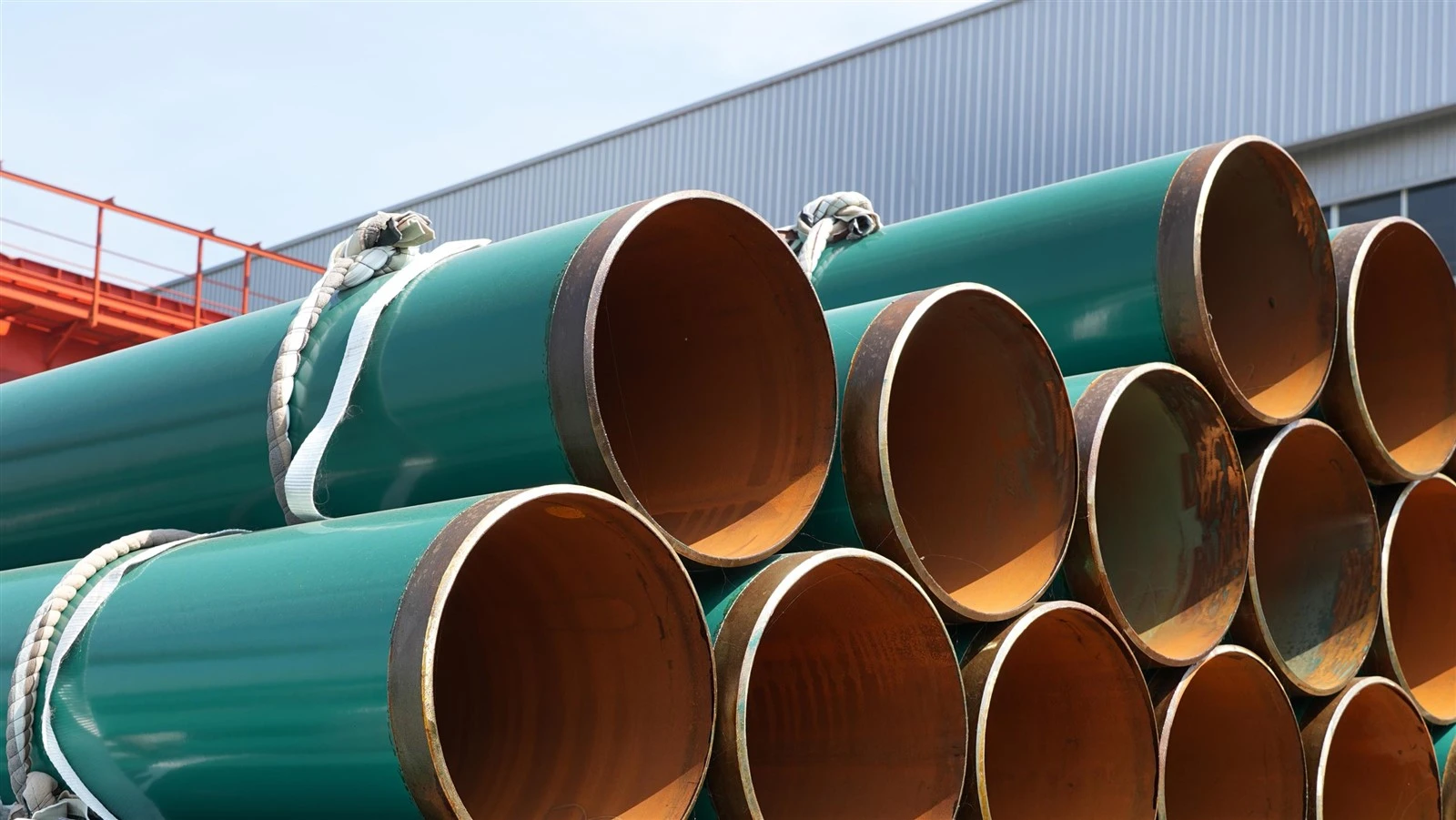
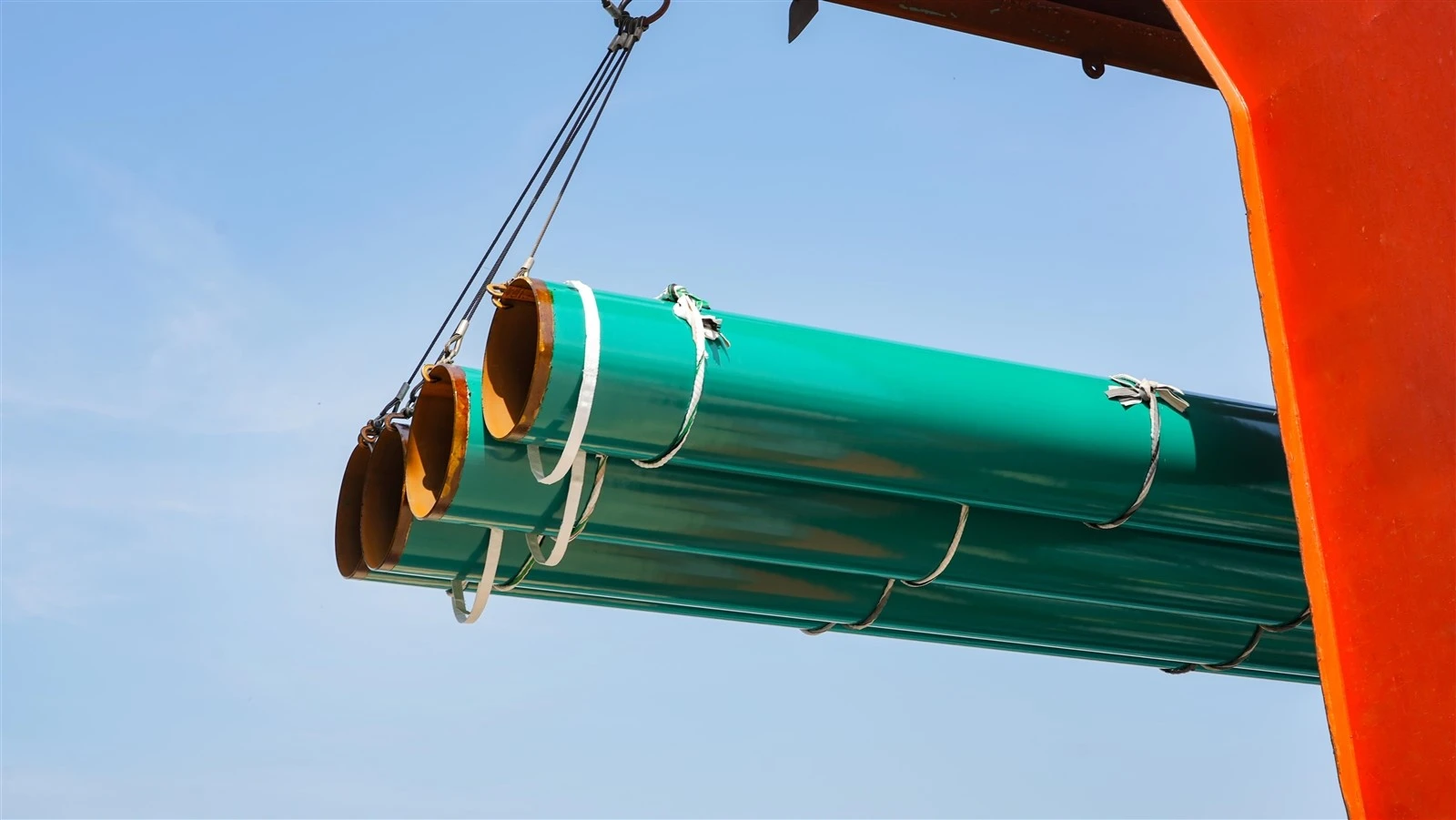
What Are the Main OCTG Products?
The manufacturing route depends heavily on the type of OCTG being produced. Casing and tubing are commonly manufactured as seamless or welded products according to the applicable specification, while drill pipe has additional manufacturing requirements because it is exposed to repeated tensile, torsional, bending, and fatigue loads during drilling.
Casing and Tubing Manufacturing
Casing and tubing production focuses on dimensional accuracy, mechanical properties, pressure integrity, and connection performance. The pipe body and threaded connection must work together to withstand the loads and pressures encountered in the well.
Drill Pipe Manufacturing
Drill pipe requires additional control of the pipe body and tool joints. The connection area must be capable of transferring torque and axial loads while maintaining reliable sealing and mechanical integrity during repeated drilling operations.
What Are the Main Steps in the OCTG Manufacturing Process?
Although individual production routes vary, OCTG manufacturing generally includes raw material preparation, forming, heat treatment, sizing, inspection, threading or connection processing, and final testing. Each stage contributes to the performance of the finished tubular product.
Step 1: Raw Material Selection and Inspection
The manufacturing process begins with carefully controlled steel raw materials. For seamless OCTG, steel billets are commonly used as the starting material. The selected steel grade must satisfy the required chemical composition and mechanical properties.
Chemical Composition and Material Traceability
Elements such as carbon, manganese, chromium, molybdenum, and other alloying elements influence strength, toughness, hardenability, and resistance to specific service conditions. The chemical composition is therefore verified before production.
Material traceability is also important. Heat numbers and related production information allow the manufacturer to track the steel through subsequent manufacturing and inspection stages.
Step 2: Heating and Forming
For seamless OCTG, the billet is heated to an appropriate temperature before piercing. A rotary piercing process creates a hollow shell, which is subsequently elongated and rolled to approach the required outside diameter and wall thickness.
Piercing, Rolling, and Sizing
The hot-formed shell passes through rolling and sizing operations to achieve the specified dimensions. Process parameters must be controlled to maintain consistent wall thickness and dimensional accuracy along the pipe length.
For applicable welded OCTG products, steel strip or plate may instead be formed into a tubular shape and welded according to the relevant manufacturing specification. The welding process and inspection requirements depend on the applicable standard and product type.
Step 3: Heat Treatment
Heat treatment is one of the most important stages in OCTG manufacturing because the finished pipe must provide the required combination of strength, toughness, hardness, and dimensional stability.
Quenching and Tempering
For many OCTG grades, controlled heat treatment may include austenitizing, quenching, and tempering. The exact temperature, holding time, cooling method, and subsequent tempering conditions depend on the steel grade and applicable specification.
| OCTG Manufacturing Stage | Main Process | Key Quality Considerations |
|---|---|---|
| Raw material preparation | Billet, strip, or plate inspection | Chemical composition and traceability |
| Forming | Piercing, rolling, sizing, or welding | Diameter and wall thickness |
| Heat treatment | Quenching, tempering, or specified treatment | Strength, toughness, hardness |
| Straightening | Mechanical or controlled straightening | Straightness and dimensional accuracy |
| NDT | Ultrasonic and other inspections | Internal and surface discontinuities |
| Threading | CNC or precision machining | Thread dimensions and connection quality |
| Hydrostatic testing | Controlled pressure test | Pressure integrity |
| Final inspection | Visual and dimensional inspection | Compliance and documentation |
Step 4: Straightening and Dimensional Control
After heat treatment, OCTG may undergo straightening to meet the specified straightness requirements. Outside diameter, wall thickness, ovality, length, and other dimensional parameters are checked using calibrated equipment.
Dimensional control is particularly important at the connection end because even relatively small deviations can affect thread machining and connection performance.
Step 5: Nondestructive Testing
Nondestructive testing is an important part of OCTG quality control. Depending on the applicable standard, product type, grade, and purchase specification, inspection methods may include ultrasonic testing, electromagnetic inspection, magnetic particle inspection, or visual examination.
Detecting Internal and Surface Discontinuities
NDT is used to identify potential discontinuities that cannot be reliably detected through visual inspection alone. The inspection requirements are determined by the applicable OCTG specification and quality level.
For critical oil and gas applications, inspection records and traceability provide important evidence that the finished products have undergone the required examinations.
How Are OCTG Threads and Connections Manufactured?
Unlike many general-purpose steel pipes, OCTG are commonly supplied with specialized threaded connections. The connection is a critical part of the overall tubular system because it must transfer loads and maintain sealing performance under well conditions.
How Is OCTG Threading Performed?
After the pipe body has passed the required dimensional and mechanical inspections, the pipe ends are machined using precision equipment. The thread profile, pitch, taper, diameter, and other characteristics must comply with the specified connection design.
API Connections and Premium Connections
API 5CT covers specifications for casing and tubing, including requirements related to dimensions, grades, manufacturing, and testing. API standard connections are widely used, while premium connections may be specified for applications requiring particular sealing, load, or gas-tight performance characteristics.
Threading requires strict control because the connection performance depends on the accuracy and surface condition of the machined thread.
Why Is Thread Inspection Important?
Thread inspection includes dimensional measurement and visual examination of the machined connection. Gauges and specialized inspection equipment can be used to verify that the connection conforms to the specified requirements.
Thread protectors are normally installed after inspection to protect the machined ends during handling, transportation, and storage.
What Tests Are Performed on OCTG Before Delivery?
OCTG must undergo inspection and testing appropriate to the product specification. These tests are designed to verify the pipe body's mechanical properties, dimensional accuracy, pressure integrity, and overall manufacturing quality.
Hydrostatic Testing
Hydrostatic testing is used to verify pressure integrity. The pipe is filled with water and subjected to the specified test pressure for the required period. The applicable pressure and acceptance criteria depend on the product standard and specification.
Mechanical and Dimensional Inspection
Mechanical testing may include tensile testing, yield strength measurement, elongation, and hardness testing where required. These results confirm whether the heat-treated material achieves the specified performance.
Dimensional inspection covers parameters such as outside diameter, wall thickness, length, straightness, and thread dimensions. The exact acceptance tolerances depend on the relevant specification.
Final Visual Inspection and Documentation
Before shipment, finished OCTG are visually inspected for surface conditions, end quality, markings, and general appearance. Product identification and traceability information are checked against the manufacturing and inspection records.
Quality documents may include material certificates, test results, dimensional records, NDT reports, hydrostatic test records, and other documents required by the customer or applicable standard.
What Standards Are Used for OCTG Manufacturing?
API specifications are widely referenced in the oil and gas industry. API 5CT is an important specification for casing and tubing, covering requirements for products used in well construction and production.
However, the applicable standard should always be confirmed according to the project specification. Buyers may also specify additional requirements concerning steel grade, PSL or quality level where applicable, heat treatment, NDT, thread type, coating, inspection, and documentation.
For sour service, high-pressure, high-temperature, or other demanding applications, additional material and testing requirements may apply. The manufacturing process should therefore be established from the complete technical specification rather than from the pipe size alone.
How Does Huayang Steel Pipe Control OCTG Manufacturing Quality?
For OCTG-related projects, manufacturing quality depends on coordinated control of material, forming, heat treatment, machining, inspection, and documentation. Huayang Steel Pipe provides steel pipe manufacturing and processing capabilities for demanding oil and gas applications, with quality management based on applicable international standards and customer requirements.
The company has API-related qualifications and provides steel pipe solutions for oil and gas projects. Depending on the order requirements, product specifications, steel grades, dimensions, testing, and end processing can be coordinated according to the applicable technical documents.
For buyers, providing the required OCTG type, size, steel grade, standard, connection, quantity, service conditions, inspection requirements, and documentation requirements at the quotation stage helps establish the appropriate manufacturing route.
Conclusion
The OCTG manufacturing process is a controlled sequence that combines material selection, forming, heat treatment, dimensional processing, nondestructive testing, threading, pressure testing, and final inspection. Each stage affects the reliability of casing, tubing, or drill pipe in demanding oil and gas well environments.
From the initial steel billet or other approved raw material to the final threaded and inspected product, strict process control and traceability are essential. By selecting the appropriate manufacturing route, steel grade, heat treatment, connection, and inspection requirements, OCTG can be produced to meet the technical demands of different drilling and production applications.


