


Long-distance pipeline projects often cross different terrains and operating environments, placing high demands on the dimensional consistency and quality of the steel pipes used throughout the system. From municipal water transmission networks to industrial fluid transportation pipelines, selecting pipes with suitable dimensions, mechanical properties, and inspection requirements is essential for reliable installation and long-term operation.
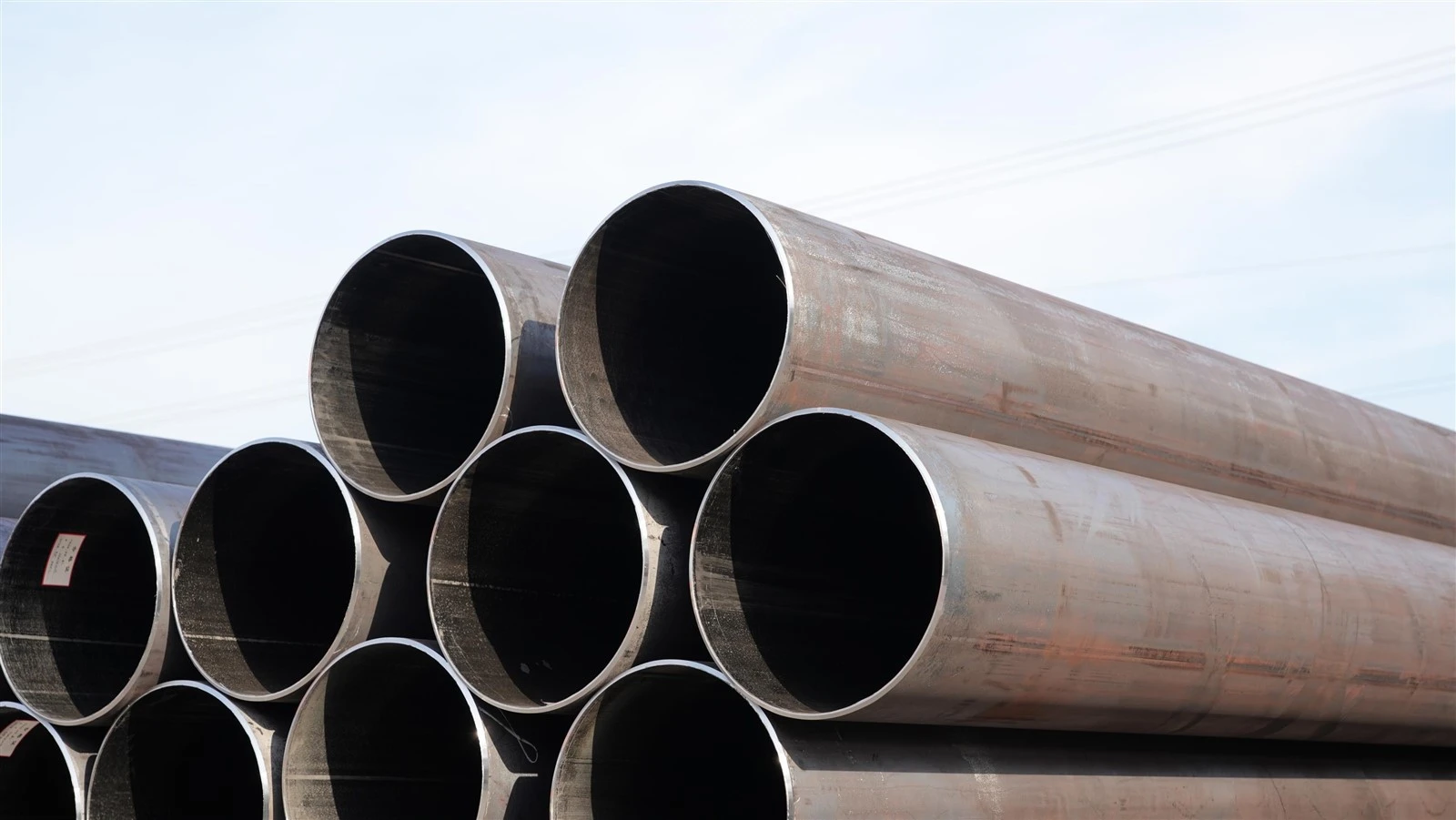
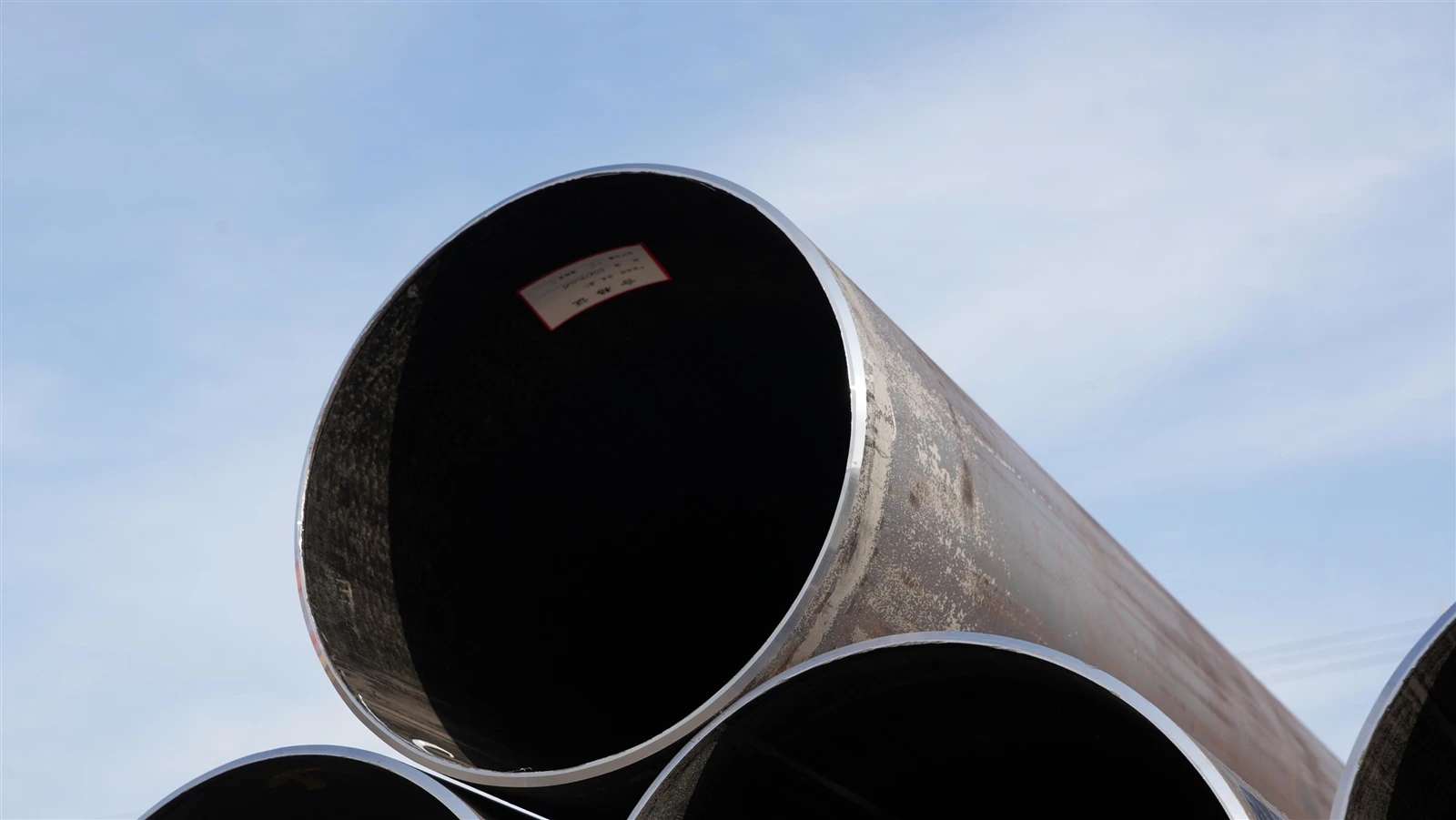
Large-diameter hot-expanded steel pipes provide a solution when project designs require larger diameters than those available from the original pipe. Through a controlled thermal expansion process, the pipe diameter can be increased to meet specified dimensions. When the process is properly controlled, manufacturers can maintain the required dimensional characteristics and verify product conformity through appropriate inspection.
At Huayang Steel Pipe, hot-expanded steel pipes can be supplied for pipeline projects with specified diameters, wall thicknesses, lengths, and testing requirements. Understanding how the manufacturing process works and which quality indicators matter helps project owners and contractors make informed purchasing decisions.
Why Are Large-Diameter Steel Pipes Important for Long-Distance Pipelines?
Long-distance pipeline systems are designed to transport fluids over substantial distances, often through areas with varying soil conditions, temperatures, elevations, and installation constraints. The pipe must meet the engineering requirements established for the transported medium, operating pressure, environmental exposure, and expected service conditions.
How Does Wall Thickness Consistency Affect Pipeline Reliability?
Wall thickness is a critical dimensional parameter because it contributes to the pipe's load-bearing capacity and pressure resistance. If wall thickness varies beyond the permitted tolerance, the pipe may not conform to the design assumptions used in engineering calculations.
For this reason, wall thickness must be checked against the applicable product standard and project specification. Other factors, including steel grade, outside diameter, weld quality, corrosion allowance, and operating conditions, also influence pipeline performance.
Manufacturing consistency is particularly important when a project involves many pipe sections. Consistent dimensions help simplify fit-up, welding, and installation, while reducing avoidable adjustments in the field.
Why Does Dimensional Uniformity Matter Along the Pipeline?
A long-distance pipeline is assembled from multiple pipe sections, and each joint must meet the specified alignment and welding requirements. Differences in outside diameter, wall thickness, pipe-end geometry, or straightness can make field assembly more difficult.
When pipes are manufactured and inspected according to a consistent technical specification, contractors can plan installation more efficiently. Dimensional uniformity does not replace proper pipeline design or construction controls, but it supports more predictable fabrication and installation.
How Does the Hot-Expansion Process Produce Large-Diameter Steel Pipes?
Hot expansion is a manufacturing process used to increase the diameter of an existing steel pipe through controlled heating and mechanical expansion. The process can help manufacturers produce larger-diameter pipes while maintaining the required dimensional characteristics.
What Happens During Hot Expansion?
During production, the pipe is heated under controlled conditions and expanded using suitable equipment. The precise process parameters depend on the original pipe dimensions, target diameter, wall thickness, steel grade, and manufacturing route.
Heating and deformation affect the steel's microstructure and mechanical properties. However, hot expansion should not automatically be described as making the entire pipe wall perfectly uniform or guaranteeing identical properties throughout the pipe. The final condition depends on the material, heating cycle, deformation, and any subsequent treatment required by the applicable specification.
Why Is Process Control Essential?
The expansion process must be controlled to achieve the specified outside diameter, wall thickness, and overall geometry. Excessive or uneven deformation can lead to dimensional deviations, while an unsuitable thermal cycle may affect mechanical properties.
Manufacturers therefore need to verify the finished pipe against the applicable requirements rather than relying on the forming process alone. Dimensional inspection, material testing, and other specified quality checks help determine whether the product is suitable for the intended application.
What Should Buyers Consider When Specifying Hot-Expanded Pipes?
The target diameter and wall thickness should be confirmed alongside the required steel grade, product standard, pipe length, and inspection scope. Buyers should also clarify whether the project requires hydraulic testing, additional nondestructive testing, particular end preparations, or special dimensional tolerances.
The following table summarizes important considerations when selecting hot-expanded steel pipes for long-distance pipeline projects.
| Key parameter | What should be checked? | Importance to the project |
|---|---|---|
| Outside diameter | Compliance with the specified diameter and tolerance | Supports pipeline design and joint fit-up |
| Wall thickness | Measured thickness and permitted variation | Helps verify conformity with design and product requirements |
| Steel grade | Required chemical composition and mechanical properties | Confirms suitability for specified service conditions |
| Pipe length | Standard or project-specific cut length | Helps coordinate transportation and installation |
| Hydrostatic testing | Test pressure, duration, and acceptance criteria where required | Verifies compliance with specified pressure-testing requirements |
| Dimensional condition | Ovality, straightness, and pipe-end geometry | Supports alignment and field welding |
| Documentation | Material certificates and inspection records | Supports quality verification and traceability |
The required acceptance criteria must be established by the applicable product standard and project specification. Not every pipeline requires the same testing scope or acceptance limits.
Which Quality Tests Are Important for Hot-Expanded Steel Pipes?
Quality verification is essential because the final pipe must meet the technical requirements of the order, regardless of the forming method used. The inspection plan should be agreed upon before production so that the manufacturer and buyer share a clear understanding of the required checks.
How Does Hydrostatic Testing Verify Pipe Quality?
Hydrostatic testing involves filling a pipe with water and applying the specified internal pressure under controlled conditions. The test is used to evaluate the pipe's ability to withstand the required pressure without unacceptable leakage or other indications of failure under the prescribed test conditions.
For pipeline applications, the test pressure, holding time, and acceptance criteria should follow the relevant product standard or purchase specification. Hydrostatic testing is an important verification method when required, but it does not replace dimensional inspection, material verification, or other specified examinations.
What Other Inspections May Be Required?
Depending on the standard and project requirements, inspection may include outside diameter and wall thickness measurements, ovality checks, straightness inspection, visual examination, mechanical testing, and verification of material identification.
Where specified, ultrasonic testing or other nondestructive testing methods may be used to examine relevant areas of the pipe. The exact methods and coverage depend on the product type, manufacturing route, governing standard, and buyer's inspection requirements.
For long-distance pipeline projects, maintaining consistent inspection records is also important. Material certificates, test reports, and product identification should correspond to the supplied pipes so that the delivered materials can be verified during receiving inspection and project quality review.
How Can Custom Pipe Lengths Improve Pipeline Installation Efficiency?
Pipe length is an important consideration in pipeline planning. Standard lengths may suit many projects, but some engineering designs require specific lengths to coordinate with route geometry, joint locations, transportation restrictions, or construction methods.
Why Specify Cut-to-Length Hot-Expanded Pipes?
When manufacturing capabilities and transport conditions permit, pipes can be produced or cut to agreed project lengths. This can help reduce unnecessary on-site cutting, simplify material planning, and improve coordination between pipe delivery and installation schedules.
However, custom lengths should be determined in consultation with the supplier. Buyers need to consider transportation limits, lifting and handling requirements, joint spacing, and the cutting or end-preparation specifications in the project drawings.
Reducing secondary cutting can also help limit additional handling and cutting work at the construction site. Nevertheless, all pipe ends must still be prepared and inspected in accordance with the applicable welding procedures and project requirements.
Why Choose Huayang Steel Pipe for Hot-Expanded Steel Pipes?
Huayang Steel Pipe offers hot-expanded steel pipes for industrial and infrastructure applications. Its established product specifications cover outside diameters from 230 mm to 820 mm and wall thicknesses from 5 mm to 20 mm, subject to the applicable production capabilities and order requirements. Project-specific lengths can be discussed according to manufacturing feasibility and technical specifications.
For long-distance pipeline projects, buyers can specify the required steel grade, product standard, outside diameter, wall thickness, length, and inspection scope. Hydrostatic testing and other inspection items can be arranged according to the applicable standard and agreed purchase requirements.
When evaluating a supplier, project teams should consider not only the available diameter range but also process control, dimensional conformity, testing capability, material traceability, and the ability to meet delivery specifications. These factors help establish a clear basis for quality verification before the pipes reach the construction site.
Large-diameter hot-expanded steel pipes can support long-distance pipeline projects when their dimensions, material properties, and inspection results meet the engineering requirements. By defining the technical specification clearly and verifying the finished product through appropriate quality checks, buyers can improve installation coordination and support reliable pipeline operation over the intended service life.
Read More:
Why Is The Arc Buried in Submerged Arc Welding?
How Can You Choose The Right Steel Pipes For Oil And Gas Projects?


