


When purchasing anti-corrosion steel pipes, comparing quotations alone can lead to costly mistakes. A pipe with a lower initial price may not provide the same long-term corrosion resistance, coating adhesion, or quality traceability as a properly manufactured product. Common problems include inconsistent raw material quality, inadequate surface preparation, incomplete coating structures, and discrepancies between the supplied pipes and their inspection documents. At Hebei Huayang Steel Pipe Co., Ltd., anti-corrosion pipe quality is managed through multiple stages, from raw material testing and steel pipe surface preparation to coating application, finished-product inspection, and documentation. For engineering projects, reliable corrosion protection depends on the entire manufacturing process, not simply the appearance of the finished pipe.
Why Is the Lowest Price Not Always the Best Choice for Anti-Corrosion Steel Pipes?
Anti-corrosion steel pipes are often used in buried pipelines, water transmission systems, industrial facilities, and other environments where replacing damaged pipes can be expensive and disruptive. The initial purchase price is therefore only one part of the total cost. Coating failure, premature corrosion, additional inspection, and unplanned maintenance can create expenses that far exceed the original price difference.
A meaningful comparison should consider the steel pipe specification, coating system, raw materials, surface preparation, coating thickness, inspection requirements, and supporting documentation. Two pipes may look similar after coating, but their manufacturing quality and expected performance can differ significantly.
Mistake 1: Ignoring the Quality of Coating Raw Materials
The performance of an anti-corrosion coating depends partly on the properties and consistency of the materials used to produce it. For systems such as three-layer polyethylene (3LPE) and three-layer polypropylene (3LPP), the coating materials must be suitable for their intended functions and compatible with the specified application process.
For example, coating materials may require testing for properties such as gelation behavior, Vicat softening temperature, and melt mass-flow rate, depending on the material type and applicable technical requirements. These tests help assess material characteristics relevant to processing and performance; they do not, individually, guarantee the service life of a completed coating system.
Huayang uses raw materials from established brands and arranges laboratory testing according to applicable requirements. For buyers, the important question is whether the supplier can demonstrate appropriate material control and provide supporting records when required by the project specification.

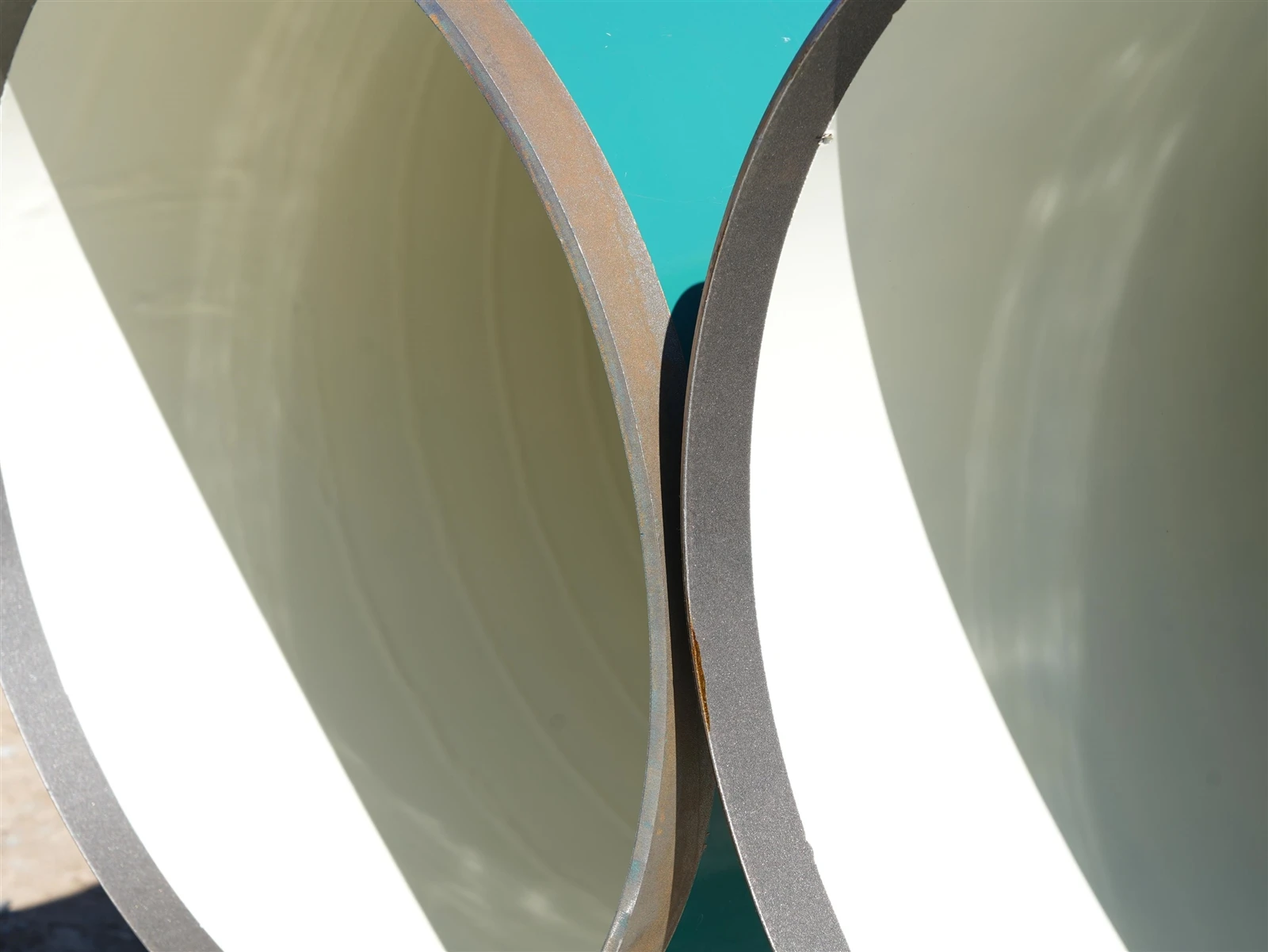
Mistake 2: Accepting Inadequate Steel Pipe Surface Preparation
Even a high-quality coating can fail if the steel pipe surface has not been prepared properly. Mill scale, rust, oil, dust, and other contaminants can interfere with coating adhesion. If surface preparation is inadequate, the coating may separate from the steel substrate, allowing moisture and corrosive substances to reach vulnerable areas.
Surface preparation may involve abrasive blasting or shot blasting, depending on the production process. The required cleanliness grade and surface profile should be defined by the applicable coating specification. Both matter: cleanliness addresses contaminants, while surface profile helps establish the mechanical conditions needed for coating adhesion.
Why Surface Preparation Must Be Verified
A surface that looks clean to the naked eye does not necessarily meet the required preparation standard. Manufacturers should establish suitable inspection procedures and verify the prepared surface before applying the coating.
For buried pipelines, poor adhesion can become particularly difficult to detect after installation. Localized coating damage or disbondment may remain hidden until further inspection or maintenance is needed. Confirming surface preparation before coating application is therefore an important preventive measure.

What Coating Defects Should Buyers Look for Before Ordering?
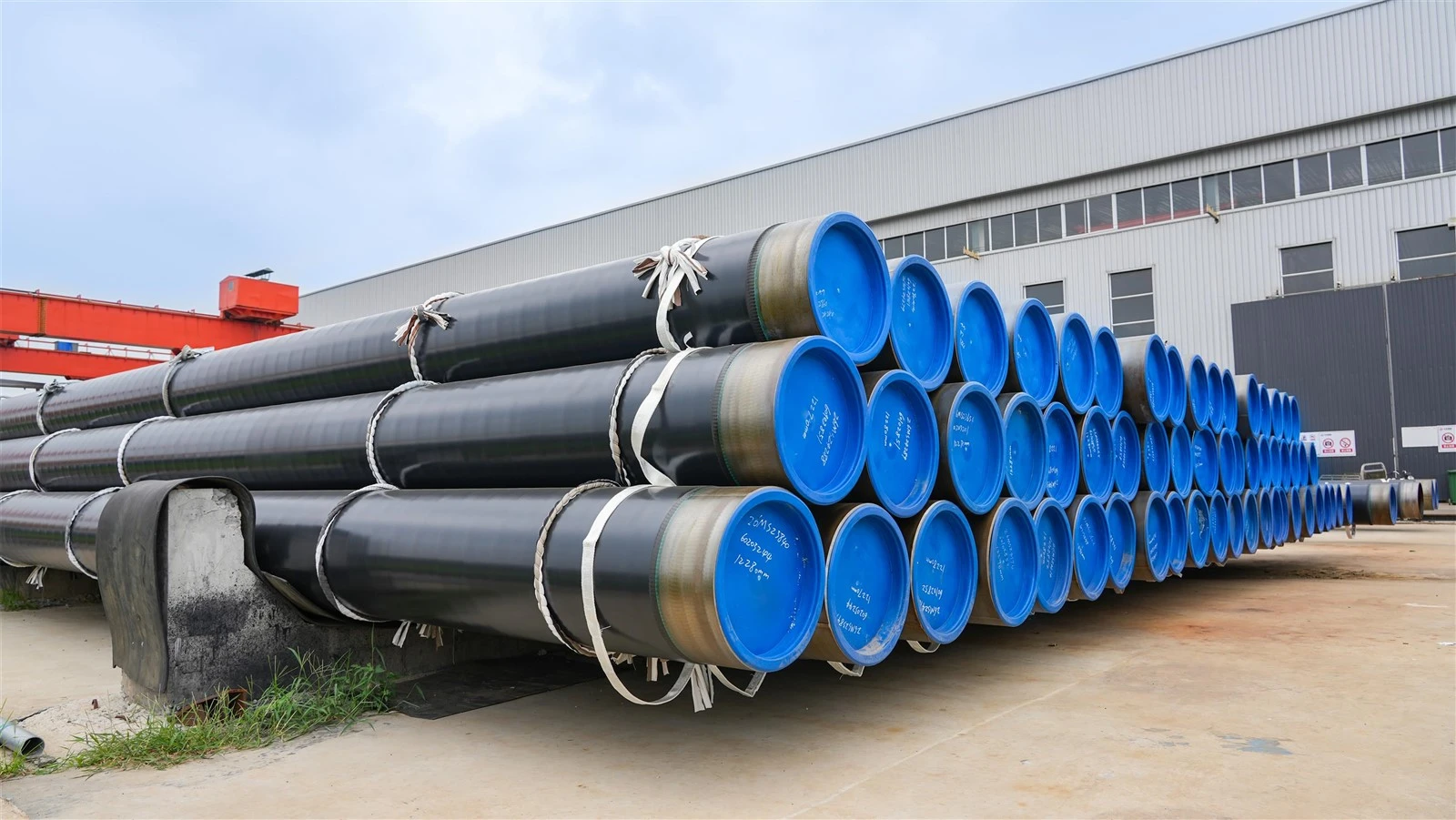
Coating quality involves more than the outer appearance of a finished pipe. Buyers should understand the specified coating structure, required thickness, application process, and inspection criteria before comparing suppliers. This is especially important for multilayer systems, where each layer performs a distinct function.
Mistake 3: Accepting Incomplete Coating Structures or Insufficient Thickness
A typical 3LPE system consists of a fusion-bonded epoxy layer, an adhesive layer, and an outer polyethylene layer. In a 3LPP system, polypropylene forms the outer layer. The layers work together to provide corrosion protection and mechanical protection, subject to the system design and applicable specification.
Removing a required layer, using unsuitable materials, or reducing coating thickness below the specified limits can compromise the system. Such defects may not be obvious from the outside, particularly when the finished coating appears smooth and uniform.
Buyers should therefore confirm that the coating structure and thickness meet the agreed requirements. The required values should come from the relevant standard, project specification, and approved coating system rather than a universal thickness assumption.
A Practical Comparison of Anti-Corrosion Pipe Inspection Points
The following table summarizes common purchasing risks and the checks that can help identify them.
| Inspection area | Potential risk | What buyers should verify |
|---|---|---|
| Raw coating materials | Inconsistent properties or unsuitable material selection | Material specifications, supplier records, and applicable test results |
| Surface preparation | Poor adhesion caused by contamination or inadequate blasting | Required cleanliness grade, surface profile, and inspection records |
| Coating structure | Missing or incorrectly applied layers | Approved coating system and layer configuration |
| Coating thickness | Insufficient protection or nonconformity with the specification | Measurement results and applicable acceptance limits |
| Coating continuity and adhesion | Holidays, damage, or separation from the substrate | Required coating inspection and test records |
| Pipe identification and documents | Mismatched markings, reports, or batch information | Consistent identification and traceable quality records |
How Should Coating Thickness and Integrity Be Checked?
Inspection methods should match the coating type and project requirements. Depending on the specification, checks may include coating thickness measurement, visual examination, holiday detection, and adhesion-related testing. These methods assess different aspects of the coating and should not be treated as interchangeable.
Holiday detection, for example, is used to identify discontinuities in a coating under specified test conditions. Thickness measurement determines whether the coating meets the required dimensional criteria. The applicable test method, sampling frequency, and acceptance limits should be agreed before production.
A reliable supplier should be able to explain the inspection plan and provide the records required by the contract. Buyers should also confirm how coating repairs, rejected sections, and reinspection are handled.
Why Are Product Markings and Quality Documents Essential?
Mistake 4: Overlooking Traceability and Document Consistency
A shipment may meet its physical requirements but still encounter acceptance delays if its quality documents are incomplete or inconsistent. During project inspection, the purchaser or third-party inspector may need to verify the product standard, steel grade, dimensions, coating specification, inspection results, and batch information.
If the pipe markings do not correspond to the relevant documents, confirming product identity and manufacturing history can become difficult. Repeated document corrections may delay material approval, site installation, or payment procedures.
At Huayang, pipe identification and outgoing documentation are managed to support batch traceability. Buyers should confirm in advance which documents will accompany the shipment, such as material test certificates, coating inspection records, dimensional inspection reports, and other records required by the purchase order.
Build Traceability into the Purchase Specification
Traceability works best when it is planned before manufacturing rather than requested after the pipes have been delivered. The purchase specification should identify the required marking information, documentation format, inspection records, and any third-party inspection arrangements.
For international projects, it is also useful to clarify the document language, certificate requirements, packaging marks, and submission schedule. These details help reduce discrepancies between the physical shipment and the records used for technical review and site acceptance.
How Can You Select a Reliable Anti-Corrosion Steel Pipe Manufacturer?
A reliable manufacturer should be evaluated on the complete process, not just its coating equipment or quoted price. Buyers can start by checking whether the supplier understands the project's operating environment and can recommend a coating system appropriate to the specified service conditions. Soil characteristics, moisture exposure, operating temperature, transported medium, installation method, and mechanical protection requirements may all influence coating selection.
The next step is to review the manufacturer's process controls and inspection capabilities. Ask how raw materials are verified, how surface preparation is assessed, how coating thickness and continuity are inspected, and how nonconforming products are managed. It is also important to establish whether the supplier can provide the required records and maintain traceability from production through shipment.
Huayang provides anti-corrosion processing options including FBE, 2FBE, 3LPE, and 3LPP external coatings, along with liquid epoxy drag-reducing and epoxy powder internal coatings within the applicable processing ranges. The appropriate option should be selected according to the pipe dimensions, service conditions, and project specification.
Conclusion
Avoiding common purchasing mistakes requires a systematic approach to anti-corrosion steel pipe quality. Buyers should look beyond price and appearance to evaluate raw material control, surface preparation, coating structure, thickness, inspection, and traceability. Each stage contributes to the performance of the finished product, and weaknesses in one stage may undermine the benefits of the others.
For engineering projects, the objective is not simply to purchase a coated steel pipe, but to obtain a product that conforms to the agreed specification and comes with verifiable quality records. By checking these details before ordering, buyers can make more informed comparisons, reduce avoidable procurement risks, and improve confidence in the materials supplied for long-term pipeline service.
Read More:
How Do Large-Diameter Hot-Expanded Steel Pipes Support Long-Distance Pipeline Projects?
What Should You Know About LSAW Steel Pipes For Large-Scale Pipeline Projects?


