


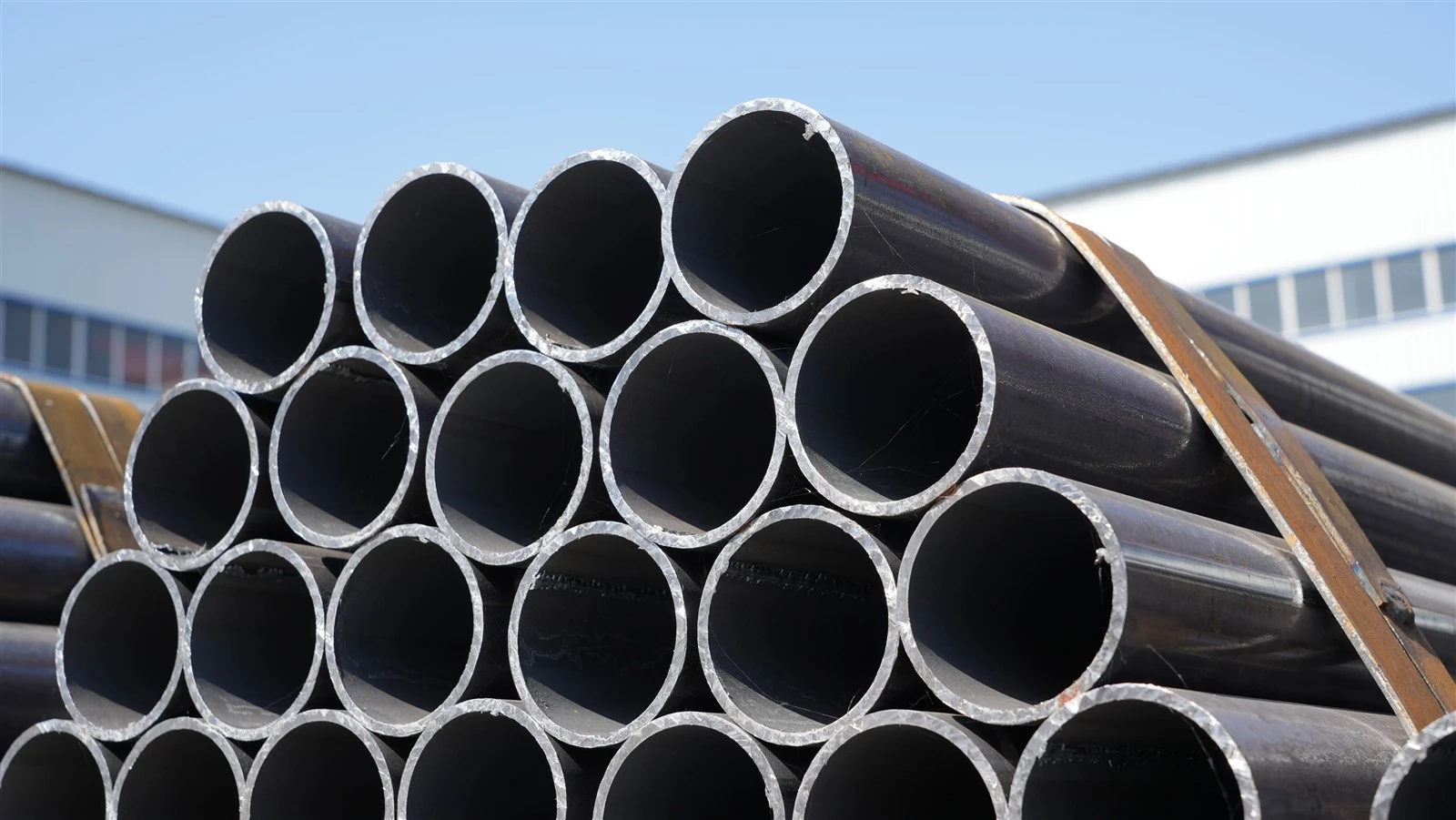
For many engineering projects, procurement involves more than purchasing steel pipes that meet the required specifications. Buyers may also need anti-corrosion coatings, cut-to-length services, pipe welding, flange welding, and prefabricated steel pipe piles. Coordinating these requirements across multiple suppliers can increase communication costs and complicate production scheduling. Hebei Huayang Steel Pipe Co., Ltd. combines steel pipe manufacturing, anti-corrosion treatment, and further processing to support a more integrated supply approach. With HFW steel pipes, LSAW steel pipes, and hot-expanded steel pipes covering an overall diameter range of 48–2800 mm, alongside services for different project requirements, Huayang helps customers coordinate pipe supply and related processing through one manufacturing partner.
Why Do Engineering Projects Need More Than a Steel Pipe Manufacturer?
A steel pipe is often only one component within a larger engineering system. Pipeline construction, structural engineering, piling works, and industrial facilities may require products with specific dimensions, material grades, coating systems, end preparations, and fabrication details. Even when the raw pipe meets the relevant standard, additional processing may still be necessary before it can be installed.
When these requirements are handled by separate suppliers, the buyer must coordinate technical documents, production schedules, transportation, inspections, and delivery arrangements across multiple parties. A delay in one processing stage can affect the entire project schedule. Differences in measurement methods or documentation practices may also create additional verification work when products move between suppliers.
An integrated steel pipe supplier can reduce some of these coordination challenges by connecting manufacturing and downstream services within a more unified workflow. This does not eliminate every project risk, but it gives procurement teams a clearer point of contact for specification review, processing arrangements, and delivery coordination.
Connecting Raw Pipe Supply with Project Requirements
The first step is selecting a pipe manufacturing process that matches the application. High-frequency welded pipe, longitudinal submerged arc welded pipe, and hot-expanded steel pipe serve different dimensional and technical requirements. Buyers need to consider the applicable standard, steel grade, outside diameter, wall thickness, length, and service conditions before confirming the product.
Huayang manufactures these three categories of steel pipe, with an overall product diameter range of 48–2800 mm. Products can be supplied according to applicable requirements under standards such as API, CE-related European requirements, GOST, and GB/T, depending on the product and certification scope. The correct standard and product specification should always be confirmed for each order.
Reducing Handoffs Between Manufacturing Stages
Once the base pipe has been produced, the project may require surface preparation, internal or external coating, cutting, welding, or other fabrication work. Coordinating these operations with the original pipe supply can help customers manage dimensional requirements, processing sequences, and delivery expectations more efficiently.
For international projects, fewer supplier handoffs can also simplify document collection and shipment planning. Buyers should still confirm which processes are performed in-house, which services are included in the quotation, and whether any specialist operations are subcontracted.
What Services Should an Integrated Steel Pipe Supplier Provide?
An effective integrated solution should connect the product itself with the processing and quality requirements that determine whether it is ready for its intended use. The exact service package depends on the project specification, pipe dimensions, operating environment, and fabrication requirements.
Steel Pipe Manufacturing, Anti-Corrosion Coating, and Deep Processing
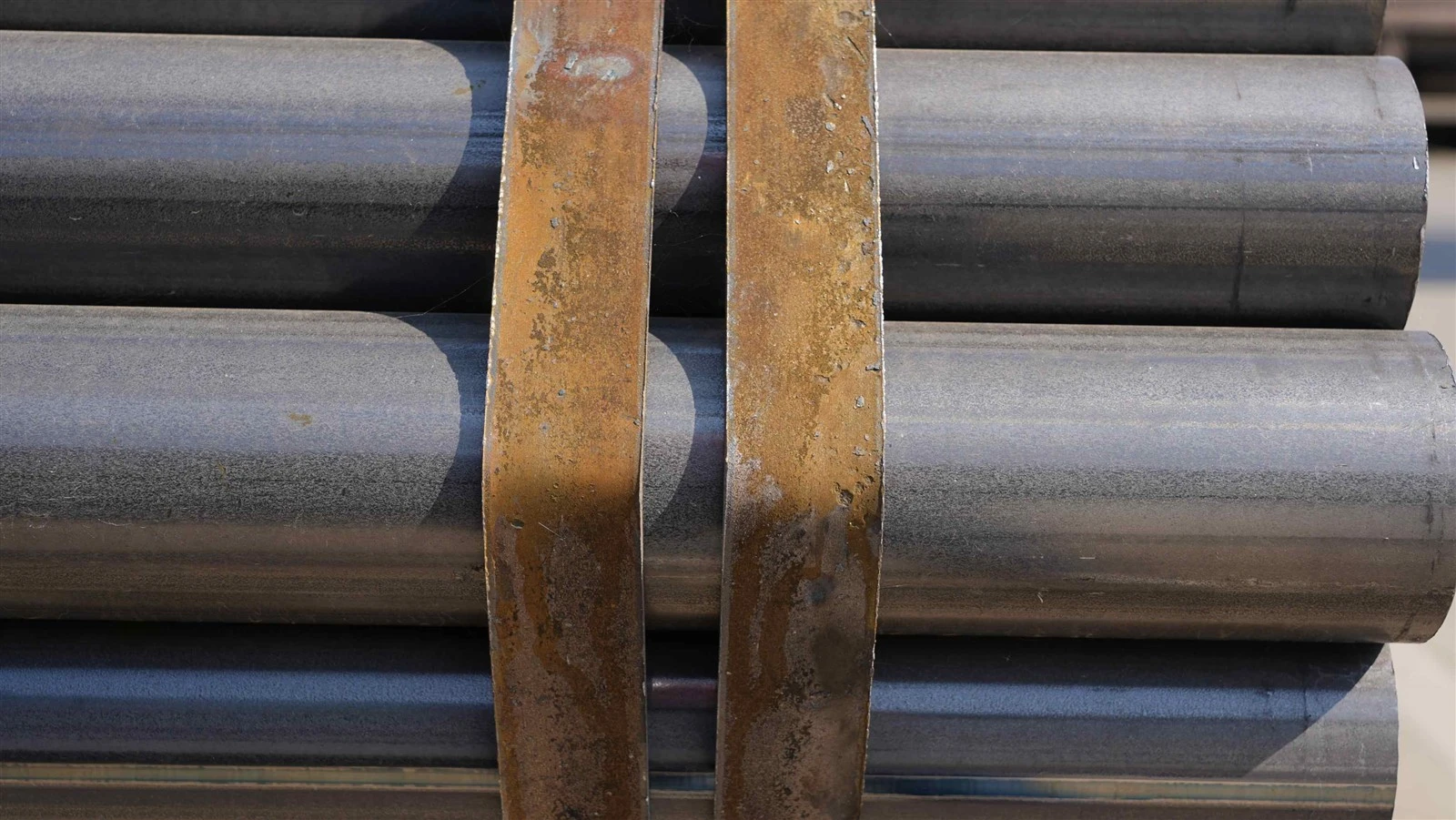
Huayang's manufacturing range includes HFW steel pipes, LSAW steel pipes, and hot-expanded steel pipes. These product categories provide options for different diameter ranges and applications, subject to the relevant manufacturing capabilities and specifications.
Anti-corrosion processing is another important part of the supply chain. External coating options include FBE, 2FBE, 3LPE, and 3LPP. For internal protection, Huayang offers liquid epoxy drag-reducing coatings and epoxy powder coatings within the applicable product and processing ranges. Coating selection should reflect the pipe's service environment, transported medium, temperature, installation conditions, and project requirements.
Further processing can help transform standard pipe products into components more closely aligned with construction needs. Depending on the order, services may include cut-to-length processing, pipe-to-pipe welding, flange welding, and prefabrication of steel pipe piles. These operations can reduce the amount of work required at the project site, provided that the fabrication details and acceptance criteria are agreed in advance.
Comparing Common Requirements for Project Pipe Supply
The following table outlines typical project needs and the services that may support them. Final availability depends on the product specification, dimensions, and order requirements.
| Project requirement | Relevant supply or processing service | Main procurement consideration |
|---|---|---|
| Basic pipe supply | HFW, LSAW, or hot-expanded steel pipe | Standard, grade, diameter, wall thickness, and length |
| External corrosion protection | FBE, 2FBE, 3LPE, or 3LPP coating | Soil, moisture, temperature, and installation conditions |
| Internal corrosion protection or flow improvement | Liquid epoxy drag-reducing coating or epoxy powder coating | Medium compatibility and required coating performance |
| Site-specific pipe dimensions | Cut-to-length processing | Cutting tolerances, end condition, and length schedule |
| Fabricated pipe assemblies | Pipe welding and flange welding | Drawings, welding procedures, inspection, and acceptance criteria |
| Piling and foundation works | Prefabricated steel pipe piles | Dimensions, pile configuration, joint details, and project design |
Confirm the Scope Before Production Begins
A clear quotation should distinguish between base pipe supply and additional processing. For example, buyers should confirm whether coating, cutting, welding, inspection, packaging, marking, and export documentation are included in the quoted scope.
This is particularly important when comparing offers from different manufacturers. A lower raw-pipe price may not represent a lower total procurement cost if coating, fabrication, transportation, or inspection must be arranged separately. Comparing suppliers on the same technical and commercial basis gives procurement teams a more reliable assessment of overall value.
How Does Integrated Quality Control Support Project Delivery?
Integrating manufacturing and processing is most useful when quality requirements remain clear throughout the workflow. Each stage introduces different risks: pipe production concerns dimensions and material properties, coating operations require suitable surface preparation and application control, and fabrication introduces additional dimensional and welding requirements.
Quality Checks from Pipe Production to Finished Components
Inspection should be matched to the applicable standard and purchase specification. Depending on the order, this may involve dimensional measurements, visual examination, wall thickness checks, mechanical testing, non-destructive testing, hydrostatic testing, or coating inspection. Not every product requires every test, so the inspection plan should be established according to the relevant technical requirements.
For coated pipes, surface preparation and coating application are important factors in long-term corrosion protection. For fabricated products, cut lengths, joint alignment, flange positioning, weld quality, and dimensional conformity may also require verification. Maintaining traceable records across these stages helps buyers confirm that the finished products meet the agreed requirements.
Coordinating Delivery Around the Project Schedule
An integrated supplier can coordinate production and processing schedules more directly than a supply chain involving several independent vendors, although actual lead times still depend on order quantity, specification complexity, production capacity, coating requirements, and inspection arrangements.
For overseas projects, delivery planning should also account for packaging, loading, transportation, export documentation, and any customer-specific marking requirements. Buyers can improve schedule reliability by submitting complete drawings and specifications early, confirming inspection requirements before production, and agreeing on realistic milestones with the supplier.
How Can Buyers Evaluate an Integrated Steel Pipe Partner?
A supplier's product range is only one part of the evaluation. Buyers should also examine whether the manufacturer can support the required pipe dimensions, applicable standards, coating systems, and fabrication operations. It is useful to request relevant quality documentation, clarify inspection responsibilities, and confirm how changes to specifications will be managed.
Commercial coordination matters as well. A detailed quotation should identify the product scope, processing services, delivery terms, packaging, documentation, and any exclusions. Clear responsibilities help avoid misunderstandings after an order has entered production.
For projects with multiple pipe types or processing requirements, buyers should provide a consolidated specification list wherever possible. This allows the supplier to assess the full scope rather than quoting individual products without considering how they fit into the wider project.
Huayang Steel Pipe: One Partner for Pipe Supply and Processing
Hebei Huayang Steel Pipe Co., Ltd. provides steel pipe manufacturing, anti-corrosion processing, and deep processing services for engineering and industrial applications. By connecting these capabilities, Huayang supports customers who need more than standard pipe products and prefer a coordinated approach to sourcing and preparation.
Whether a project requires HFW or LSAW steel pipes, hot-expanded pipes, internal or external coatings, cut-to-length products, welded components, or prefabricated steel pipe piles, the starting point is a clear technical specification. Product selection and processing arrangements can then be reviewed against the actual application, applicable standards, and delivery requirements.
Planning a pipeline, structural, piling, or industrial project? Contact Huayang Steel Pipe with your pipe specifications, drawings, coating requirements, and processing needs. The team can review your requirements and discuss a coordinated supply solution for your project.
An integrated steel pipe supply strategy can help simplify procurement by connecting pipe manufacturing, protective coatings, fabrication, quality verification, and delivery planning. For engineering buyers, the objective is not simply to purchase a compliant pipe, but to receive products and processing services that fit the project's technical requirements and installation schedule.


