


High-frequency welded steel pipes are commonly associated with bridges, pipeline networks, and industrial buildings, but their applications extend far beyond large-scale engineering. In automotive manufacturing, HFW steel pipes can serve as important base materials for components such as bumper beams, exhaust system sections, and body structural reinforcements, depending on the vehicle design and material specifications. These applications require more than basic strength. Dimensional accuracy, wall thickness consistency, weld quality, and forming performance all influence how a pipe performs during fabrication and in service. From automotive components to fitness equipment and appliance structures, high-frequency welded steel pipes support a wide range of products used in everyday life.
Why Are HFW Steel Pipes Suitable for Automotive Components?
Automotive components must meet specific requirements for strength, dimensional consistency, manufacturability, and durability. Depending on their position and function, they may also need to withstand vibration, repeated loading, temperature changes, or exposure to moisture and road contaminants. The material selected for each component must therefore match its intended service conditions.
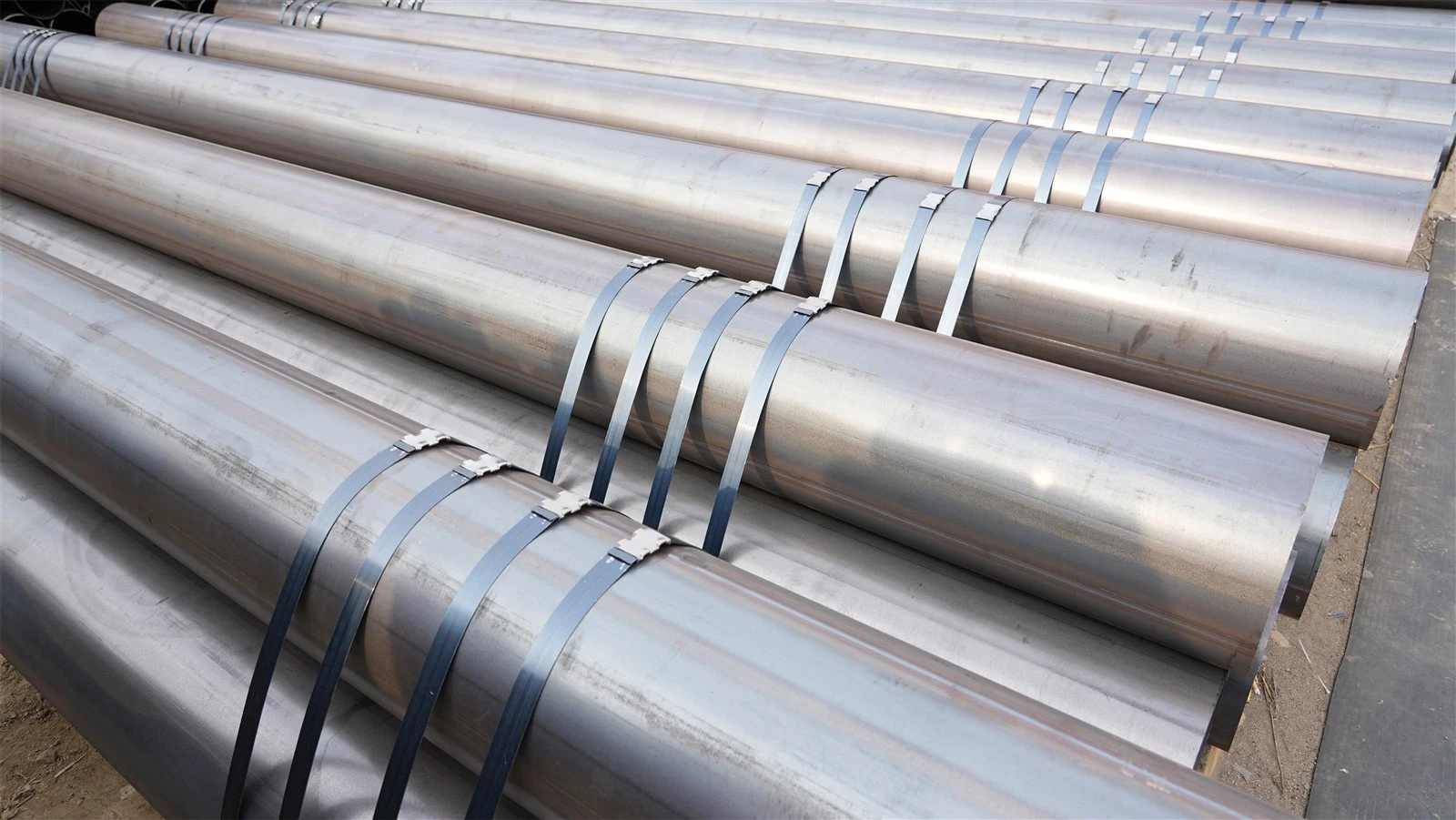
High-frequency welded steel pipes are manufactured by continuously forming steel strip into a tubular shape and joining the longitudinal seam using high-frequency electrical energy. The process supports continuous production and can provide consistent product dimensions when forming, welding, and sizing parameters are properly controlled.
For automotive suppliers, these characteristics make HFW steel pipes worth considering for tubular components and structural applications where the specified geometry and mechanical properties can be achieved.
Dimensional Accuracy Supports Efficient Component Manufacturing
Automotive production often involves automated cutting, bending, stamping, welding, and assembly. Variations in pipe outside diameter, wall thickness, or roundness can affect how reliably a component fits into a fixture or connects with other parts.
A pipe with consistent dimensions can help reduce adjustment during fabrication and improve assembly repeatability. Wall thickness consistency is also important because it influences local stiffness, material distribution, and forming behavior. Actual dimensional tolerances must comply with the applicable product specification and the requirements of the component manufacturer.
For smaller tubular components, these factors can become particularly important when parts must fit into compact spaces or be processed in high-volume production lines.
Weld Quality and Forming Performance Matter
Automotive steel components may undergo bending, expanding, flaring, flattening, or other forming operations after the pipe has been produced. The suitability of an HFW pipe for these processes depends on its steel grade, wall thickness, weld quality, manufacturing condition, and the severity of the intended deformation.
A stable longitudinal weld is essential, but weld quality alone does not determine whether a pipe is suitable for forming. The base material and weld zone must both meet the requirements of the application. Appropriate testing and validation help confirm that the pipe can withstand the intended manufacturing process.
For this reason, automotive buyers should specify not only the required dimensions and steel grade but also any relevant forming requirements, mechanical properties, and testing criteria.
Which Automotive Parts Can Use High-Frequency Welded Steel Pipes?
HFW steel pipes can be used in different automotive-related applications, but the final choice depends on component design, vehicle requirements, and applicable industry specifications. The following examples illustrate where tubular steel products may be considered.
Common Applications in Vehicle Manufacturing
In bumper systems, tubular steel sections may be used in designs that require a balance of structural performance, dimensional control, and manufacturability. The exact material and cross-sectional geometry depend on the vehicle platform and the component's crash-performance requirements. A pipe should never be assumed suitable for a safety-critical component without the necessary design validation and testing.
Exhaust systems are another potential application. Certain exhaust components use tubular steel products that must withstand elevated temperatures, vibration, and exposure to exhaust gases and environmental conditions. Material selection must account for the operating temperature and corrosion requirements, which may call for specific steel grades or additional protective measures.
Tubular steel sections may also be considered for selected body reinforcements and structural assemblies. In these applications, the component geometry, strength requirements, joining method, and energy-management behavior must be evaluated together. Not every body reinforcement or bumper beam is manufactured from HFW steel pipe, but tubular products can be an option where the engineering design supports their use.

Comparing Application Requirements
Different automotive components place different demands on the steel pipe. A product suitable for a general structural bracket may not meet the requirements for an exhaust component or a safety-related structure.
| Application | Key performance considerations | Important purchasing requirements |
|---|---|---|
| Bumper system components | Structural performance, dimensional accuracy, and forming behavior | Steel grade, geometry, mechanical properties, and component validation |
| Exhaust system sections | Temperature resistance, corrosion resistance, and vibration performance | Material suitability, operating conditions, and service-life requirements |
| Body structural reinforcements | Strength, weldability, and consistency during fabrication | Design specification, dimensions, joining requirements, and testing |
| Seat or chassis-related tubular parts | Load capacity, fatigue performance, and dimensional stability | Application-specific grade, tolerances, and validation requirements |
| Automotive brackets and supports | Formability, fit-up, and manufacturing repeatability | Wall thickness, outside diameter, cut length, and fabrication process |
Why Application-Specific Specifications Are Essential
Automotive components are developed against defined engineering requirements. Buyers should communicate the intended use, drawings, steel grade, dimensions, forming operations, and any special inspection requirements before selecting a pipe supplier.
Where a component is safety-critical or subject to automotive qualification procedures, the manufacturer and component designer must confirm that the material and manufacturing process meet the applicable requirements. General steel pipe compliance does not automatically establish suitability for a particular vehicle component.
How Does HFW Steel Pipe Support Lightweight and Efficient Design?
Vehicle manufacturers continually evaluate ways to manage vehicle weight while maintaining the required structural performance, durability, and safety. Tubular steel sections can contribute to this process because their cross-sectional geometry can provide useful structural properties with material distributed around a hollow section.
However, lightweight design is not simply a matter of replacing a solid component with a hollow pipe. The designer must consider the required load paths, wall thickness, cross-sectional shape, material strength, joining details, and behavior under impact or repeated loading.
The Role of Hollow Sections in Structural Design
A hollow section can offer an efficient relationship between material use and structural performance in suitable applications. Depending on the design, it may help reduce unnecessary material while providing the required stiffness or load-carrying capability.
HFW manufacturing can produce tubular sections in a range of dimensions, making the process relevant to applications that require repeatable geometry. The final benefit depends on component engineering and must be confirmed through calculations, testing, and validation rather than assumed from the pipe manufacturing method alone.
Consistency Can Improve Production Efficiency
In high-volume manufacturing, small variations can accumulate across large production quantities. Consistent outside diameter, wall thickness, straightness, and cut length can help improve automated handling, positioning, and assembly.
Reliable material supply also matters. If the pipe specification and quality requirements are clearly defined, manufacturers and component suppliers can align production processes, inspection plans, and acceptance criteria more effectively. This can help limit unnecessary rework and support a more predictable manufacturing workflow.
Where Else Are HFW Steel Pipes Used Beyond Automotive Manufacturing?
The same manufacturing characteristics that make HFW steel pipes useful for selected automotive components can also be relevant to other consumer and industrial products.
Fitness equipment is one example. Tubular steel sections may be used in exercise machine frames, support structures, and equipment bases. These products require suitable load capacity, stable dimensions, and reliable welded joints, particularly when subjected to repeated use.
Household appliances may incorporate tubular steel parts in frames, supports, or internal structures, depending on the product design. Industrial equipment manufacturers may also use tubular sections in machine frames, support assemblies, and other fabricated components where dimensional consistency and efficient processing are important.
In these applications, the material specification should reflect the actual working environment and loading conditions. A general-purpose structural pipe may be suitable for some products, while others require specific mechanical properties, surface treatments, or more demanding inspection.
What Should Buyers Look for in an HFW Steel Pipe Manufacturer?
When sourcing HFW steel pipes for automotive or other precision-related applications, buyers should evaluate more than production capacity and price. Dimensional control, weld inspection, material traceability, and the ability to meet the required specification are important factors.
Start by confirming the outside diameter, wall thickness, length, steel grade, applicable standard, and quantity. If the pipe will undergo bending, expanding, flaring, or other forming operations, provide these requirements during the quotation stage. This allows the supplier to assess whether the requested product is suitable for the intended process.
Buyers should also clarify the inspection documentation required for acceptance. Depending on the specification, this may include dimensional records, material test certificates, mechanical test results, and applicable weld inspection records. For automotive supply chains, additional customer-specific qualification and approval procedures may apply.
Hebei Huayang Steel Pipe Co., Ltd. manufactures HFW steel pipes alongside LSAW and hot-expanded steel pipes. Its HFW product range covers outside diameters from 48 to 660.4 mm, with wall thicknesses from 2.0 to 22 mm and lengths from 6 to 27 m, subject to product and order requirements. This range provides options for customers evaluating tubular steel products for structural and industrial applications.
HFW steel pipes are not limited to major infrastructure projects. When the material, dimensions, weld quality, and manufacturing process are matched to the application, they can also serve as useful base materials for selected automotive components and everyday structural products. For buyers, the key is to choose a specification that meets the actual engineering requirements and work with a manufacturer capable of supplying consistent, traceable products.
Read More:
How Do Large-Diameter Hot-Expanded Steel Pipes Support Long-Distance Pipeline Projects?
How Does The LSAW Steel Pipe Manufacturing Process Guarantee Quality For Your Project?


