
Buyers can reduce uncertainty in steel pipe procurement by establishing clear technical requirements, confirming inspection procedures, controlling document revisions, and tracking production milestones before manufacturing begins. In international steel pipe projects, uncertainty rarely comes from one issue alone. It often develops when drawings, purchase specifications, inspection requirements, and delivery arrangements are not fully aligned. A structured order management process helps prevent misunderstandings and gives both buyers and manufacturers a clear reference throughout production.
Why Is a Confirmed Technical Agreement Essential for Steel Pipe Orders?
A confirmed technical agreement is essential because it defines exactly what the manufacturer is expected to produce and what the buyer is expected to accept. A purchase order may identify the product, quantity, and price, but it does not always contain enough technical detail to guide manufacturing.
For steel pipe orders, the technical agreement should establish the applicable standard, steel grade, outside diameter, wall thickness, length, dimensional tolerances, pipe-end preparation, surface condition, inspection requirements, and delivery documentation. Any project-specific requirements should also be recorded rather than left to verbal communication.
Which Technical Details Must Be Fixed Before Production?
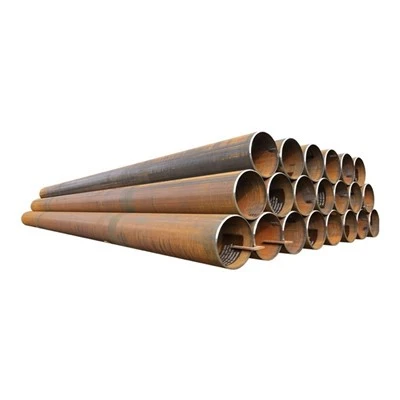
The required details depend on the pipe type and its intended application. For example, HFW steel pipes may cover outside diameters from 48 mm to 660.4 mm, wall thicknesses from 2.0 mm to 22 mm, and lengths from 6 m to 27 m. LSAW steel pipes may cover diameters from 406.4 mm to 2,800 mm, wall thicknesses from 7 mm to 50 mm, and lengths from 6 m to 12.5 m.
These manufacturing ranges do not mean that every diameter can be combined with every wall thickness or steel grade. The specific combination must be checked against equipment capacity, forming processes, material availability, and applicable standards before the order is released.
How Should Drawing Revisions Be Managed?
Drawing control is an important part of technical confirmation. Each approved drawing should have a revision number, issue date, and clear approval status. When a buyer requests a change, the manufacturer should evaluate its impact on material procurement, production arrangements, inspection procedures, and delivery time.
Only the latest approved revision should be used for manufacturing. Previous versions should be clearly identified as superseded to prevent workshop personnel or inspectors from referring to outdated dimensions or requirements. This is particularly important for orders involving multiple pipe sizes, special end preparations, or fabricated components.
How Does a Pre-Production Inspection Plan Improve Project Control?
A pre-production inspection plan improves project control by defining what needs to be inspected, when inspection will take place, and which acceptance criteria will apply. Without this agreement, buyers and manufacturers may have different expectations about testing scope, inspection frequency, and required documentation.
What Should Be Included in an Inspection and Test Plan?
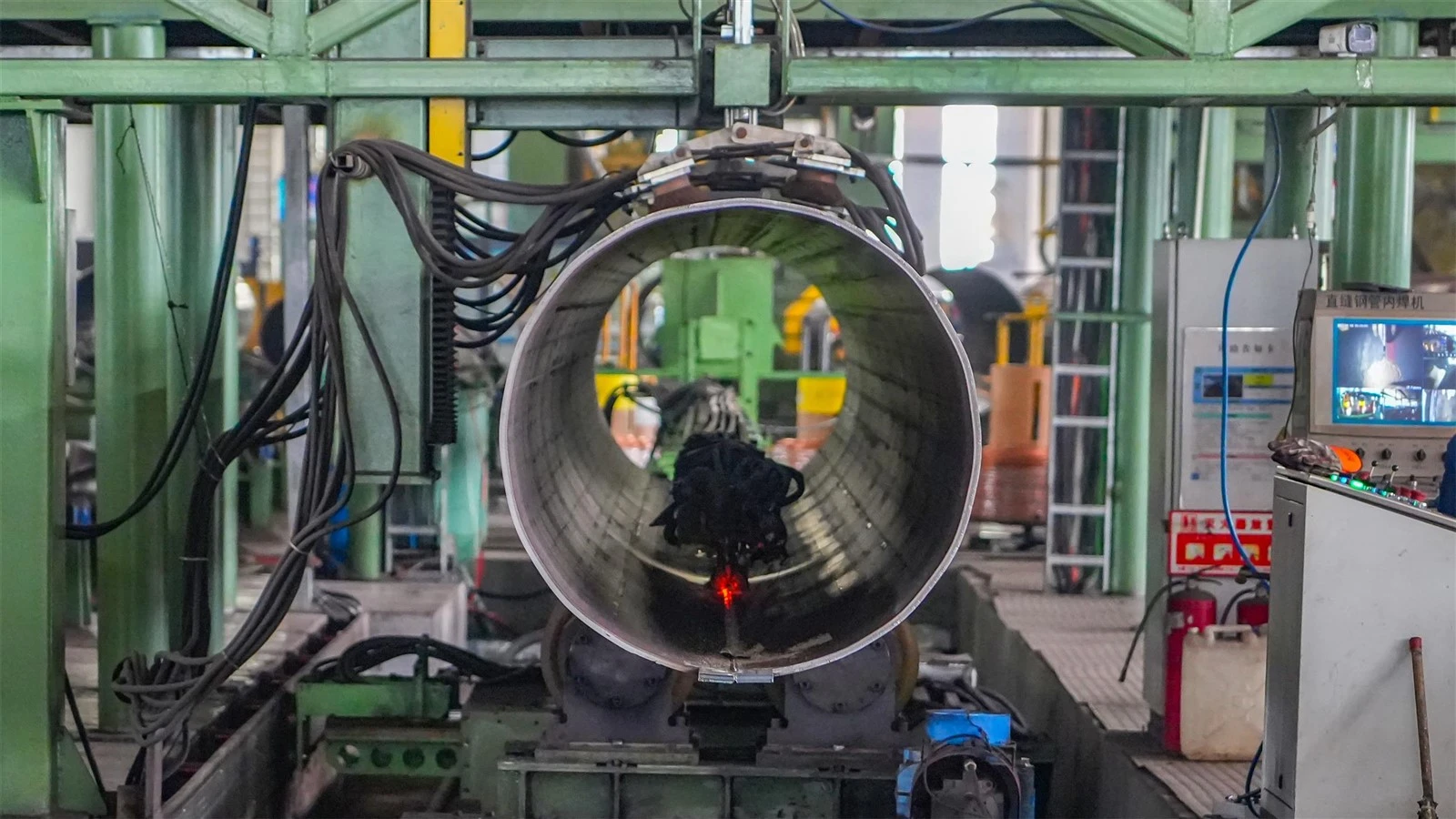
An Inspection and Test Plan (ITP) should identify the relevant manufacturing stages, inspection methods, acceptance criteria, sampling requirements, and responsibilities of the parties involved. Depending on the product and contract, it may cover raw material verification, welding inspection, dimensional checks, non-destructive testing, hydrostatic testing, coating inspection, and final examination.
The inspection scope must be based on the applicable product standard and project specification. For example, API 5L requirements may vary according to product specification level, grade, and purchase requirements. Impact testing may be necessary for specified low-temperature applications, while coating inspection may be required for pipes supplied with external or internal protective systems.
How Are Inspection Responsibilities Defined?
Inspection responsibilities should be agreed upon before production. Some activities are performed by the manufacturer's quality department, while others may require buyer review, third-party inspection, or witness attendance.
The following table illustrates how inspection planning can be organized for a typical steel pipe order.
| Inspection stage | Typical verification activity | Key points to confirm |
|---|---|---|
| Raw material | Material certificate and identification review | Steel grade, heat number, chemical and mechanical properties |
| Forming and welding | Process monitoring and weld inspection | Applicable procedure, inspection method, acceptance criteria |
| Dimensional inspection | Diameter, wall thickness, length, straightness | Tolerances, measurement locations, sampling frequency |
| Non-destructive testing | UT or RT, where specified | Inspection coverage, reporting format, acceptance limits |
| Hydrostatic testing | Pressure and holding-time verification | Test pressure, duration, test records |
| Final inspection | Visual examination, marking, and document review | Final acceptance requirements and release status |
A clear ITP also helps coordinate inspection schedules. If a third-party inspector must witness a specific operation, the required notification period should be agreed upon in advance. This reduces the risk of production interruptions caused by unclear inspection arrangements.
What Happens When Inspection Requirements Change?
Changes to inspection requirements after production starts can affect scheduling, testing arrangements, and cost. For example, adding a new NDT requirement or changing the sampling frequency may require additional equipment time or third-party coordination.
Any proposed revision should therefore be reviewed against the original agreement. The updated inspection plan should identify the revised requirements and approval status so that production and quality personnel work from the same document.
How Can Production Milestones Make Delivery More Predictable?
Production milestones make delivery more predictable by showing the expected sequence of activities and providing measurable points for progress review. A single estimated shipment date does not explain whether raw materials have been prepared, pipe forming has started, inspection is complete, or coating is still in progress.
A practical schedule should divide the order into stages such as raw material preparation, pipe forming, welding, inspection, finishing, final acceptance, and shipment. The exact sequence depends on the manufacturing process. HFW and LSAW pipes, for example, follow different forming and welding routes, while hot expansion, anti-corrosion coating, and additional fabrication introduce their own processing stages.
For large orders containing several sizes or product categories, tracking progress by production batch is more informative than reporting one overall completion percentage. Buyers can then identify which items are completed, which are under inspection, and which remain in production.
Regular progress reports should contain verifiable information, such as completed quantities, current production stages, inspection results, outstanding issues, and expected completion dates. If a milestone is delayed, the responsible parties should communicate the cause and the proposed recovery schedule. Any revised delivery commitment should be confirmed rather than assumed.
Why Must Quality Documents Match the Project Requirements?
Quality documents must match the project requirements because they provide the evidence needed for product acceptance, traceability, and future technical review. Even when the pipes have passed the required inspections, incomplete or inconsistent documentation can delay shipment approval or acceptance at the project site.
The document package may include material test certificates, chemical analysis results, mechanical test reports, NDT records, hydrostatic test reports, dimensional inspection reports, coating inspection records, and final inspection documents. The exact list depends on the purchase order, product standard, and project requirements.
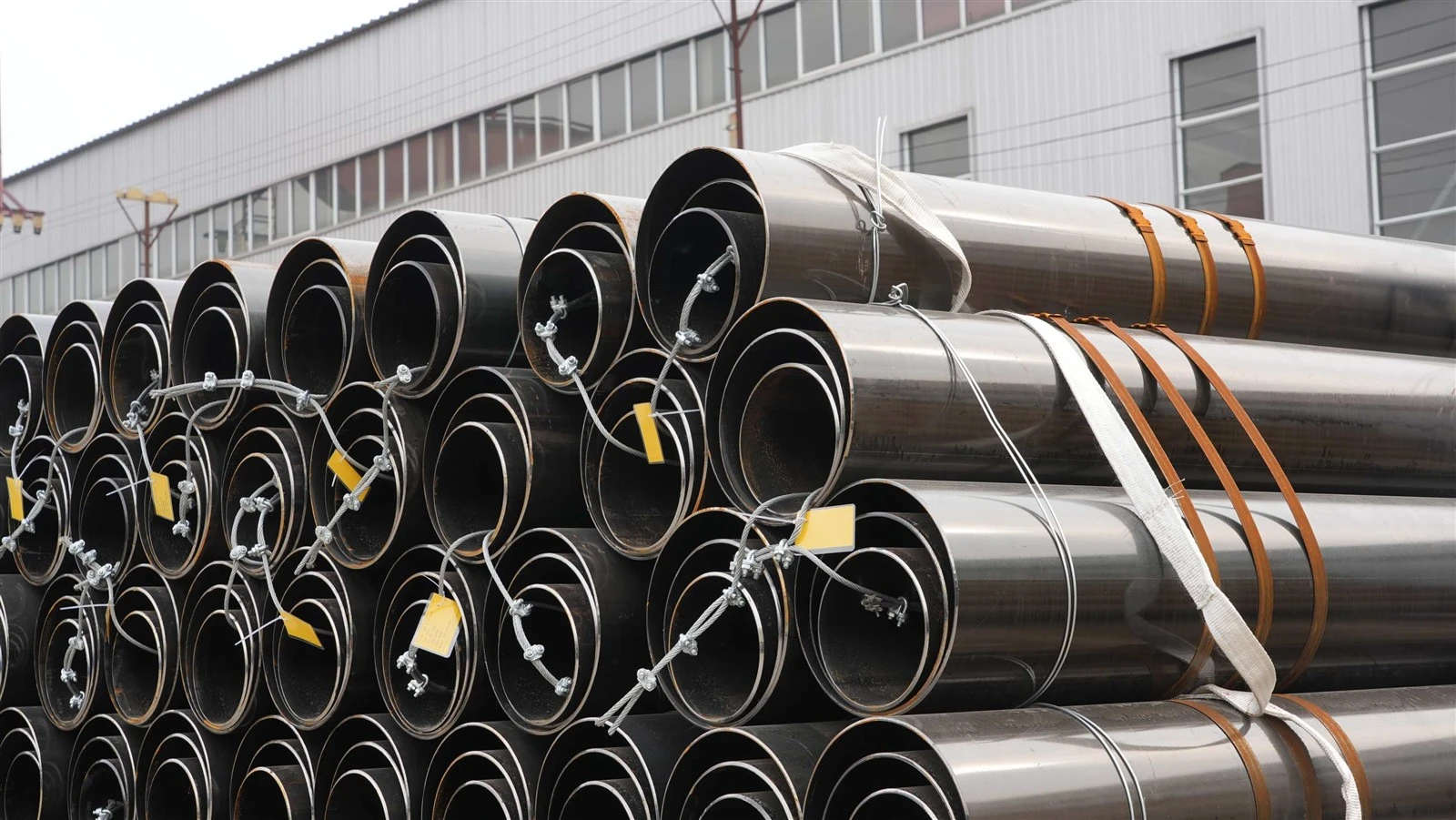
Traceability is equally important. Heat numbers, pipe identification numbers, production batches, and test records should be linked wherever required. This allows the buyer to identify which material and inspection results correspond to a particular pipe or batch.
For example, an order under API 5L, ISO 3183 PSL2, ASTM A252, EN 10219, or GOST 20295 may require different technical records depending on the product and contract. Buyers should not assume that a standard certificate automatically covers every additional project requirement.
A document register can help both parties manage the submission process. It should list the required document, responsible department, submission timing, revision status, and approval requirements. This makes missing documents easier to identify before final inspection and shipment.
How Can Buyers Verify That the Agreed Requirements Are Being Followed?
Buyers can verify compliance through document reviews, scheduled inspections, factory audits, and live production or inspection tours. These methods provide direct evidence that the manufacturing activities are consistent with the approved technical agreement and inspection plan.
During an on-site inspection, buyers can review the relevant production line, check material identification, observe inspection activities, and examine records associated with the order. A live video tour can also help overseas buyers review workshop operations when travel is not practical. However, a video tour should not replace mandatory third-party inspection or contractual witness points.
The scope of verification should be specific. Buyers can request to see the production process relevant to their order, the inspection equipment used, the identification of finished pipes, and the records that support product traceability. This is more effective than relying on general factory images or promotional footage.
Before confirming an order, buyers should provide the manufacturer with the final technical specification, approved drawings, ITP, document list, and target delivery schedule. These documents allow the production and quality teams to review requirements together and identify potential conflicts before work begins.
Certainty in steel pipe procurement is built through consistent execution rather than a single delivery promise. Clear specifications, controlled revisions, agreed inspection procedures, traceable records, and visible production milestones provide a practical framework for reducing project uncertainty. For buyers sourcing HFW, LSAW, hot-expanded, or anti-corrosion steel pipes, manufacturers such as Hebei Huayang Steel Pipe Co., Ltd. can review project-specific requirements and discuss technical agreements, inspection arrangements, and production coordination before manufacturing starts.
Read More
How Are Double-Sided LSAW Steel Pipes Selected For Large Infrastructure Projects?
How Can Buyers Achieve Greater Certainty in Steel Pipe Procurement?