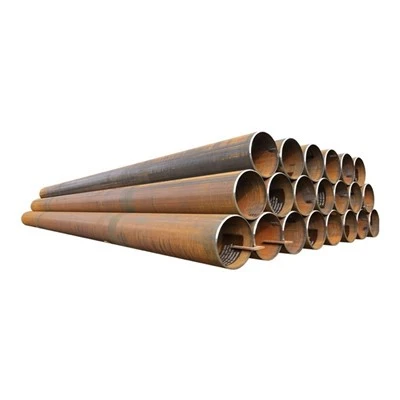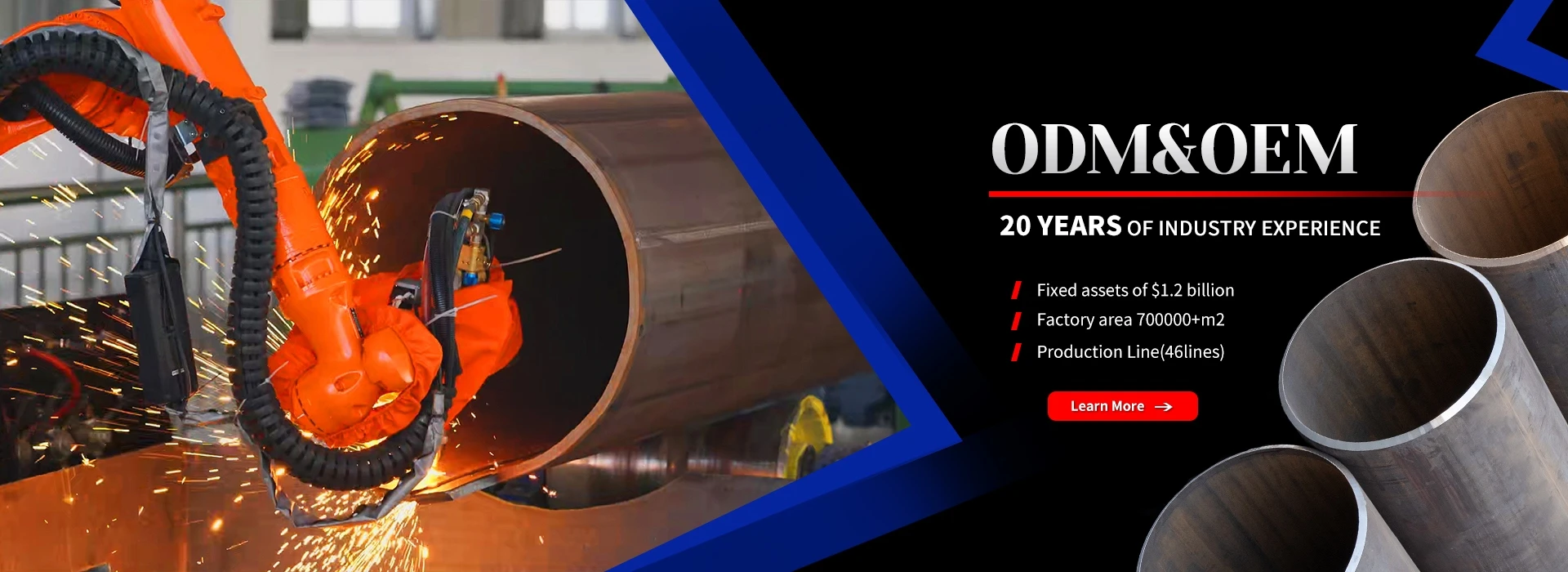

HFW steel pipe suppliers help keep construction projects on schedule by coordinating production capacity, specification availability, and delivery arrangements with the project's procurement plan. For projects involving multiple construction sections or installation stages, the ability to supply the required pipe sizes in planned batches can be just as important as the product price. Delayed materials may interrupt site operations, affect subcontractor schedules, and push back critical project milestones.
High-frequency welded (HFW) steel pipes are widely used in municipal infrastructure, steel structure fabrication, machinery manufacturing, and automotive component production. These applications often involve different pipe diameters, wall thicknesses, material grades, and delivery dates. Selecting a supplier therefore requires evaluating not only whether the pipes meet technical requirements, but also whether production and logistics can support the project's schedule.
Why Does Steel Pipe Delivery Have Such a Direct Impact on Project Schedules?
Steel pipe delivery directly affects project progress because pipes are often required at specific stages of construction and fabrication. If materials arrive late, downstream activities such as installation, welding, structural assembly, and equipment production may have to wait.
In projects with multiple construction sections, procurement schedules can be particularly complex. Municipal pipeline renovation, for example, may involve several work areas operating simultaneously. Steel structure projects may require pipes to arrive according to fabrication and assembly sequences. Automotive component manufacturers also depend on regular material supply to maintain production continuity.
The Risks of Delayed Pipe Supply
A delayed shipment does not necessarily affect only one activity. When materials are unavailable, installation teams may need to reschedule work, equipment and labor may remain idle, and subsequent deliveries may need to be rearranged. If several project stages depend on the same material supply, a delay in one batch can influence the overall schedule.
The risk is higher when procurement relies on non-standard specifications or large quantities that cannot be supplied immediately from existing inventory. Production planning, raw material preparation, manufacturing capacity, inspection, and transportation all need to be considered before a delivery commitment is made.
Why Batch Delivery Matters for Multi-Stage Projects
For many engineering projects, receiving the entire order at once is not always the most efficient arrangement. Different sections may require materials at different times, while storage space at construction sites can be limited.
A planned batch delivery schedule allows procurement teams to align incoming materials with installation progress. It can also reduce on-site storage pressure and make it easier to organize material identification, inspection, and allocation across different work areas.
What Should Buyers Evaluate When Choosing an HFW Steel Pipe Supplier?
Buyers should evaluate a supplier's production capacity, specification range, quality control system, and ability to organize deliveries according to the purchase schedule. A supplier may offer a competitive unit price, but that alone does not establish whether the order can be completed within the required timeframe.
Production Capacity and Specification Availability
HFW steel pipe manufacturing uses continuous forming and high-frequency welding. Production lines are configured for particular diameter and wall thickness ranges, so the number of production lines alone does not determine whether a supplier can manufacture every requested specification.
A suitable production plan needs to consider the required pipe dimensions, steel grade, raw material availability, line configuration, and order quantity. If an order contains several diameters or wall thicknesses, the production sequence should also account for equipment changes and manufacturing efficiency.
For example, HFW steel pipes with outside diameters from 48 mm to 660.4 mm, wall thicknesses from 2.0 mm to 22 mm, and lengths from 6 m to 27 m cover a broad range of industrial requirements. However, not every diameter and wall thickness combination is necessarily available on every production line.
Coordinating Production, Inspection, and Delivery
Production completion is only one part of the delivery schedule. Finished pipes may still require dimensional inspection, weld examination, mechanical testing, hydrostatic testing, marking, bundling, and loading arrangements, depending on the order specification.
The following table illustrates how different procurement factors can affect delivery planning.
| Procurement Factor | Potential Schedule Impact | What Buyers Should Confirm |
|---|---|---|
| Raw material availability | May delay production start | Material grade, quantity, and procurement lead time |
| Pipe specifications | May require specific production line arrangements | Diameter, wall thickness, length, and available combinations |
| Order quantity | Influences production duration and batch planning | Total tonnage and required batch sizes |
| Inspection requirements | Adds time after manufacturing | Testing scope, inspection frequency, and acceptance criteria |
| Delivery arrangement | Affects when materials reach each work area | Delivery dates, transport capacity, and unloading conditions |
Clear communication of these requirements before order confirmation helps reduce uncertainty. Buyers should provide a realistic delivery schedule and identify which specifications are needed first, rather than treating the entire order as a single undifferentiated quantity.
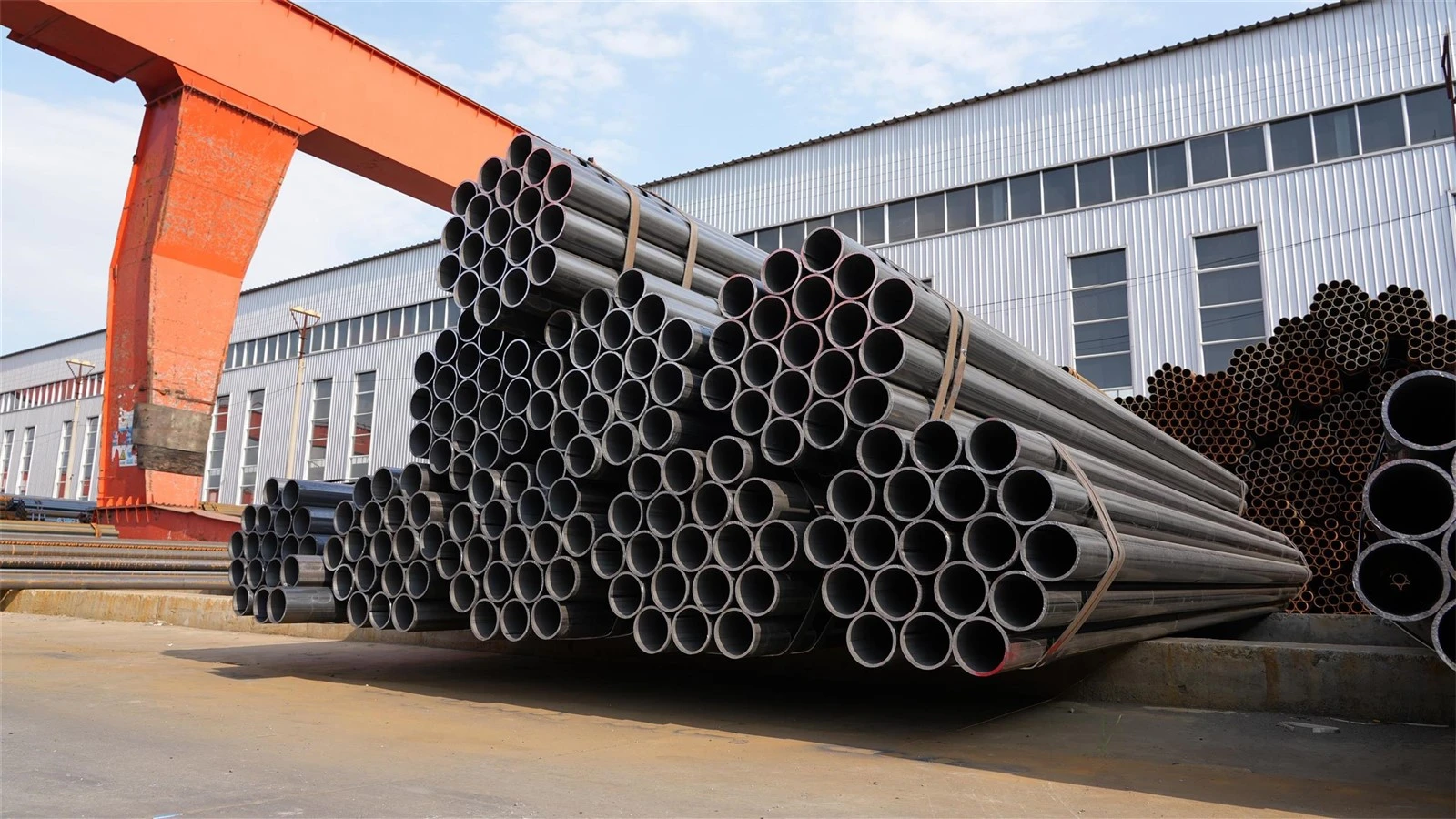
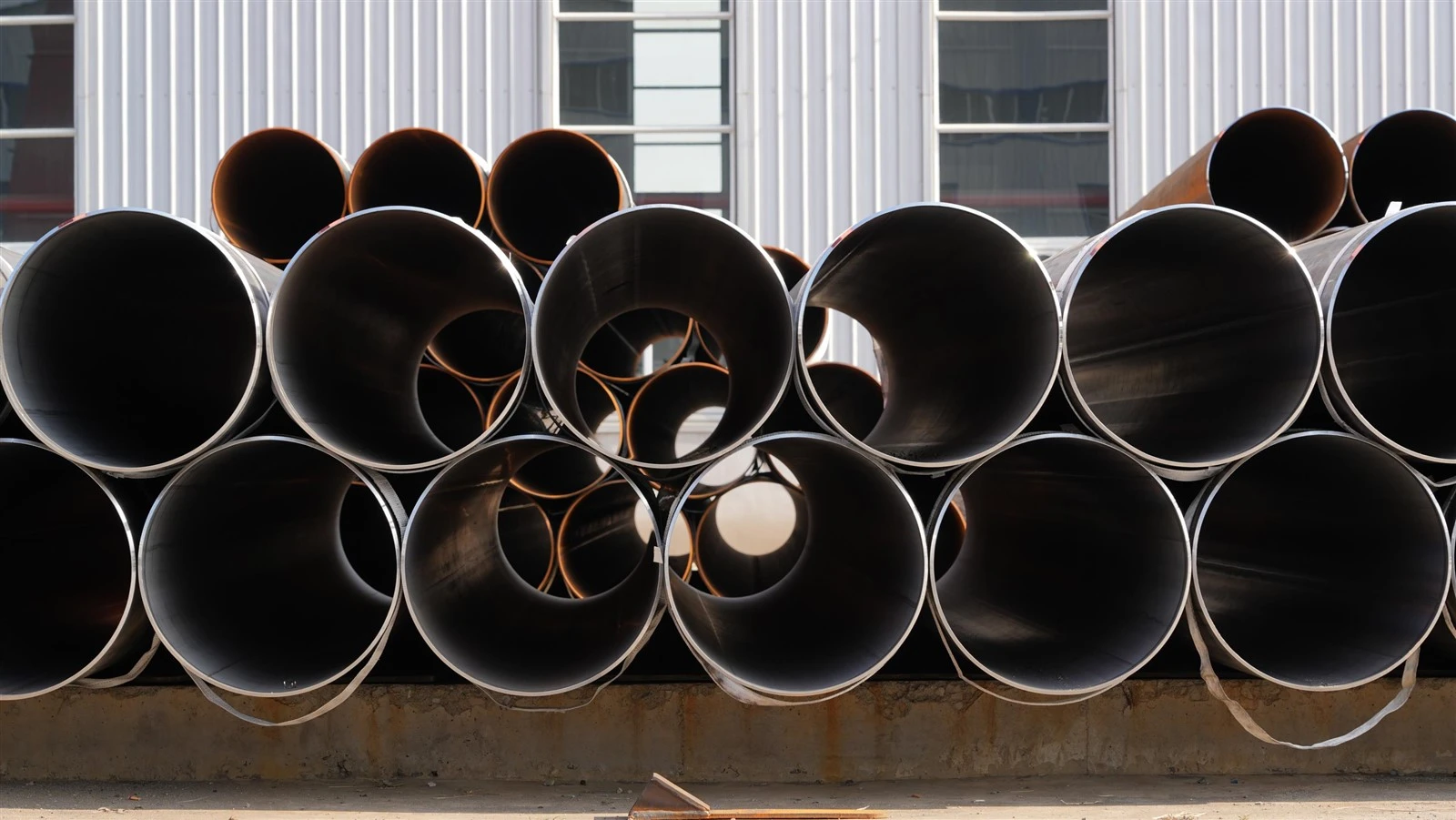
How Can HFW Steel Pipe Production Support Different Industrial Applications?
HFW steel pipes are used across a range of industries because the manufacturing process supports continuous production of longitudinally welded pipes in different sizes. Their suitability depends on the design requirements, material grade, pipe dimensions, and applicable product standards.
Municipal Infrastructure and Pipeline Renovation
Municipal projects use steel pipes in various infrastructure systems, including water transportation, utility structures, and supporting facilities. Renovation projects may be divided into multiple construction sections, each with its own material delivery requirements.
For these projects, the supplier needs to coordinate pipe specifications and delivery batches with the construction sequence. Depending on the intended service, standards such as API 5L or other project-specific specifications may be relevant. The correct standard must be selected according to the actual application rather than assumed from the pipe manufacturing process.
Steel Structure Fabrication and Industrial Equipment
In steel structure manufacturing, HFW pipes may be used for tubular frames, columns, braces, support members, and other fabricated components. Their dimensions and material properties influence cutting, welding, drilling, and assembly operations.
Matching Pipe Specifications to Fabrication Requirements
For structural applications, buyers should confirm outside diameter, wall thickness, steel grade, straightness, and dimensional tolerances. Standards such as ASTM A500, EN 10219, and EN 10210 cover different categories of structural hollow sections and should be selected according to the product form and project design.
In automotive and machinery manufacturing, HFW pipes may be processed into equipment frames, mechanical supports, and selected tubular components. These applications may require consistent dimensions and reliable material properties to support repeatable fabrication.
Production Planning for Mixed Specifications
When an order includes multiple sizes, the production sequence should be arranged to balance equipment availability, quantity, and delivery priority. For example, a project may need 89 mm pipes for one group of structural components and 219 mm pipes for another. Manufacturing these specifications in a coordinated schedule can help align deliveries with the customer's fabrication plan.
However, the actual sequence depends on production line capability, raw material preparation, and inspection requirements. Buyers should confirm the feasibility of mixed-size and phased deliveries before finalizing the order.
How Can Buyers Reduce Delivery Risks When Purchasing HFW Steel Pipes?
Delivery risks can be reduced by establishing clear technical and commercial requirements before production begins. The purchase order should identify the applicable standard, steel grade, outside diameter, wall thickness, length, quantity, inspection requirements, marking details, and delivery destination.
It is also useful to divide the order into defined batches with agreed target dates. If certain specifications are required earlier for critical construction activities, they should be identified as priority items. This allows the supplier to consider production sequencing and logistics arrangements in advance.
Quality requirements should not be overlooked when managing lead times. Shortening delivery schedules by reducing necessary inspections or leaving technical details unresolved can create problems during project acceptance. A realistic schedule should include manufacturing, testing, documentation, and transportation.
For projects requiring HFW steel pipes across multiple specifications, buyers can also request confirmation of the supplier's available diameter range and production arrangements. Huayang Steel Pipe currently operates 17 HFW production lines, covering outside diameters from 48 mm to 660.4 mm, with wall thicknesses from 2.0 mm to 22 mm and lengths from 6 m to 27 m. This production range supports procurement planning for municipal infrastructure, steel structure fabrication, and industrial manufacturing projects. For orders requiring phased delivery or multiple specifications, customers can contact Huayang Steel Pipe to discuss production scheduling, technical requirements, and batch delivery arrangements.
Read More:
How Can Buyers Reduce Uncertainty in Steel Pipe Procurement?
How Does Steel Pipe Quality Testing Ensure Reliable Performance?