
Buyers can achieve greater certainty in steel pipe procurement by confirming technical specifications, inspection requirements, documentation, and production schedules before manufacturing begins. In international projects, uncertainty often comes from incomplete technical communication, late changes to drawings, unclear acceptance criteria, or missing inspection records. A structured procurement process helps both buyers and manufacturers establish clear responsibilities, reduce avoidable changes, and track each stage from order confirmation to final delivery.
Why Should Steel Pipe Specifications Be Confirmed Before Production?
Steel pipe specifications should be confirmed before production because even small differences in dimensions, material grades, or technical requirements can affect manufacturing arrangements and product acceptance. Once production starts, changing an approved specification may require adjustments to raw material preparation, forming parameters, welding procedures, inspection plans, and delivery schedules.
For this reason, buyers and manufacturers should establish a mutually approved technical agreement before releasing an order for production. The agreement should identify the applicable standard, steel grade, outside diameter, wall thickness, pipe length, quantity, pipe-end requirements, surface treatment, inspection scope, and packaging conditions.
What Information Should Be Included in a Technical Agreement?
The technical agreement should provide enough detail for the production and quality departments to work from the same requirements. Referring only to a general product name or standard is often insufficient, particularly when a project involves multiple sizes or special technical conditions.
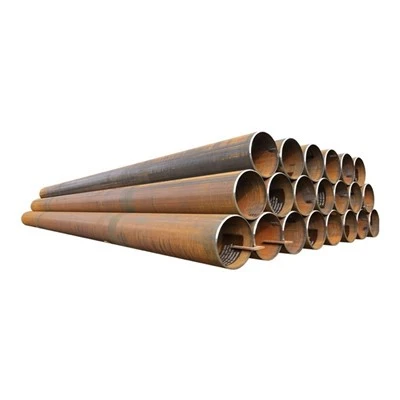
For example, an HFW steel pipe order may specify an outside diameter between 48 mm and 660.4 mm, a wall thickness between 2.0 mm and 22 mm, and lengths from 6 m to 27 m. An LSAW steel pipe order may cover diameters from 406.4 mm to 2,800 mm, wall thicknesses from 7 mm to 50 mm, and lengths from 6 m to 12.5 m. These ranges describe general manufacturing capabilities, not interchangeable production combinations. Each ordered size must be checked against the actual equipment and process limitations.
How Can Drawing and Specification Changes Be Controlled?
A controlled drawing and specification system helps prevent outdated information from being used during manufacturing. Each approved document should have an identifiable revision number, issue date, and approval status. When a change is necessary, the revised document should be reviewed by the relevant technical and production personnel before implementation.
Buyers should also agree on a formal procedure for handling changes after order confirmation. This should clarify who can approve revisions, how their impact on cost and delivery time will be assessed, and how obsolete versions will be withdrawn from use.
How Should the Inspection Plan Be Confirmed Before Production?
The inspection plan should be confirmed before production so that the required tests, acceptance criteria, sampling frequency, and documentation are understood by all parties. Quality requirements should not be left to interpretation after pipes have already been manufactured.
Which Inspection Requirements Need to Be Agreed Upon?
An inspection and test plan (ITP) normally identifies the manufacturing stages that require inspection, the applicable test methods, acceptance criteria, and the responsibilities of the manufacturer, buyer, and third-party inspection agency where applicable.
For steel pipes, the inspection scope may include raw material verification, chemical composition, tensile testing, impact testing, dimensional inspection, weld inspection, hydrostatic testing, and final visual examination. Additional requirements may apply to specific grades, service conditions, or project specifications.
For example, an order under API 5L may have requirements that differ according to PSL1 or PSL2, grade, and purchase specification. A project involving low-temperature service may require impact testing at a specified temperature. A coated pipe order may also require coating thickness, adhesion, or holiday detection checks. These requirements should be identified before production rather than assumed to be included in every order.
How Do Inspection Responsibilities Affect Project Coordination?
Inspection responsibilities determine when the buyer or an appointed inspection agency needs to participate in the manufacturing process. Some checks may be performed and recorded by the manufacturer's quality department, while specified stages may require buyer review, witness inspection, or formal approval before production can continue.
The following table shows how inspection planning can be organized across typical production stages.
| Production stage | Possible inspection activity | Information to confirm in advance |
|---|---|---|
| Raw material receipt | Material identification and certificate review | Steel grade, heat number, chemical composition, mechanical properties |
| Pipe forming and welding | Process monitoring and weld inspection | Applicable procedure, inspection method, coverage, acceptance criteria |
| Dimensional verification | OD, wall thickness, length, straightness | Tolerances, measurement locations, sampling frequency |
| Pressure testing | Hydrostatic testing, where required | Test pressure, holding time, acceptance requirements |
| Coating and finishing | Coating thickness and continuity checks, where specified | Coating system, inspection method, acceptance limits |
| Final inspection | Visual examination, marking, and document review | Final acceptance criteria and required reports |
A clearly defined ITP also helps avoid unnecessary inspection delays. If a buyer requires third-party witnessing, the notification period and inspection arrangements should be agreed upon. This allows production, inspection, and shipment planning to follow a coordinated schedule.
How Can Buyers Track Steel Pipe Production Progress?
Buyers can track steel pipe production progress through agreed milestones, regular updates, and records that connect each stage to the confirmed order requirements. A production schedule should identify the expected timing of raw material preparation, pipe manufacturing, inspection, coating or fabrication, final acceptance, and shipment.
A milestone-based schedule is more useful than a single estimated delivery date because it shows where an order stands and which activities remain. If a delay occurs, both parties can identify the affected stage and assess whether corrective action is needed.
For large orders involving several pipe sizes or production processes, progress should be tracked by batch or production lot where practical. For example, HFW and LSAW pipes may follow different manufacturing routes, while anti-corrosion coating and additional fabrication introduce further processing stages. A single overall status may not accurately reflect the progress of every item.
Buyers should agree on the frequency and format of production updates. Useful information includes completed quantities, current production stage, inspection status, outstanding technical issues, and revised milestone dates where necessary. Photographs, inspection records, and production reports can support these updates, but they should correspond to the actual order and identifiable production batches.
When delays or technical deviations arise, prompt communication is essential. Any proposed change to the approved specification, inspection arrangement, or delivery schedule should be reviewed and confirmed by the responsible parties before implementation.
Why Are Complete Inspection Documents Important for Steel Pipe Procurement?
Complete inspection documents are important because they provide evidence that the delivered products have been manufactured and tested against the agreed requirements. They also support traceability, technical acceptance, and future quality investigations.
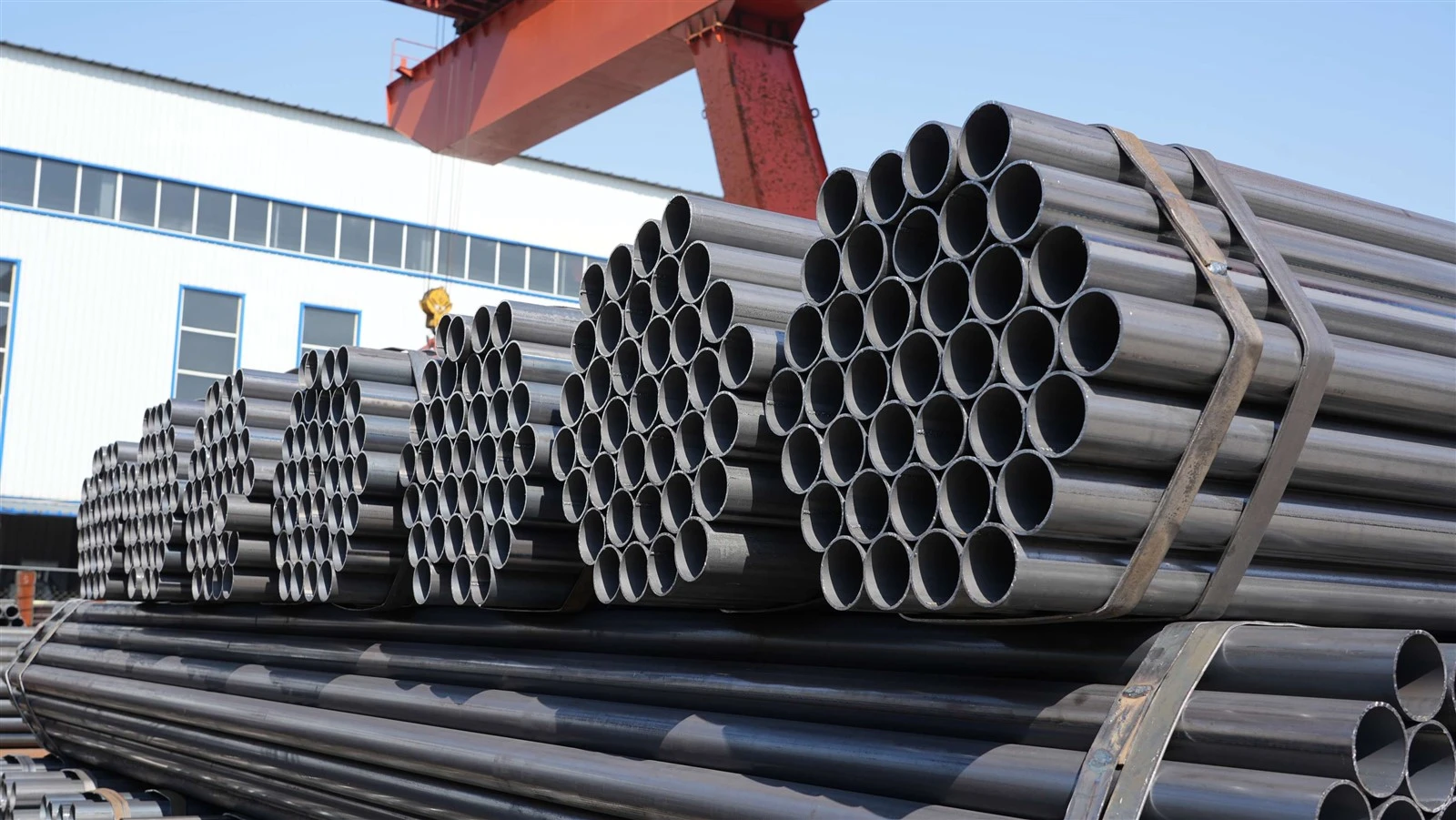
The documentation package depends on the product standard and purchase agreement. It may include material test certificates, chemical and mechanical test results, non-destructive testing reports, hydrostatic test records, dimensional inspection reports, coating inspection records, and final inspection documentation.
For effective traceability, these records should be linked to identifiable information such as heat numbers, pipe numbers, production batches, and markings. This connection allows buyers to determine which test results apply to a particular pipe or group of pipes.
Document requirements should be clarified during the technical review. Buyers may need original or electronic certificates, specific report formats, third-party inspection documents, or records submitted for approval before shipment. If these requirements are discussed only at the end of production, document revisions can create unnecessary administrative delays.
A document checklist agreed upon before manufacturing provides a practical reference for both parties. It should identify each required document, the responsible department, the submission stage, and whether buyer approval is necessary.
How Can Buyers Verify Production and Inspection Activities?
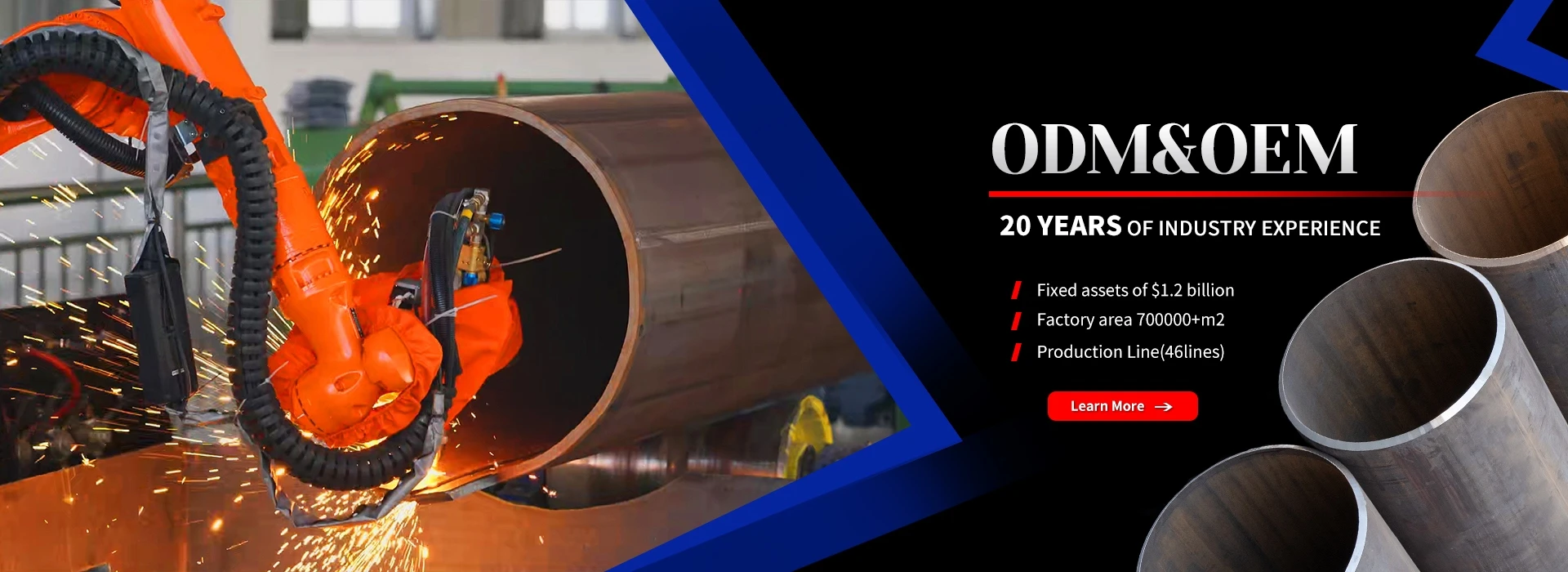
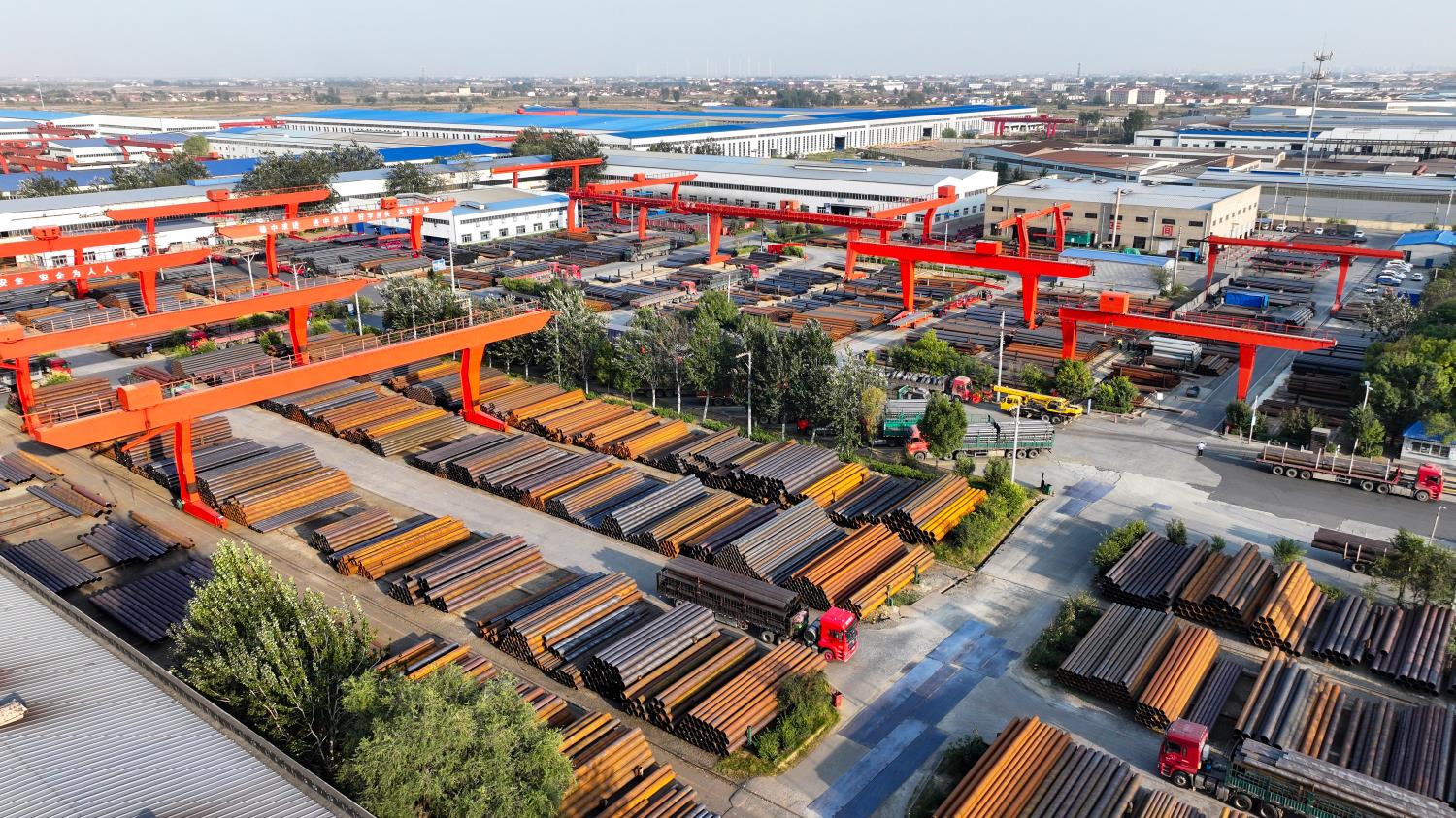
Buyers can verify production and inspection activities through on-site audits, scheduled witness inspections, or live video tours, depending on project requirements and access arrangements. These methods provide an opportunity to compare the supplier's stated capabilities with actual workshop operations and quality procedures.
During a factory visit, buyers can review the relevant production lines, inspect material identification and storage arrangements, observe testing activities, and discuss how inspection records are maintained. For orders involving HFW or LSAW pipes, the audit should focus on the specific production process required by the order rather than simply viewing general workshop facilities.
Where travel is impractical, a live video tour can provide preliminary verification. Buyers can request real-time views of the relevant workshop, inspection equipment, finished products, and production records. For formal project acceptance, however, a video tour should not replace any mandatory third-party inspection or contractual witness point.
Before placing an order, buyers should provide the manufacturer with the technical specification, inspection requirements, documentation list, and expected delivery schedule. This allows the production and quality teams to review the requirements and identify potential issues before manufacturing begins.
Certainty in steel pipe procurement does not come from a promise alone. It comes from approved documents, clearly defined inspection responsibilities, traceable production records, and communication at each project milestone. For buyers sourcing HFW, LSAW, hot-expanded, or anti-corrosion steel pipes, these arrangements should be established as part of the order review process. Manufacturers such as Hebei Huayang Steel Pipe Co., Ltd. can discuss project-specific technical agreements, inspection plans, and factory verification arrangements with buyers before production starts.
Read More:
How Does Steel Pipe Quality Testing Ensure Reliable Performance?
How Can Integrated Steel Pipe Fabrication Improve Engineering Project Efficiency?