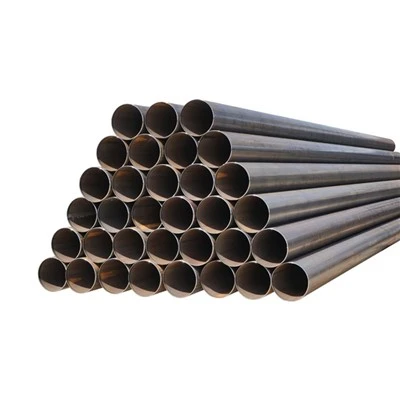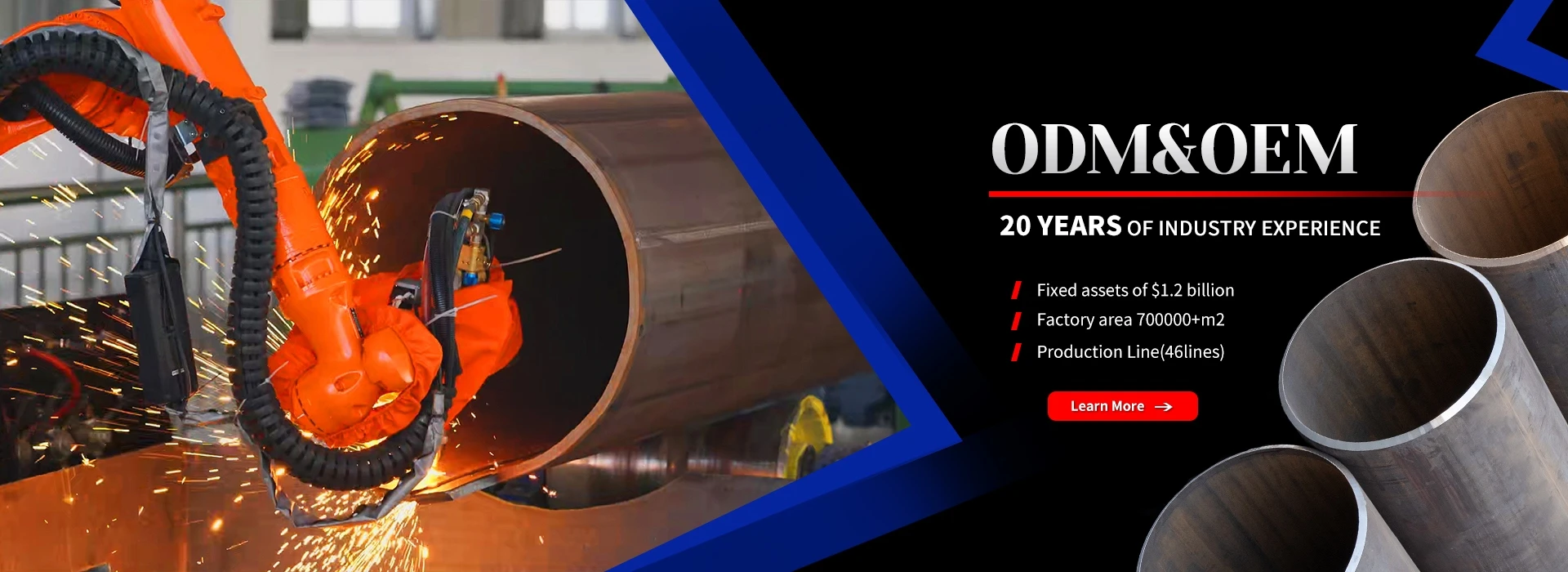

The quality consistency of HFW steel pipes depends on stable manufacturing processes, standardized production parameters, and continuous quality monitoring. A qualified pipe must meet the specified requirements for dimensions, wall thickness, mechanical properties, and weld integrity, while pipes produced within the same batch should maintain consistent characteristics. In industrial applications, this consistency is particularly important when buyers need to source hundreds or thousands of pipes for one project. From steel strip preparation and forming to high-frequency welding, sizing, inspection, and final marking, each production stage contributes to the quality of the finished product.
Why Is Quality Consistency Important in HFW Steel Pipe Production?
Quality consistency refers to the ability to maintain stable product characteristics across individual pipes and production batches. It is different from simply checking whether one finished pipe meets the required specification. For large-volume orders, dimensional deviations or variations in mechanical properties between pipes can affect fabrication, installation, and project management.
HFW steel pipes are manufactured by forming steel strip into a tubular shape and joining the edges through high-frequency resistance welding. During production, factors such as strip condition, forming accuracy, welding heat input, squeeze pressure, and sizing settings influence the final pipe quality.
If these parameters fluctuate beyond their controlled ranges, the resulting pipes may show differences in outside diameter, wall thickness, straightness, or weld quality. Maintaining stable production conditions is therefore essential for reducing unnecessary variations.
The Relationship Between Production Stability and Product Consistency
A stable manufacturing process helps ensure that each pipe follows the same established production route. This is especially important when an order contains multiple batches or requires continuous supply over an extended period.
For example, pipes used in structural frameworks may need consistent outside diameters and lengths to simplify connection and assembly. In pipeline applications, dimensional control and weld integrity are important for joint preparation and installation.
Why Standardized Parameters Matter
Standardized production parameters provide a reference for operators to control the manufacturing process. These parameters may include forming conditions, welding settings, sizing adjustments, and cutting dimensions.
However, standardization does not mean using identical settings for every pipe specification. Different outside diameters, wall thicknesses, and steel grades require corresponding process adjustments. The objective is to establish suitable operating parameters for each product range and maintain them within the defined production limits.
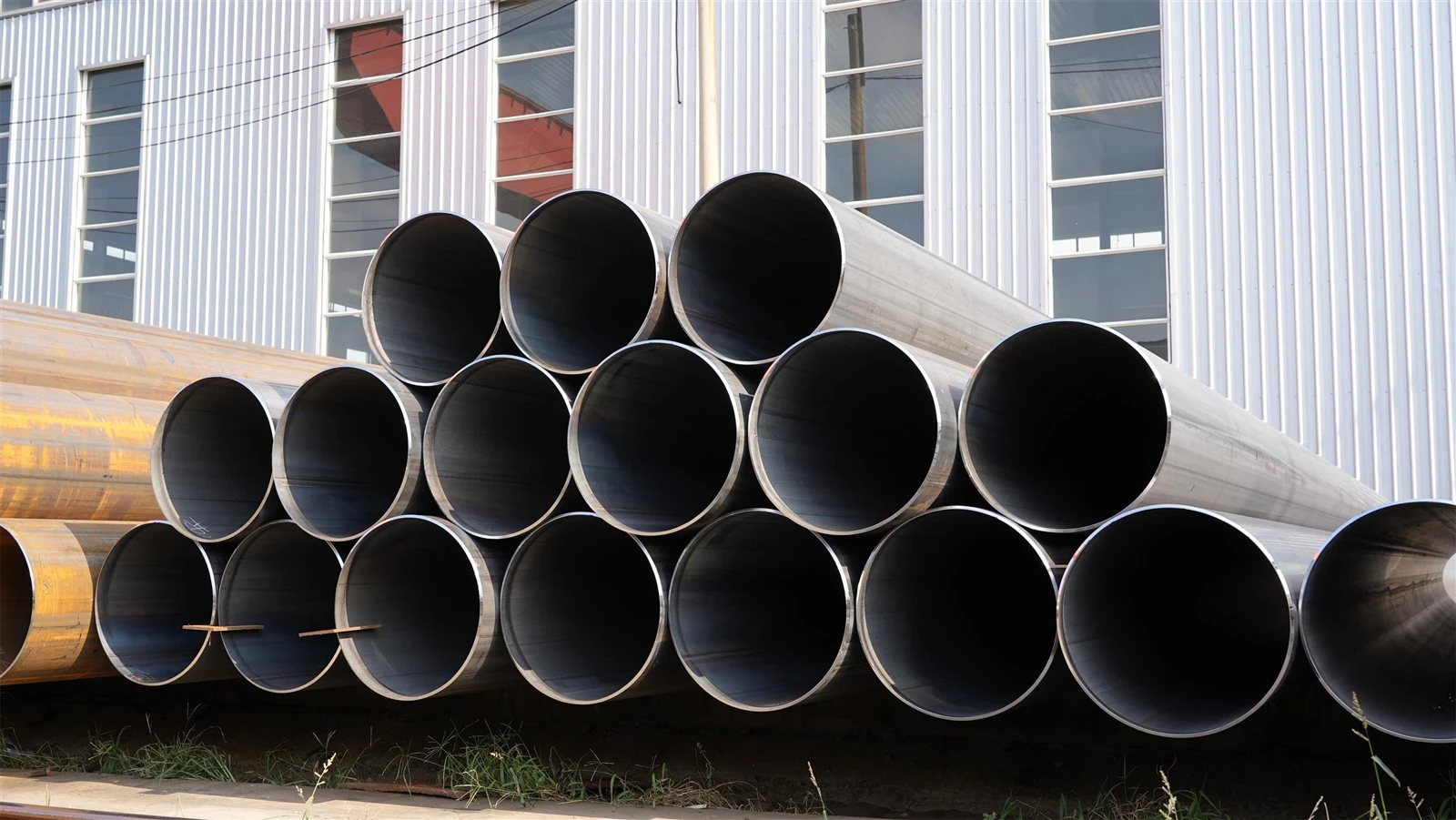
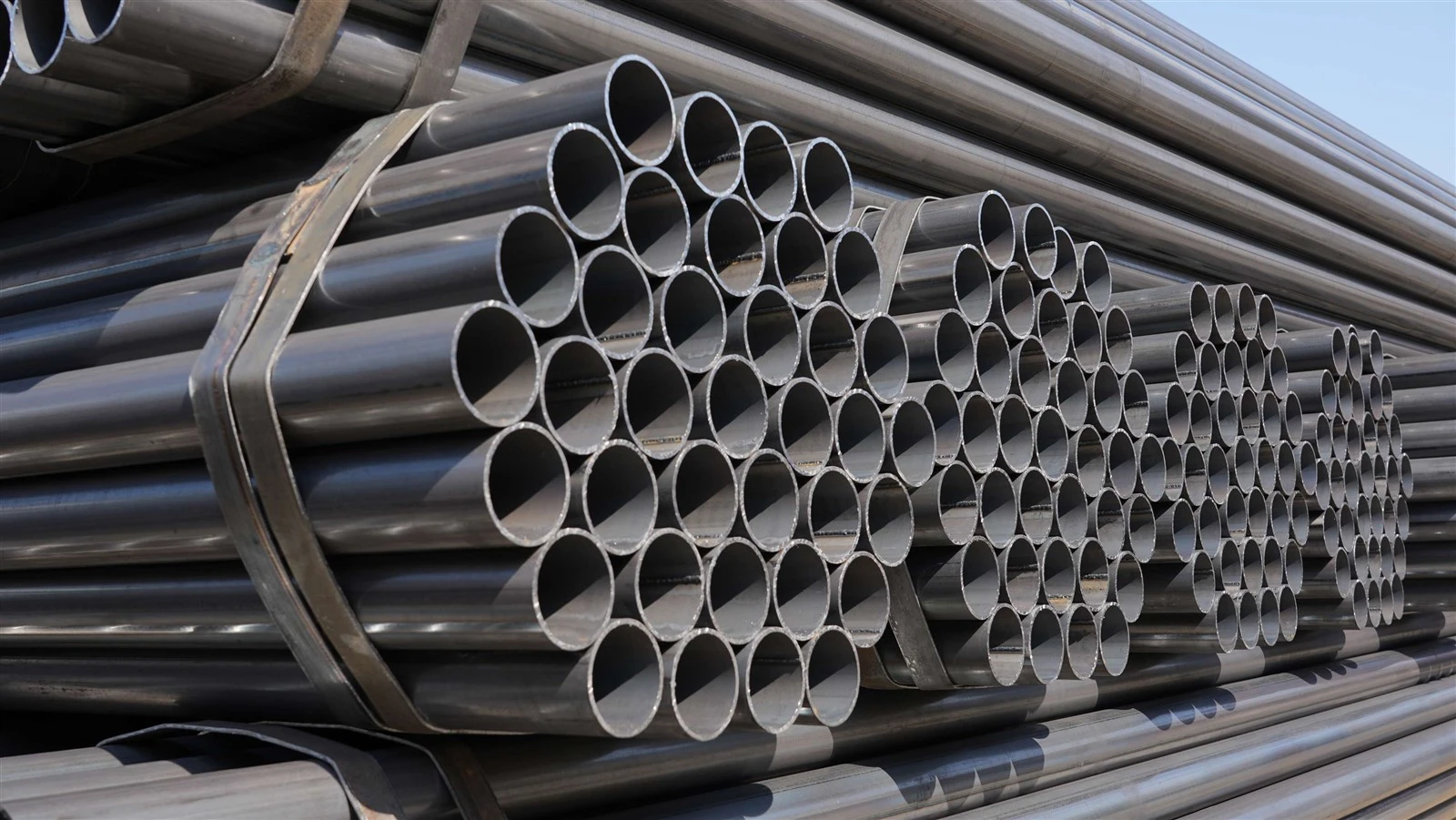
Which Factors Affect the Quality Consistency of HFW Steel Pipes?
Several interconnected factors influence the consistency of high-frequency welded steel pipes. Controlling only one production stage is insufficient because variations introduced earlier can affect subsequent forming, welding, and sizing operations.
Raw Material and Pipe Forming Control
Steel strip quality provides the starting point for consistent HFW pipe production. Material thickness, width, surface condition, chemical composition, and mechanical properties all influence the forming and welding process.
During forming, the strip passes through a series of rollers that gradually shape it into an open tubular section. The edges are then brought together for high-frequency welding. Stable forming conditions help maintain proper edge alignment and consistent pipe geometry.
Maintaining Dimensional Accuracy During Sizing
After welding, sizing equipment adjusts the pipe to the required outside diameter and shape. The sizing process influences dimensional accuracy, roundness, and straightness.
Online measuring equipment can monitor key dimensions during production, allowing deviations to be identified before large quantities of pipes are completed. Wall thickness is also an important parameter, particularly for orders with narrow dimensional tolerances.
High-Frequency Welding Process Control
The welding stage is one of the most important parts of HFW manufacturing. High-frequency current generates heat at the edges of the formed steel strip, allowing them to be joined under applied pressure.
Welding quality is affected by several process variables, including welding power, welding speed, edge preparation, and squeeze conditions. These factors must be matched to the pipe dimensions, material characteristics, and production speed.
Reducing Variations in Weld Quality
Unstable welding conditions may affect the formation and integrity of the weld seam. Appropriate process control, together with inspection procedures such as ultrasonic testing where specified, helps evaluate weld quality.
The table below summarizes major factors affecting HFW steel pipe consistency and their corresponding control points.
| Production Factor | Potential Quality Variation | Main Control Measures |
|---|---|---|
| Raw material | Differences in thickness, material properties, or surface condition | Incoming material inspection and identification |
| Forming process | Edge misalignment and variations in pipe geometry | Roller adjustment and forming process control |
| HFW welding | Variations in weld formation and integrity | Control of welding parameters and weld inspection |
| Sizing process | Outside diameter, roundness, and straightness deviations | Online dimensional monitoring and equipment adjustment |
| Cutting and finishing | Length deviations and inconsistent pipe ends | Cutting dimension control and final inspection |
| Marking and bundling | Inconsistent identification or quantity records | Marking verification and bundle checking |
These controls work together. A stable welding process cannot fully compensate for poor material condition or inaccurate forming, just as accurate sizing cannot correct an unacceptable weld seam.
How Are HFW Steel Pipes Checked Before Delivery?
Finished HFW steel pipes require inspection to verify compliance with the applicable product standard and purchase specification. The inspection scope varies according to the steel grade, dimensions, intended application, and contractual requirements.
Dimensional inspection commonly covers outside diameter, wall thickness, length, straightness, and end conditions. Visual examination checks the external surface and visible weld-related characteristics. Non-destructive testing may be used to evaluate weld integrity, while mechanical tests and hydrostatic testing are carried out when required by the applicable specification.
For large-volume orders, batch management and inspection records are also important. They help connect production information with finished pipe identification, making it easier to review quality data and verify product conformity.
Consistency Across Small and Large Orders
A small trial order and a large project order may have different production arrangements, but both require compliance with the agreed technical specification. For trial orders, buyers often focus on confirming dimensions, material grade, and product performance. For larger orders, maintaining consistency across production batches becomes an additional concern.
Production planning, material identification, process monitoring, and inspection records help maintain control as order quantities increase.
Matching Production Capacity to Specification Requirements
HFW steel pipe production covers a broad range of dimensions. For example, a manufacturer may supply pipes with outside diameters from Φ48 mm to Φ660.4 mm, wall thicknesses from 2.0 mm to 22 mm, and lengths from 6 m to 27 m.
Different specifications require corresponding forming and welding arrangements. Therefore, production capacity should be evaluated together with the manufacturer's ability to maintain dimensional accuracy and process stability across the required size range.
Which Standards Define HFW Steel Pipe Requirements?
HFW steel pipes are supplied under different international standards depending on their intended applications. Common specifications include API 5L for line pipe, ASTM A53 for general-purpose pipe, ASTM A500 for cold-formed welded and seamless carbon steel structural tubing, and EN 10219 for cold-formed welded structural hollow sections.
Although these standards may cover welded steel products, their requirements are not identical. They define different product scopes, material grades, dimensional tolerances, mechanical properties, testing procedures, and acceptance criteria.
For this reason, buyers should confirm the exact standard and edition, steel grade, outside diameter, wall thickness, length, and additional inspection requirements before placing an order. A product's nominal dimensions alone are not sufficient to establish compliance.
What Should Buyers Consider When Sourcing HFW Steel Pipes?
When evaluating an HFW steel pipe manufacturer, buyers should look beyond the number of production lines or the total annual output. The ability to maintain stable product quality across different specifications and order quantities is equally important.
A practical evaluation should include the manufacturer's available size range, material sourcing controls, forming and welding processes, dimensional inspection equipment, weld testing arrangements, and quality documentation. Buyers should also clarify whether the supplier can maintain consistent production and delivery schedules for repeat orders.
For projects requiring HFW steel pipes in different sizes or under multiple standards, providing complete technical specifications at the quotation stage helps manufacturers select suitable production arrangements and inspection plans.
For sourcing HFW steel pipes from Φ48 mm to Φ660.4 mm, with wall thicknesses from 2.0 mm to 22 mm and lengths from 6 m to 27 m, buyers can contact Hebei Huayang Steel Pipe Co., Ltd. to discuss available specifications, applicable standards, and project requirements.
Consistent HFW steel pipe quality is the result of coordinated control over raw materials, forming, welding, sizing, inspection, and batch management. When each stage follows defined production requirements, manufacturers can reduce product variations and provide steel pipes with more consistent characteristics for both trial orders and large-scale engineering projects.
Read More:
What Are The Applications Of Small-Diameter HFW Steel Pipes From 48 To 121 Mm?
How Can Steel Pipe Manufacturers Navigate Multiple International Standards For Global Projects?