


Many people see only a steel pipe, but for an engineering project, it represents much more than a piece of metal. It must meet technical specifications, withstand its intended service conditions, and support stable operation over many years. Huayang Steel Pipe manufactures HFW, LSAW, and hot-expanded steel pipes for different engineering requirements, with integrated deep processing and internal and external anti-corrosion solutions available for suitable applications. By combining pipe manufacturing, processing services, quality control, and export supply, Huayang supports oil and gas, infrastructure, and other industrial projects where product reliability matters throughout the project lifecycle.
Why Does Steel Pipe Quality Matter Beyond the Initial Installation?
Steel pipes are often installed underground, incorporated into large industrial facilities, or used in systems that are difficult and expensive to access after construction. Once a pipeline enters service, replacing a defective section may require excavation, shutdowns, additional labor, and coordination among multiple contractors. The consequences can extend beyond the cost of the pipe itself.
For this reason, steel pipe selection should begin with the actual engineering requirements rather than price alone. Outside diameter, wall thickness, steel grade, manufacturing process, inspection requirements, and corrosion protection all need to match the intended application. A pipe suitable for a structural project may not automatically be appropriate for a high-pressure transmission pipeline or an aggressive chemical environment.
Long-term performance also depends on installation quality, operating conditions, maintenance, and compliance with the project specification. A reliable steel pipe manufacturer contributes by producing pipes to agreed requirements, maintaining appropriate manufacturing controls, and providing the documentation needed for verification.
For project owners and procurement teams, the objective is not simply to purchase steel pipes that can be delivered on time. It is to select products and a supply partner that can support the engineering requirements from procurement through installation and operation.
How Do Different Steel Pipe Manufacturing Processes Meet Engineering Needs?
Different projects require different pipe dimensions, mechanical properties, and production methods. Selecting the appropriate manufacturing process helps buyers balance technical requirements, production feasibility, and project cost.
HFW, LSAW, and Hot-Expanded Steel Pipes
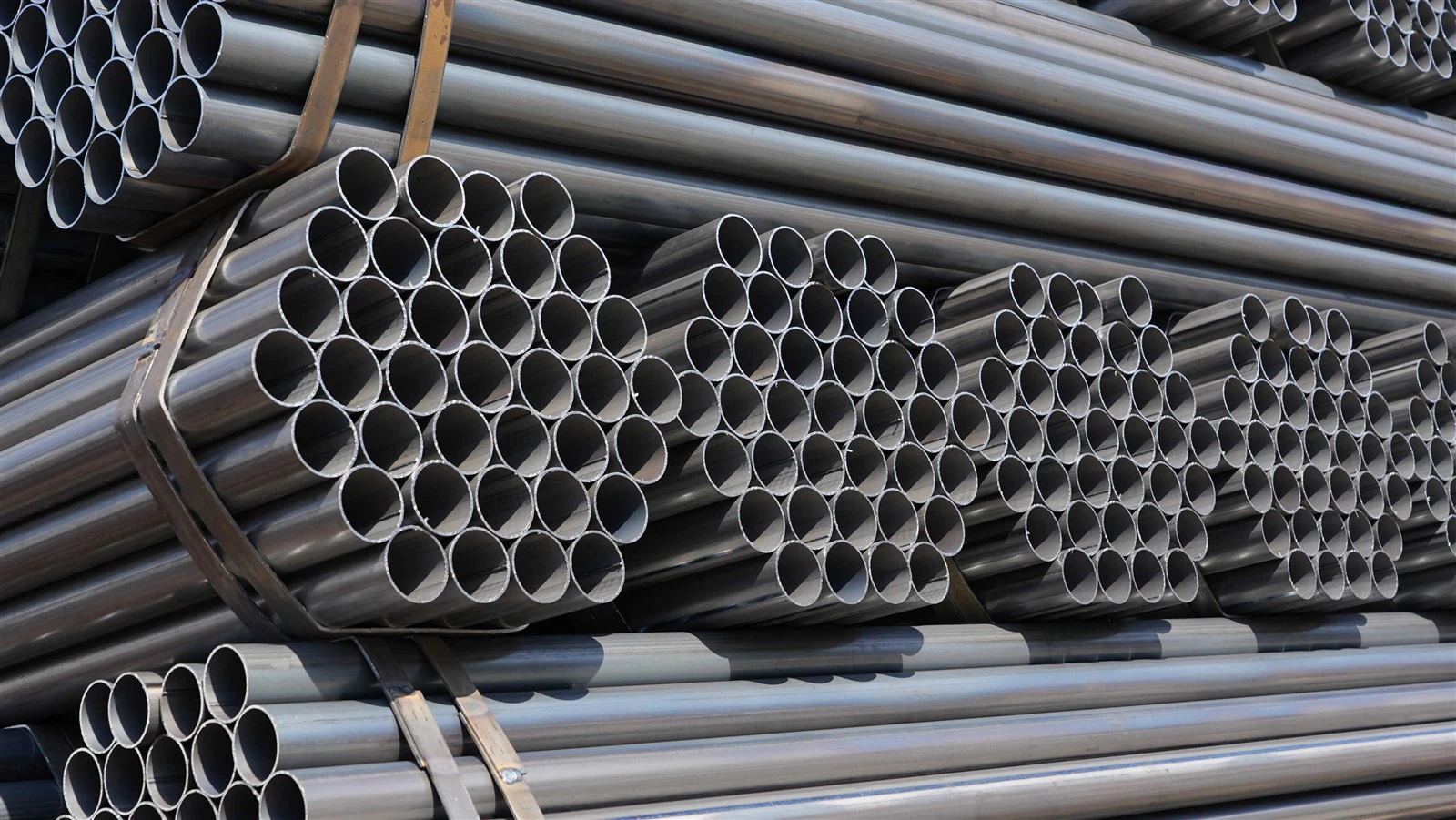
High-frequency welded steel pipe, commonly referred to as HFW pipe, is manufactured by forming steel strip and welding the longitudinal seam using high-frequency electrical resistance heating. It is used in applications such as fluid transportation and structural fabrication, depending on the grade, dimensions, and applicable specification.
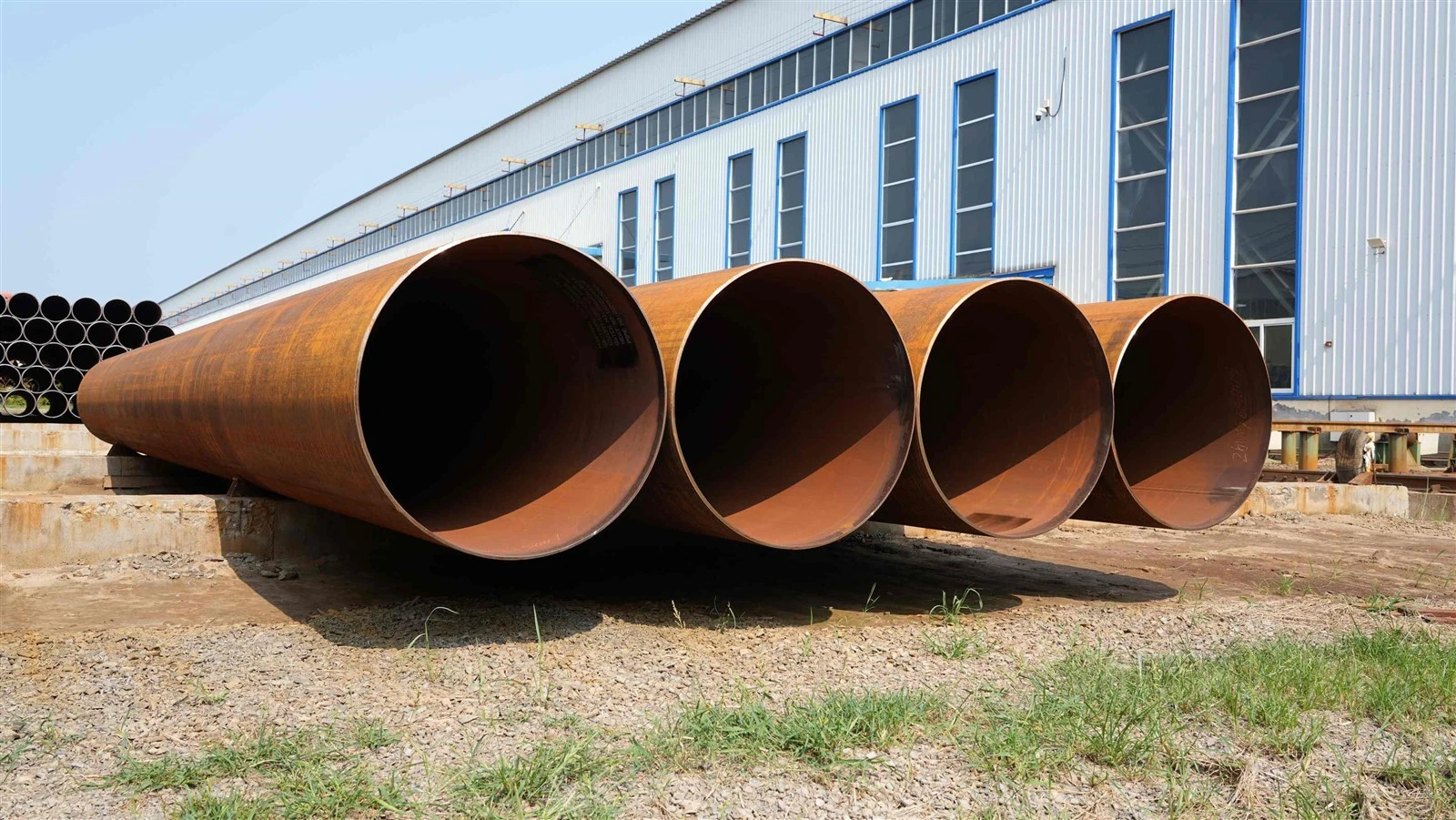
Longitudinal submerged arc welded steel pipe, or LSAW pipe, is produced by forming steel plate and welding the longitudinal seam using the submerged arc welding process. Its suitability for large diameters makes it a practical option for many oil and gas transmission, water transportation, and infrastructure projects.
Hot-expanded steel pipe is manufactured by heating and expanding a steel pipe to achieve a larger outside diameter. It can be considered when a project requires particular dimensions that are not readily available through other production routes. Its suitability depends on the specified grade, dimensions, manufacturing requirements, and relevant standard.
How Should Buyers Match Pipe Types to Project Conditions?
The manufacturing process is only one factor in product selection. Buyers should also review the required standard, steel grade, pressure or structural design conditions, dimensional tolerances, inspection scope, and service environment. The table below provides a general starting point for technical discussions.
| Pipe Type or Solution | Typical Applications | Key Selection Considerations |
|---|---|---|
| HFW steel pipe | Fluid transportation and structural applications | Diameter, wall thickness, grade, weld quality, and applicable standard |
| LSAW steel pipe | Large-diameter oil and gas pipelines, water transmission, and infrastructure | Pipe dimensions, steel grade, weld inspection, and project requirements |
| Hot-expanded steel pipe | Applications requiring expanded pipe dimensions | Dimensional requirements, material properties, manufacturing route, and specification |
| Anti-corrosion steel pipe | Buried pipelines and other environments with corrosion exposure | Coating system, surface preparation, operating conditions, and inspection |
| Deep-processed steel pipe | Projects requiring customized lengths or prepared pipe ends | Cutting dimensions, bevel geometry, tolerances, and fabrication drawings |
These categories are not interchangeable, and no single pipe type is suitable for every project. The final selection should follow the design documents and the applicable purchase specification. Contact Huayang Steel Pipe with your project requirements to discuss suitable pipe types, dimensions, and supporting services before placing an order.
Why Are Deep Processing and Anti-Corrosion Solutions Important?
Supplying the base pipe is only one part of preparing steel products for an engineering project. Pipes may also require cutting to specified lengths, beveling, coating, marking, packaging, and other processing according to project documents. When these requirements are coordinated with the manufacturer, buyers can reduce the number of separate processing arrangements and simplify communication between suppliers and contractors.
Integrated Deep Processing for Project Coordination
Pipe length and end preparation can directly affect installation efficiency. For example, pipes intended for field welding may require specified bevel angles and root-face dimensions. Pipes used in fabrication may need accurate cutting to match structural drawings or assembly requirements.
Confirming these details before production helps reduce the risk of mismatched dimensions, additional site processing, and unnecessary material handling. The exact services available should be agreed upon according to the pipe type, order quantity, drawings, and production feasibility.
Corrosion Protection for Different Service Environments
Corrosion protection is another important consideration for long-term pipeline performance. Soil conditions, moisture, seawater exposure, operating temperature, and the chemical characteristics of the transported medium can all influence coating selection.
Huayang provides internal and external anti-corrosion processing options, including systems such as 3PE, 2PE, 3PP, 2PP, fusion-bonded epoxy powder, and internal epoxy coatings, subject to product and project requirements. Each system has its own application range and performance characteristics. For example, external coatings for buried pipelines address soil-side corrosion, while internal coatings may be selected for particular fluid-service requirements.
A coating should not be selected simply because it is widely used. Buyers need to confirm operating temperature, exposure conditions, surface preparation, coating thickness, inspection requirements, and compatibility with the project specification. For acidic or otherwise aggressive service, the suitability of the pipe material and coating system must be evaluated against the actual chemical environment. A coating alone does not guarantee resistance to every corrosive medium.
How Do Standards and Inspection Support Reliable Steel Pipe Supply?
Engineering projects frequently require products to comply with specified technical standards and customer qualification procedures. API standards are widely used in the oil and gas industry, while EN-related requirements, GOST standards, and GB/T 9711 may apply to different products and markets. The relevant requirements depend on the product, intended service, project documents, and applicable edition.
Compliance should be verified for the specific product and order. A manufacturer's general qualifications do not automatically mean that every pipe meets every standard. Buyers should confirm the required standard, grade, delivery condition, testing scope, acceptance criteria, and documentation before production begins.
Quality verification may include dimensional inspection, mechanical testing, chemical analysis, non-destructive testing, hydrostatic testing, or coating inspection, as required by the applicable specification and purchase agreement. Traceable quality records help connect inspection results with the supplied products and support project acceptance.
Huayang Steel Pipe maintains industry qualifications and product-related credentials for its relevant business and manufacturing activities. For international orders, buyers should clarify any additional requirements involving third-party inspection, network access, material certificates, or customer-specific approval procedures during the quotation stage.
How Can a Reliable Steel Pipe Supplier Support Global Projects?
International engineering projects involve more than manufacturing. Buyers must coordinate technical reviews, production schedules, inspection arrangements, export documentation, packaging, and transportation. Delays or misunderstandings in any of these areas can affect downstream construction activities.
Working with a manufacturer that offers multiple pipe types and supporting processing services can simplify procurement coordination, particularly when an order includes different product categories or customized requirements. However, product availability, production capacity, and delivery schedules should always be confirmed for the specific order rather than assumed from a general product catalogue.
Huayang Steel Pipe manufactures HFW, LSAW, and hot-expanded steel pipes and provides supporting deep processing and anti-corrosion solutions for qualified applications. Its products are exported to overseas markets for oil and gas, infrastructure, and other engineering projects. By confirming technical requirements, inspection arrangements, processing details, and delivery expectations at the beginning of an order, customers can establish a clearer basis for cooperation.
For long-term projects, consistent communication and documented requirements are particularly important when repeat orders or multiple production batches are involved. Maintaining clear specifications and reviewing any proposed changes before implementation helps reduce avoidable discrepancies between deliveries.
How Can Huayang Steel Pipe Help Protect Your Project Investment?
The long-term value of a steel pipe depends on more than its initial purchase price. Appropriate product selection, controlled manufacturing, required inspection, suitable corrosion protection, and accurate processing all contribute to meeting project requirements. Coordinating these elements before delivery can also help reduce unnecessary rework and procurement complexity.
Huayang Steel Pipe provides a range of steel pipe products and supporting solutions for engineering customers, from HFW and LSAW pipes to hot-expanded products, customized processing, and anti-corrosion systems. If you are planning an oil and gas pipeline, water transmission system, or infrastructure project, contact Huayang Steel Pipe with your technical specification, drawings, and service conditions to discuss a suitable product and processing plan.
A steel pipe may appear to be a single component, but its specifications and quality can affect an entire engineering system. Choosing the right product and a capable manufacturing partner is an important step toward reliable project execution and long-term operation.
Read More:
Why Does The Steel Pipe Delivery Schedule Matter For Your Pipeline Project?
Can Anti-Corrosion Coating Hide Defects in The Base Steel Pipe?


