


Many buyers assume that minor surface imperfections on a steel pipe are not a serious concern because an anti-corrosion coating can cover them. Small pits, shallow dents, or rough areas may appear harmless, especially when the finished pipe has a smooth, uniform coating. However, this assumption overlooks a fundamental principle of steel pipe manufacturing: anti-corrosion coating cannot replace the quality of the base steel pipe.
Anti-corrosion coatings are designed to protect steel surfaces against corrosion and environmental exposure. They are not intended to repair structural defects, eliminate internal discontinuities, or compensate for unacceptable base material conditions. Even when a coated pipe looks flawless, defects beneath the coating may remain undetected and could affect product reliability or coating performance.
For pipeline contractors, oil and gas companies, water infrastructure developers, and steel pipe distributors, evaluating the base material before coating is therefore essential. At Hebei Huayang Steel Pipe, base pipe inspection and surface preparation are important steps in producing anti-corrosion steel pipes that meet applicable product and project requirements.
Why Can't Anti-Corrosion Coating Fix Base Steel Pipe Defects?
Anti-corrosion coating and base pipe quality serve different purposes. The steel pipe provides the structural strength required by the application, while the coating acts as a protective barrier against corrosion. Both must meet their respective requirements to deliver a reliable finished product.
What Happens When Surface Defects Are Covered by Coating?
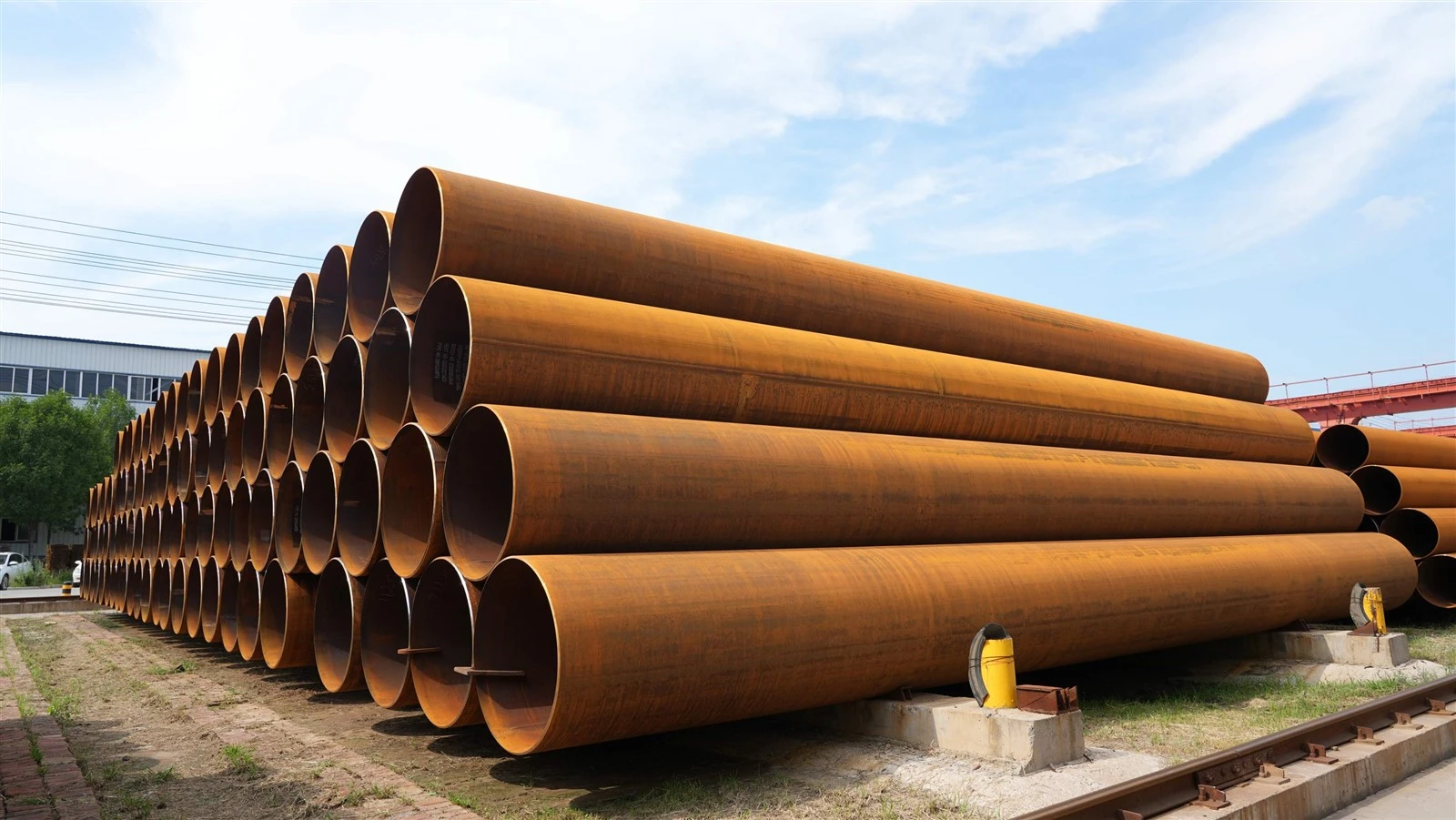
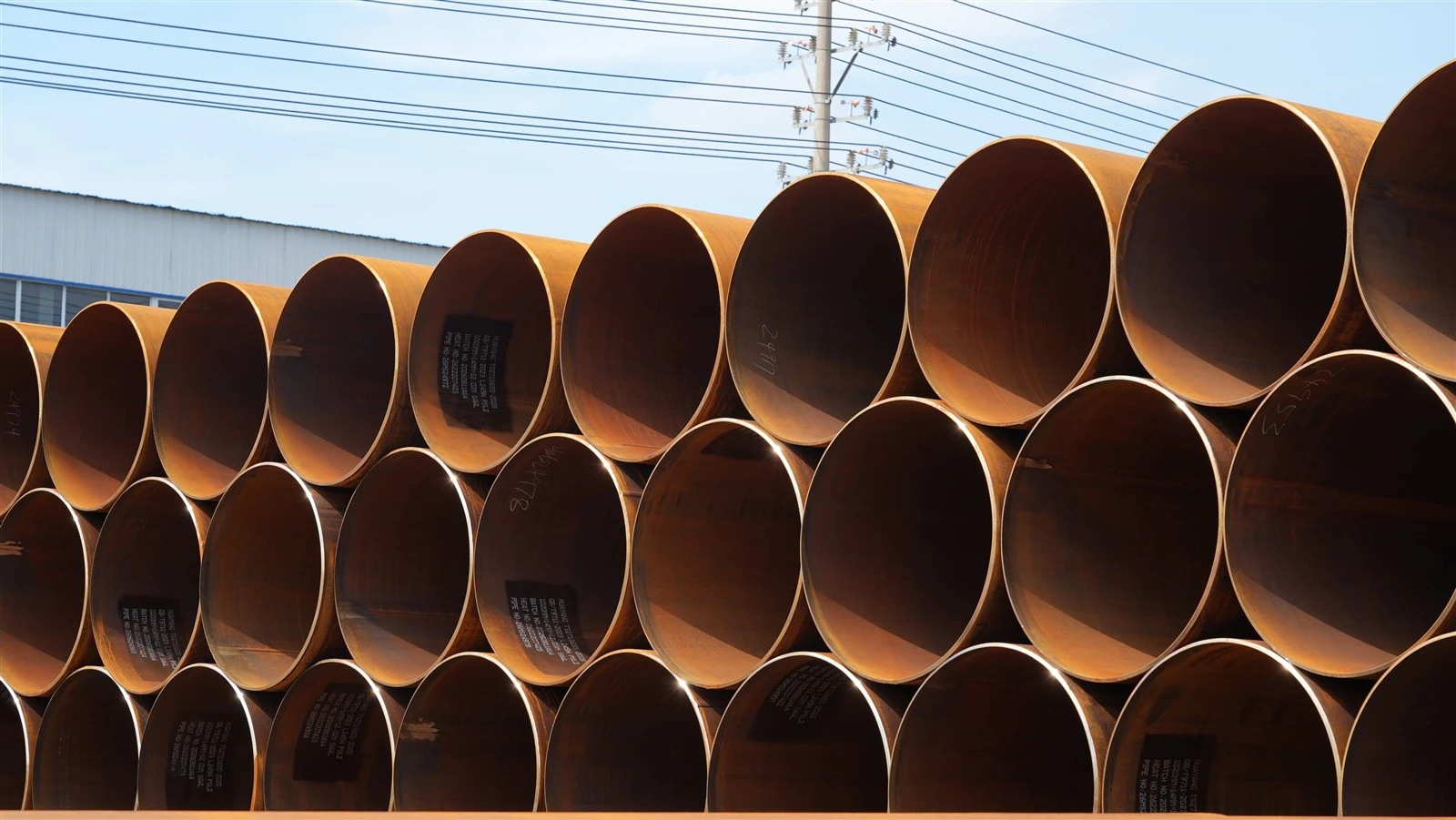
Steel pipes may have surface imperfections such as handling marks, shallow dents, rust pits, scale, or localized surface irregularities. Depending on their nature and severity, these conditions may require cleaning, surface preparation, repair, further inspection, or rejection.
A coating can cover a prepared steel surface, but it does not restore lost steel thickness or repair an unacceptable material discontinuity. If a pit has reduced the local wall thickness, applying a thicker coating does not restore the steel's original load-bearing capacity.
Similarly, laminations or other subsurface discontinuities cannot be reliably corrected simply by covering the surface with epoxy, polyethylene, or another protective material. Such conditions must be evaluated using appropriate inspection methods and acceptance criteria.
Can a Smooth Coating Surface Guarantee Pipe Quality?
No. A uniform coating appearance is useful for evaluating certain aspects of coating application, but it cannot establish the integrity of the underlying steel.
For example, a coating may conceal a small surface pit or make a rough area less visible. If the substrate was not adequately prepared, the coating may also experience localized adhesion problems, incomplete coverage, or premature deterioration, depending on the defect and coating system.
The correct approach is to inspect the base pipe first, address unacceptable conditions, and then apply the specified coating system. This sequence helps ensure that the coating is applied to a suitable substrate rather than being used to conceal unresolved defects.
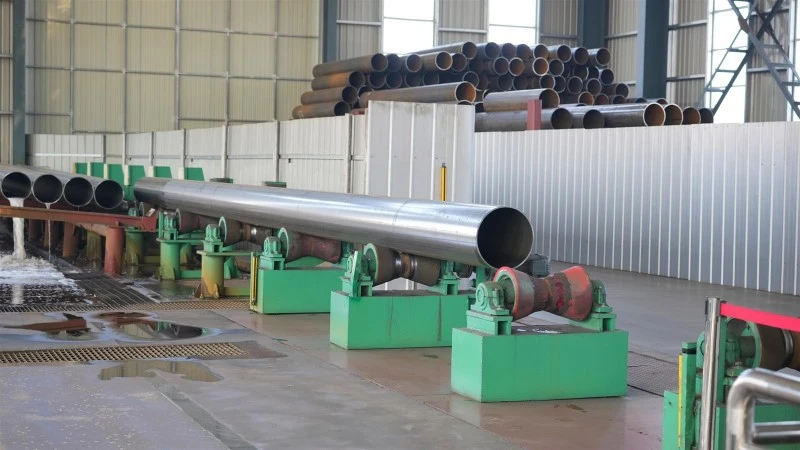
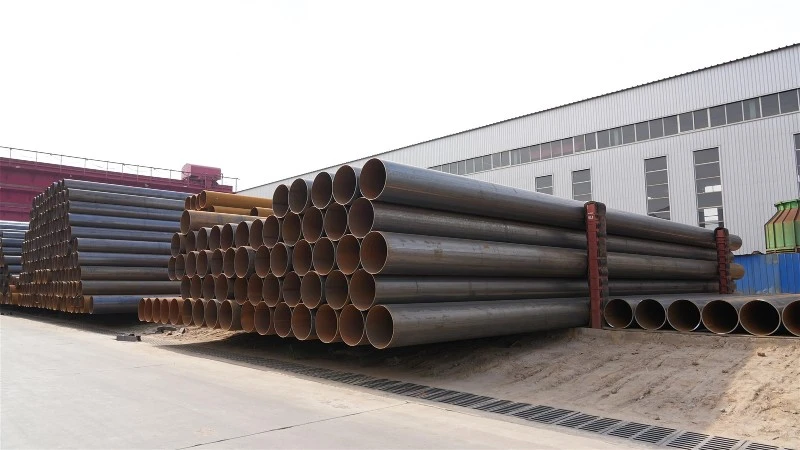
Which Base Steel Pipe Defects Should Be Checked Before Coating?
Pre-coating inspection should identify surface conditions that may affect structural compliance, surface preparation, or coating performance. The inspection requirements depend on the pipe manufacturing standard, steel grade, wall thickness, service conditions, and project specifications.
Common Surface and Material Defects
The following table summarizes several conditions that manufacturers and buyers may need to evaluate before applying anti-corrosion coatings.
|
Defect or condition |
Potential concern |
Appropriate response |
|
Rust pits |
Localized wall-thickness loss or an unsuitable coating substrate |
Assess depth and remaining wall thickness; repair or reject when required |
|
Shallow dents or handling marks |
Possible deformation or damage to the pipe surface |
Check dimensions and severity against applicable acceptance criteria |
|
Scale, rust, or surface contamination |
Reduced coating adhesion or inadequate surface preparation |
Clean and prepare the surface to the specified requirements |
|
Surface peeling or flaking |
Possible surface discontinuity or material condition requiring investigation |
Remove loose material and assess the underlying steel |
|
Laminations or subsurface discontinuities |
Potential material integrity concerns |
Use appropriate inspection and disposition procedures |
|
Scratches and gouges |
Localized material removal or coating application difficulties |
Measure and evaluate the affected area before treatment |
Not every visible mark is automatically a rejectable defect. Some imperfections may be acceptable within the limits of the applicable standard, while others require repair or further examination. Decisions should be based on verified measurements and established acceptance criteria rather than appearance alone.
How Should Manufacturers Handle Minor Surface Imperfections?
Minor surface imperfections should be assessed before any repair is undertaken. Depending on the applicable specification, suitable actions may include cleaning, controlled grinding, surface blending, or other approved repair procedures.
Why Must Grinding and Repair Be Controlled?
Grinding can remove localized surface irregularities, but excessive material removal may reduce the remaining wall thickness below the permitted minimum. For this reason, repaired areas may require dimensional measurement and reinspection.
More serious conditions, including suspected laminations or defects that cannot be removed within allowable limits, require further evaluation under the applicable quality procedure. Applying a coating before resolving these conditions can make subsequent assessment more difficult.
A controlled pre-coating inspection process helps ensure that only suitable steel surfaces proceed to surface preparation and coating application.
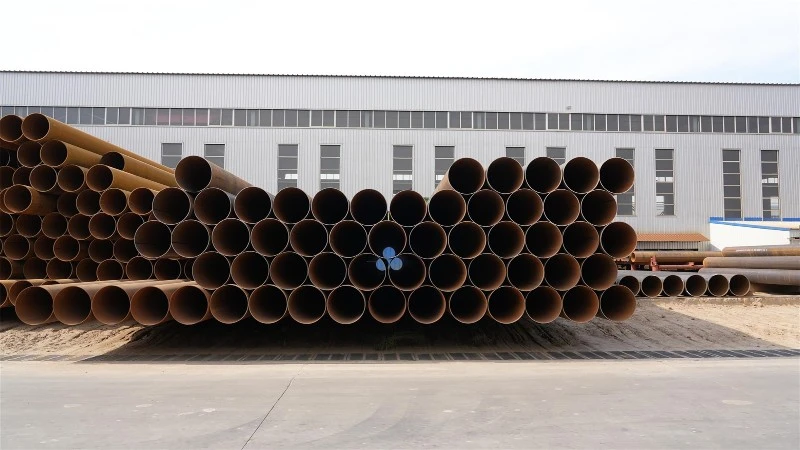
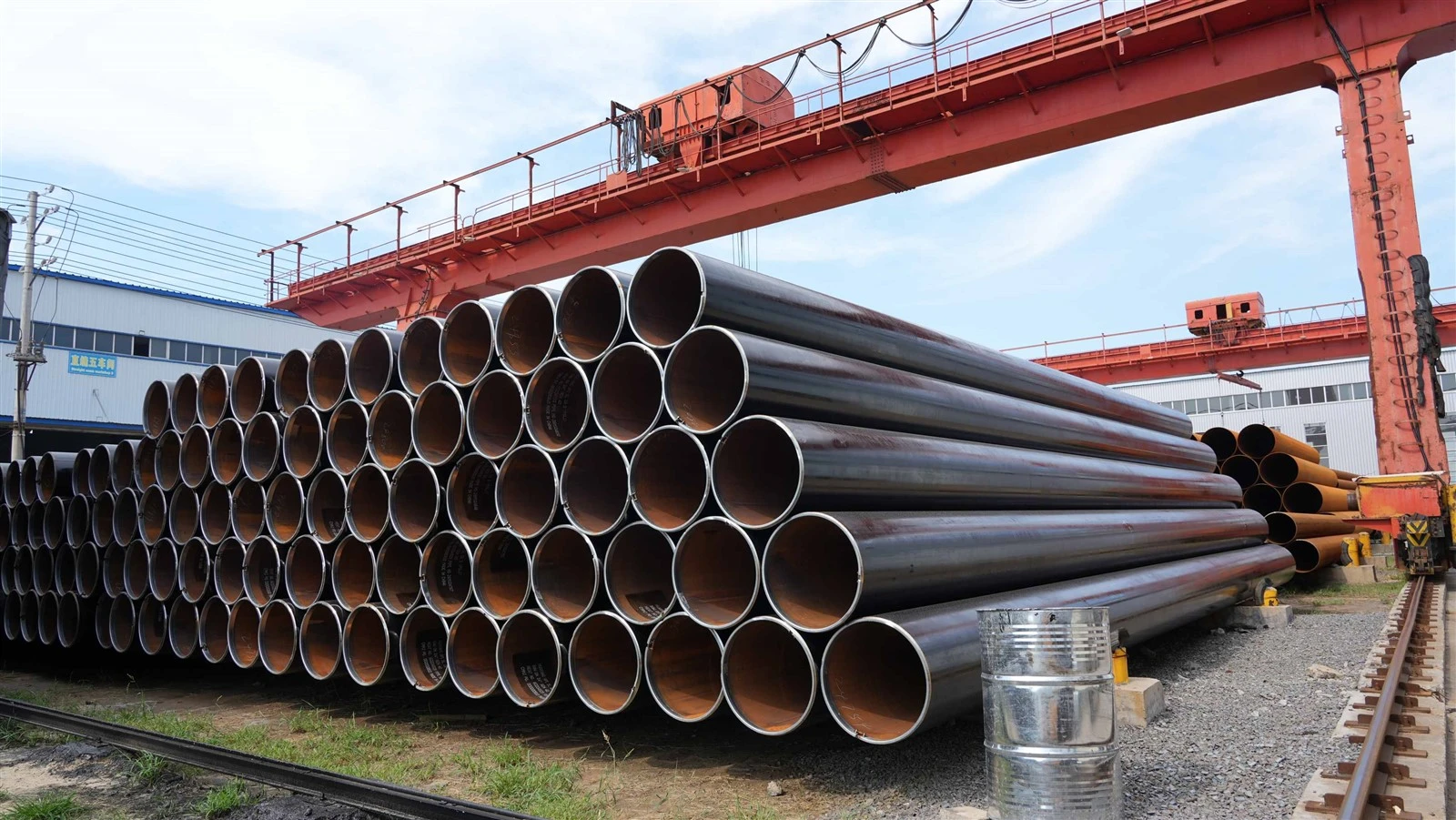
How Does Base Pipe Quality Affect Anti-Corrosion Coating Performance?
Coating performance depends on more than coating thickness. The condition of the steel substrate, surface cleanliness, surface profile, application parameters, curing conditions, and inspection results all influence the performance of the finished system.
Surface Preparation and Coating Adhesion
Before applying coatings such as fusion-bonded epoxy (FBE), three-layer polyethylene (3PE), or three-layer polypropylene (3PP), the steel surface must be prepared according to the relevant coating specification.
Surface preparation typically involves removing rust, scale, oil, and other contaminants, followed by establishing the required surface condition. Depending on the coating system, inspection may include checking surface cleanliness, surface profile, and environmental conditions during application.
If pits, sharp edges, or other irregularities remain, they may affect coating coverage and local film thickness. Certain geometries can be more difficult to coat uniformly, while contamination may interfere with adhesion.
However, surface preparation must not be confused with structural repair. Cleaning and abrasive blasting remove contaminants and unwanted surface material; they do not restore steel lost through corrosion or correct unacceptable subsurface defects.
Why Is Coating Thickness Not a Substitute for Base Material Quality?
Increasing coating thickness does not compensate for inadequate steel wall thickness, unacceptable mechanical properties, or material discontinuities. Coating thickness should meet the specified requirements for the selected coating system, not be increased arbitrarily to conceal substrate problems.
For buried pipelines and other corrosion-sensitive applications, both the steel pipe and its protective coating must satisfy their respective acceptance criteria. The base material must provide the required mechanical performance, while the coating must deliver the specified corrosion protection.
How Does Huayang Steel Pipe Control Quality Before Anti-Corrosion Coating?
Hebei Huayang Steel Pipe manufactures anti-corrosion steel pipes for pipeline transportation, infrastructure, and industrial applications. Its coating options include FBE, 2PE, 3PE, 2PP, 3PP, internal epoxy powder, and liquid epoxy systems, subject to project requirements.
Reliable coating production begins with a suitable base pipe. Before coating, the substrate should be assessed for relevant surface imperfections, contamination, dimensional conformity, and any conditions requiring further investigation. Unacceptable defects must be handled according to the applicable manufacturing and repair procedures.
Integrating Base Pipe Inspection with Coating Quality Control
Base pipe inspection and coating inspection address different quality requirements. Before coating, manufacturers need to confirm that the steel surface and underlying material are suitable for the next production stage. After coating, relevant checks may include visual examination, coating thickness measurement, holiday detection, and adhesion testing where required by the applicable specification.
For LSAW and HFW steel pipes, the required inspection scope depends on the product standard, material grade, manufacturing process, and purchase order. Where necessary, additional non-destructive testing and dimensional verification can support the assessment of the base pipe.
Huayang Steel Pipe supplies anti-corrosion steel pipes in accordance with agreed technical requirements. Customers can specify the pipe dimensions, steel grade, coating type, applicable standard, inspection scope, and documentation requirements when discussing a project.
By treating substrate quality and coating quality as separate but connected responsibilities, manufacturers can reduce the risk of concealed defects and help ensure that the finished product meets the intended application requirements.
How Can Buyers Ensure the Quality of Anti-Corrosion Steel Pipes?
Buyers should not judge an anti-corrosion steel pipe solely by its external appearance. A complete quality assessment should consider the base material, wall thickness, manufacturing quality, surface preparation, coating properties, and relevant inspection records.
Before placing an order, purchasers should confirm the applicable standards and acceptance criteria for both the steel pipe and the coating system. They should also clarify how surface defects will be assessed, what repair methods are permitted, and which inspection documents will be supplied.
A high-quality anti-corrosion steel pipe starts with a compliant base pipe. Surface defects must be identified and properly addressed before coating, while coating application and final inspection must follow the specified procedures. The purpose of anti-corrosion coating is to protect sound steel, not to hide defects that should have been resolved during manufacturing.
For overseas pipeline and infrastructure projects, this principle helps buyers make better procurement decisions and supports more reliable product performance throughout transportation, installation, and service.
Read More:


