


Many pipeline projects run into serious trouble not because of on-site construction, but because steel pipes arrive later than planned. For EPC contractors, a delayed steel pipe delivery schedule can disrupt installation, affect coordination between subcontractors, increase project costs, and even lead to liquidated damages under the contract. When materials are not available at the right time, carefully planned construction activities can quickly fall behind schedule. This is why choosing a reliable steel pipe manufacturer matters. At Huayang Steel Pipe, we focus on production coordination, clear delivery planning, and shipment follow-up to help customers secure a more predictable supply of steel pipes for pipeline projects.
How Can Delayed Steel Pipe Delivery Affect a Pipeline Project?
Steel pipe delivery is closely connected to construction planning. Pipeline projects often involve multiple stages, including engineering preparation, material procurement, site development, pipe installation, welding, inspection, and commissioning. A delay in one critical stage can affect the activities that follow.
Why Do EPC Contractors Need to Control Material Delivery Time?
For EPC contractors, project schedules are closely tied to contractual obligations and overall project profitability. If steel pipes fail to arrive according to the agreed schedule, installation teams may have to wait, equipment may remain idle, and subcontractor arrangements may need to be changed.
These disruptions can increase labor and equipment costs while reducing the time available for subsequent work. If the delay affects contractual milestones, the contractor may also face liquidated damages, subject to the terms of the contract. Repeated delays can damage the contractor's credibility with the project owner and affect future business opportunities.
Reliable steel pipe delivery is therefore not simply a logistics issue. It is part of project risk management and cost control.
How Can Pipe Supply Delays Disrupt Construction Planning?
Pipeline installation often depends on the timely arrival of pipes with specific diameters, wall thicknesses, steel grades, and standards. Receiving only part of an order may not be enough if the available materials cannot support the next planned section of construction.
For example, if a project requires large-diameter LSAW steel pipes for a defined installation sequence, a delay in the required sizes can prevent the construction team from completing that section as scheduled. Additional materials may be available elsewhere, but sourcing replacements can introduce new costs, documentation checks, and inspection requirements.
Why Early Delivery Planning Matters
The earlier buyers confirm specifications, quantities, inspection requirements, and required arrival dates, the easier it is for the manufacturer to develop a realistic production and shipment plan. Early coordination also leaves more time to address changes in technical requirements, inspection arrangements, or transportation schedules before they become urgent problems.
Why Is Buying Steel Pipes Directly from a Manufacturer More Predictable?
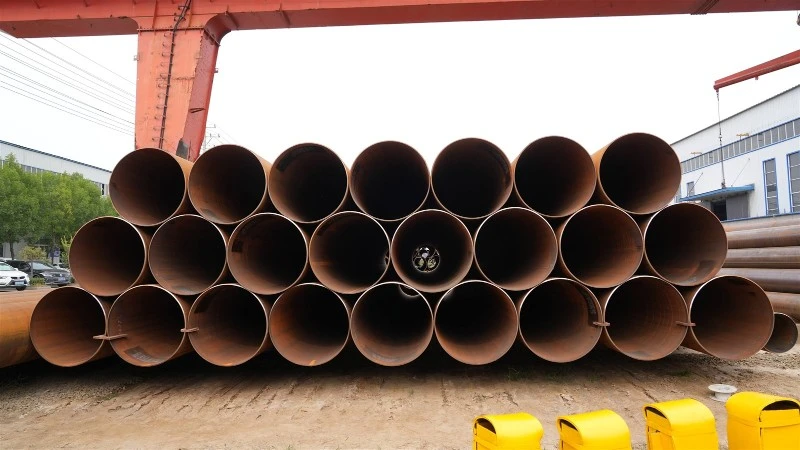
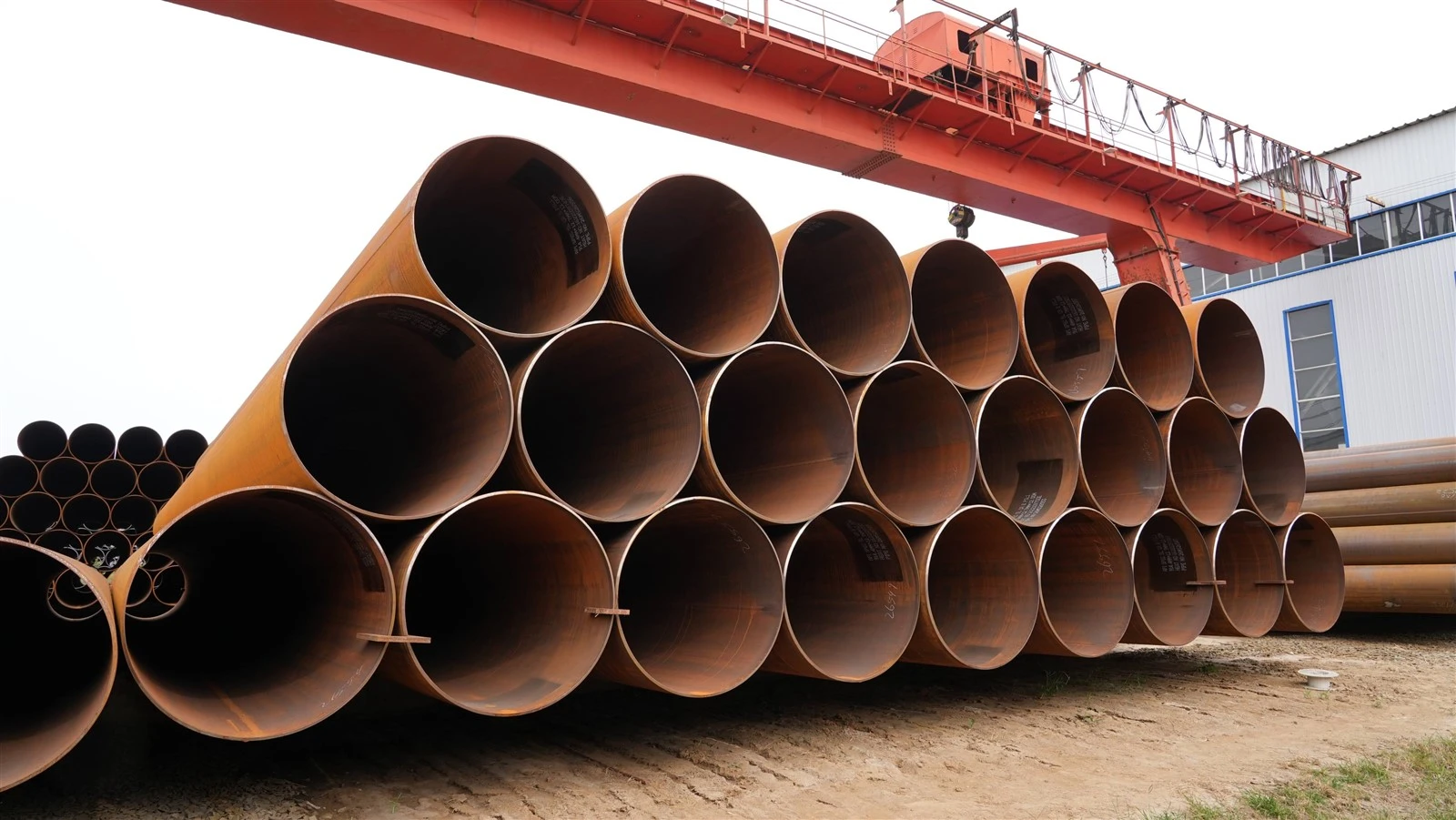
Working directly with a steel pipe manufacturer can give buyers better visibility into production planning and order progress. Unlike a supplier that relies entirely on external production sources, a manufacturer can coordinate its own production resources, subject to actual capacity, material availability, and existing orders.
Production Capacity and Stock Availability
A reliable delivery schedule starts with an accurate understanding of what can be supplied and when. Some steel pipes may be available from existing stock, while other orders require production to customer-specific dimensions, steel grades, or technical standards.
Direct communication with the manufacturer helps buyers distinguish between available inventory and products that still need to be produced. It also allows the supplier to assess whether the required quantities can be accommodated within the requested timeframe.
For large-volume pipeline projects, this distinction is particularly important. A supplier should not confirm a delivery date based solely on an initial quotation without checking production capacity, material availability, and inspection requirements.
Clear Production Scheduling and Order Follow-Up
Once an order is confirmed, a practical delivery plan should identify the major milestones between order placement and shipment. Depending on the project, these may include technical specification confirmation, raw material preparation, pipe forming and welding, inspection, coating, final documentation, and dispatch.
How Milestone Tracking Reduces Uncertainty
Monitoring these milestones helps both the manufacturer and the buyer identify potential problems earlier. If an inspection date changes or additional processing is required, the teams can evaluate the effect on the shipment plan and discuss suitable adjustments.
A clear schedule does not eliminate every possible disruption. However, realistic lead times, regular progress updates, and timely communication provide buyers with better information for coordinating construction resources and managing project expectations.
What Should Buyers Check When Evaluating a Steel Pipe Delivery Schedule?
Before placing an order, buyers should evaluate more than the delivery date stated in a quotation. They need to understand the assumptions behind that date, the work that must be completed before shipment, and the arrangements for communicating any changes.
|
Delivery factor |
What buyers should confirm |
Why it matters |
|
Production capacity |
Whether the manufacturer can accommodate the required quantity and production window |
Helps determine whether the requested schedule is realistic |
|
Stock availability |
Which sizes and specifications are actually available from inventory |
Distinguishes stock supply from made-to-order production |
|
Technical confirmation |
Whether dimensions, steel grades, standards, and tolerances are finalized |
Reduces delays caused by specification changes |
|
Inspection requirements |
Required testing, third-party inspection, and approval procedures |
Ensures inspection time is included in the plan |
|
Anti-corrosion processing |
Whether coating or additional processing is required and how it affects lead time |
Prevents downstream processing from being overlooked |
|
Shipping arrangements |
Packaging, loading, transport coordination, and required shipping documents |
Helps align dispatch with the project's arrival requirements |
|
Progress communication |
How milestones and schedule changes will be reported |
Allows the buyer to respond to potential delays earlier |
Why Should Inspection and Documentation Be Included in the Plan?
Manufacturing completion does not always mean an order is ready to ship. Steel pipes may still require final inspection, document compilation, coating checks, packaging, or third-party release, depending on the purchase specification.
Buyers should confirm the required material test certificates, inspection reports, product markings, and other documentation before production begins. If third-party inspection or witness points apply, the parties should agree on the procedure and timing in advance.
How Can Buyers Set More Realistic Delivery Expectations?
A realistic delivery schedule should reflect the complete order scope, not just the manufacturing time. Buyers should provide the required quantity, technical specifications, inspection scope, coating requirements, delivery destination, and target date as early as possible.
They should also clarify whether the agreed date refers to production completion, factory dispatch, port departure, or arrival at the project site. These milestones are different, and confusing them can lead to unnecessary misunderstandings when coordinating international shipments.
How Does Huayang Steel Pipe Support Reliable Delivery for Pipeline Projects?
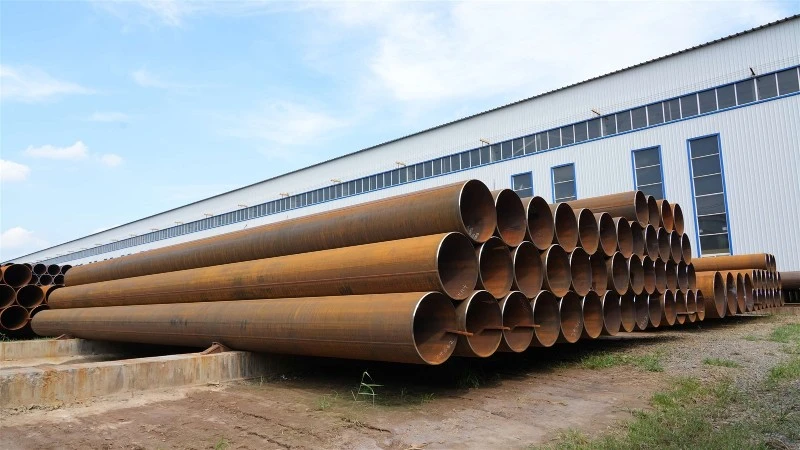
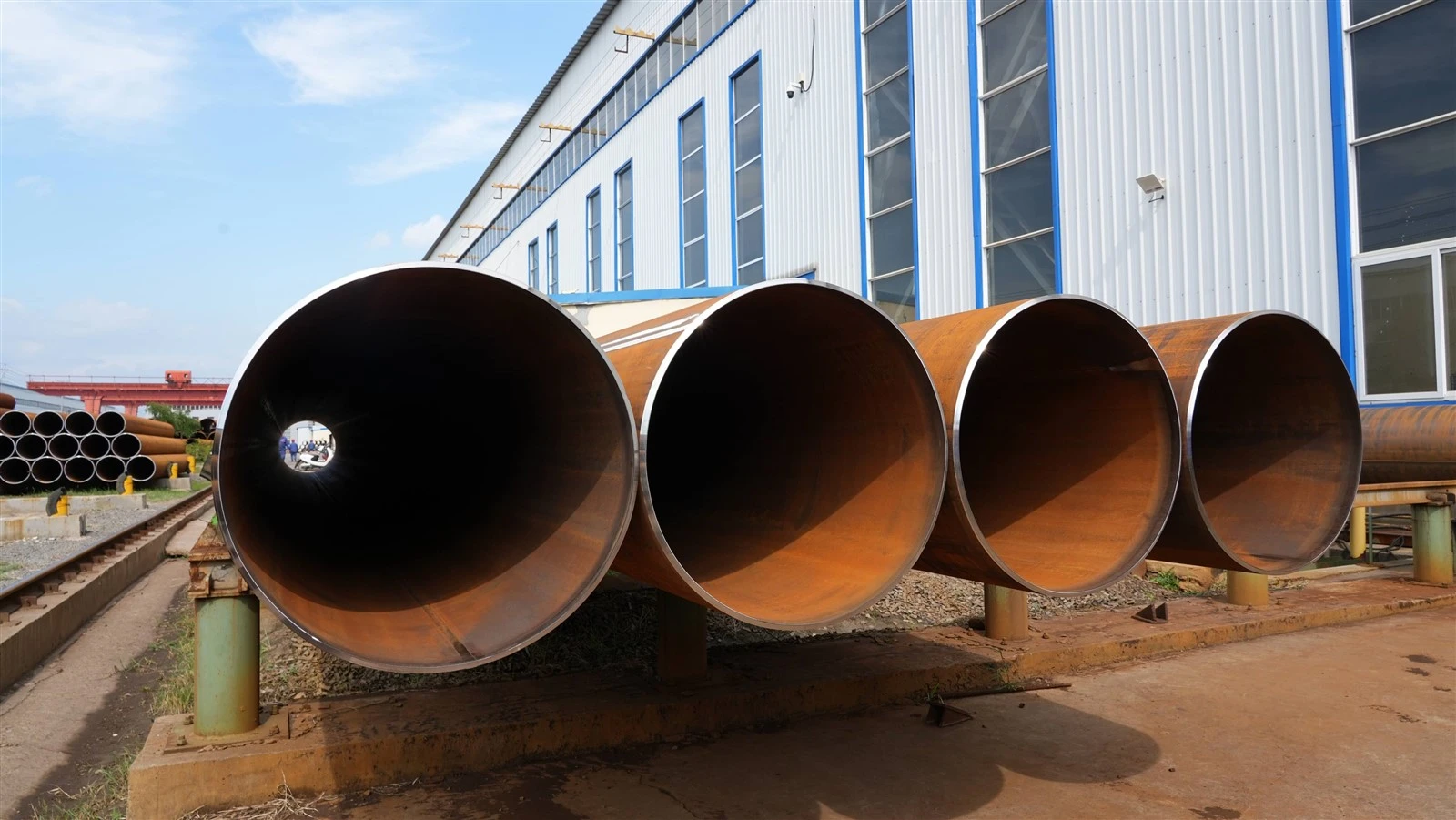
As a direct steel pipe manufacturer, Huayang Steel Pipe coordinates production and order follow-up to support customers with different project requirements. Our product range includes HFW steel pipes with outside diameters from 48 to 660.4 mm and LSAW steel pipes from 406.4 to 2,800 mm. We also provide hot-expanded steel pipes, anti-corrosion processing, and customized steel pipe deep-processing services.
For each order, delivery planning needs to take account of the product type, dimensions, quantity, production requirements, inspection procedures, and any additional processing. Available stock may support shorter lead times for suitable specifications, while customized or large-volume orders require production planning based on actual capacity and material availability.
After order confirmation, clear communication about key milestones helps customers follow progress and coordinate their own project schedules. By addressing technical requirements, inspection arrangements, documentation, and shipment planning together, Huayang aims to make the supply process more transparent and dependable.
Planning a pipeline project with a strict delivery deadline? Contact Huayang Steel Pipe with your required pipe sizes, steel grades, standards, quantities, inspection requirements, and target delivery date. Our team can review your requirements and discuss a practical supply schedule based on production arrangements and product availability.
How Can Reliable Steel Pipe Supply Help Keep Your Project on Track?
A pipeline project depends on the coordination of people, equipment, materials, and construction activities. Even a well-designed construction plan can be affected when critical steel pipes do not arrive as expected. For EPC contractors, managing delivery risk is therefore an essential part of protecting project schedules, controlling costs, and maintaining relationships with project owners.
Choosing a capable steel pipe manufacturer, confirming specifications early, accounting for inspection and processing time, and monitoring order milestones can all improve delivery planning. Direct factory communication also gives buyers a clearer view of production arrangements and potential schedule changes.
At Huayang Steel Pipe, we understand that customers need more than steel pipes that meet technical requirements. They also need clear communication and a supply plan that supports the realities of their projects. By coordinating production, quality inspection, documentation, and shipment preparation, we work to help customers maintain construction progress and reduce avoidable delivery risks.
Read More:
Global Supply And On-Time Delivery: How Huayang Ensures Reliable Support For Large-Scale Projects


