


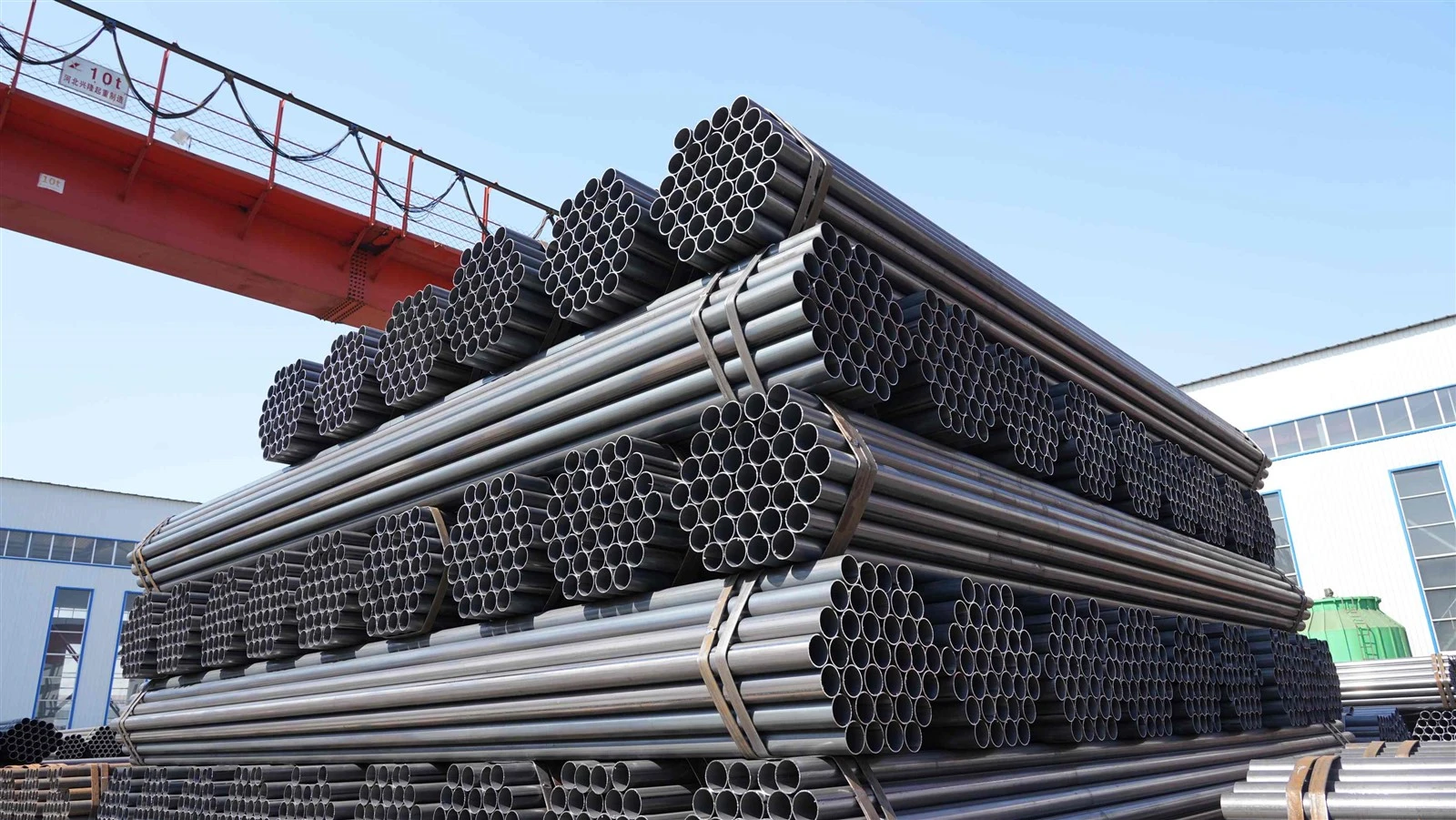
Does the manufacturing strength of a Chinese steel pipe factory impress you? Covering approximately 660,000 square meters and equipped with more than 40 automatic production lines, Huayang Steel Pipe has an annual sales volume of approximately 2.75 million tons. Beyond large-scale pipe manufacturing, the company provides integrated deep processing and internal and external anti-corrosion services, with key production and processing operations managed in-house. Supported by industry qualifications including API, CE-related certifications, GOST-related compliance, and BV-related credentials for applicable activities, Huayang supplies steel pipes for oil and gas, infrastructure, and other engineering projects in international markets.
How Does Large-Scale Manufacturing Support Steel Pipe Supply?
For major pipeline and infrastructure projects, a steel pipe manufacturer's strength cannot be measured by factory size alone. Buyers need to understand whether the manufacturer has the production capacity, equipment, process controls, and organizational resources to meet the technical and delivery requirements of a specific order.
Huayang Steel Pipe's approximately 660,000-square-meter manufacturing site and more than 40 automatic production lines provide a substantial production base. Its annual sales volume of approximately 2.75 million tons reflects the scale of its business. These figures are particularly relevant to customers evaluating suppliers for large-volume orders, repeat procurement, or projects involving multiple pipe specifications.
However, capacity is only one part of reliable supply. Actual performance also depends on product type, production-line suitability, raw material availability, inspection requirements, order scheduling, and the complexity of customized processing. A manufacturer must match each order to the appropriate production resources rather than treating all steel pipes as interchangeable products.
Why Does Production Capacity Matter for Large Projects?
Large engineering projects often require substantial quantities of steel pipes within a defined construction schedule. If a supplier lacks suitable equipment or sufficient production resources, orders may become difficult to coordinate, especially when several diameters, wall thicknesses, or steel grades are involved.
A manufacturer with a broad production base can evaluate different requirements across its product range and plan production according to confirmed specifications. For buyers, the important questions are whether the required dimensions can be manufactured, whether the selected production route is suitable, and whether the proposed delivery schedule is realistic.
Automation and Manufacturing Consistency
Automatic production equipment can help control repeatable manufacturing operations and reduce dependence on manual adjustments in processes where automation is applicable. Nevertheless, automation alone does not guarantee product quality. Equipment maintenance, process parameters, operator competence, inspection procedures, and corrective action remain essential.
For steel pipe procurement, buyers should assess production capability together with quality assurance. Consistent product specifications, inspection records, and clear acceptance criteria provide a more meaningful basis for evaluating a supplier than equipment numbers alone.
Why Is Integrated Deep Processing Important for Steel Pipe Buyers?
A steel pipe order may involve more than producing the pipe itself. Depending on the application, customers may require specified cutting lengths, bevelled ends, coating systems, marking, packaging, and supporting quality documentation. If these services are arranged through several independent companies, procurement teams may need to coordinate additional schedules, technical instructions, and inspection responsibilities.
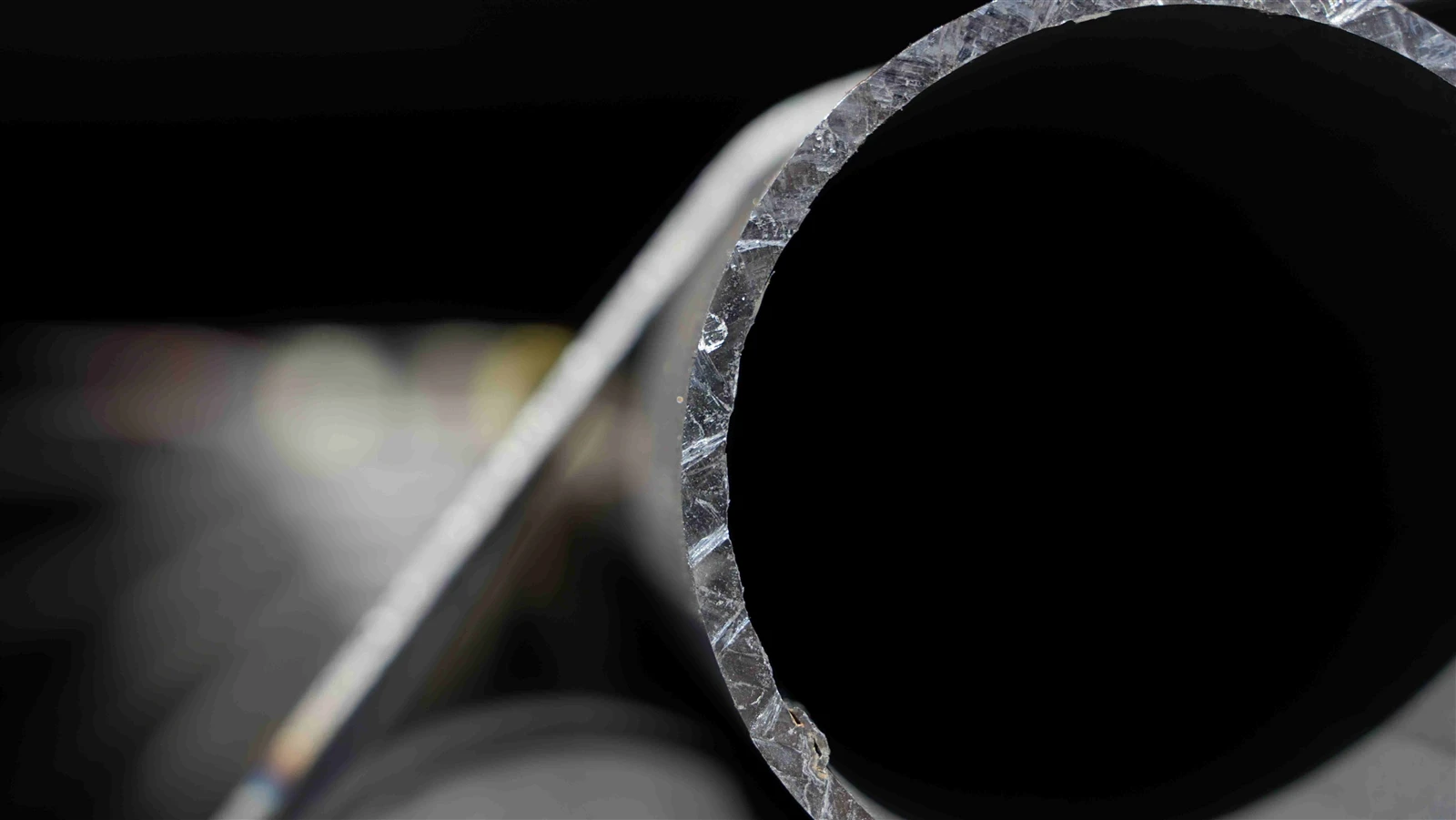
Huayang provides integrated deep processing and internal and external anti-corrosion services for suitable products and order requirements. Managing these operations within the company's manufacturing system can simplify coordination and provide a clearer workflow from pipe production to finished-product preparation.
How Does In-House Processing Help Reduce Coordination Risks?
When processing requirements are confirmed before production, the manufacturer can consider pipe dimensions, cutting allowances, end preparation, coating requirements, and packaging arrangements as part of the order plan. This helps reduce the possibility of inconsistent instructions being passed between separate suppliers.
For example, pipes intended for field welding may require specified bevel geometry. Pipes for buried pipelines may need an external coating selected according to soil conditions and project requirements. The base pipe, end preparation, and coating process must be coordinated so that the finished product meets the purchase specification.
Selecting the Right Anti-Corrosion System
Corrosion protection is particularly important when steel pipes operate in environments involving soil moisture, seawater, or aggressive media. Huayang offers anti-corrosion options that include 3PE, 2PE, 3PP, 2PP, fusion-bonded epoxy powder, and internal epoxy coatings, subject to product suitability and confirmed requirements.
The appropriate coating depends on the operating environment, service temperature, surface preparation, coating thickness, and project specification. For acidic service, buyers must also evaluate the base material and the actual chemical conditions; a coating system should not be assumed to provide universal resistance to every corrosive medium.
By discussing processing and coating requirements with the manufacturer at the quotation stage, buyers can clarify the scope of supply and reduce uncertainty before production begins.
What Steel Pipe Products and Supporting Services Can a Manufacturer Provide?
Different engineering applications require different manufacturing processes and product dimensions. A capable steel pipe supplier should be able to evaluate the application and recommend products that meet the specified technical requirements rather than offering a single pipe type for every project.
Huayang manufactures HFW, LSAW, and hot-expanded steel pipes, alongside supporting deep processing and anti-corrosion services. The following table outlines their general application areas and the main points buyers should confirm before ordering.
| Product or Service | Typical Applications | Key Points to Confirm |
|---|---|---|
| HFW steel pipe | Fluid transportation and structural applications | Diameter, wall thickness, grade, applicable standard, and weld inspection |
| LSAW steel pipe | Large-diameter oil and gas pipelines, water transmission, and infrastructure | Dimensions, steel grade, weld quality, testing, and project specification |
| Hot-expanded steel pipe | Applications requiring specific expanded dimensions | Final diameter, wall thickness, material properties, and manufacturing requirements |
| Deep processing | Projects requiring customized lengths or prepared pipe ends | Cutting dimensions, bevel geometry, tolerances, and drawings |
| Anti-corrosion processing | Buried pipelines and other corrosion-exposed applications | Coating type, operating conditions, surface preparation, and inspection requirements |
How Should Buyers Evaluate a Manufacturer's Product Range?
A wide product range is useful only when the manufacturer can meet the exact requirements of the order. Buyers should provide the required standard, steel grade, outside diameter, wall thickness, pipe length, quantity, inspection scope, and any coating or end-preparation requirements.
Matching Manufacturing Capability to the Specification
For oil and gas projects, the applicable standard and product specification determine important requirements relating to material properties, manufacturing, testing, and acceptance. Infrastructure projects may have different structural or fluid-service requirements. Product suitability must therefore be confirmed against the relevant documents rather than inferred from the manufacturer's general capabilities.
When requesting a quotation from Huayang Steel Pipe, customers should provide technical specifications and project drawings whenever possible. This allows the team to review product suitability, processing needs, and delivery expectations before confirming the order.
How Do International Qualifications Support Overseas Steel Pipe Projects?
International buyers often need to verify that steel pipes and their manufacturers meet the standards and approval requirements specified for a particular project. API standards, CE-related requirements, GOST standards, and GB/T 9711 apply within their respective scopes. They are not interchangeable, and a manufacturer's qualification in one area does not automatically establish compliance with every product standard or project requirement.
Huayang holds multiple industry qualifications and relevant credentials, including API-related qualifications and BV-related credentials for applicable activities. The exact certification scope, product coverage, and validity should be checked against the specific order and project requirements.
Quality assurance also extends beyond certificates. Depending on the applicable standard and purchase specification, inspection may include chemical analysis, mechanical testing, dimensional checks, ultrasonic testing, radiographic testing, hydrostatic testing, or coating inspection. The required methods, acceptance criteria, and documentation should be confirmed before production.
For overseas projects, export preparation is another important consideration. Clear product marking, appropriate packaging, accurate shipping documents, and coordination of inspection and delivery requirements help buyers manage the transition from manufacturing to project-site receipt. A well-defined export process supports communication among the manufacturer, purchaser, logistics provider, and receiving contractor.
Why Choose Huayang Steel Pipe for Your Pipeline Project?
A large manufacturing base provides the foundation for production, but a strong supplier must also coordinate product selection, processing, quality verification, and delivery. Huayang Steel Pipe combines large-scale manufacturing with HFW, LSAW, and hot-expanded steel pipe production, integrated deep processing, and anti-corrosion services for suitable applications.
Its products serve customers in overseas markets for oil and gas, infrastructure, and other engineering applications. For each order, the actual scope of supply and delivery schedule should be established according to the confirmed specification, production requirements, inspection arrangements, and destination.
Planning a pipeline or infrastructure project? Contact Huayang Steel Pipe with your required standards, steel grades, dimensions, quantity, and processing requirements. Our team can help review the product options and discuss a suitable supply solution for your project.
Choosing a steel pipe manufacturer is ultimately a decision about more than factory size. Production resources, technical suitability, process coordination, quality documentation, and delivery planning all contribute to a dependable supply relationship. By evaluating these factors together, buyers can make more informed procurement decisions for demanding engineering projects.
Read More:
How Can A Steel Pipe Manufacturer Help Safeguard Long-Term Engineering Projects?
What Should You Know About LSAW Steel Pipes For Large-Scale Pipeline Projects?


