


Why do international long-term pipeline projects avoid choosing steel pipe suppliers based on price alone? Because large engineering projects need more than a competitive quotation. They require consistent product quality, dependable manufacturing processes, and reliable supply across multiple production batches. When projects last for years, changes in pipe dimensions, material properties, or manufacturing quality can complicate installation, inspection, and construction coordination. A supplier that delivers acceptable products for one order may not necessarily provide the consistency required for a long-term project. For overseas pipeline contractors, choosing a stable steel pipe manufacturer is therefore an important decision that affects quality management, construction efficiency, and long-term project performance.
Why Is Consistent Steel Pipe Quality Important for Long-Term Projects?
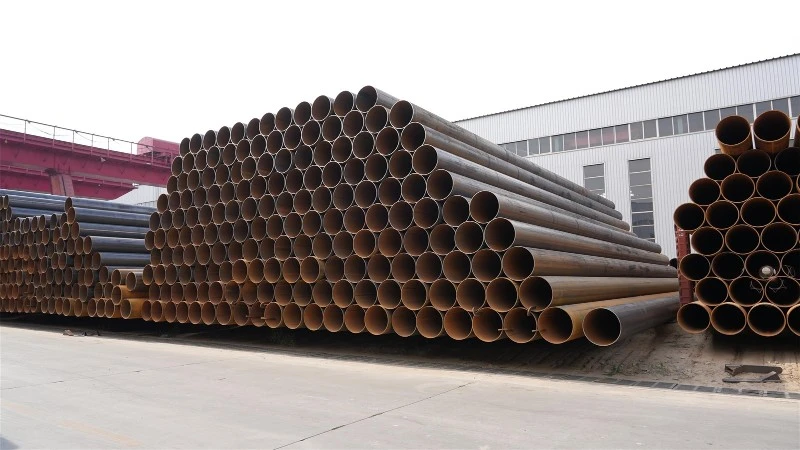
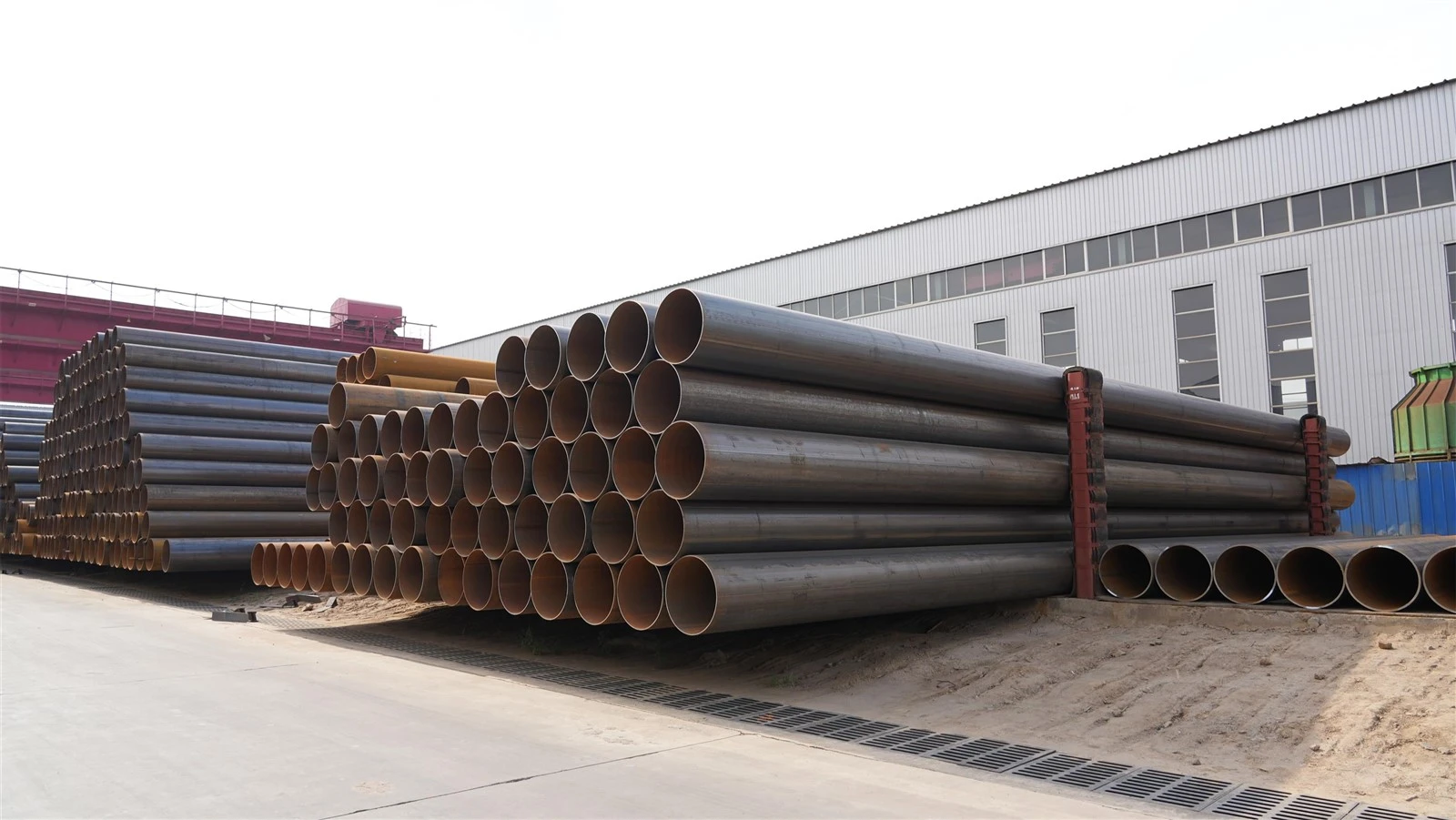
Long-term pipeline projects often involve repeated purchases of steel pipes over months or years. Different batches may be manufactured at different times, but the products must still meet the technical requirements established by the project. Maintaining consistency across these deliveries helps construction teams work with predictable materials and established installation procedures.
How Can Batch-to-Batch Differences Affect Construction?
Steel pipes must comply with specified requirements for outside diameter, wall thickness, steel grade, length, tolerances, and other relevant characteristics. If products from different batches vary beyond the permitted limits, contractors may need additional inspections or adjustments before using them.
For example, inconsistent dimensions can complicate alignment, fit-up, and welding during pipeline installation. Differences in material properties or product identification can also increase the workload for quality control teams. When a project receives pipes from multiple suppliers with different manufacturing practices, coordinating technical documentation and acceptance procedures may become more complicated.
The objective is not to assume that all batches must be physically identical. Manufacturing always operates within specified tolerances. Instead, the manufacturer must consistently control product characteristics within the requirements of the applicable standard and project specification.
Why Does a Consistent Manufacturing Process Matter?
A stable manufacturing process helps reduce avoidable variation between production batches. This requires controlled operating procedures, suitable equipment, trained personnel, defined inspection requirements, and documented quality management practices.
For welded steel pipes, relevant process controls may include forming conditions, welding parameters, dimensional checks, and inspection procedures. The specific controls depend on the manufacturing method and product requirements.
Maintaining Consistency Across Repeated Orders
When a project places repeat orders, the manufacturer should refer to the approved technical specification and applicable production requirements rather than treating each shipment as an unrelated transaction. Changes to material grades, manufacturing procedures, or inspection arrangements should be evaluated and managed through an appropriate approval process when required.
This approach helps the customer maintain a consistent basis for procurement, inspection, and construction throughout the project lifecycle.
What Risks Arise When Long-Term Projects Frequently Change Suppliers?
Changing steel pipe suppliers can introduce additional coordination requirements, particularly when the replacement supplier uses different manufacturing processes, documentation systems, or production arrangements. Supplier changes are sometimes necessary, but they should be managed carefully to protect project consistency.
How Can Multiple Suppliers Complicate Quality Management?
Different manufacturers may have different production capabilities, internal quality procedures, inspection equipment, and document formats. Even when they supply pipes to the same standard, buyers still need to verify that each supplier meets the project's specific requirements.
Using multiple suppliers may also increase the workload for procurement and quality teams. They must review separate manufacturing records, coordinate inspection activities, verify product markings, and manage communication with different technical contacts.
For a long-term pipeline project, maintaining a reliable supplier relationship can make these recurring tasks more manageable. It also allows the project team to build familiarity with the manufacturer's production capabilities and documentation practices.
Why Is the Lowest Initial Price Not Always the Lowest Project Cost?
The purchase price is only one part of the total cost of steel pipe supply. Additional inspection, material replacement, installation adjustments, storage, transportation, and construction delays can increase the final project expenditure.
A low quotation may be commercially attractive, but buyers should also assess whether the supplier can meet the required specifications, deliver the planned quantities, and maintain consistent quality across repeat orders.
Evaluating Total Cost Over the Project Lifecycle
A more complete evaluation considers product conformity, inspection requirements, delivery reliability, documentation, and the resources needed to manage the supplier relationship. For multi-year projects, a manufacturer that consistently meets agreed requirements may help reduce recurring procurement and quality-management costs.
This does not mean the most expensive supplier is automatically the best choice. The goal is to identify a supplier that provides the right balance of price, technical capability, quality consistency, and dependable service.
How Can Buyers Evaluate a Stable Steel Pipe Manufacturer?
Choosing a long-term supplier requires more than reviewing a product catalogue or comparing quotations. Buyers should assess whether the manufacturer's production capabilities and quality management practices are suitable for the project's ongoing requirements.
|
Evaluation factor |
What buyers should check |
Why it matters for long-term projects |
|
Manufacturing capability |
Available pipe types, dimensions, steel grades, and production capacity |
Helps determine whether the supplier can support repeated orders |
|
Process consistency |
Documented procedures and control of relevant manufacturing parameters |
Supports consistent production across batches |
|
Quality inspection |
Inspection plans, testing capability, and compliance with project requirements |
Helps verify product conformity |
|
Traceability |
Links between pipe identification, material records, and inspection reports |
Simplifies document review and acceptance |
|
Production planning |
Capacity allocation, lead times, and coordination for repeat orders |
Supports continuity of material supply |
|
Technical communication |
Clear processes for specification confirmation and approved changes |
Reduces misunderstandings during long-term cooperation |
|
Commercial reliability |
Transparent quotation scope and clear contractual responsibilities |
Helps manage cost and supply expectations |
Why Should Buyers Review Quality Records?
Quality records provide evidence that the manufacturer follows the agreed requirements. Depending on the order, relevant documents may include material test certificates, dimensional inspection records, non-destructive testing reports, and other specified inspection results.
For repeated orders, buyers should also establish how records will be organized and retrieved. Clear product identification and consistent documentation practices help connect each shipment with its relevant manufacturing and inspection information.
How Should Suppliers Handle Changes During a Long-Term Project?
Specifications may change as engineering requirements develop, but changes should not be introduced informally. Buyers and manufacturers should confirm the revision, assess its effect on materials and production, and update relevant documentation and approvals.
A clear change-control process helps prevent different batches from being manufactured against conflicting requirements. It also gives the project team a reliable reference when reviewing products delivered at different stages.
How Does Huayang Steel Pipe Support Long-Term Project Cooperation?
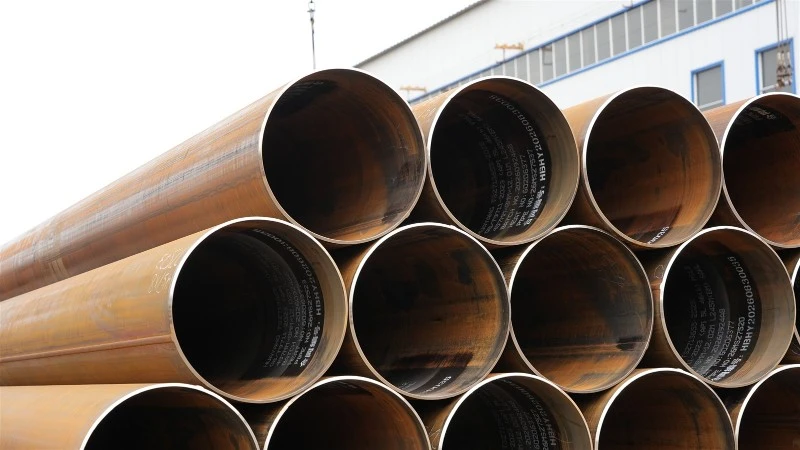
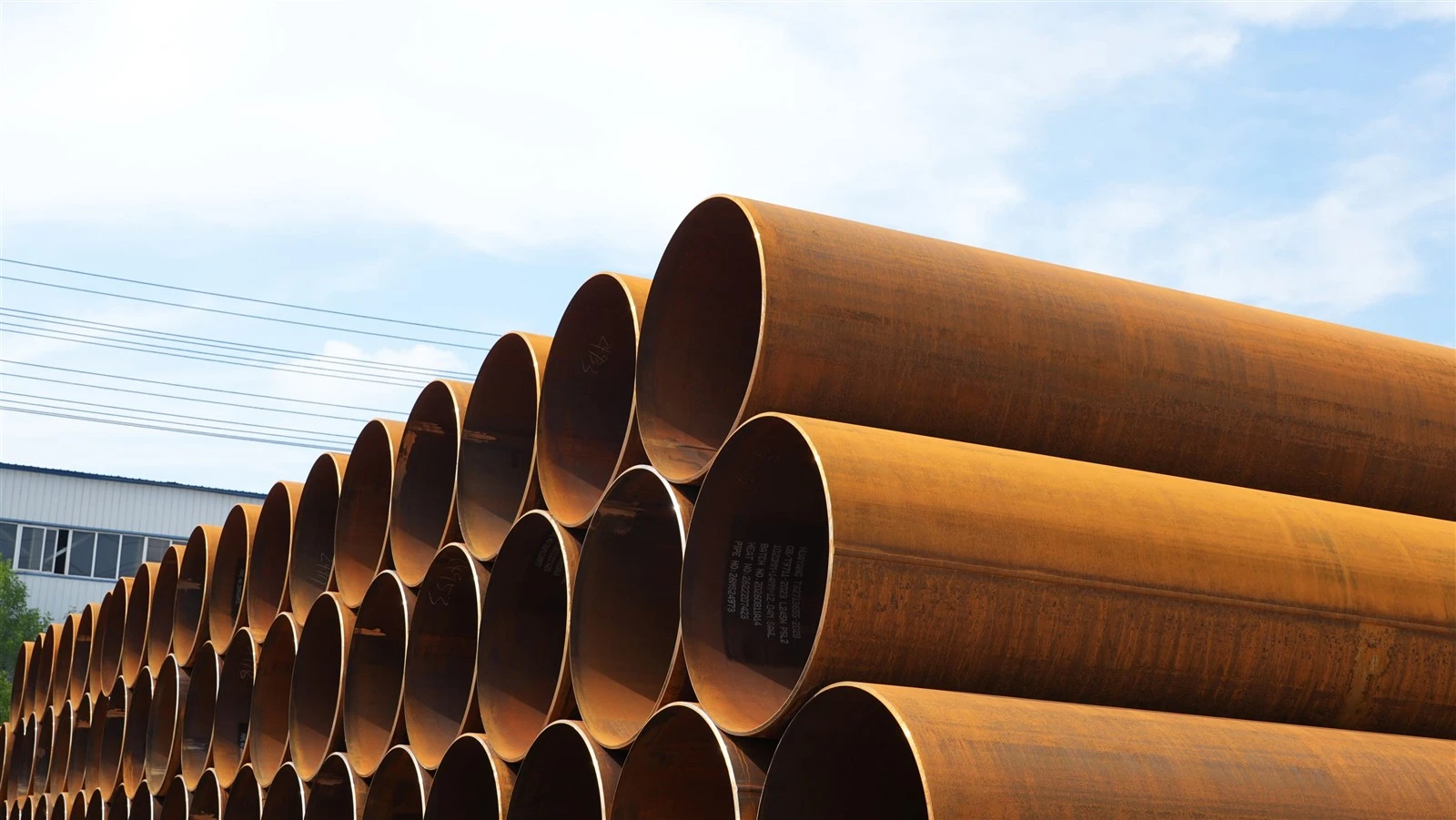
Huayang Steel Pipe manufactures HFW steel pipes with outside diameters from 48 to 660.4 mm and LSAW steel pipes from 406.4 to 2,800 mm. Our product range also includes hot-expanded steel pipes, anti-corrosion steel pipes, and customized steel pipe deep-processing services.
For long-term supply arrangements, product specifications, inspection requirements, and delivery expectations need to be clearly established for each order. Maintaining alignment with the agreed technical requirements helps support consistent manufacturing and makes it easier for customers to coordinate repeated purchases.
Huayang's manufacturing and quality management processes support production, inspection, documentation, and shipment preparation according to the applicable order requirements. Customers can discuss recurring demand, required product ranges, quality documentation, and anticipated delivery schedules with our team when planning a long-term supply arrangement.
For international projects, effective cooperation also depends on communication. Timely clarification of technical questions, clear handling of specification changes, and coordination of production and inspection milestones can help both parties manage their responsibilities more effectively.
Planning a multi-year pipeline or infrastructure project? Contact Huayang Steel Pipe with your product specifications, estimated annual quantities, applicable standards, inspection requirements, and expected delivery schedule. Our team can discuss suitable manufacturing options and how to coordinate supply for your project's ongoing needs.
Why Is Stability the Long-Term Value of a Steel Pipe Supplier?
For a one-time purchase, buyers may focus primarily on price and immediate availability. For long-term engineering projects, the priorities are broader. The manufacturer must repeatedly meet technical requirements, maintain appropriate process controls, provide verifiable quality records, and coordinate supply as the project develops.
Consistent steel pipe quality helps reduce avoidable variation during installation. Reliable documentation supports inspection and traceability, while clear communication makes repeat procurement easier to manage. Together, these factors contribute to a more predictable supply relationship.
At Huayang Steel Pipe, we believe that long-term cooperation is built on consistent manufacturing, clear quality requirements, and dependable communication. Our goal is to support overseas customers not just with individual shipments, but with steel pipe solutions aligned with the technical and supply needs of their projects. For long-term pipeline construction, a stable manufacturing partner can be an important part of building a more reliable project from the first batch to the last.
Read More:
Welded Steel Pipe: Formation And Manufacturing Processes
How Does Huayang Steel Pipe Maintain Stable Quality in Large-Scale Production?


