


For anti-corrosion steel pipes destined for overseas projects, meeting coating specifications and passing factory inspections are only part of the quality assurance process. Long-distance ocean transportation introduces additional risks that can affect the pipe coating, exposed steel surfaces, and final product acceptance.
Inside a closed shipping container, temperature fluctuations, high humidity, and salt-laden marine air can create challenging conditions. Condensation may form on steel surfaces and packaging materials, while repeated wetting and drying can accelerate corrosion in vulnerable areas. Pipe ends, bevels, and other uncoated surfaces are particularly susceptible if they are not adequately protected.
For overseas pipeline contractors, EPC companies, and steel pipe distributors, transportation protection is therefore an important consideration when purchasing anti-corrosion steel pipes. Proper preparation before shipment helps preserve product condition, reduce avoidable damage, and support smooth inspection and acceptance at the destination.
Why Can Ocean Transportation Damage Anti-Corrosion Steel Pipes?
Anti-corrosion coatings are designed to protect steel against corrosion under specified service conditions. However, a coating that passes factory inspection does not automatically eliminate every risk during shipping. Transportation introduces environmental conditions and mechanical stresses that must be considered separately.
Condensation and Salt Exposure Inside Shipping Containers
During ocean transportation, containers can experience significant temperature changes between daytime and nighttime, as well as between different stages of a voyage. When humid air comes into contact with surfaces below its dew point, moisture condenses into water droplets. This phenomenon, commonly known as container rain, can wet steel pipes, packaging, and exposed metal surfaces.
Marine environments may also expose cargo to salt contamination through the surrounding atmosphere, handling conditions, or contaminated surfaces. When moisture and soluble salts remain on exposed steel, corrosion can develop more readily. Repeated cycles of condensation and drying may further increase the risk of surface rust.
Why Are Pipe Ends and Exposed Steel Areas More Vulnerable?
The main body of an anti-corrosion steel pipe is protected by a coating system such as 3PE, 3PP, FBE, or another specified coating. Pipe ends, bevels, and designated uncoated areas, however, may remain exposed to allow subsequent welding, joint preparation, or installation.
Without suitable temporary protection, these areas can develop flash rust during prolonged transportation or storage. Although localized surface rust may appear minor, it can lead to additional cleaning requirements, inspection concerns, and potential rejection if the condition does not comply with the project's acceptance criteria.
The coating itself also requires protection. Scratches, impact damage, and abrasion caused by pipe-to-pipe contact or improper securing can compromise the coating and create areas that require repair before installation.
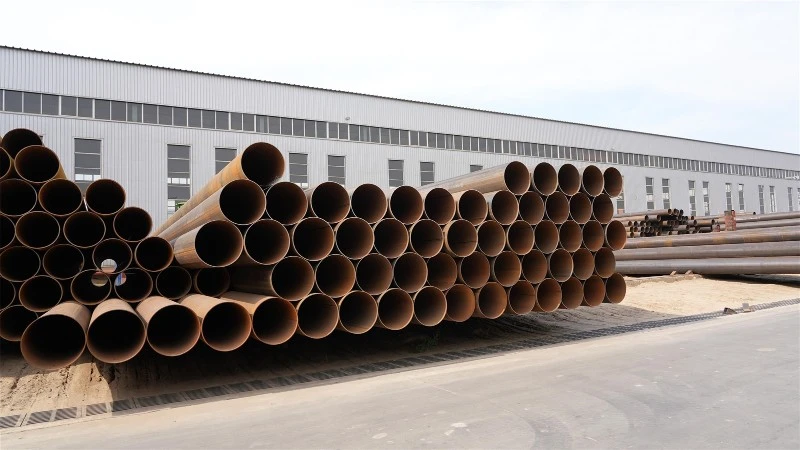
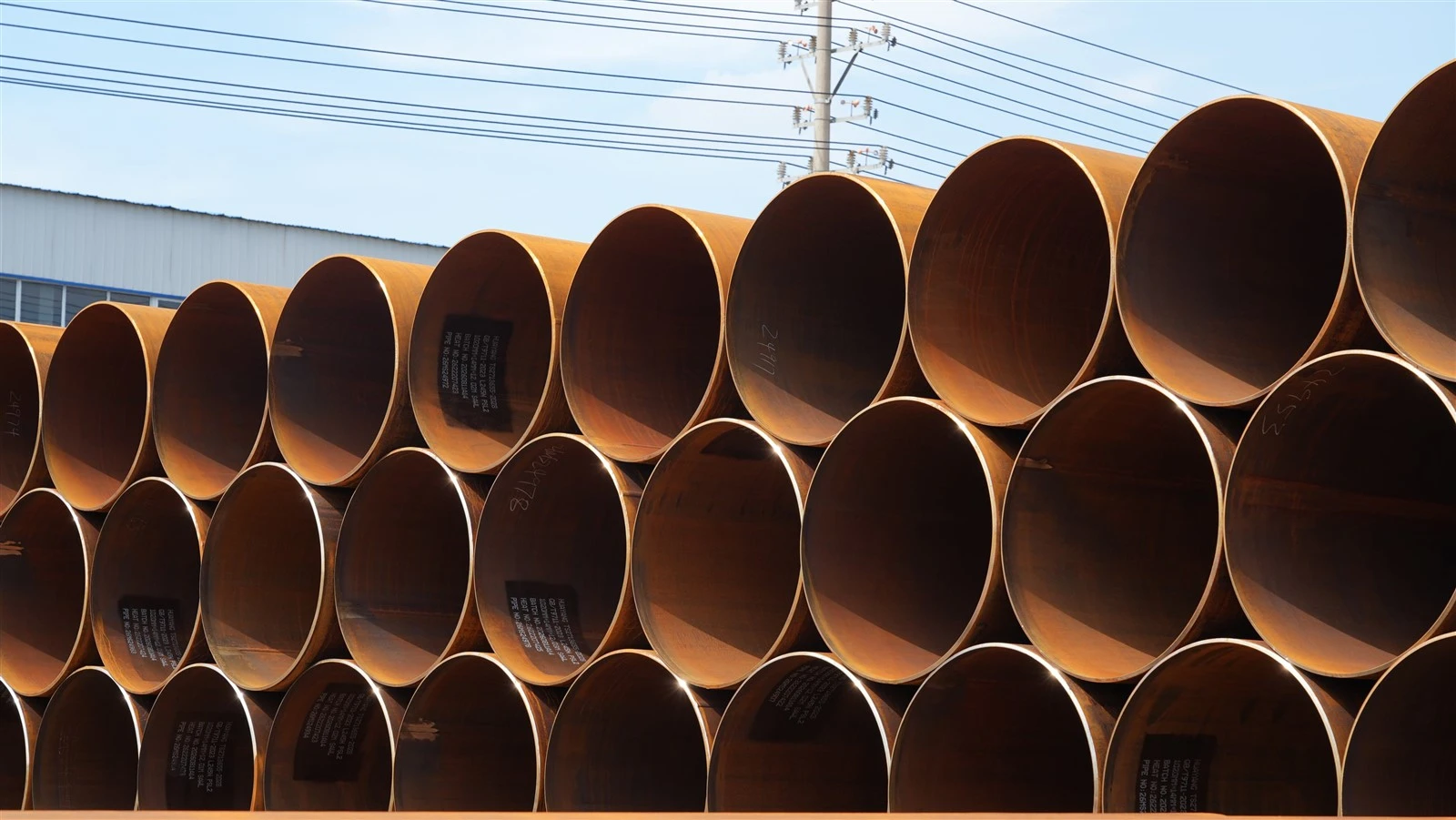
What Protection Measures Help Prevent Corrosion During Sea Freight?
Effective transportation protection should address environmental exposure and mechanical damage together. The appropriate measures depend on the coating system, pipe dimensions, shipping method, voyage duration, storage conditions, and project-specific requirements.
Common Protection Methods for Export Anti-Corrosion Pipes
The following table summarizes commonly considered measures for protecting anti-corrosion steel pipes during overseas transportation.
|
Protection measure |
Main purpose |
Key consideration |
|
Pipe-end caps or sealing |
Reduce direct exposure to moisture, debris, and contaminants |
Ensure secure fitting and suitability for the shipping conditions |
|
Temporary protection for exposed steel |
Help prevent flash rust on bevels and uncoated areas |
Select a compatible, removable product that will not interfere with welding |
|
Separation and cushioning |
Reduce coating abrasion and impact damage |
Use suitable separators and avoid direct metal-to-metal contact |
|
Cargo securing |
Minimize movement during loading and transportation |
Use appropriate restraints and load distribution |
|
Moisture-control measures |
Help manage condensation risk inside packaging or containers |
Consider ventilation, desiccants, packaging design, and voyage conditions |
|
Loading and unloading inspection |
Identify coating damage or handling defects |
Record visible conditions and repair damage according to approved procedures |
These measures should be selected as part of a coordinated shipping plan rather than applied as a universal package. For example, pipe-end caps may help limit direct contamination, but they do not eliminate condensation throughout a container. Similarly, moisture-control materials can reduce moisture-related risks when properly designed and applied, but they cannot guarantee that condensation will never occur.
How Should Temporary Protection Be Selected?
Temporary rust-preventive products, protective films, and sealing materials must be compatible with the pipe's coating system and subsequent installation process. Some substances can contaminate weld preparation areas or leave residues that require removal before welding.
For this reason, the protection plan should specify which surfaces require treatment, how the materials will be removed, and what condition the steel must meet before installation. Where the project requires clean, untreated bevels or other specific surface conditions, those requirements should take priority over generic shipping practices.
How Can Transportation Protection Be Integrated with Factory Quality Control?
Transportation preparation should begin before the pipes leave the production facility. A well-controlled process connects final inspection, surface preparation, protective packaging, cargo handling, and shipping documentation.
Final Inspection Before Packing
Before shipment, anti-corrosion steel pipes should undergo the inspections required by the purchase specification. Depending on the product and coating system, these may include dimensional inspection, visual examination, coating thickness measurement, holiday detection, and adhesion testing where applicable.
Pipe ends, coating cutbacks, and exposed steel areas deserve particular attention because they may require different protection measures from the coated pipe body. Any coating defects identified during inspection should be repaired and rechecked according to the applicable procedure before packing.
Packaging and Loading Controls
After final inspection, pipes should be handled with equipment and lifting accessories suitable for the coating system. Improper slings, sharp contact points, or excessive pressure can damage the coating even when the original application meets the required specifications.
During loading, suitable separators, protective materials, and securing arrangements help reduce movement and abrasion. Pipe bundles or individual pipes should be positioned according to their dimensions, weight, packaging design, and transport requirements. Loading records and photographs can also help document the cargo's condition before dispatch.
Documentation and Overseas Project Acceptance
Export orders may require inspection reports, coating records, material certificates, packing lists, and other documents specified by the purchaser. Clear documentation helps the receiving party verify the shipment and investigate any damage observed after arrival.
For projects with strict third-party inspection requirements, the manufacturer and buyer should agree in advance on the acceptance criteria for coating condition, exposed steel, temporary protection, and allowable transportation damage. This avoids relying on subjective judgments when the cargo reaches its destination.
How Does Huayang Steel Pipe Support Export Anti-Corrosion Pipe Projects?
Hebei Huayang Steel Pipe manufactures anti-corrosion steel pipes for customers serving pipeline construction, energy infrastructure, and other industrial applications. Its anti-corrosion product range includes external coating systems such as FBE, 2PE, 3PE, 2PP, and 3PP, as well as internal epoxy powder and liquid epoxy coating options, subject to project requirements.
For overseas orders, coating selection is only one part of the technical discussion. Pipe dimensions, steel grade, coating specification, surface preparation, inspection requirements, packaging, and shipping arrangements should be considered together to support the intended application.
Matching Protection with Project Requirements
Different export projects may require different transportation protection arrangements. A long ocean voyage in a container may present different risks from break-bulk shipping, while pipes intended for immediate installation may require a different temporary protection approach from those scheduled for extended outdoor storage.
Huayang Steel Pipe can coordinate relevant product and packaging requirements with customers before shipment. Depending on the purchase order and agreed procedures, this may include appropriate pipe-end protection, protection of exposed steel areas, coating-friendly separation materials, and handling precautions designed to reduce transportation-related damage.
Temporary protection should also take account of the subsequent welding and installation process. Materials applied to bevels or exposed steel must be compatible with the project's requirements and removed or prepared as necessary before welding. No single packaging method can eliminate all shipping risks, so the protection plan should reflect the actual transport route, cargo arrangement, and acceptance criteria.
Is Factory Anti-Corrosion Inspection Enough for Overseas Delivery?
Factory inspection confirms product conformity at a defined stage, but export quality assurance must also consider what happens after the pipes leave the production line. Condensation, salt contamination, exposed steel surfaces, and handling damage can all affect the condition of anti-corrosion steel pipes during long-distance transportation.
A reliable export process therefore combines coating quality, temporary corrosion protection, careful packaging, secure loading, traceable documentation, and clear acceptance requirements. By addressing these factors before shipment, buyers and manufacturers can reduce avoidable risks and help ensure that the pipes arrive in a condition suitable for project inspection and subsequent installation.
For overseas pipeline projects, protecting anti-corrosion steel pipes does not end when the coating passes its factory tests. It continues throughout packaging, transportation, unloading, and storage. Huayang Steel Pipe works with customers to align product specifications and shipment protection arrangements with project requirements, helping safeguard pipe quality from the factory to the destination.
Read More:
How Is Anti-Corrosion Steel Pipe Production Process?
Can Anti-Corrosion Coating Hide Defects in The Base Steel Pipe?


