


LSAW pipe ends are an important part of the final product because the end configuration directly affects how a steel pipe is connected, welded, installed, or used in a pipeline or structural project. For large-diameter longitudinal submerged arc welded pipes, choosing the appropriate pipe end is not simply a matter of appearance. Plain ends, beveled ends, and special ends are designed for different connection methods and project requirements.
For buyers, understanding the differences between these LSAW pipe end types can help with specification confirmation, welding preparation, transportation, and installation. The required end finish should normally be determined together with the applicable standard, pipe dimensions, material grade, connection method, and project requirements.
What Is an LSAW Pipe End?
LSAW, or Longitudinal Submerged Arc Welding, is a manufacturing process widely used for large-diameter and heavy-wall steel pipes. The pipe is formed from a steel plate and welded longitudinally using submerged arc welding. After forming and welding, the pipe ends are processed according to the requirements of the applicable standard and the customer's order.
Why Does Pipe End Design Matter?
The pipe end provides the interface between the steel pipe and the next component of a pipeline or structure. Its geometry can influence welding preparation, fitting installation, joint alignment, and the amount of additional machining required at the construction site.
End Preparation and Project Requirements
A project using field girth welding may require a specific bevel angle, root face, and end tolerance. In contrast, some structural or general-purpose applications may only require a plain end. Therefore, the pipe end should be specified before production rather than treated as a minor finishing detail.
The selected end type should also be consistent across the purchase order, technical specification, inspection requirements, and packing documents. For large-diameter LSAW pipes, accurate end dimensions are particularly important because small deviations can affect joint fit-up during installation.
What Are the Main Types of LSAW Pipe Ends?
The three common categories are plain ends, beveled ends, and special ends. Their differences are mainly related to the geometry of the pipe end and the intended connection or installation method.
Plain End LSAW Pipe
A plain end is a relatively simple pipe-end configuration in which the pipe is cut to the specified length without a welding bevel. The end face is generally perpendicular to the pipe axis, subject to the dimensional tolerances required by the applicable specification.
Where Are Plain End Pipes Used?
Plain end LSAW pipes can be used where the connection does not require a prepared welding bevel at the pipe manufacturing stage. They may be suitable for certain structural applications, fabricated assemblies, mechanical uses, or projects where further end preparation will be carried out after delivery.
For some projects, a plain end can also provide flexibility because the purchaser or fabricator can perform the final end machining according to actual installation conditions. However, whether this is acceptable depends on the project specification and connection method.
Beveled End LSAW Pipe
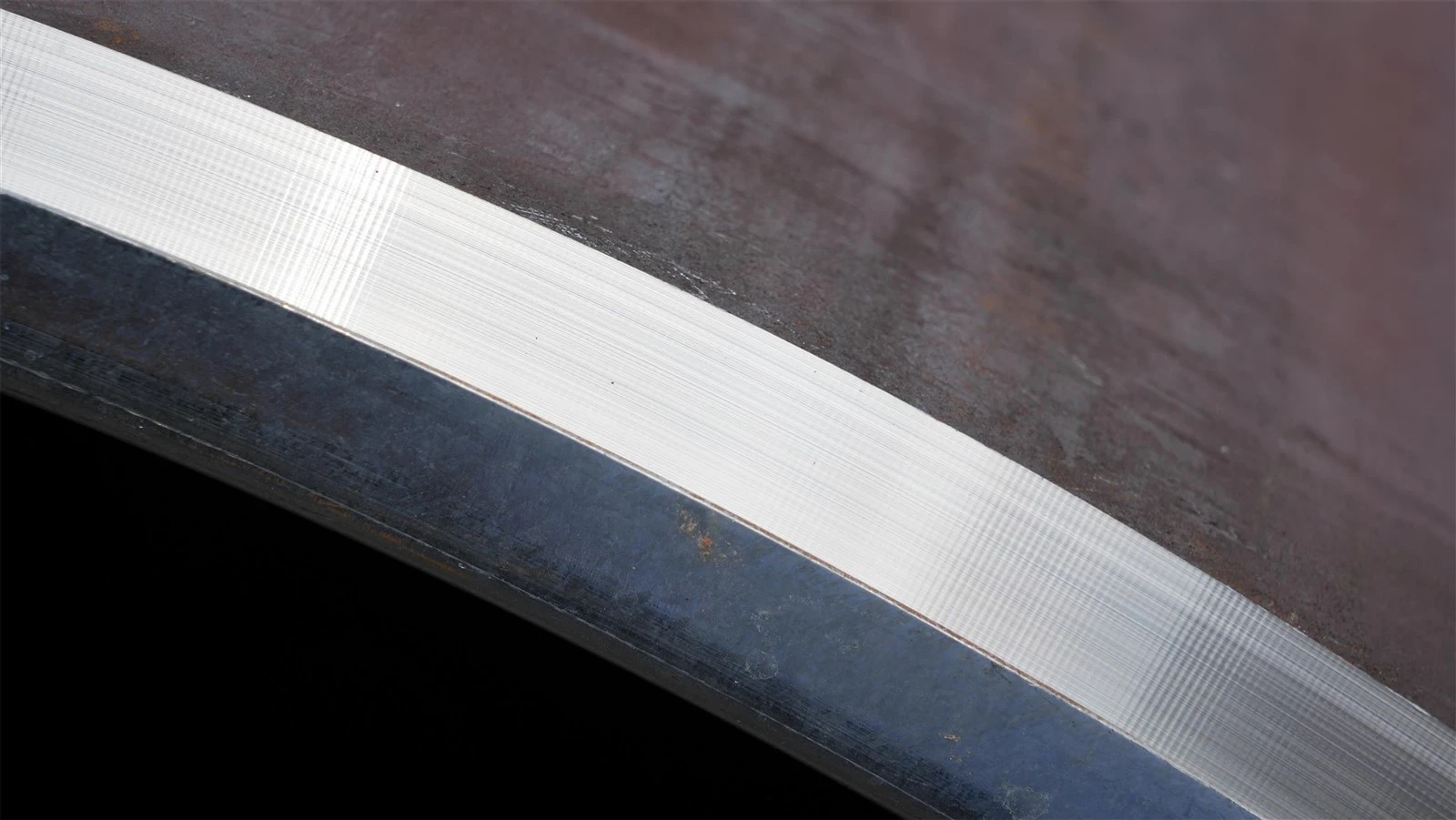
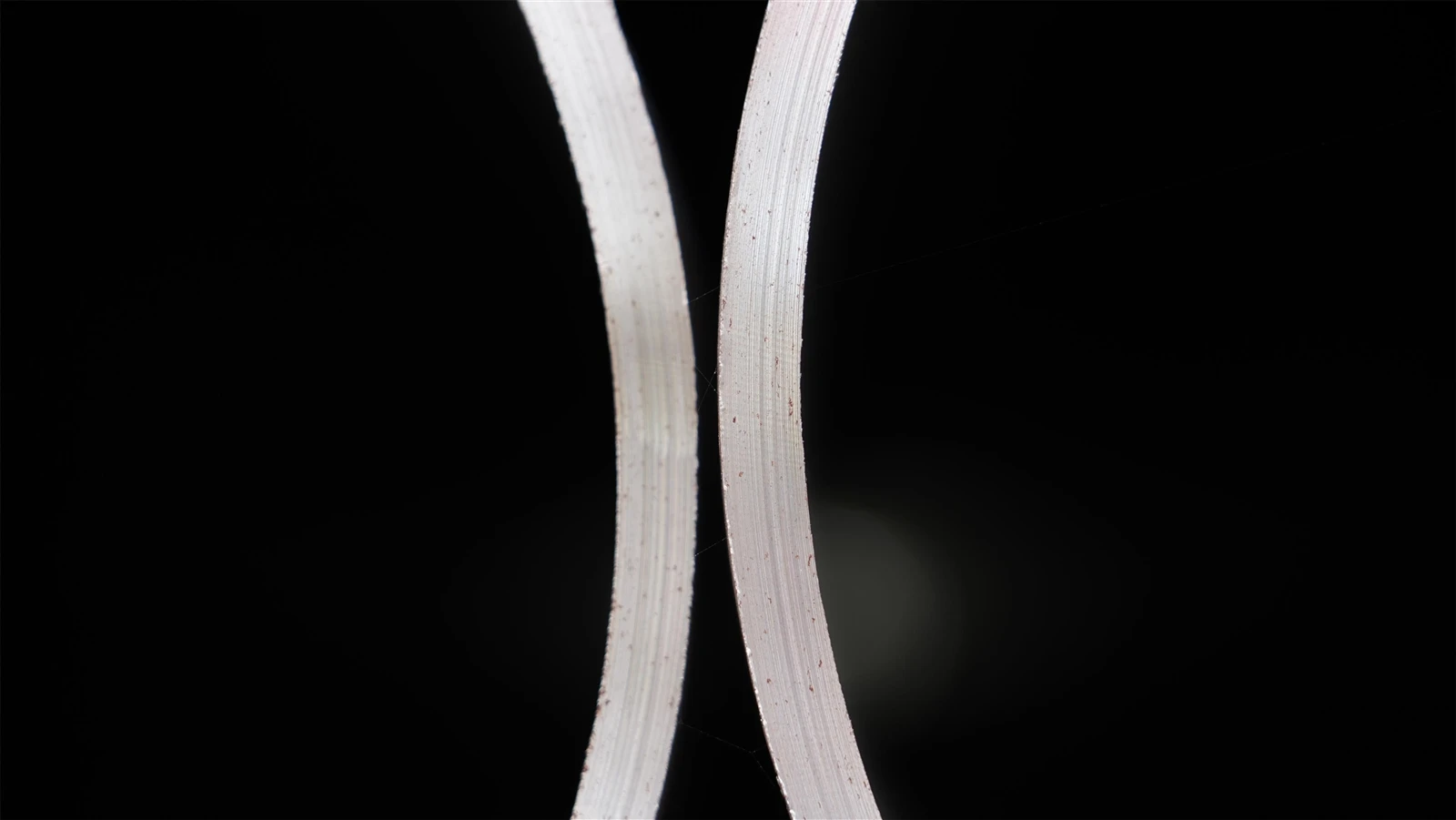
A beveled end is prepared by machining or cutting the pipe end at a specified angle. This configuration is commonly associated with butt welding because the bevel creates the necessary groove geometry for a welded pipe joint.
Why Is Beveling Important for Welding?
For large-diameter pipeline construction, pipes are frequently joined through circumferential welding. A properly prepared bevel provides space for the welding process and helps establish the required joint geometry. Bevel dimensions may include bevel angle, root face, and other parameters specified by the applicable standard or welding procedure.
A consistent bevel is important because variations in end preparation can affect fit-up and welding operations. For this reason, manufacturers normally control pipe-end dimensions during final inspection.
Typical Applications of Beveled Ends
Beveled-end LSAW pipes are commonly specified for transmission pipelines and other applications involving field or shop butt welding. They are particularly relevant where the pipe must be connected continuously to form a long pipeline system.
Special End LSAW Pipe
Special ends refer to end configurations that go beyond the standard plain or commonly specified bevel preparation. The exact geometry depends on the project, connection system, fabrication requirements, or customer drawings.
What Can Be Included in a Special End?
Special end requirements may involve customized end geometry, machining, dimensions, or preparation intended for a particular connection or fabrication process. Because the term "special end" does not represent one universal geometry, the manufacturer normally needs detailed technical requirements before production.
For customized LSAW pipe ends, drawings, dimensional requirements, applicable standards, tolerances, and inspection criteria should be confirmed in advance. This helps avoid differences between the manufacturer's interpretation and the purchaser's installation requirements.
Plain End vs Beveled End vs Special End
The following table summarizes the main differences:
| LSAW Pipe End Type | Main Feature | Typical Connection | Common Application | Key Buyer Consideration |
|---|---|---|---|---|
| Plain End | Flat or un-beveled end | Fabrication, fitting, or further machining | Structural and general industrial applications | Confirm whether additional end preparation is required |
| Beveled End | Prepared welding bevel | Butt welding | Oil and gas pipelines, water transmission and other welded pipeline systems | Confirm bevel geometry and end tolerances |
| Special End | Customized end configuration | Project-specific connection | Special engineering and fabrication applications | Provide drawings and detailed technical requirements |
The correct choice depends on the connection method rather than simply the pipe diameter. A large-diameter pipe does not automatically require a particular end type. The final requirement should be established according to the engineering design and applicable specification.
How Are LSAW Pipe Ends Processed and Inspected?
Pipe-end processing is normally carried out after the main forming and welding stages have been completed. The exact production sequence may vary depending on the pipe specification, equipment, and customer's requirements.
LSAW Pipe End Preparation Process
After the pipe has been formed and welded, the pipe body undergoes the required inspection and finishing operations. The ends can then be cut, machined, or beveled according to the purchase specification.
Controlling End Dimensions
For beveled ends, manufacturers need to control the bevel geometry and end condition. For plain ends, the cut and end squareness need to satisfy the specified tolerances. Special ends require additional dimensional control according to the approved drawing or technical specification.
Why Is Dimensional Accuracy Important?
End preparation affects the connection between adjacent pipes. In pipeline construction, accurate pipe ends help improve alignment and welding fit-up, reducing unnecessary adjustment during installation. For customized ends, dimensional accuracy is even more important because the end must match another component or a defined fabrication process.
Inspection Before Delivery
Inspection of LSAW pipe ends can form part of the overall final inspection process. Depending on the applicable standard and purchase requirements, dimensional inspection may cover outside diameter, wall thickness, pipe length, end condition, bevel dimensions, and end squareness.
For pipeline products, end preparation is checked together with other quality characteristics such as chemical composition, mechanical properties, weld quality, and nondestructive testing requirements. The inspection scope should always follow the applicable standard and agreed purchase specification.
How Should Buyers Specify LSAW Pipe Ends?
When purchasing LSAW steel pipes, buyers should avoid using only general descriptions such as "pipe with prepared ends." The order should clearly define the required end configuration and, where necessary, provide dimensional details.
Confirm the End Type
The purchase specification should identify whether the pipe requires a plain end, beveled end, or special end. For a beveled pipe, the required bevel geometry should be stated or linked to the applicable standard.
Check the Connection Method
The connection method is one of the most important factors. If the pipes will be joined by butt welding, a suitable bevel preparation may be required. If the pipes will undergo additional machining or fabrication after delivery, a plain end may be more appropriate.
Consider Pipe Size and Wall Thickness
Large-diameter LSAW pipes are often manufactured with substantial wall thicknesses, and the end preparation must be compatible with the pipe dimensions and welding procedure. Buyers should therefore specify the outside diameter, wall thickness, steel grade, length, standard, and end preparation together.
For example, Huayang Steel Pipe manufactures LSAW steel pipes in sizes from Φ406.4 mm to Φ2800 mm, with wall thicknesses of 7–50 mm and lengths of 6–12.5 m. End preparation can be coordinated with the relevant product specification and project requirements.
Why Choose Huayang Steel Pipe for LSAW Pipe?
For large-diameter LSAW pipe procurement, end preparation is only one part of product quality. Consistent forming, longitudinal welding, nondestructive testing, dimensional inspection, and final finishing all contribute to the reliability of the delivered pipe.
Huayang Steel Pipe has LSAW production capabilities covering large-diameter applications and can manufacture steel pipes according to different standards, grades, dimensions, and project requirements. The company operates multiple JCOE production lines and provides supporting inspection and processing capabilities for large-diameter steel pipe orders.
For buyers, providing complete technical information at the quotation stage-including pipe standard, steel grade, outside diameter, wall thickness, length, quantity, end type, coating requirement, and applicable inspection standard-can help the manufacturer confirm production feasibility and provide a more accurate quotation.
The choice between plain, beveled, and special LSAW pipe ends should ultimately be based on the intended connection and project specification. Plain ends offer a straightforward configuration and flexibility for further processing, beveled ends are widely associated with butt-welded pipeline connections, while special ends are used when a project requires customized geometry or fabrication. By defining the end requirements clearly before production, buyers can reduce installation problems and ensure that the delivered LSAW pipes are suitable for their intended application.
Read More:
Huayang No.4 LSAW Workshop Is Officially Put Into Production.


