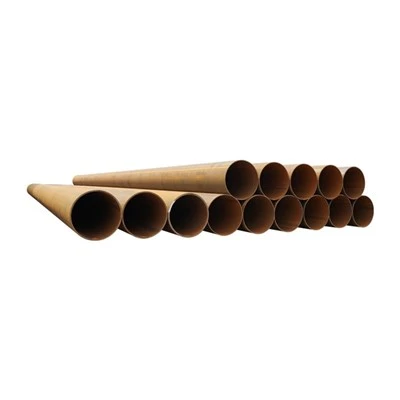
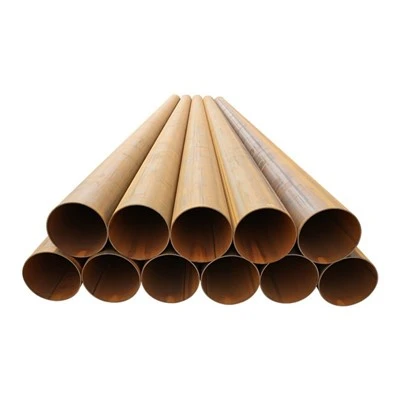
Sourcing steel pipes from overseas can create several challenges beyond finding the right price. International buyers often face three major problems: delivery schedules that keep slipping, incomplete inspection documents that delay project acceptance, and pipes that do not match the agreed specifications. These issues can become even more difficult when products have already crossed borders. At Huayang Steel Pipe, we understand these concerns from the buyer's perspective and focus on production planning, document control, and full-process quality inspection to make international steel pipe sourcing more predictable.
What Are the Biggest Problems in International Steel Pipe Sourcing?
International steel pipe procurement involves more than placing an order and waiting for shipment. A project may depend on the pipes arriving at a specific time, with complete documentation and exactly the required specifications. If any part of the supply chain is not properly controlled, the buyer may face additional inspection, installation, transportation, or project scheduling costs.
Why Does Delivery Delay Become a Major Problem?
For engineering projects, steel pipes are often connected to construction schedules, installation teams, transportation arrangements, and other materials. When the agreed delivery date keeps moving, these connected activities can also be affected.
How Can Production Planning Improve Delivery Reliability?
A professional manufacturer should establish a production schedule based on the confirmed specifications, quantity, technical requirements, and delivery plan. Clear production milestones also make it easier for buyers to understand whether an order is progressing according to schedule.
At Huayang Steel Pipe, production planning and order coordination are used to organize manufacturing according to customer requirements. For large-volume orders, multiple production lines can provide additional flexibility when different specifications need to be arranged within the same project.
Why Are Inspection Documents So Important?
Steel pipes supplied for international engineering projects may require inspection reports, material certificates, test results, dimensional records, coating information, and other quality documents. Missing or inconsistent documents can create problems during customer inspection and project acceptance.
What Should Buyers Check Before Shipment?
Documentation should correspond with the actual products being shipped. Product markings, quantities, specifications, heat numbers, inspection results, and certificate information should be checked carefully before the goods leave the factory.
A complete documentation process gives buyers a clearer quality record and makes it easier to verify whether the delivered steel pipes meet the agreed requirements.
How Can Buyers Avoid Receiving Steel Pipes That Do Not Match Their Specifications?
Specification mismatch is another major concern in international steel pipe sourcing. The problem may involve diameter, wall thickness, steel grade, standard, length, coating, quantity, or other technical requirements. Once the pipes have arrived at the destination country, correcting the problem can involve additional transportation, customs, handling, and project costs.
Why Is Full-Process Quality Control Important?
The best time to identify a specification or quality problem is before shipment. Quality control should therefore cover the manufacturing process rather than relying only on a final visual check.
From Raw Material to Finished Steel Pipe
During production, manufacturers can control raw materials, forming, welding, dimensions, testing, marking, and finished-product inspection. Different inspection methods address different requirements, helping prevent non-conforming products from reaching the loading stage.


Matching the Order with the Actual Product
Before shipment, the finished pipes should be checked against the purchase order and technical specification. This includes confirming dimensions, steel grade, standard, quantity, testing requirements, coating requirements, markings, and documentation.
| Buyer Concern | What Should Be Controlled | How It Helps the Buyer |
|---|---|---|
| Delivery delays | Production schedule and order progress | Helps keep procurement aligned with the project schedule |
| Incomplete documents | Inspection records and quality certificates | Supports customer inspection and project acceptance |
| Specification mismatch | Dimensions, grade, standard and quantity | Reduces the risk of receiving incorrect products |
| Weld quality | Applicable NDT and inspection requirements | Helps verify weld conformity |
| Pressure performance | Hydrostatic testing when specified | Confirms compliance with the required test conditions |
| Coating requirements | Coating type, thickness and surface condition | Supports corrosion protection requirements |
| Shipment preparation | Marking, packing and loading inspection | Helps ensure the correct products are shipped |
How Does Huayang Steel Pipe Reduce Sourcing Risks for International Buyers?
Solving international procurement problems requires coordination between production, quality control, documentation, and logistics. A supplier may have good products but still create difficulties if communication and order management are inconsistent.
How Does Huayang Manage Production and Order Progress?
For international orders, production needs to be organized around confirmed technical requirements and delivery schedules. Buyers also need clear communication when they want to understand the current status of an order.
Keeping Production Progress Clear
Huayang Steel Pipe coordinates production planning, inspection, documentation, and shipment preparation as connected stages. For large engineering orders, this approach helps maintain a clear workflow from manufacturing to final delivery.
How Does Quality Control Protect Customers?
Huayang Steel Pipe applies quality inspection throughout the production process. Depending on the product and project requirements, inspection can include dimensional verification, weld inspection, hydrostatic testing, appearance inspection, coating inspection, and other specified tests.
Why Does This Matter for Cross-Border Procurement?
For domestic purchases, correcting a specification problem may already be inconvenient. For international orders, the consequences can be more complicated because the products may need to cross borders before the issue is discovered. Preventive quality control at the manufacturing stage therefore has greater value.
Huayang produces HFW and LSAW steel pipes in a wide range of specifications. HFW steel pipe production covers Φ48–Φ660.4 mm, while LSAW steel pipe production covers Φ406.4–Φ2800 mm. Supporting services such as hydrostatic testing, dimensional inspection, and anti-corrosion treatment can also be arranged according to project requirements.
What Should International Buyers Look for in a Steel Pipe Supplier?
A reliable steel pipe supplier should be evaluated by more than its quotation. Buyers should consider whether the manufacturer has the production capacity to meet the order, whether its quality system can verify the products, whether inspection documents are complete and traceable, and whether the supplier can coordinate shipment effectively.
For Huayang Steel Pipe, the goal is to make the procurement process clearer for international customers. From production scheduling and full-process inspection to documentation, packing, and loading, each stage is connected to the final delivery. The customer should receive not only the required steel pipes, but also the documentation and delivery support needed to use them with confidence.
International steel pipe sourcing does not have to become a chain of unexpected problems. With clear production planning, complete inspection documentation, strict specification control, and coordinated logistics, many common procurement risks can be addressed before the products leave the factory. For buyers working on oil and gas, water transmission, infrastructure, structural, and other engineering projects, choosing a manufacturer that can manage these details is an important part of building a smoother supply process.
Read More:
What Are The API 5L LSAW Steel Pipe Standards, Grades And Sizes?
How To Choose The Right LSAW Steel Pipe Manufacturer For Your Project?