


ERW steel pipes are widely supplied for oil and gas pipelines, water transmission, structural projects, mechanical applications, and industrial piping. After production and inspection, proper shipping is an important part of the supply process because steel pipes can be exposed to impact, moisture, corrosion, deformation, and surface damage during handling and transportation.
For international steel pipe orders, shipping requirements are not limited to simply loading pipes onto a vessel. Pipe dimensions, wall thickness, surface treatment, end protection, bundling, loading method, transportation distance, and destination conditions should all be considered before shipment.
So, what are the main shipping requirements for ERW steel pipes, and how can buyers and suppliers reduce the risk of damage during transportation?
What Should Be Prepared Before Shipping ERW Steel Pipes?
Before ERW steel pipes leave the factory, the supplier should complete production, inspection, marking, packaging, and shipping preparation according to the purchase order and applicable standard.
What Information Should Be Confirmed Before Shipment?
The supplier and buyer should confirm the pipe specification, quantity, pipe length, steel grade, applicable standard, surface condition, end finish, packaging requirements, and shipping destination.
For international orders, shipping terms and loading arrangements should also be confirmed in advance. This is particularly important for large-diameter or heavy-wall ERW steel pipes because the loading method may depend on pipe dimensions and the available transportation equipment.
Why Are Pipe Dimensions Important for Shipping?
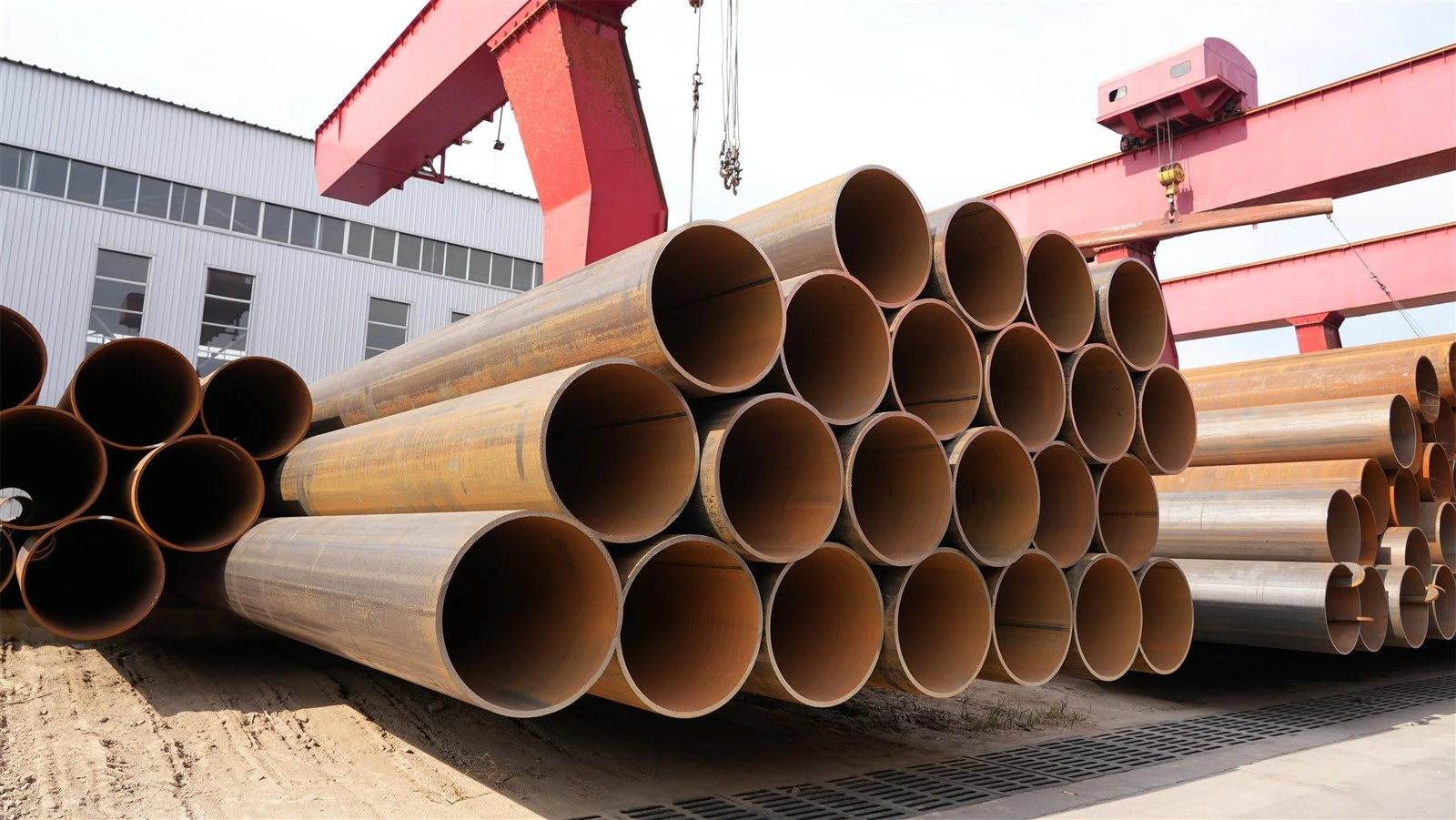
Outside diameter, wall thickness, length, and individual pipe weight directly affect loading capacity and transportation arrangements. Long or large-diameter ERW pipes may require special loading plans, suitable lifting equipment, and sufficient space inside the vessel or truck.
The final packing plan should therefore be based on the actual pipe dimensions rather than using a standard packaging method for every order.
ERW Steel Pipe Shipping Preparation Checklist
| Item | Shipping Requirement | Purpose |
|---|---|---|
| Pipe dimensions | Confirm OD, wall thickness and length | Plan loading and transportation |
| Quantity | Confirm pieces, bundles and total weight | Arrange transport capacity |
| Pipe ends | Caps or end protection when required | Prevent damage and contamination |
| Surface | Coating or rust protection if specified | Reduce corrosion risk |
| Bundling | Secure pipes with suitable straps or supports | Prevent movement |
| Marking | Heat number, grade, size and order information | Identification and traceability |
| Packing | Follow contract or customer requirements | Meet project specifications |
| Loading | Use suitable lifting and securing methods | Prevent impact and deformation |
| Documents | Inspection and shipping documents | Support customs and receiving inspection |
How Should ERW Steel Pipes Be Packaged for Transportation?
Packaging is an important part of ERW steel pipe shipping, especially for international transportation. The packaging method should be selected according to pipe dimensions, surface treatment, transportation method, and customer requirements.
How Are ERW Steel Pipes Bundled?
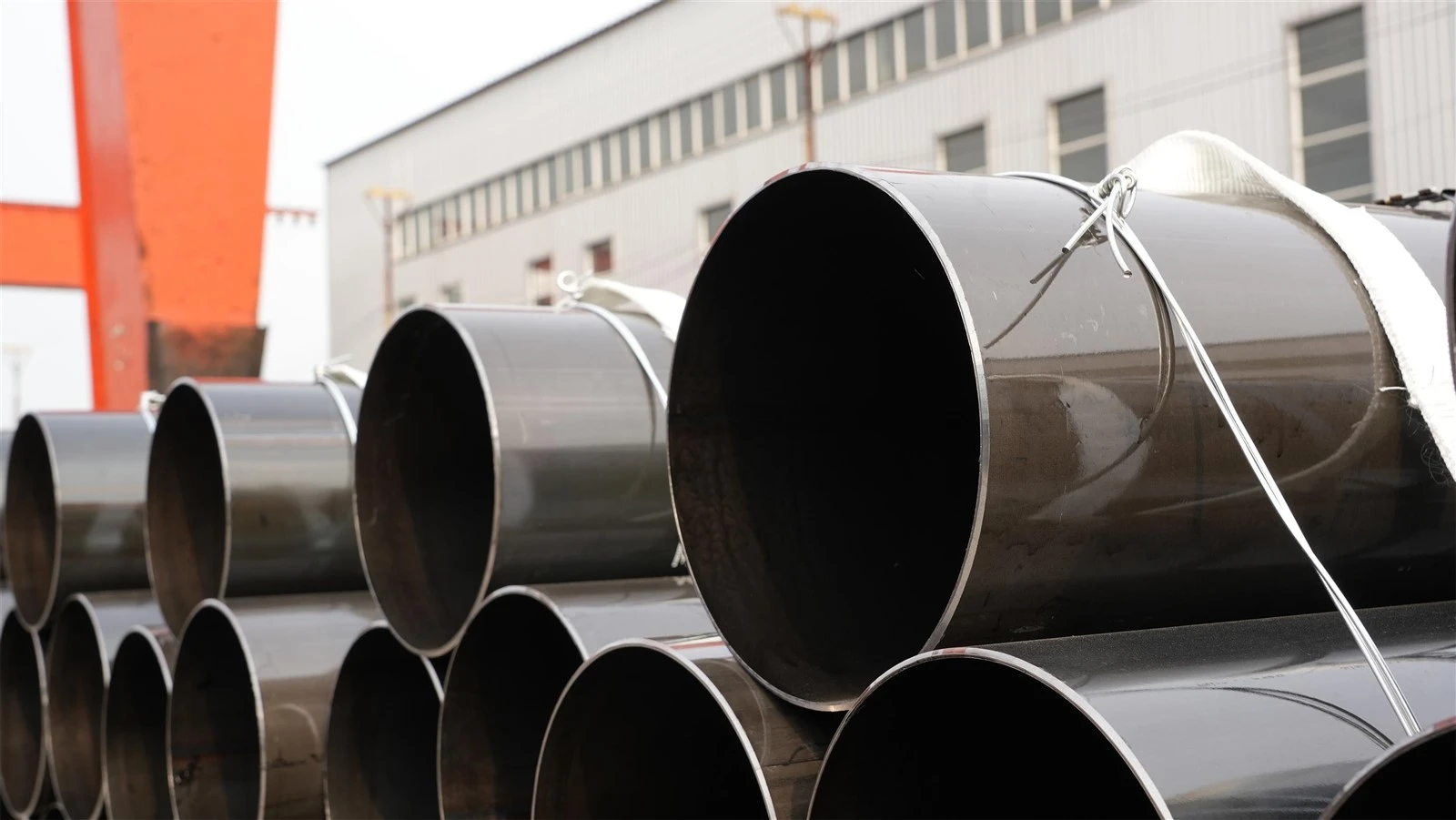
For many ERW steel pipe orders, pipes of the same or compatible specifications can be bundled together using steel straps or other suitable securing materials.
Bundling helps keep the pipes stable during handling and transportation. The number of pipes in each bundle should take into account pipe diameter, wall thickness, weight, lifting capacity, and the requirements of the loading equipment.
How Can Pipes Be Protected From Surface Damage?
When the pipe surface requires additional protection, suitable separators or protective materials can be placed between pipes. Depending on the project requirements, materials such as rubber pads, fiber materials, plastic protection, or other suitable separators may be used.
For coated ERW steel pipes, additional protection may be necessary to prevent the coating from being scratched or damaged during loading and unloading.
How Should Pipe Ends Be Protected?
Pipe ends can be vulnerable during transportation because they may come into contact with lifting equipment or other pipes. End protectors or pipe caps can therefore be used when required.
If ERW pipes have threaded ends, thread protectors should be installed to prevent damage to the threads. For beveled or specially finished pipe ends, suitable protection should also be considered.
How Should ERW Steel Pipes Be Loaded for Shipping?
Correct loading is essential because steel pipes can move or roll when they are not properly secured. The loading method should be selected according to the transportation mode and pipe dimensions.
Loading ERW Pipes for Truck Transportation
For road transportation, the vehicle should have sufficient load capacity and a suitable cargo bed. Pipes should be positioned securely and supported to prevent excessive movement during braking, acceleration, and road vibration.
Long pipes may require appropriate supports to prevent excessive bending. The cargo should also be properly secured with suitable restraints.
Loading ERW Pipes for Sea Transportation
For export orders, ERW steel pipes are commonly transported by sea. Before loading, the supplier should consider vessel or container requirements, available loading space, pipe weight, bundle dimensions, and securing arrangements.
Why Is Proper Securing Important During Sea Freight?
Marine transportation exposes cargo to vibration and movement caused by waves and vessel motion. If steel pipes are not adequately secured, bundles may shift during the voyage and cause surface damage, deformation, or damage to other cargo.
Suitable dunnage, supports, wedges, straps, or other approved securing materials can be used according to the loading plan and transportation requirements.
How Can ERW Steel Pipes Be Protected From Corrosion During Shipping?
Steel pipes may be exposed to humidity, rain, condensation, and salt-containing marine environments during transportation. This is particularly important for carbon steel pipes shipped over long distances.
Surface Treatment and Rust Prevention
The appropriate protection depends on the pipe surface and shipping conditions. Bare carbon steel pipes may require temporary rust-prevention measures when specified by the customer.
For pipes with anti-corrosion coatings such as FBE, 2PE, 3PE, 2PP, or 3PP, the coating should be protected from impact and abrasion throughout loading, transportation, and unloading.
Why Is Moisture Protection Important?
Moisture trapped between bundled pipes or inside packaging can contribute to surface corrosion. Proper storage, ventilation, packaging, and transportation arrangements can help reduce this risk.
The supplier should also consider the expected transportation time and destination climate when determining suitable temporary protection measures.
What Handling Methods Should Be Used for ERW Steel Pipes?
ERW steel pipes should be handled using lifting equipment appropriate for their weight, diameter, length, and surface condition.
Cranes, forklifts, slings, or other suitable equipment may be used depending on the pipe size and loading environment. Lifting points should be selected carefully to prevent excessive bending or localized damage.
How Can Pipe Damage During Loading Be Prevented?
Pipes should not be dropped, dragged directly across rough surfaces, or lifted using unsuitable tools that can damage the surface or coating.
For coated pipes, lifting equipment should avoid direct contact that may cut or scratch the coating. For large-diameter pipes, the loading plan should also consider pipe stability and deformation.
What Shipping Documents Are Required for ERW Steel Pipes?
International ERW steel pipe shipments normally require appropriate commercial and technical documentation. The exact document package depends on the contract, destination, customs requirements, and applicable project specifications.
Common documents may include the commercial invoice, packing list, bill of lading, certificate of origin, inspection certificate, and material test certificate when required.
What Information Should Be Shown on Pipe Markings?
Pipe markings help buyers identify products after delivery. Depending on the applicable standard and purchase order, markings may include the manufacturer, pipe size, wall thickness, steel grade, standard, heat number, and other traceability information.
Clear marking is especially important when different sizes or steel grades are shipped together.
What Should Buyers Check When Receiving ERW Steel Pipes?
Shipping quality control does not end when the cargo leaves the factory. Buyers should inspect the pipes when they arrive at the destination.
The receiving inspection should check the quantity, bundle condition, pipe markings, dimensions, surface condition, pipe ends, and visible transportation damage.
What If ERW Pipes Are Damaged During Transportation?
If damage is discovered, photographs and relevant shipping records should be collected as soon as possible. The damaged pipe and packaging should be identified clearly, and the issue should be handled according to the purchase contract and transportation terms.
For coated pipes, particular attention should be paid to scratches, dents, coating separation, and exposed steel surfaces.
How Does Huayang Steel Pipe Prepare ERW Pipes for Shipment?
Huayang Steel Pipe supplies HFW/ERW steel pipes with outside diameters of Φ48–660.4 mm, wall thicknesses of 2.0–22 mm, and lengths of 6–27 m.
Before shipment, pipes can be prepared according to the agreed specifications, including bundling, marking, end protection, surface protection, and loading arrangements. The shipping method can be coordinated according to pipe dimensions, order quantity, destination, and customer requirements.
For projects requiring additional corrosion protection, Huayang Steel Pipe also provides anti-corrosion processing, including FBE, 2PE, 3PE, 2PP, 3PP, and internal epoxy coatings according to applicable project requirements.
What Are the Main Advantages of Proper ERW Pipe Shipping?
Proper shipping preparation helps maintain the condition of ERW steel pipes from the factory to the final destination. Good packaging and securing can reduce surface damage, deformation, coating damage, and movement during transportation.
For international buyers, standardized marking and complete shipping documentation also make cargo identification, customs clearance, receiving inspection, and project traceability more efficient.
The shipping method should ultimately be matched with the pipe specification and project requirements. Large-diameter, heavy-wall, coated, threaded, or long-length ERW pipes may require more specialized handling than standard products.
Read More:
ERW Vs Seamless Steel Pipe: What Are The Key Differences?
What Are The Common Problems And Defects Of ERW Steel Pipes?


