


API 5L LSAW pipe is widely used in pipeline engineering where large diameters, specific wall thicknesses, and controlled mechanical properties are required. When selecting an API 5L LSAW steel pipe, buyers often need to decide between Product Specification Level 1 and Product Specification Level 2, commonly known as PSL1 and PSL2. The two levels are not simply different names for the same pipe. PSL2 introduces additional and more stringent requirements for chemical composition, mechanical properties, testing, traceability, and inspection. The video below provides a direct comparison of API 5L LSAW pipe PSL1 and PSL2 and shows how the two specification levels are applied to different pipeline requirements.
What Does PSL Mean in API 5L LSAW Pipe?
PSL stands for Product Specification Level in API 5L. It defines a set of requirements that control the quality, manufacturing, testing, and documentation of line pipe. API 5L includes two commonly specified levels, PSL1 and PSL2, allowing pipeline projects to select requirements according to their technical and operating conditions.
What Is API 5L PSL1?
API 5L PSL1 is the basic product specification level. It establishes requirements for dimensions, chemical composition, tensile properties, yield strength, and other basic product characteristics. The applicable requirements depend on the specified API 5L grade and product type.
A Basic Specification Level for Pipeline Products
PSL1 can be selected for projects where the engineering specification does not require the additional controls associated with PSL2. It is important to note that PSL1 does not mean that the pipe is manufactured without quality control. The pipe still needs to comply with the applicable API 5L requirements for its specified grade, dimensions, manufacturing process, and inspection.
What Is API 5L PSL2?
API 5L PSL2 establishes additional and more stringent requirements compared with PSL1. These requirements cover areas such as chemical composition, mechanical properties, toughness, weldability-related controls, inspection, and traceability.
More Controlled Chemical and Mechanical Requirements
For applicable PSL2 grades, limits on chemical composition are more restrictive, and additional mechanical and toughness requirements apply. Impact testing is also an important part of PSL2 requirements under the applicable conditions specified by API 5L. These additional controls provide more detailed verification of pipe performance.
How Do API 5L PSL1 and PSL2 LSAW Pipes Differ?
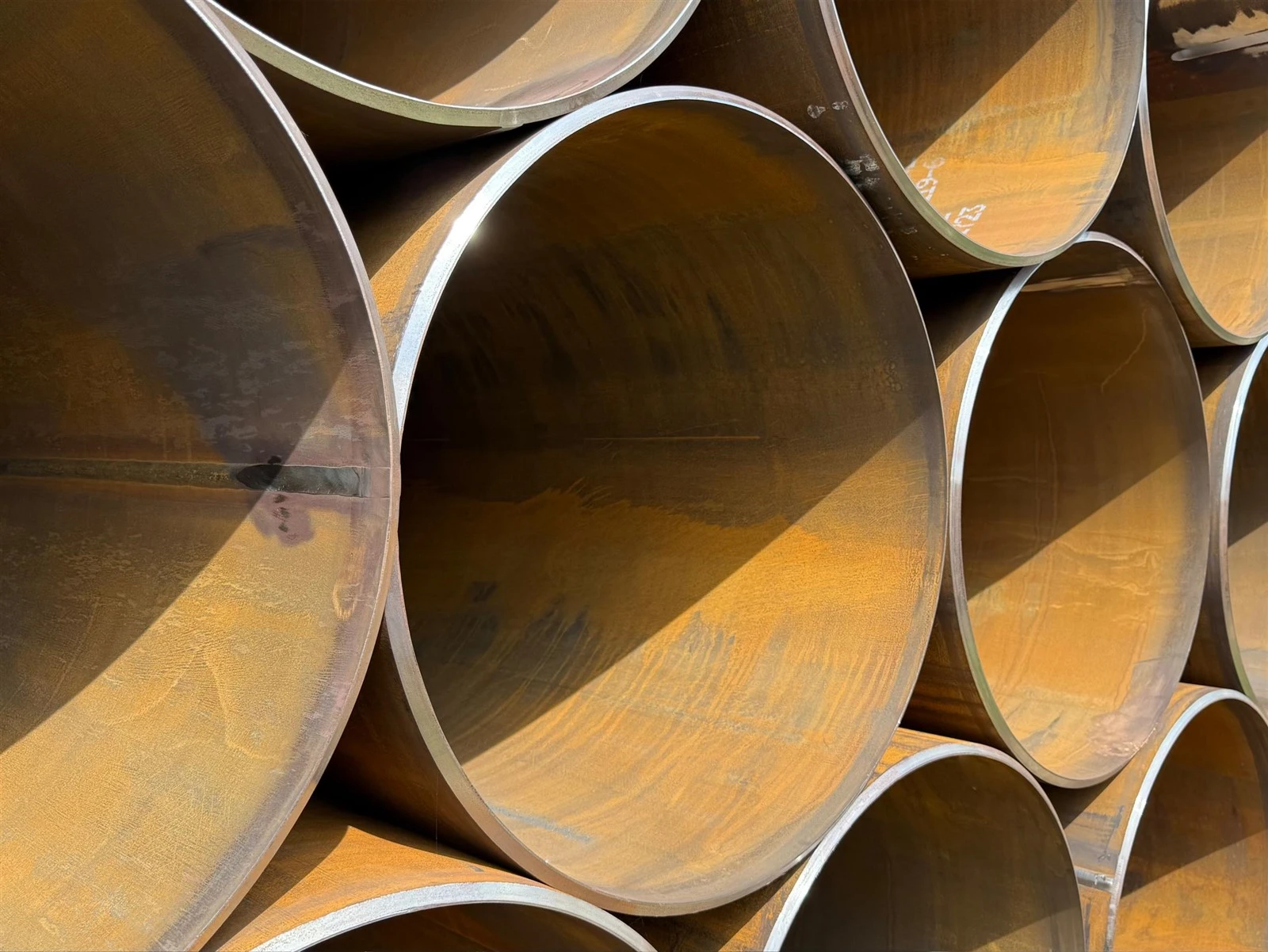
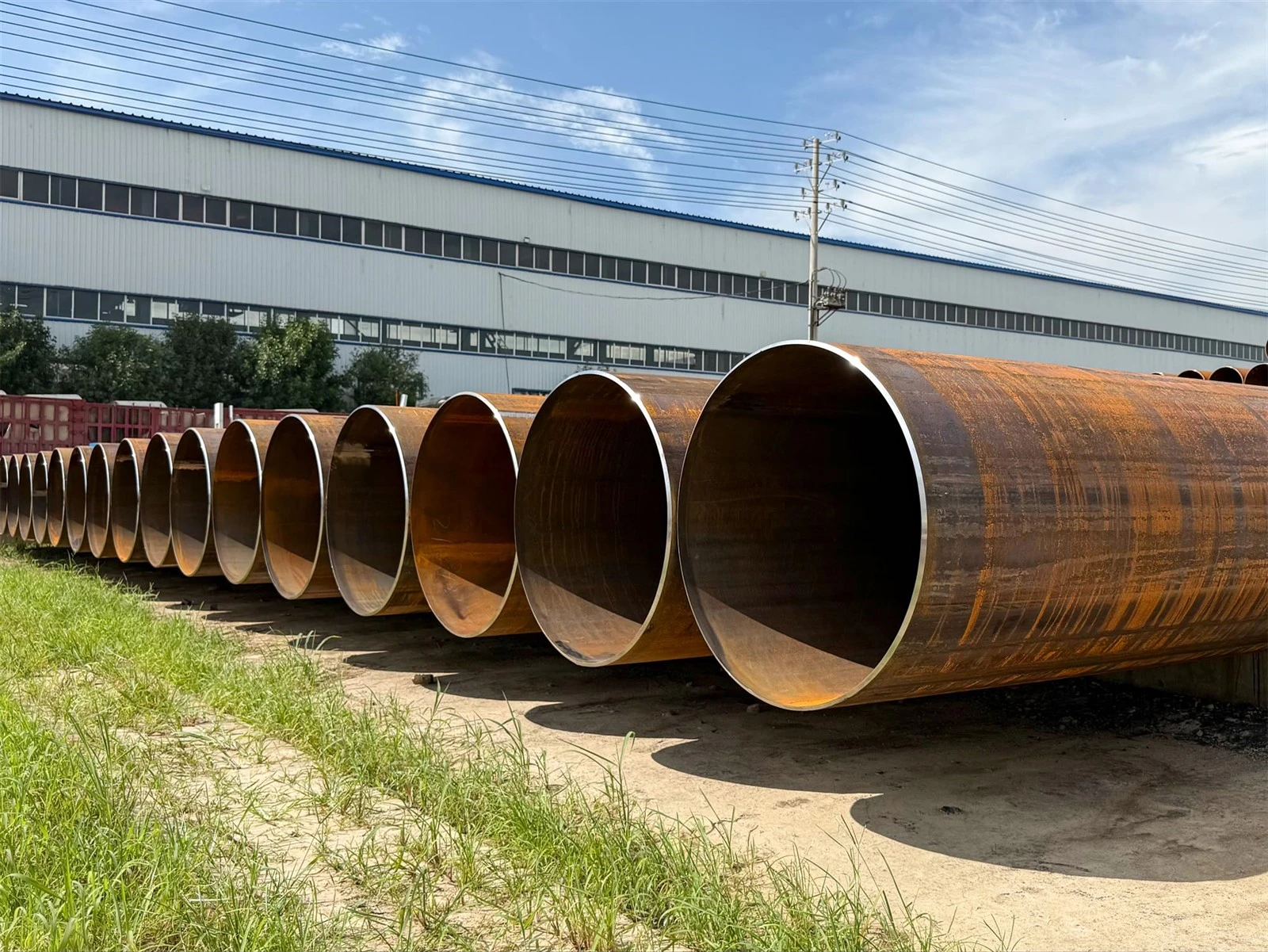
Although PSL1 and PSL2 LSAW pipes can be produced using the same basic longitudinal submerged arc welding process, the requirements governing the finished product are different. The difference is mainly in the specification and inspection requirements rather than simply in the pipe-forming method.
Chemical Composition and Mechanical Properties
The chemical composition requirements for PSL2 are generally more restrictive than those for PSL1. This helps control characteristics that can affect weldability, strength, toughness, and overall pipeline performance.
Why Does Chemical Composition Matter?
Elements such as carbon, manganese, phosphorus, sulfur, and other alloying elements influence the properties of line pipe steel. Controlling these elements within specified limits is particularly important when a project requires consistent mechanical performance and controlled weldability.
Impact Testing and Additional Inspection
One of the major differences between the two specification levels is the extent of testing and verification required. PSL2 includes additional requirements that are not generally part of the basic PSL1 specification.
More Detailed Verification for Critical Requirements
Depending on the specified grade, product, dimensions, and applicable API 5L requirements, PSL2 may involve mandatory impact testing, additional nondestructive examination, and tighter control of production and acceptance criteria. This creates a more comprehensive quality verification process for the finished LSAW pipe.
What Is the Difference Between API 5L PSL1 and PSL2 Requirements?
The differences between PSL1 and PSL2 can be summarized by looking at several key aspects of the product specification. However, the exact requirements should always be checked against the applicable API 5L edition, grade, dimensions, delivery condition, and purchase specification.
| Requirement | API 5L PSL1 | API 5L PSL2 |
|---|---|---|
| Specification level | Basic product specification level | More stringent product specification level |
| Chemical composition | Standard API 5L requirements | Tighter controls for applicable grades |
| Mechanical properties | Specified yield and tensile requirements | Additional and more controlled requirements |
| Impact testing | Depends on applicable requirements | Additional toughness requirements generally apply |
| Nondestructive testing | According to applicable specification | More extensive requirements may apply |
| Traceability and documentation | API 5L requirements | More detailed control and documentation |
| Manufacturing control | Standard API 5L production requirements | Additional process and acceptance controls |
| Typical selection | General pipeline applications where PSL1 is specified | Projects requiring enhanced product control and verification |
Does PSL2 Mean a Stronger Steel Pipe?
PSL2 should not simply be described as a stronger version of PSL1. The difference is broader than strength alone. PSL2 introduces additional controls over chemistry, mechanical properties, toughness, inspection, and manufacturing consistency. A PSL2 pipe may use the same nominal grade designation as a PSL1 pipe, but the applicable acceptance requirements can be more demanding.
Project Specification Determines the Correct PSL
The correct choice should therefore be based on the pipeline design, operating conditions, applicable standard, specified grade, temperature, pressure, and project purchasing specification. Buyers should not select PSL2 only because it appears to be a higher level without confirming that the additional requirements are necessary for the project.
When Should Buyers Choose API 5L PSL1 or PSL2 LSAW Pipe?
The selection between PSL1 and PSL2 depends on the engineering requirements rather than on a simple preference for one specification level. For general pipeline projects where the applicable project specification calls for PSL1, PSL1 LSAW pipe can meet the defined requirements. Where the project requires tighter chemical controls, additional toughness verification, more extensive inspection, or other PSL2 requirements, PSL2 should be specified.
PSL1 for General Pipeline Requirements
PSL1 may be used in pipeline applications where the project specification allows this product level and the required operating conditions can be satisfied by the applicable grade and standard.
Confirm the Project Standard Before Ordering
Buyers should confirm the API 5L edition, product specification level, steel grade, outside diameter, wall thickness, length, end preparation, and inspection requirements before placing an order. These details determine the actual technical requirements for the pipe.
PSL2 for More Demanding Specification Requirements
PSL2 is commonly specified when a project requires a higher level of product control and additional verification. Long-distance transmission pipelines and other demanding pipeline projects may include PSL2 requirements as part of their procurement specifications.
Inspection and Documentation Are Part of the Product
For PSL2 orders, quality documentation and inspection records are particularly important. Chemical analysis, mechanical testing, nondestructive examination, dimensional inspection, and traceability records should correspond with the applicable specification and purchase requirements.
How Does Huayang Steel Pipe Manufacture API 5L LSAW Pipe?
Huayang Steel Pipe manufactures LSAW steel pipes for large-diameter pipeline and engineering applications. Its LSAW production range covers outside diameters from Φ406.4 to Φ2800 mm, wall thicknesses from 7 to 50 mm, and lengths from 6 to 12.5 m.
The LSAW manufacturing process includes steel plate preparation, forming, longitudinal submerged arc welding, dimensional inspection, nondestructive testing, and finished pipe inspection. For API 5L orders, production and inspection requirements can be organized according to the specified grade, PSL level, dimensions, and customer technical specification.
For buyers sourcing API 5L LSAW pipe, understanding the difference between PSL1 and PSL2 is an important part of preparing a clear purchasing specification. PSL1 provides the basic API 5L product requirements, while PSL2 adds more stringent controls and additional verification for applicable products. At Huayang Steel Pipe, we support API 5L LSAW pipe requirements with controlled production, inspection, traceability, and technical documentation, helping customers match the selected pipe specification with the actual requirements of their pipeline projects.
Read More:
What Are The Top 5 Uses Of ERW Pipes in Modern Infrastructure Projects?
ERW Vs Seamless Steel Pipe: What Are The Key Differences?


