


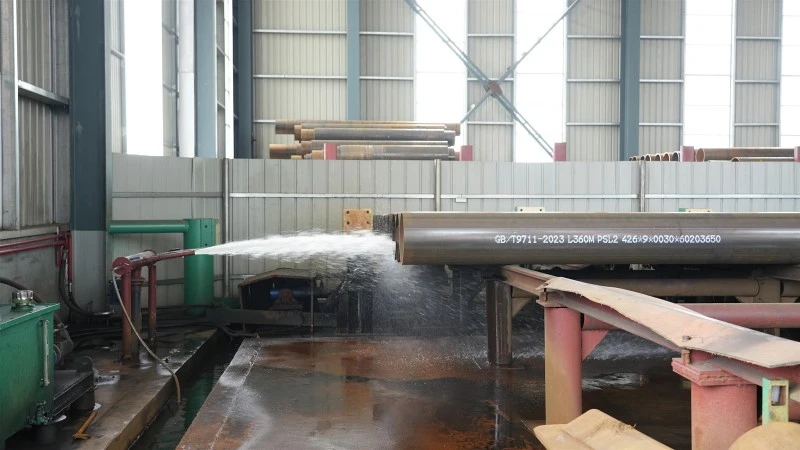
For large oil and gas transmission pipelines, weld inspection is one of the most critical parts of steel pipe acceptance. Depending on the applicable industry standard and project specification, certain pipeline orders require 100% non-destructive testing of specified weld seams, with inspection reports and supporting records retained for traceability. In high-pressure service, unacceptable internal weld imperfections can create serious risks, making inspection compliance and complete documentation essential to project acceptance. However, selecting qualified steel pipes for oil and gas projects involves more than weld inspection alone. Buyers must also consider operating conditions, material grades, pipe dimensions, corrosion exposure, and the technical requirements of the entire pipeline system.
What Factors Determine the Right Steel Pipe for Oil and Gas Service?
Oil and gas projects operate under different conditions depending on the transported medium, operating pressure, temperature, pipeline location, and installation method. A steel pipe suitable for one project may not be appropriate for another. Choosing the right product begins with understanding the actual service conditions and the engineering requirements defined by the project.
How Do Operating Conditions Affect Steel Pipe Selection?
Pipeline operating conditions influence the material properties and manufacturing requirements that engineers need to consider. Pressure, temperature, transported fluid, and environmental exposure can all affect the suitability of a steel pipe.
For example, long-distance transmission pipelines may require specific combinations of steel grade, wall thickness, toughness, and dimensional accuracy. Pipelines operating in low-temperature environments may have additional toughness requirements, while systems transporting corrosive fluids may need carefully selected materials and corrosion protection measures.
Buyers should therefore provide the manufacturer with the relevant design conditions and project specifications instead of selecting steel pipes based on diameter and price alone.
Why Are Diameter and Wall Thickness Important?
Outside diameter and wall thickness influence pipeline design, material consumption, weight, and installation compatibility. They must be selected according to the engineering design and applicable code rather than estimated from general application descriptions.
Wall thickness is particularly important because it is part of the design assessment for internal pressure and other applicable loads. The required value depends on factors such as design pressure, pipe diameter, material properties, design factors, corrosion allowance where applicable, and the governing design code.
Matching Pipe Dimensions to Project Requirements
Before requesting quotations, buyers should confirm outside diameter, nominal wall thickness, required length, dimensional tolerances, pipe-end preparation, and quantity. These details help manufacturers evaluate production feasibility and prepare quotations that reflect the actual project scope.
Clear specifications also reduce the risk of ordering products that cannot be integrated efficiently into the pipeline system.
Which Steel Pipe Standards and Material Grades Should Buyers Consider?
International oil and gas projects commonly specify recognized standards for line pipe and may include additional technical requirements in the purchase specification. Buyers must identify the governing standard and the exact requirements that apply to the intended service.
Understanding API 5L Line Pipe Requirements
API 5L is widely used for steel line pipe in pipeline transportation systems. Depending on the order, the specification addresses requirements related to materials, manufacturing, mechanical properties, testing, inspection, and product documentation.
Buyers should confirm the required steel grade, Product Specification Level, dimensions, delivery condition, and applicable edition of the standard. PSL1 and PSL2 represent different levels of specification requirements, with PSL2 generally imposing additional controls in areas such as chemical composition, mechanical properties, testing, and traceability. The precise requirements depend on the applicable edition and product specification.
Selecting API 5L steel pipe should therefore involve more than identifying a grade name. The full purchase specification needs to match the engineering and operating requirements of the pipeline.
How Do Different Steel Pipe Types Serve Oil and Gas Projects?
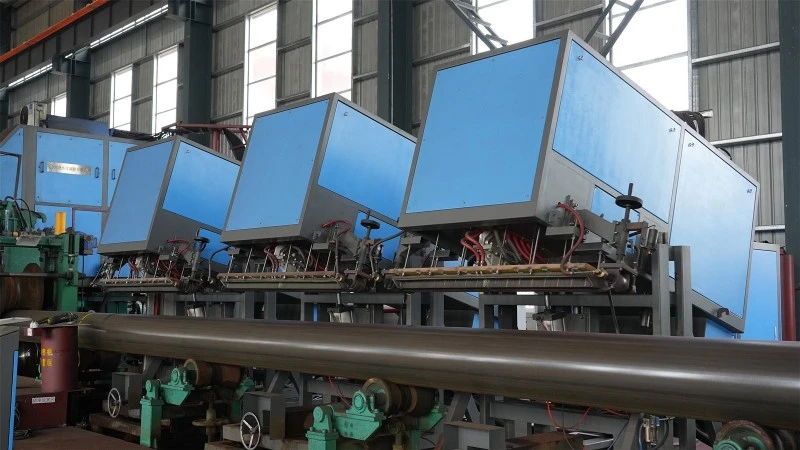
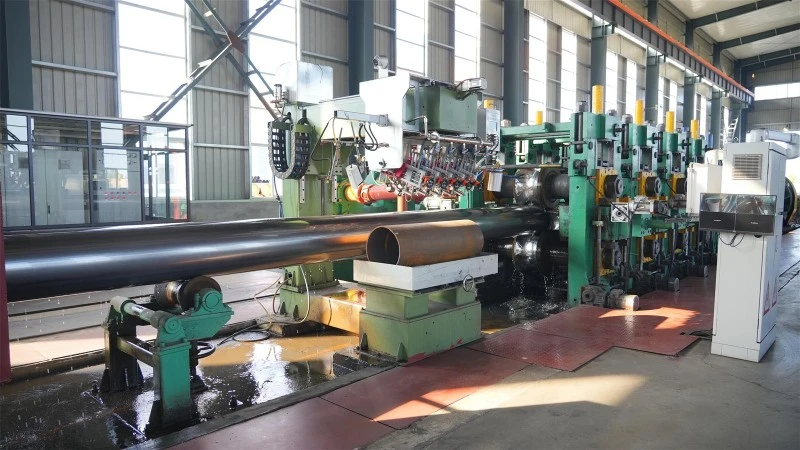
Manufacturing processes influence the dimensional ranges, production characteristics, and applications of steel pipes. HFW and LSAW steel pipes are both used in industrial and pipeline applications, but they are produced through different welding processes and must be evaluated against the project's requirements.
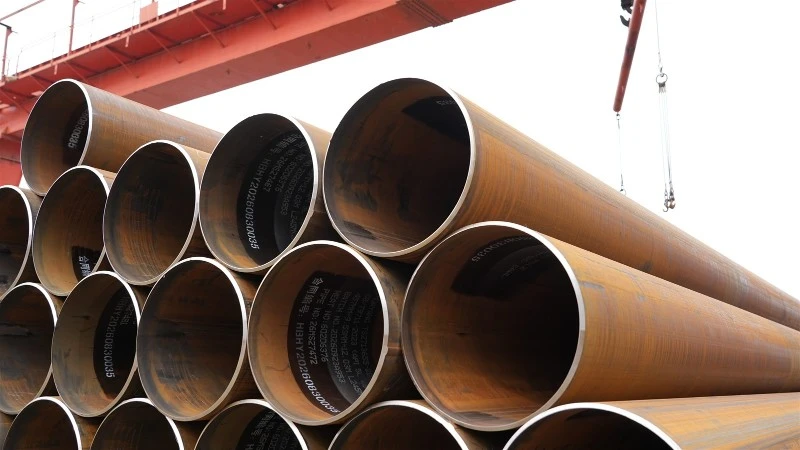
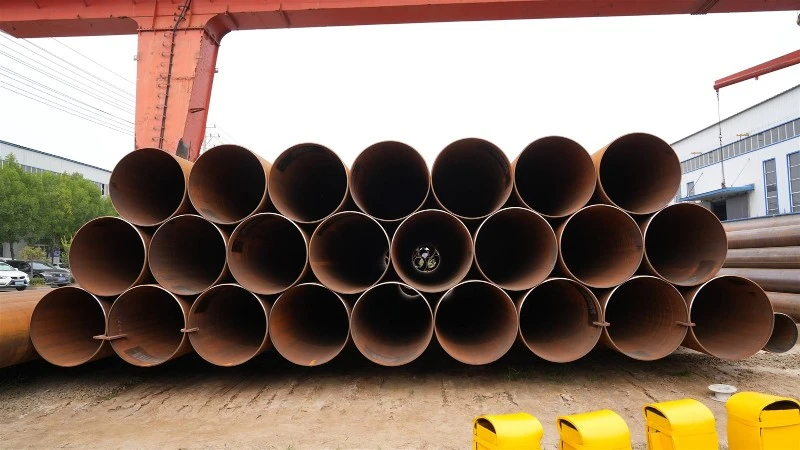
HFW steel pipes are formed from steel strip, with the edges joined through high-frequency resistance welding. LSAW steel pipes are formed from steel plate and joined along a longitudinal seam using submerged arc welding. LSAW pipes are often considered for large-diameter applications, particularly where the required dimensions and project specification make them suitable.
|
Selection factor |
HFW steel pipe |
LSAW steel pipe |
|
Manufacturing process |
High-frequency resistance welding |
Longitudinal submerged arc welding |
|
Typical selection considerations |
Required diameter, wall thickness, grade, and applicable standard |
Large diameter, wall thickness, grade, and project-specific requirements |
|
Potential project applications |
Specified pipeline, industrial, and structural applications |
Large-diameter pipeline, transmission, and infrastructure applications |
|
Key verification points |
Weld quality, dimensions, material properties, and required testing |
Weld quality, dimensions, material properties, and required testing |
Neither process should be selected based on a general assumption that one is always better than the other. The final choice should follow the design, specified product requirements, manufacturing capability, and applicable acceptance criteria.
How Can Corrosion Protection Extend Steel Pipe Service Life?
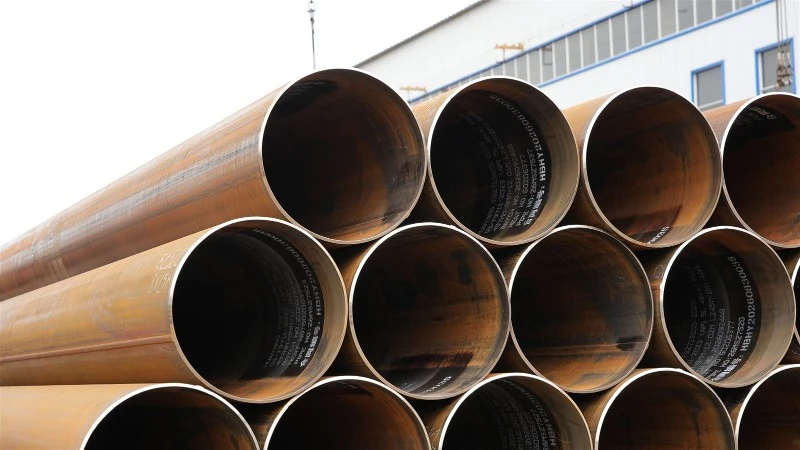
Corrosion is an important consideration for oil and gas pipeline systems, particularly when steel pipes are buried underground, exposed to moisture, or installed in environments that can accelerate material degradation. A suitable corrosion management strategy can help protect the pipeline, but the required solution depends on the operating environment and project design.
What Types of Anti-Corrosion Coatings Are Available?
External coating systems may include three-layer polyethylene, known as 3PE, three-layer polypropylene, known as 3PP, and fusion-bonded epoxy, or FBE. These systems have different properties and are selected according to factors such as environmental exposure, operating temperature, mechanical protection needs, and project specifications.
Internal coatings may also be specified for particular applications, depending on the transported medium and the intended function of the coating. Buyers should confirm coating type, thickness requirements, surface preparation, inspection criteria, and any additional testing before placing an order.
Why Must Coating Requirements Be Considered Early?
Anti-corrosion processing affects more than the final appearance of a steel pipe. Surface preparation, coating application, curing, inspection, and handling can all influence production planning and delivery arrangements.
Coating requirements should therefore be included in the original technical specification. This helps the manufacturer coordinate pipe production with the required surface treatment and final inspection.
Balancing Corrosion Protection and Project Conditions
No single coating system is suitable for every pipeline. The appropriate choice depends on the service environment, design requirements, compatibility with the transported medium where relevant, and the governing project specification. Coating selection should be evaluated as part of the overall corrosion control strategy rather than as an independent purchasing decision.
What Should Buyers Confirm Before Purchasing Oil and Gas Steel Pipes?
A structured technical review can help buyers identify potential issues before production starts. The review should cover product specifications, applicable standards, inspection requirements, corrosion protection, documentation, and delivery arrangements.
For international projects, it is also important to clarify third-party inspection procedures, document submission requirements, product markings, and traceability expectations. These details can affect how materials are verified at the manufacturing facility and accepted at the project site.
Planning an oil and gas pipeline project? Contact Huayang Steel Pipe with your required diameter, wall thickness, steel grade, applicable standard, operating conditions, inspection scope, and coating requirements. Our team can discuss suitable product options and the technical information needed to evaluate your order.
How Does Huayang Steel Pipe Support Oil and Gas Pipeline Requirements?
Huayang Steel Pipe manufactures HFW steel pipes with outside diameters from 48 to 660.4 mm and LSAW steel pipes from 406.4 to 2,800 mm. We also provide hot-expanded steel pipes, anti-corrosion processing, and customized steel pipe deep-processing services.
For oil and gas projects, the suitable product configuration depends on the design conditions and order specification. Buyers can discuss steel grades, dimensions, manufacturing standards, inspection requirements, and corrosion protection needs with our team during the procurement process.
Quality documentation is also an important part of order preparation. Depending on the applicable requirements, documentation may include material test certificates, inspection reports, dimensional records, and other specified testing or acceptance records. Where individual pipe traceability is required, the identification and supporting records should be organized in accordance with the agreed requirements.
By considering technical selection, manufacturing, inspection, corrosion protection, and documentation together, buyers can develop a more complete procurement plan for their pipeline projects.
Choosing the right steel pipe is ultimately about matching the product to its intended service. When material grade, manufacturing process, dimensions, corrosion protection, and inspection requirements are clearly defined, project teams are better positioned to assess compliance and prepare for installation.
At Huayang Steel Pipe, we understand that reliable oil and gas infrastructure begins with suitable materials and clear technical requirements. Our goal is to support customers with steel pipe products and manufacturing services that align with their project specifications, helping them move from procurement to construction with greater clarity and confidence.
Read More:
The Strategic Importance Of API 5L ERW Steel Pipes in Modern Oil And Gas Transportation Networks


