


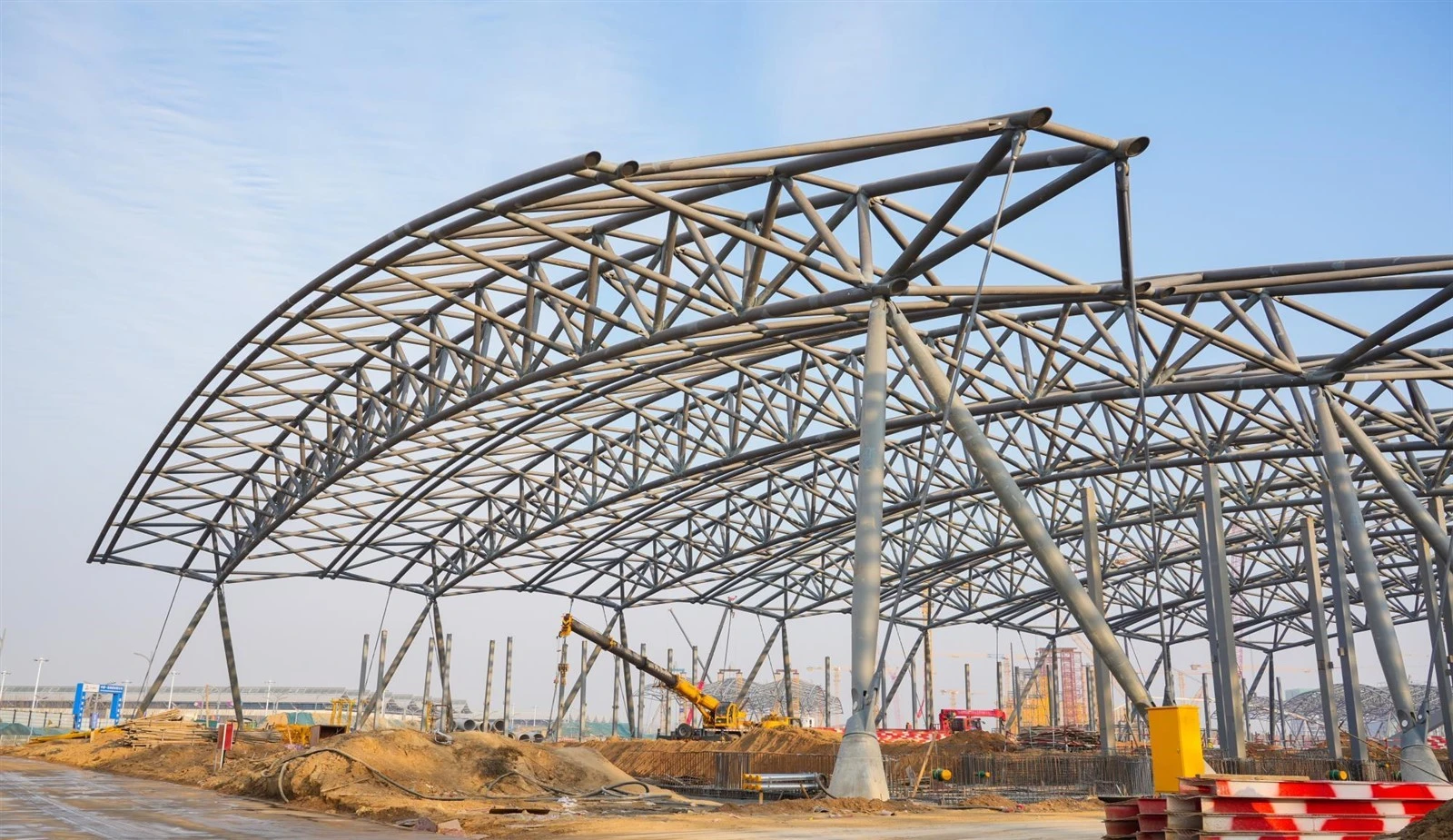
As modern architecture moves toward larger column-free spaces, long-span roof structures have become increasingly important in stadiums, arenas, and multipurpose venues. These buildings need structural systems that can span wide areas while supporting roof loads and accommodating complex architectural designs. Spatial tubular trusses are one solution, using interconnected steel members to create rigid, three-dimensional frameworks.
High-frequency welded (HFW) steel pipes are widely used in tubular structural applications because they can be manufactured with controlled dimensions and consistent material properties. When selected according to the structural design and applicable standards, they can serve as key members in large-span roof trusses. Huayang Steel Pipe has supplied HFW steel pipes for major venue-related projects, including the Q355B pipes used in the roof trusses of the Hangzhou Asian Games Cycling Centre and API 5L X52 pipes used in the main structure of the Intuit Dome in Inglewood, California, as described in the company's project information.
Why Are HFW Steel Pipes Suitable for Large-Span Stadium Roofs?
Large-span venues often require roofs that cover extensive seating areas without relying on numerous internal columns. Tubular trusses help achieve this by arranging individual members into interconnected structural systems that transfer loads through a coordinated framework.
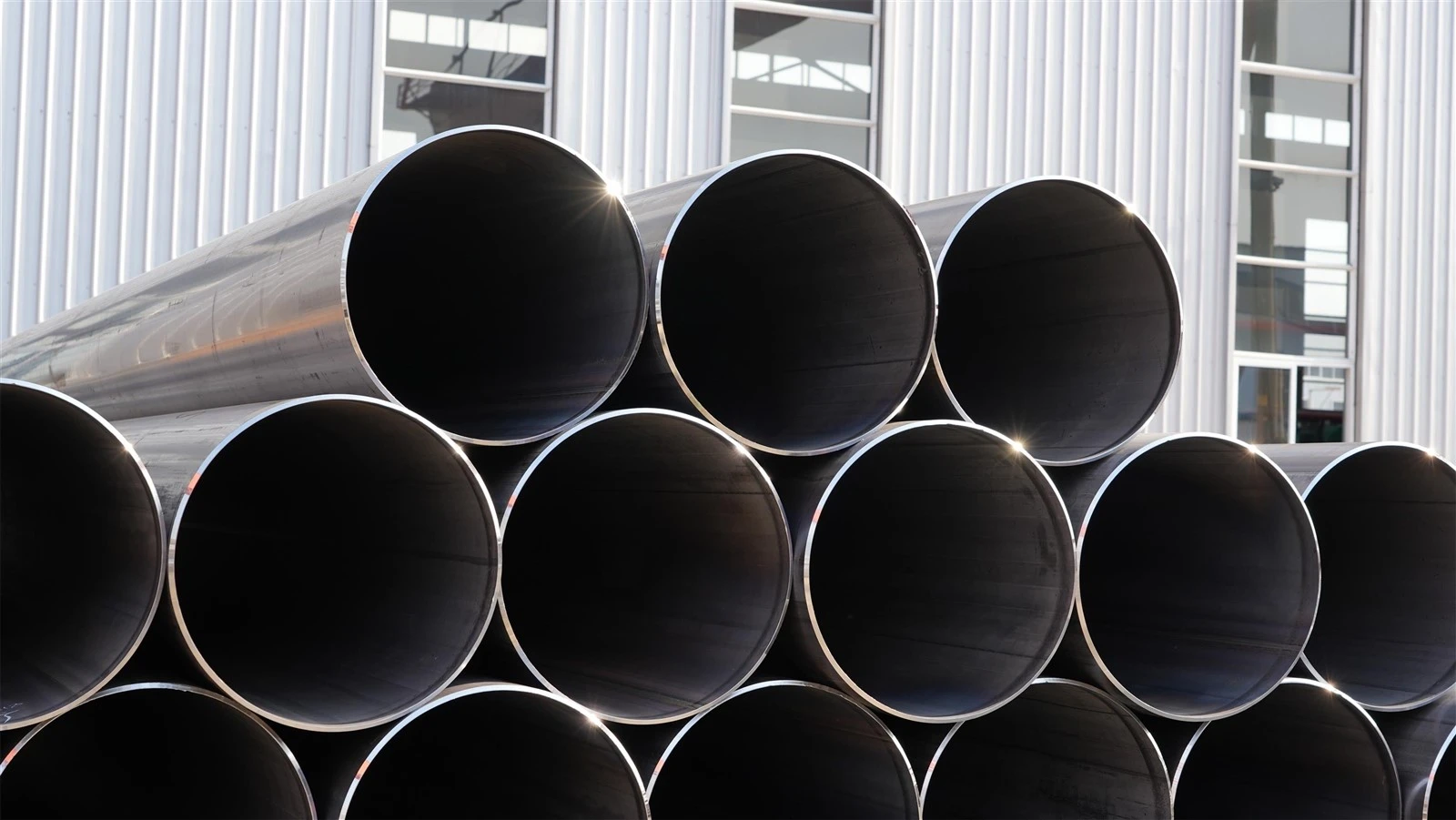
HFW steel pipes are suitable for many tubular structural applications because their outside diameter, wall thickness, and length can be controlled during production. Consistent dimensions also support the fabrication of repeated structural components, an important consideration when a roof contains hundreds or thousands of individual members.
How Do Tubular Trusses Create Large, Open Spaces?
A tubular truss consists of interconnected steel members arranged to carry loads through the structure. Depending on the design, the system may include chords, diagonal braces, vertical members, and complex joints. Spatial trusses extend this principle into three dimensions, allowing structural elements to work together across a large roof area.
Compared with systems that depend on numerous internal supports, appropriately designed long-span trusses can help create more open interior spaces. This is particularly valuable in sports arenas, exhibition halls, and entertainment venues, where clear sightlines and flexible floor areas are important.
The performance of the complete roof depends on the structural design, connection details, steel grade, member dimensions, fabrication quality, and installation accuracy. Selecting suitable pipe materials is therefore one part of a broader engineering process.
What Makes HFW Pipes Practical for Tubular Structures?
HFW pipes are produced by forming steel strip into a cylindrical shape and joining the edges through high-frequency electrical resistance heating and pressure. The manufacturing process supports efficient production and repeatable dimensions, which are useful when a project requires large quantities of matching tubular members.
For stadium roof trusses, dimensional consistency helps fabricators prepare components for cutting, end profiling, welding, and assembly. However, the selected pipes must satisfy the structural specification, and the quality requirements for structural members should not be inferred solely from the fact that a pipe is HFW manufactured.
What Quality Requirements Matter Most for Stadium Truss Pipes?
Large-span roofs contain many connected members, so small dimensional variations can accumulate during fabrication and installation. Maintaining consistent pipe dimensions and verifying weld quality are therefore important parts of structural quality management.
Why Are Dimensional Consistency and Straightness Important?
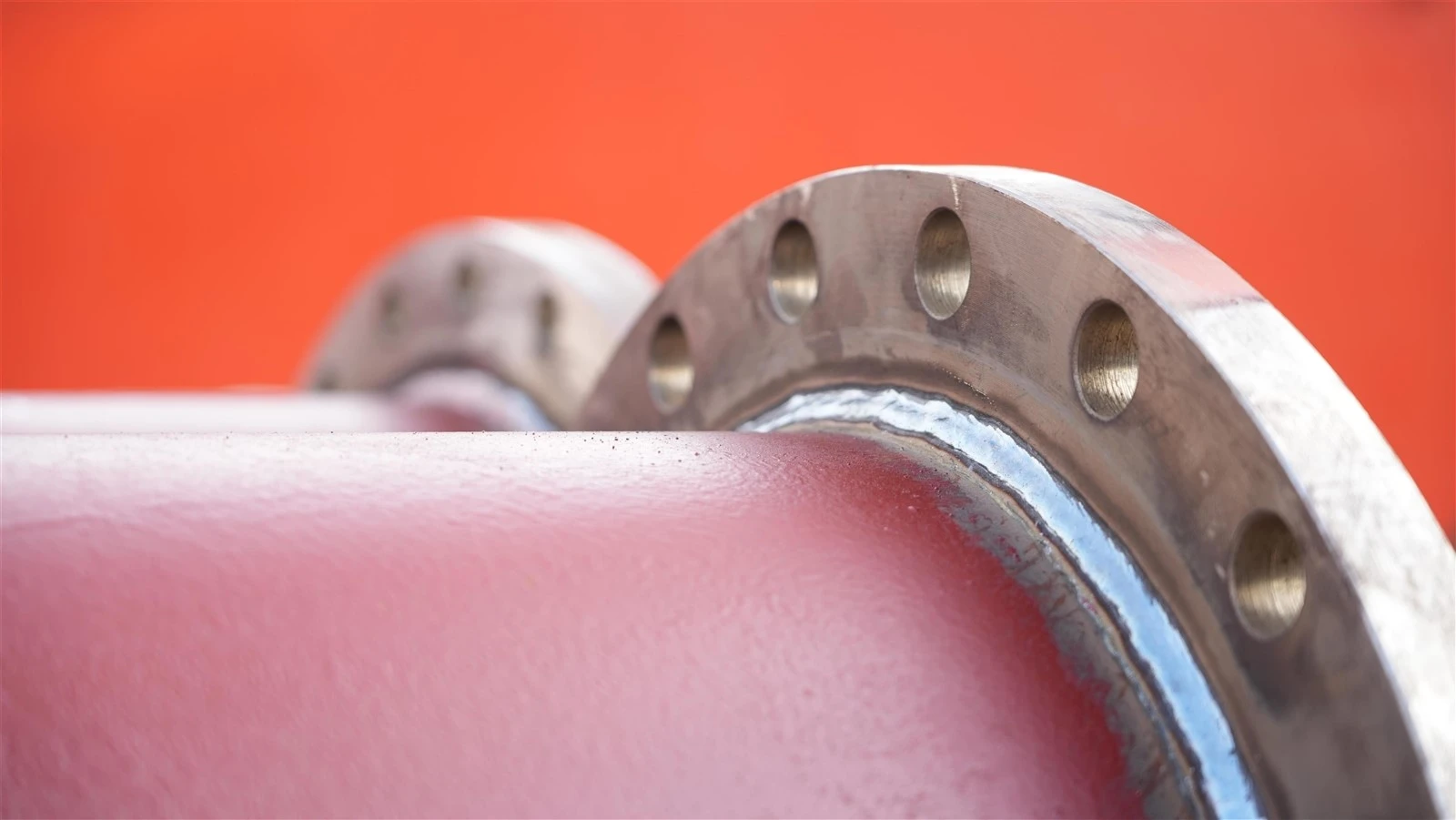
The outside diameter and wall thickness of each pipe must meet the specified tolerances. Straightness and pipe-end geometry also matter because tubular truss members often connect at carefully defined angles. For complex joints, accurate dimensions help the fabrication team cut intersecting profiles and position members according to the approved drawings.
If the dimensions of nominally identical members vary excessively, fabricators may need additional adjustments during assembly. This can increase production time and complicate alignment at the construction site. Consistent pipe geometry helps reduce these difficulties, although final accuracy also depends on cutting equipment, welding procedures, fixtures, and fabrication controls.
How Should Weld Quality Be Verified?
The longitudinal weld is an integral part of an HFW pipe. Its quality must meet the requirements of the applicable product standard and project specification. Visual appearance alone cannot demonstrate the absence of internal defects.
Depending on the specified inspection plan, weld examination may include visual inspection and appropriate nondestructive testing, such as ultrasonic testing. The required method, inspection coverage, and acceptance criteria should be established by the governing standard and purchase specification.
The following table summarizes key considerations when selecting HFW pipes for large-span venue structures.
| Quality factor | What should be verified? | Importance for roof trusses |
|---|---|---|
| Steel grade | Compliance with the specified grade and mechanical properties | Supports the structural design requirements |
| Outside diameter and wall thickness | Conformity with drawings and specified tolerances | Helps maintain consistent member geometry |
| Straightness and pipe-end condition | Dimensional accuracy at the required inspection locations | Supports accurate cutting, fit-up, and assembly |
| Weld quality | Compliance with specified weld inspection requirements | Helps verify product conformity |
| Material traceability | Consistency between pipe identification and material records | Supports quality documentation and project acceptance |
| Surface condition | Absence of unacceptable damage or defects | Helps prepare members for fabrication and any specified coating |
No single inspection item can establish the overall suitability of a pipe. Material properties, dimensions, weld quality, and documentation must be assessed together against the project requirements.
Which Projects Demonstrate the Use of Huayang HFW Steel Pipes?
HFW steel pipes can be used in different structural systems, provided the product specification and engineering design are compatible. Huayang's project information includes applications in major sports and entertainment venues.
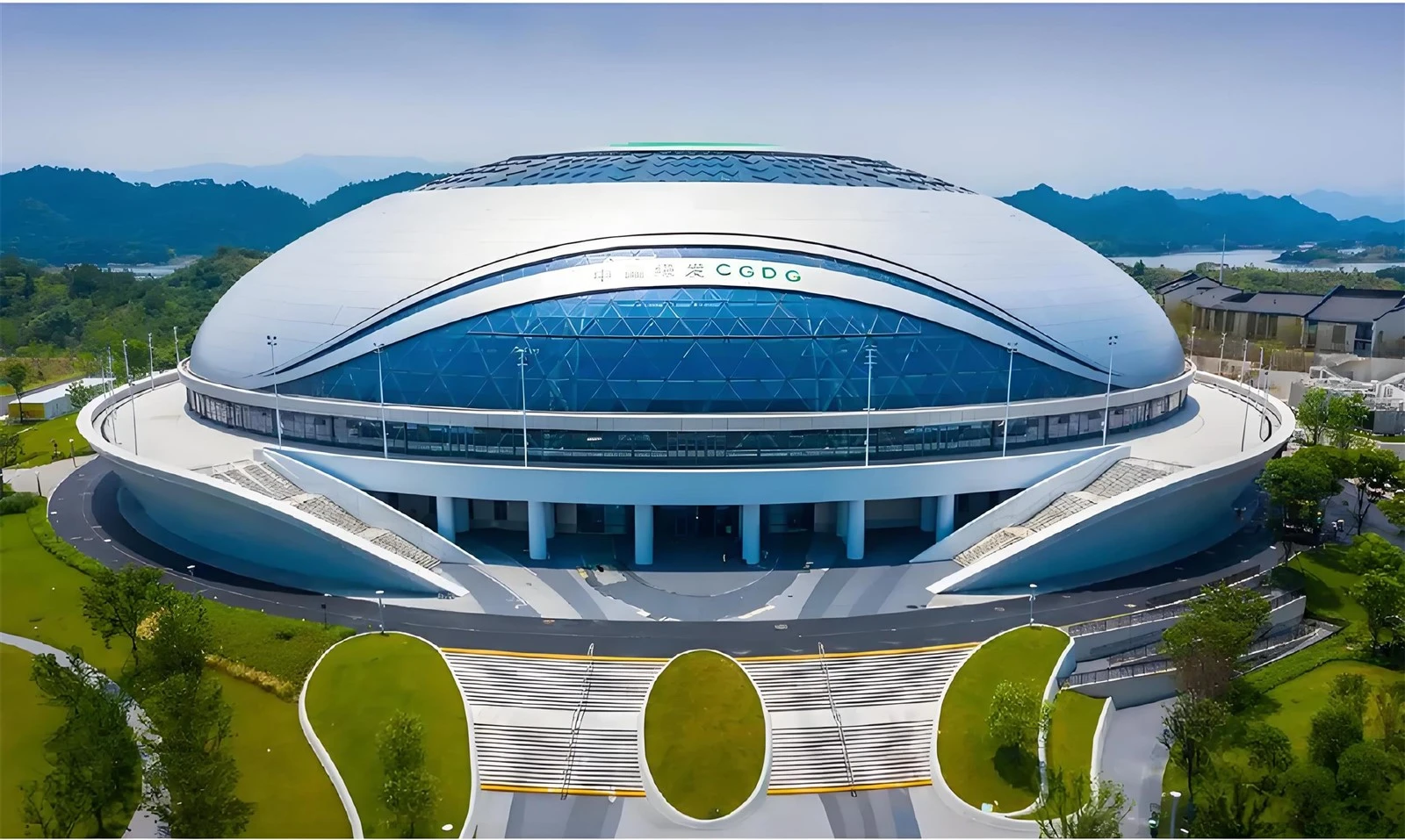
Hangzhou Asian Games Cycling Centre
The Hangzhou Asian Games Cycling Centre, located near Qiandao Lake, features an elliptical architectural form designed for cycling competitions. According to Huayang's project information, Q355B HFW steel pipes were used in the roof truss system.
Q355B is a structural steel grade used in relevant Chinese material specifications. For a venue project, the grade and pipe dimensions must be consistent with the approved design and procurement requirements. The example illustrates how HFW pipes can be incorporated into complex roof structures where repeated tubular members need consistent geometry.
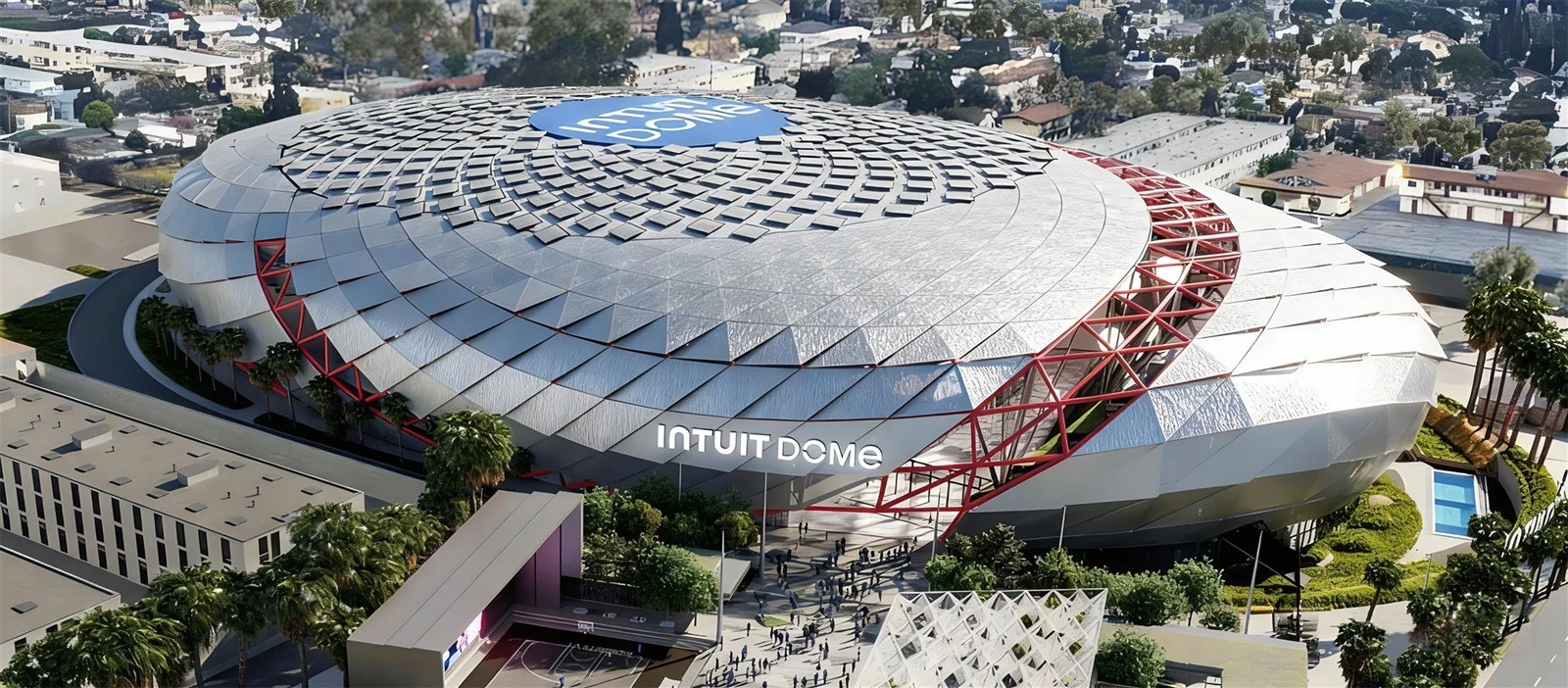
Intuit Dome in Inglewood, California
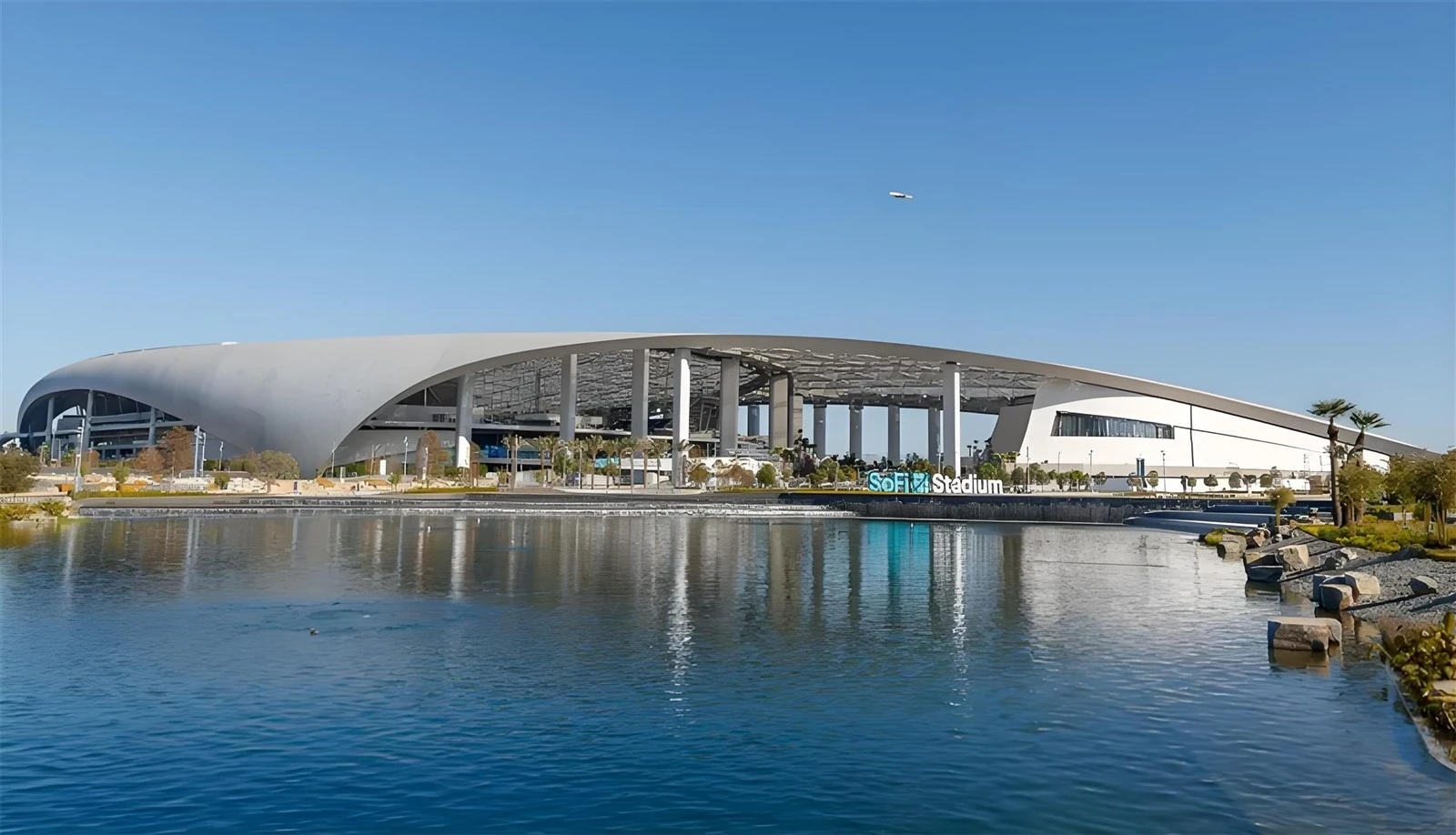
Huayang's project information also identifies API 5L X52 HFW steel pipes as materials used in the main structure of the Intuit Dome in Inglewood, California.
API 5L is a line pipe specification, and its requirements differ from those of dedicated structural hollow-section standards. Where a line-pipe grade is used in a structural application, the project engineer must establish its suitability and ensure that the material, dimensions, design calculations, fabrication procedures, and inspection requirements meet the applicable project criteria. The standard designation alone does not automatically establish suitability for every structural use.
These projects demonstrate the importance of matching steel pipe specifications to the actual engineering application rather than assuming that all HFW pipes are interchangeable.
How Can Steel Pipe Quality Support Long-Term Roof Stability?
A stadium roof must accommodate the loads and environmental conditions considered in its structural design. These may include permanent roof loads, wind, snow where applicable, and temperature-related movement. The structure's response depends on the overall design, member capacity, connection behavior, foundation conditions, and construction quality.
Why Does Consistent Manufacturing Matter Over the Service Life?
Consistent dimensions and verified material properties help ensure that fabricated members correspond to the assumptions used in the design. Appropriate weld inspection and traceable documentation also help project teams verify that supplied materials meet the agreed requirements.
Manufacturing quality cannot independently guarantee long-term structural safety. Proper engineering calculations, connection design, fabrication inspection, erection procedures, and ongoing maintenance remain essential. Nevertheless, reliable pipe quality provides an important foundation for these activities.
What Should Buyers Confirm Before Ordering HFW Pipes?
Buyers should provide the required standard, steel grade, outside diameter, wall thickness, length, quantity, dimensional tolerances, inspection scope, and any surface-treatment requirements. For complex tubular trusses, they should also clarify whether the pipes require special end profiling, bending, or other fabrication operations.
Agreeing on these details before production helps align the supplier's manufacturing and inspection processes with the project's technical requirements.
Why Choose Huayang Steel Pipe for Large-Span Venue Projects?
Huayang Steel Pipe manufactures HFW steel pipes with outside diameters ranging from 48 mm to 660.4 mm, wall thicknesses from 2.0 mm to 22 mm, and lengths from 6 m to 27 m, subject to the applicable production line and order requirements.
For stadiums, arenas, and other tubular structural projects, Huayang can supply pipes according to agreed standards, steel grades, dimensions, and inspection requirements. Material documentation and applicable inspection records can be provided in line with the purchase specification.
Large-span architecture depends on the coordinated performance of thousands of structural components. By combining appropriate material selection, controlled pipe dimensions, verified weld quality, and traceable documentation, project teams can support more accurate fabrication and reliable assembly. Huayang HFW steel pipes provide a manufacturing option for tubular truss applications where the product specification is matched carefully to the structural design.
Read More:
Why Does The Steel Pipe Delivery Schedule Matter For Your Pipeline Project?
How Do Anti-Corrosion Coatings Protect Steel Pipes in Pipeline Projects?


