Steel pipelines are indispensable for transporting vital resources, but their metallic nature makes them inherently susceptible to corrosion, a relentless electrochemical process that can lead to leaks, structural failure, and significant environmental and economic damage. To combat this pervasive threat, modern pipeline engineering relies on a sophisticated, multi-layered defense strategy. At the heart of this strategy lies The Perfect Partnership: the synergistic combination of anti-corrosion coatings and cathodic protection (CP). Neither method alone offers absolute protection, but when deployed together, they form a robust, highly effective dual defense system that ensures the long-term integrity and safety of steel pipelines. This article explores how these two critical technologies complement each other to provide unparalleled corrosion prevention. Hebei Huayang Steel Pipe Co., Ltd. understands this synergy, offering pipes compatible with comprehensive corrosion management systems.
Understanding the Fundamentals of Corrosion Protection
Anti-Corrosion Coatings: The Primary Barrier
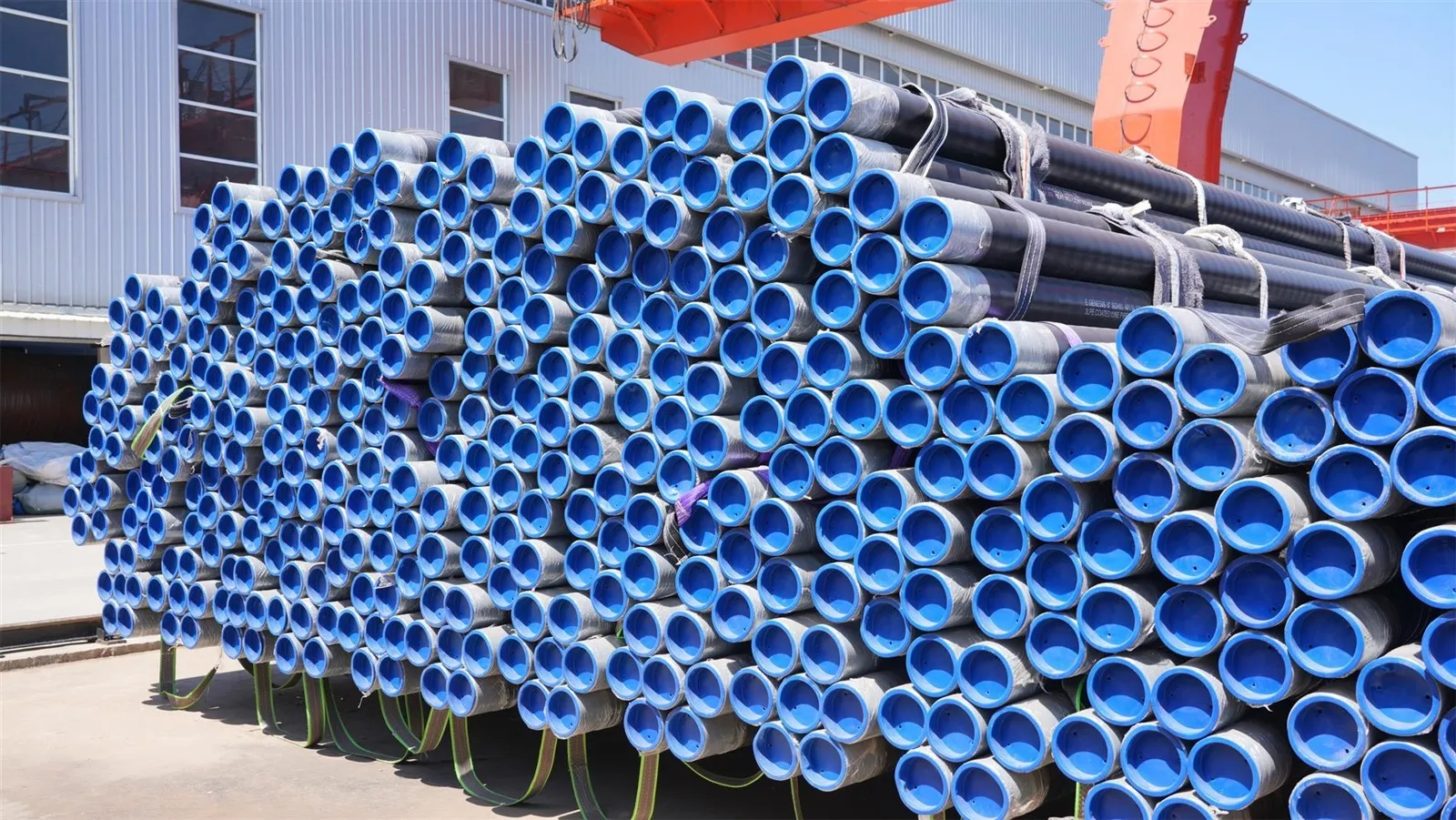
Anti-corrosion coatings (such as 3LPE, FBE, 3LPP, etc.) serve as the primary physical barrier between the steel pipe surface and the corrosive external environment (soil, water, air). Their main functions are:
•Physical Isolation: To prevent direct contact between the steel and electrolytes (moisture, dissolved salts) and corrosive agents (oxygen, acids).
•High Electrical Resistance: To electrically isolate the pipe from the surrounding environment, thereby disrupting the electrochemical corrosion circuit.
•Mechanical Protection: To protect the pipe surface from abrasion, impact, and soil stress during installation and operation.
While highly effective, no coating is perfect. Manufacturing defects, handling damage, or aging can lead to holidays (pinholes), cracks, or disbondment, exposing small areas of the steel to the corrosive environment. These exposed areas become anodic sites where corrosion can initiate.
Cathodic Protection (CP): The Secondary, Active Defense
Cathodic Protection (CP) is an electrochemical technique that actively prevents corrosion by making the entire steel pipeline a cathode in an electrochemical cell. This is achieved by supplying an external current that forces the anodic (corroding) sites on the pipe surface to become cathodic (protected). There are two main types of CP:
1.Sacrificial Anode CP (Galvanic CP): Involves connecting a more electrochemically active metal (e.g., magnesium, zinc, aluminum) to the steel pipeline. Thismore active metal corrodes preferentially, sacrificing itself to protect the steel pipe.
2.Impressed Current CP (ICCP): Uses an external DC power source to drive current from an inert anode (e.g., high silicon cast iron, mixed metal oxide) through the electrolyte to the pipeline. This system is typically used for larger, longer pipelines and requires regular monitoring and adjustment.
CP is designed to protect any exposed steel areas where the coating may have failed, effectively mitigating corrosion at these holiday sites.
The Synergy: Coatings and Cathodic Protection
The combination of anti-corrosion coatings and cathodic protection creates a highly effective and economical corrosion management system. Here's why they form a perfect partnership:
1.Reduced CP Current Requirements: A high-quality coating significantly reduces the exposed surface area of the steel, meaning less current is required from the CP system to achieve full protection. This translates to smaller, fewer, or less powerful CP systems, leading to lower installation and operational costs.
2.Enhanced CP Effectiveness: By minimizing the number and size of holidays, the coating ensures that the CP current is distributed more effectively to the few exposed areas, providing more reliable protection.
3.Extended Coating Life: CP can help prevent cathodic disbondment of the coating at holiday sites by preventing the formation of corrosive products underneath the coating.
4.Redundancy and Reliability: If the coating is damaged, CP acts as a backup, preventing corrosion at the exposed steel. Conversely, the coating reduces the burden on the CP system, ensuring its long-term effectiveness.
Designing an Integrated Corrosion Protection System
Effective corrosion protection requires careful design and selection of both the coating system and the CP system, considering factors such as:
•Pipeline Operating Environment: Soil resistivity, moisture content, presence of stray currents, temperature, and chemical composition of the transported medium.
•Coating Type: Selection of appropriate coating (e.g., 3LPE, FBE, 3LPP) based on mechanical protection needs, temperature resistance, and adhesion properties.
•CP System Design: Sizing and placement of anodes (sacrificial or impressed current) to ensure adequate current distribution along the entire pipeline.
•Monitoring and Maintenance: Regular inspection of the coating and monitoring of CP system performance (e.g., pipe-to-soil potentials) are crucial for long-term effectiveness.
Huayang's Role in Integrated Corrosion Management
Hebei Huayang Steel Pipe Co., Ltd. manufactures high-quality steel pipes that are ideally suited for integrated corrosion protection systems. We offer pipes with a variety of factory-applied anti-corrosion coatings (3LPE, FBE, 3LPP, internal epoxy) that provide the foundational barrier protection. Our pipes are produced to stringent international standards, ensuring a clean surface for optimal coating adhesion and compatibility with cathodic protection systems. By providing a superior base product, Huayang enables clients to build pipelines with maximum longevity, reliability, and safety, leveraging the perfect partnership between advanced coatings and cathodic protection.
Synergy of Anti-Corrosion Coatings and Cathodic Protection
|
Feature |
Anti-Corrosion Coatings |
Cathodic Protection (CP) |
|
Primary Role |
Physical barrier, electrical isolation. |
Electrochemical protection, makes pipe cathodic. |
|
Mechanism |
Prevents contact between steel and corrosive environment. |
Supplies current to prevent anodic dissolution of steel. |
|
Protection Type |
Passive (barrier). |
Active (electrochemical). |
|
Effectiveness |
Highly effective for intact surfaces. |
Protects exposed areas (holidays) where coating fails. |
|
Cost Impact |
Reduces CP current requirements, extends pipeline life. |
Protects coating holidays, prevents localized corrosion. |
|
Limitations |
Imperfections (holidays) can lead to localized corrosion. |
Ineffective without a primary coating, high current demand for bare pipes. |
|
Synergistic Benefit |
Reduces CP system size/cost, enhances CP distribution. |
Prevents corrosion at coating defects, extends coating lifespan. |
In conclusion, the perfect partnership between anti-corrosion coatings and cathodic protection is the cornerstone of modern pipeline integrity management. Coatings provide the first line of defense, acting as a passive barrier, while CP offers an active, electrochemical backup, protecting any areas where the coating may be compromised. This integrated approach not only prevents corrosion more effectively and economically than either method alone but also significantly enhances the safety, reliability, and environmental performance of steel pipelines. Hebei Huayang Steel Pipe Co., Ltd. is committed to providing the high-quality steel pipes and coating solutions that form the essential foundation for these robust and long-lasting corrosion prevention systems, ensuring the secure transport of vital resources for decades to come.