


When discussing corrosion protection for buried steel pipelines, soil conditions and chemical corrosion are often the first concerns. However, the service life of an anti-corrosion steel pipe can be affected long before it is installed underground. Improper lifting, handling, transportation, and storage may damage the external coating, creating weak points in the protective system.
Even a small scratch or localized impact can compromise the coating barrier. Once the damaged area is exposed to moisture, soil, and other corrosive substances, corrosion may gradually develop beneath or around the coating. For large-scale pipeline projects, protecting the coating during every stage of delivery is therefore just as important as controlling the coating application process.
At Huayang Steel Pipe, anti-corrosion quality control extends beyond the production line. From finished pipe inspection and warehouse storage to loading and transportation preparation, coating protection is an essential part of product delivery.
Why Can Handling Damage Anti-Corrosion Coatings Before Pipeline Installation?
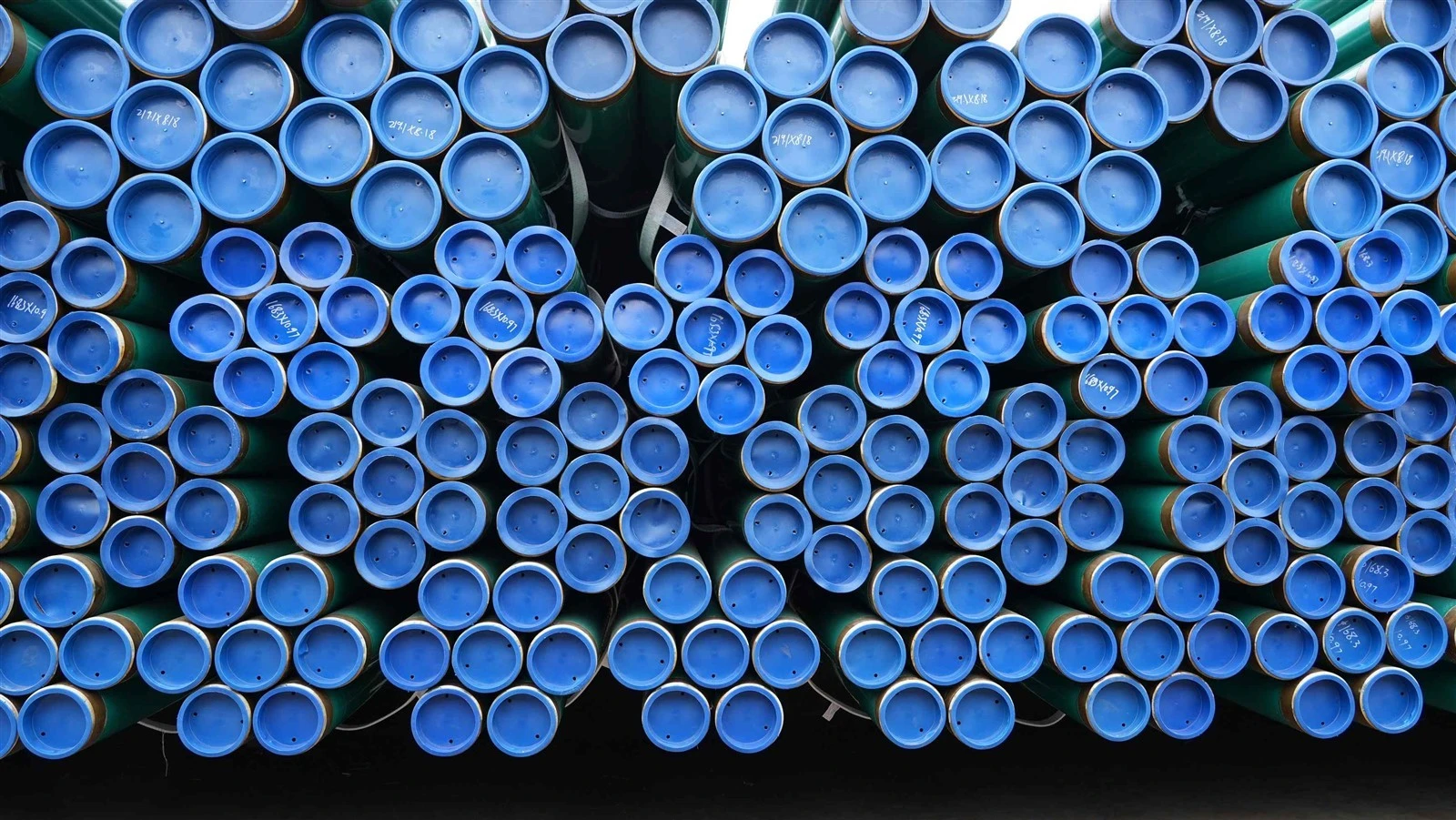
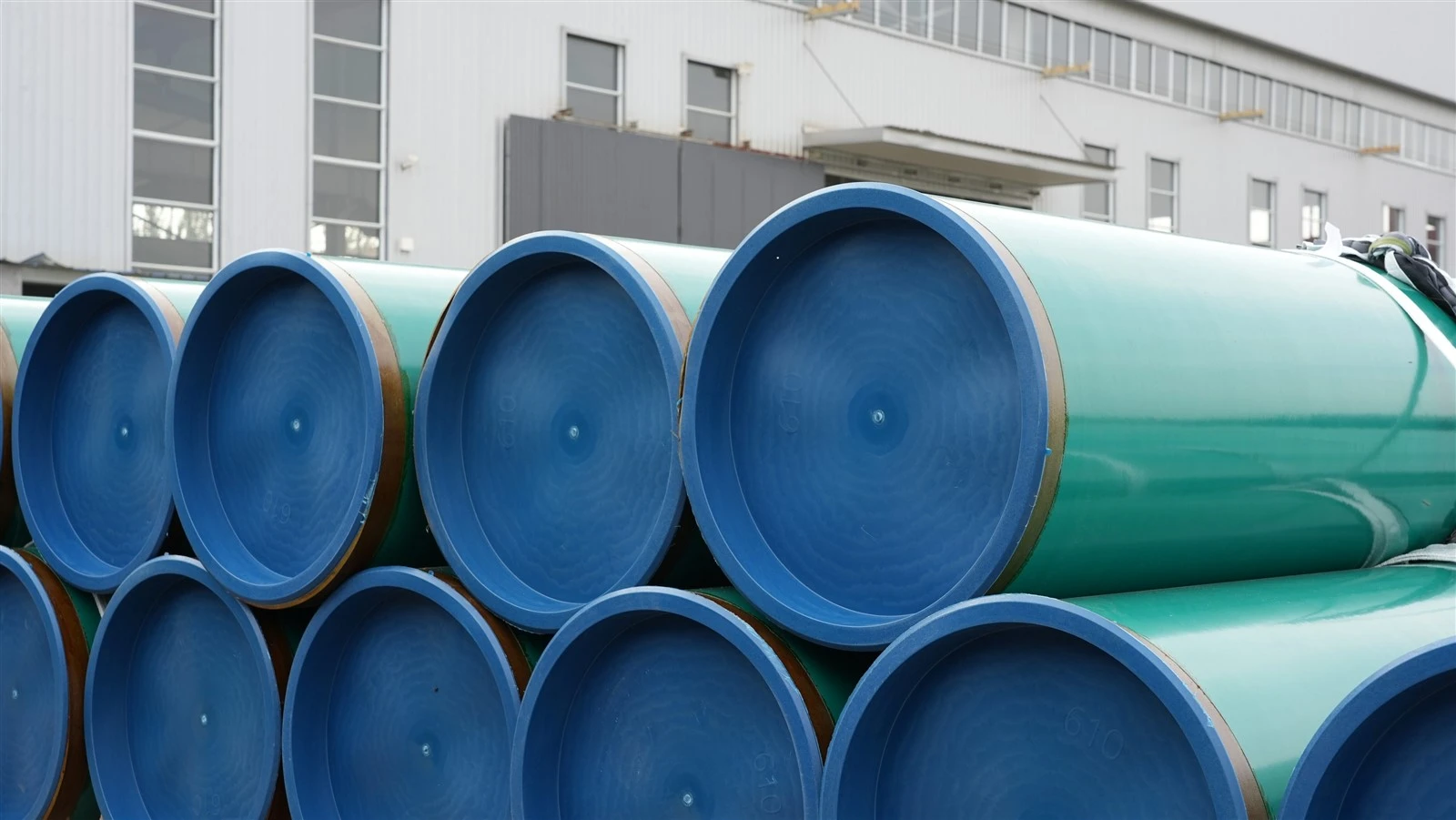
Anti-corrosion coatings are designed to isolate the steel substrate from the external environment. Depending on the project requirements, buried steel pipes may use FBE, 2PE, or 3PE coating systems. These coatings provide a protective barrier against moisture, soil-related corrosion, and external mechanical influences.
However, coating performance depends on the integrity of the entire protective layer. A pipe may pass all production inspections but still sustain damage during subsequent handling. Scratches, dents, impact marks, and localized coating separation can expose the steel surface or weaken the bonding between coating layers.
This risk is particularly relevant when large-diameter and heavy-wall steel pipes are handled repeatedly. Lifting equipment, contact points, pipe-to-pipe friction, and unsuitable stacking surfaces can all introduce mechanical stress. If these factors are not properly controlled, coating damage may occur before the pipes arrive at the construction site.
For pipeline contractors and procurement teams, it is important to evaluate not only the coating system and its specified thickness but also the manufacturer's finished-product protection and delivery procedures.
Which Delivery Stages Present the Greatest Risk to Coating Integrity?
The period between coating completion and pipeline installation includes several operations. Each one requires appropriate handling methods to prevent unnecessary contact, impact, and abrasion.
Lifting and Transportation: Preventing Impact and Surface Abrasion
During lifting, unsuitable slings, direct contact with sharp metal edges, or sudden pipe movement can damage the coating. Using appropriate lifting equipment and protective contact materials helps distribute the load and reduce localized pressure.
Transportation introduces additional risks. Vibration, movement during transit, and contact between adjacent pipes may cause scratches or impact damage if the cargo is not properly secured. Protective arrangements should account for pipe dimensions, weight, coating type, and transportation conditions.
Storage and Stacking: Avoiding Direct Contact with Hard Surfaces
Steel pipes should not be placed directly on rough ground or surfaces containing sharp objects. Dedicated supports or suitable cushioning materials help prevent direct contact and reduce the risk of coating abrasion.
Common Coating Damage Risks and Preventive Measures
| Delivery Stage | Potential Risk | Recommended Protection |
|---|---|---|
| Lifting | Sling pressure, impact, surface scratches | Use suitable lifting equipment and protective contact materials |
| Internal transfer | Collision and friction between pipes | Control movement and maintain adequate spacing |
| Warehouse storage | Direct contact with rough ground or sharp objects | Use dedicated supports and suitable cushioning |
| Transportation | Vibration, pipe movement, and abrasion | Secure the load and provide appropriate separation |
| Loading and unloading | Impact at pipe ends or coating surfaces | Use controlled lifting and handling procedures |
The appropriate measures depend on pipe diameter, length, weight, coating system, and the requirements of the transportation plan. For large-diameter coated pipes, handling procedures should be established before loading rather than relying on visual inspection after delivery.
How Can Minor Coating Damage Lead to Corrosion in Buried Pipelines?
An anti-corrosion coating functions as a barrier between the steel substrate and its surrounding environment. When the coating is intact, it limits direct contact between the steel and corrosive substances. When a defect exposes the substrate, the protective barrier becomes locally discontinuous.
How Do Scratches and Impact Defects Affect the Protective Barrier?
A deep scratch, puncture, or impact-related coating defect may expose the underlying steel. Moisture and corrosive substances in the surrounding soil can then reach the exposed area. Depending on soil chemistry, moisture content, oxygen availability, and other service conditions, localized corrosion may develop.
Coating disbondment presents another concern. Even when the steel is not immediately visible, separation between the coating and substrate can reduce the effectiveness of the protective system. The extent of the risk depends on the defect type, coating condition, and operating environment.
Why Should Small Defects Be Taken Seriously?
A minor defect does not automatically mean that a pipe will fail. However, its location, depth, size, and surrounding conditions determine whether it requires repair or further evaluation. If left untreated, localized damage may become a starting point for corrosion and increase maintenance requirements over the pipeline's service life.
This is why coating inspection should not stop when production is completed. The coating must remain protected during storage, handling, and transportation, while any identified damage should be assessed and repaired in accordance with the applicable project specification and coating repair procedure.
How Does Huayang Steel Pipe Protect Coated Pipes Before Delivery?
Reliable anti-corrosion pipe delivery involves more than applying a qualified coating system. The finished coating must also be protected throughout the subsequent logistics process.
At Huayang Steel Pipe, coating quality control covers production inspection and finished-product handling. After coating application, pipes undergo checks of coating thickness and surface condition. Pipe ends are also inspected and finished according to the order requirements. These checks help identify visible defects before the products enter the storage and loading stages.
During warehouse storage, suitable supports and protective arrangements help keep coated pipes away from direct contact with rough ground. During loading, handling procedures are organized to reduce collision and friction between pipes and lifting equipment. Appropriate separation and securing measures are also important for transportation, particularly for large-diameter anti-corrosion steel pipes.
Huayang offers several external and internal coating solutions, including FBE, 2PE, 3PE, 2PP, 3PP, internal epoxy powder coating, and liquid epoxy coating. The suitable system is selected according to the intended application, environmental conditions, and project specifications.
For customers sourcing coated steel pipes for buried pipelines, water transmission, and offshore engineering, it is worth confirming how the supplier manages finished-product protection in addition to reviewing coating inspection records. A complete delivery plan should address lifting, storage, loading, transportation, and coating repair requirements where applicable.
What Should Buyers Check When Sourcing Anti-Corrosion Steel Pipes?
When evaluating an anti-corrosion steel pipe supplier, buyers should look beyond the coating type stated in the quotation. They should confirm whether the coating thickness, surface preparation, material properties, and inspection procedures meet the project specification. Relevant quality records and inspection reports should also be available according to the purchase agreement.
Delivery protection deserves the same attention. Buyers can ask how pipes are lifted, supported during storage, separated during transportation, and inspected before dispatch. These details help reduce the risk of coating damage between the manufacturing facility and the installation site.
A reliable pipeline protection system starts with correct coating design and controlled production, but it does not end when the pipe leaves the coating line. Preserving coating integrity throughout storage and transportation is essential to maintaining the intended corrosion protection. At Huayang Steel Pipe, the objective is not only to apply the coating correctly, but also to protect it until the finished pipes are ready for project use.
Read More:
How Do Three API Certifications Strengthen Huayang's Anti-Corrosion Steel Pipe Quality Control?


