


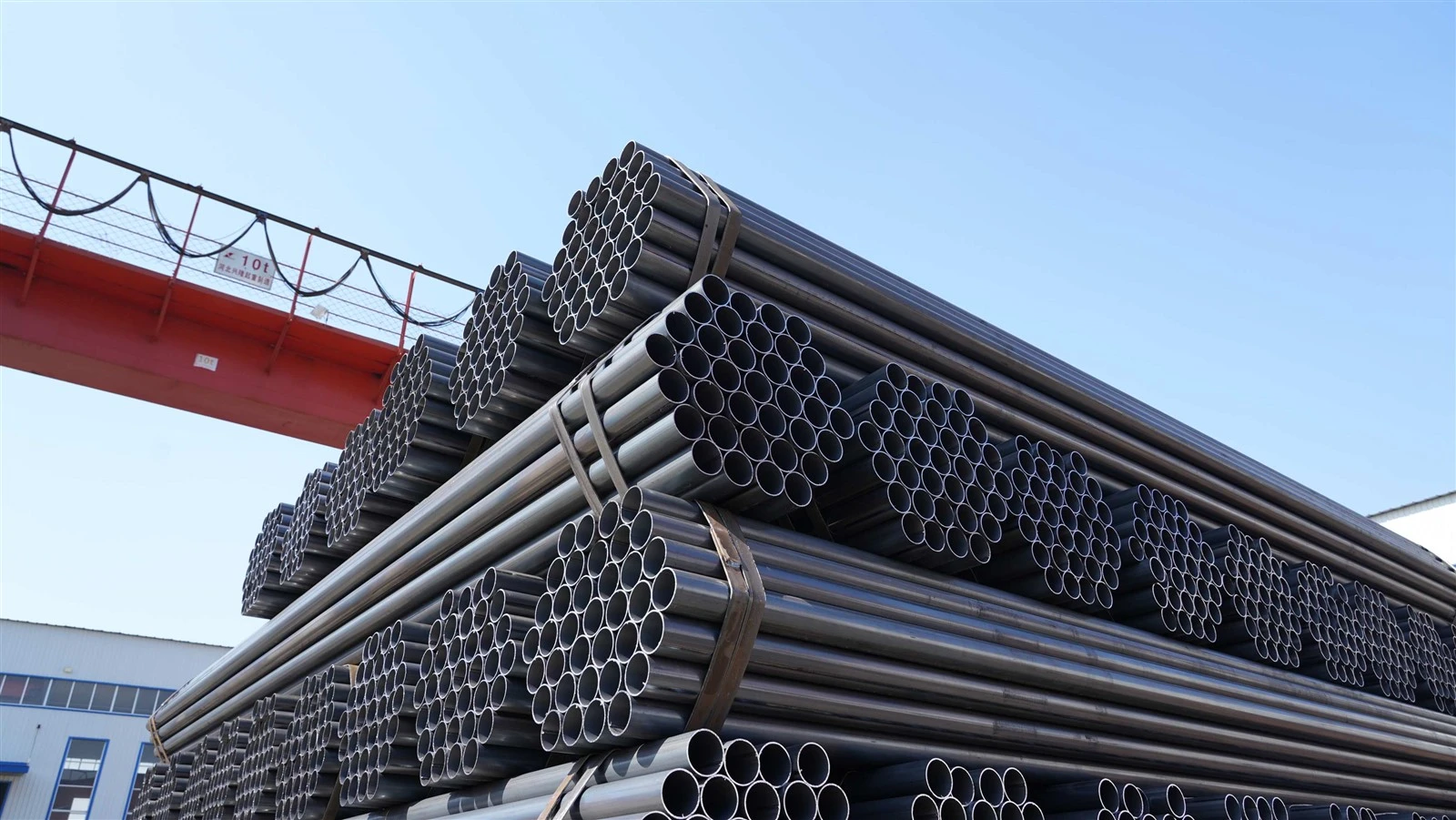
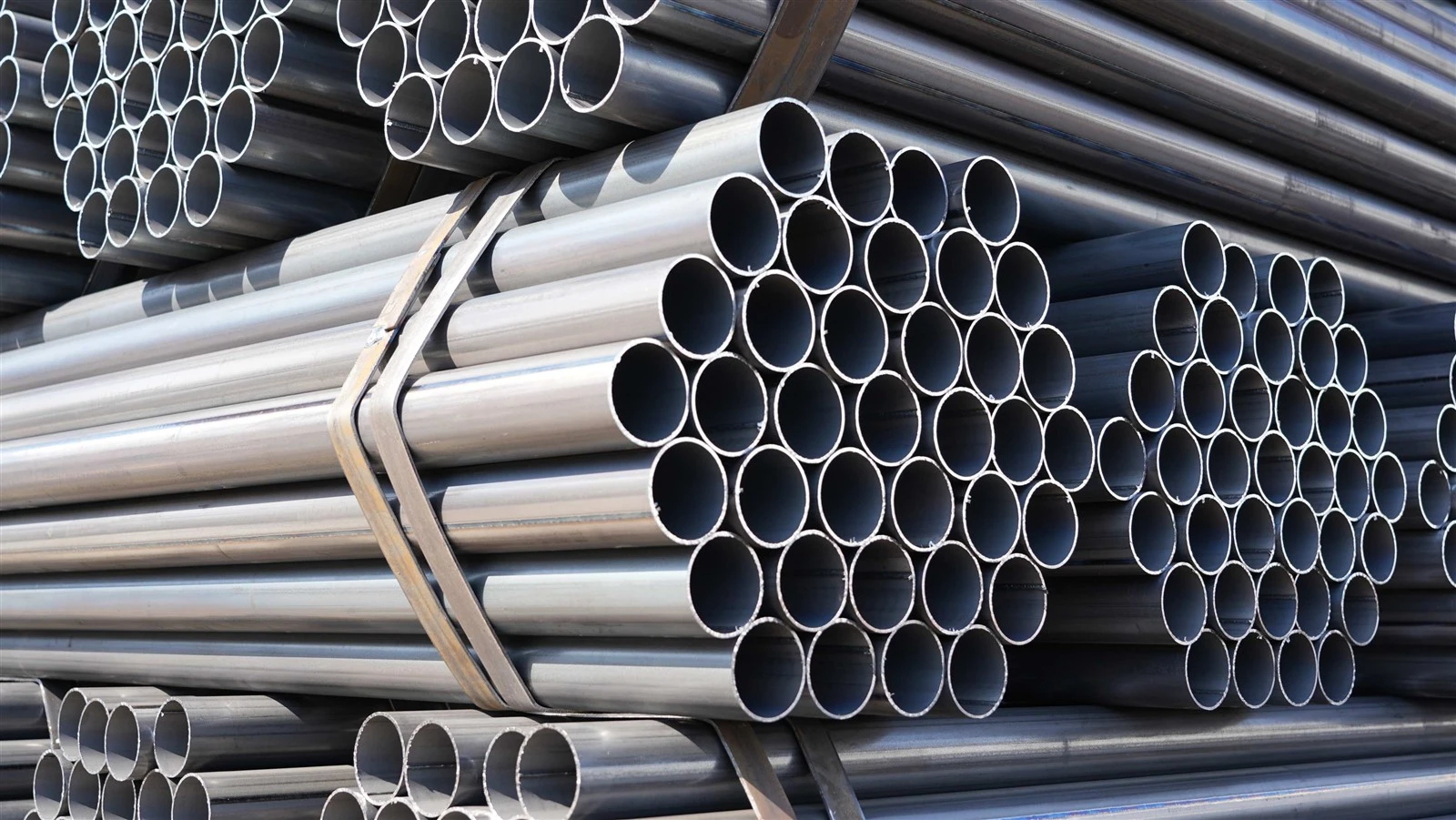
Small-diameter HFW steel pipes, particularly those with outside diameters from 48 mm to 121 mm, are widely used in construction, steel structures, machinery manufacturing, and transportation infrastructure. Their relatively compact dimensions make them suitable for tubular components that require cutting, welding, bending, and assembly. With the development of manufacturing equipment, the available size range of high-frequency welded pipes continues to expand, providing more options for industrial and engineering applications.
High-frequency welded steel pipes are manufactured by continuously forming steel strips into tubular shapes and joining the edges through high-frequency resistance heating. Compared with processes that manufacture pipes from individual steel plates, continuous forming supports efficient production across different specifications. The final pipe dimensions, material grade, and mechanical properties must meet the requirements of the intended application and relevant product standards.
What Are Small-Diameter HFW Steel Pipes Used For?
Small-diameter HFW steel pipes are commonly used in tubular structures, equipment components, and supporting systems. Their applications depend on outside diameter, wall thickness, steel grade, connection method, and the loads expected during service.
Construction and Scaffolding Systems
In building construction and temporary engineering, steel pipes are used for scaffolding standards, ledgers, diagonal braces, and temporary support structures. These components are assembled into working platforms, access systems, and supporting frames for construction, equipment installation, and maintenance operations.
For scaffolding applications, pipe diameter and wall thickness influence the structural capacity of individual members. Connection design, steel grade, corrosion protection, and applicable construction requirements must also be considered. Commonly used small-diameter specifications provide flexibility when selecting tubular members for different scaffolding configurations.
Steel Structures and Building Components
Small-diameter welded pipes are also used in lightweight steel structures and building-related components, including tubular frames, support members, railings, and guardrails. Their tubular cross-section can provide structural resistance while allowing relatively straightforward fabrication.
For components requiring fixed lengths, welding, or bending, the dimensional accuracy and material properties of the pipe are important. The selected specification should correspond to the design loads and fabrication procedures rather than diameter alone.
How Are Small-Diameter HFW Pipes Used in Industrial Manufacturing?
Small-diameter HFW pipes are suitable for many manufactured products because they can be processed into components with different shapes and dimensions. Cutting, drilling, bending, and welding allow standard pipe products to be incorporated into equipment frames, mechanical assemblies, and transportation-related structures.
Machinery and Equipment Manufacturing
In machinery manufacturing, tubular steel components are used in equipment frames, support structures, conveyor systems, and other mechanical assemblies. The required pipe dimensions depend on the equipment layout, connection design, and operating loads.
HFW pipes can be supplied in specified lengths and processed through secondary operations. For manufacturers, consistency in outside diameter, wall thickness, straightness, and material properties helps facilitate subsequent fabrication and assembly.
Automotive and Transportation Infrastructure
In automotive and transportation-related manufacturing, small-diameter steel pipes may be used for selected tubular structural components, supports, protective barriers, and infrastructure facilities. Their suitability depends on the relevant engineering design, material requirements, and manufacturing standards.
Steel pipes are also used in agricultural greenhouse frames, fencing systems, and other lightweight tubular structures. These applications may require different combinations of diameter, wall thickness, surface treatment, and length.
Common HFW Pipe Sizes and Their Application Considerations
The following sizes illustrate the range of small-diameter pipes used in industrial and construction applications. Actual suitability depends on the project design and technical specification.
| Outside Diameter | Typical Application Areas | Key Selection Considerations |
|---|---|---|
| 48 mm | Scaffolding and lightweight supports | Wall thickness, connection method, load requirements |
| 60 mm | Construction frames and tubular supports | Dimensional tolerance and structural requirements |
| 89 mm | Mechanical frames and structural components | Steel grade, wall thickness, fabrication |
| 102 mm | Industrial supports and tubular structures | Strength, straightness, and processing requirements |
| 121 mm | Structural members and equipment frameworks | Design loads, welding, and dimensional accuracy |
The wall thickness of HFW steel pipes generally varies according to diameter and application. For the production range discussed here, the available HFW specifications extend from 48 mm to 660.4 mm in outside diameter, with wall thicknesses from 2.0 mm to 22 mm and standard lengths from 6 m to 27 m. Specific combinations depend on the production equipment, material, and order requirements.
How Does the HFW Manufacturing Process Affect Pipe Quality?
HFW steel pipe production involves several continuous stages, including strip preparation, roll forming, high-frequency welding, sizing, and cutting. Steel strip passes through forming rolls and gradually takes on a tubular shape. The edges are then heated by high-frequency current and brought together under pressure to form a longitudinal weld.
Continuous Forming and High-Frequency Welding
During forming, the steel strip is gradually shaped into an open tube. High-frequency current concentrates heat at the strip edges, allowing them to reach the required welding temperature. Squeeze rolls then bring the heated edges together to create the weld seam.
The stability of this process affects weld formation and dimensional consistency. Key parameters include welding power, line speed, edge alignment, squeeze pressure, and the condition of the incoming strip. These parameters need to be adjusted according to pipe dimensions, material grade, and production conditions.
Inspection and Verification of Finished Pipes
After welding, pipes undergo sizing and cutting to the specified dimensions. Quality inspection may include outside diameter, wall thickness, length, straightness, and weld quality. Mechanical testing, hydrostatic testing, and nondestructive examination are conducted according to the applicable product standard and purchase specification.
A qualified HFW pipe is not defined by its appearance alone. Weld integrity and mechanical properties must be verified through appropriate inspection and testing methods.
Relevant Standards for HFW Steel Pipes
Different industries and markets use different standards to define pipe dimensions, materials, manufacturing requirements, and inspection procedures. Examples include API 5L and ISO 3183 for line pipe applications, ASTM A500 for cold-formed welded and seamless carbon steel structural tubing, EN 10219 for cold-formed welded structural hollow sections, and JIS G3444 for carbon steel tubes used in general structural purposes.
The applicable standard should be selected according to the intended service and project specification. Not every standard applies to every HFW pipe application, and the required steel grade and inspection scope must be confirmed before ordering.
What Should Buyers Consider When Selecting Small-Diameter HFW Steel Pipes?
Selecting small-diameter HFW steel pipes requires more than matching the outside diameter. Buyers should confirm wall thickness, steel grade, pipe length, applicable standard, dimensional tolerances, and required testing. For components that will undergo bending, drilling, or welding, fabrication requirements should also be communicated before production.
The expected service environment is another important factor. Pipes used in outdoor structures, agricultural facilities, or transportation infrastructure may require additional surface protection. Where corrosion resistance is important, the coating system should be selected according to environmental exposure and project requirements.
For customized orders, it is also useful to confirm available size combinations and production lead times. A manufacturer with a broader range of HFW equipment may be able to accommodate different diameter requirements within one supply program.
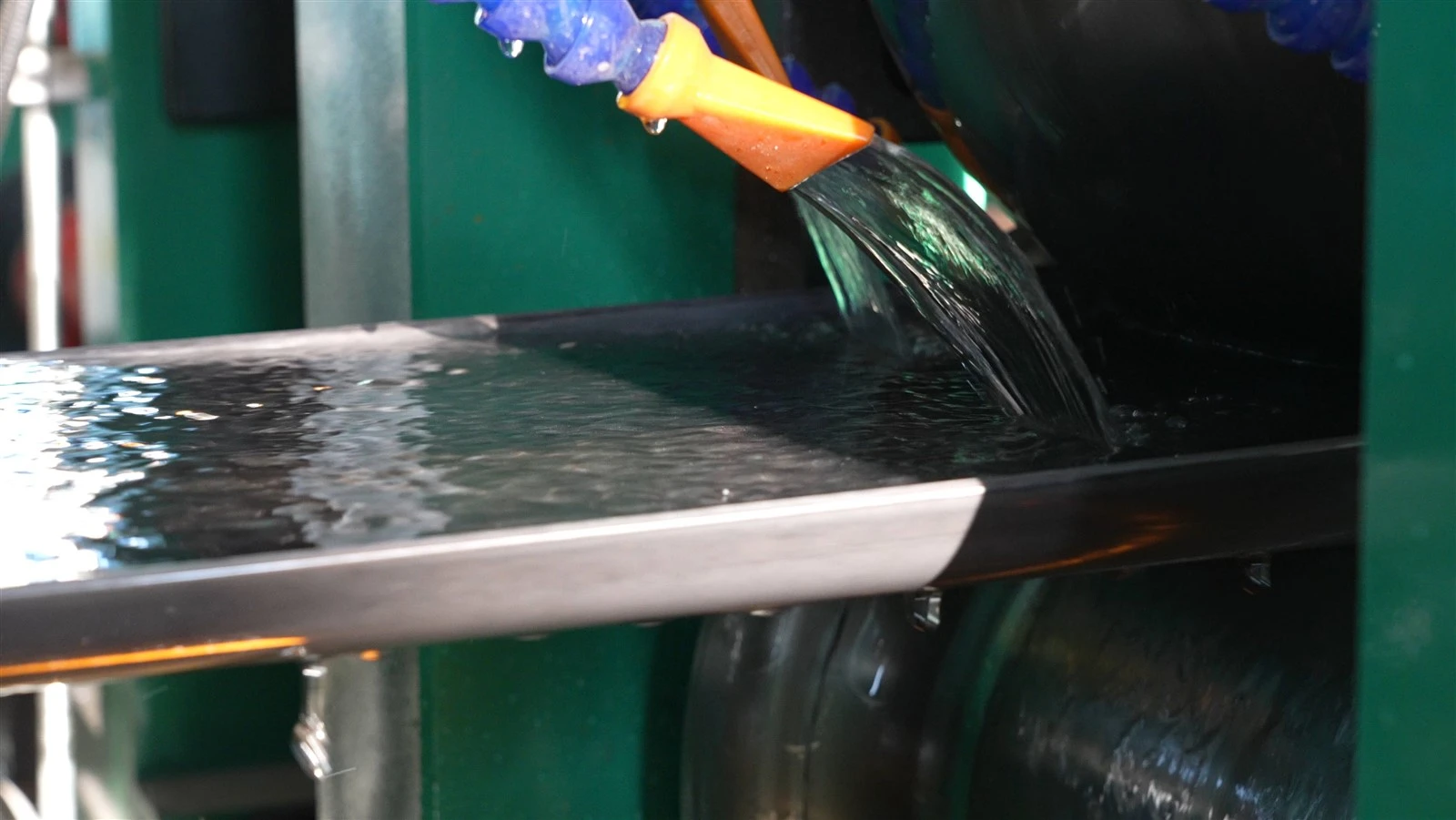
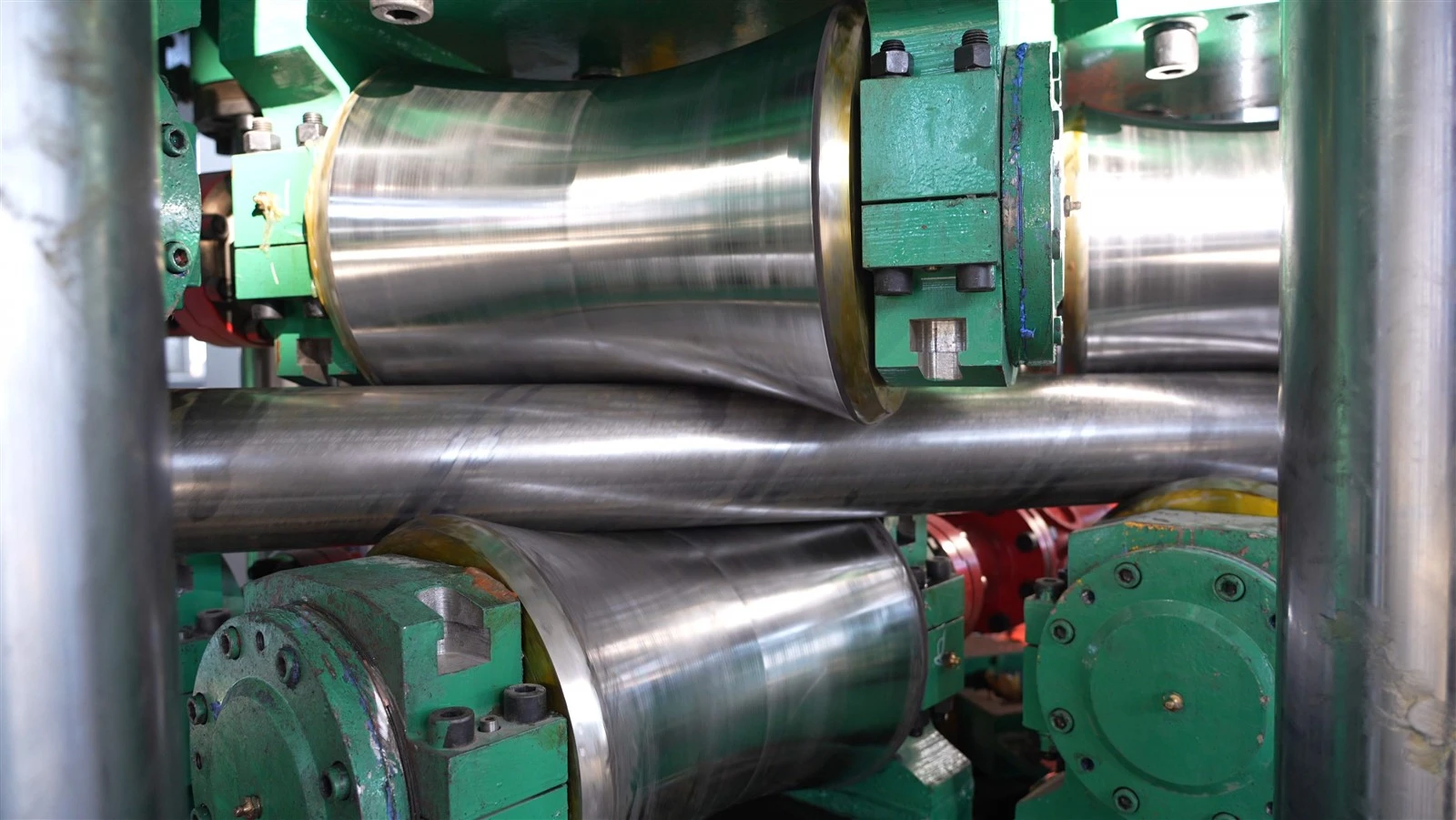
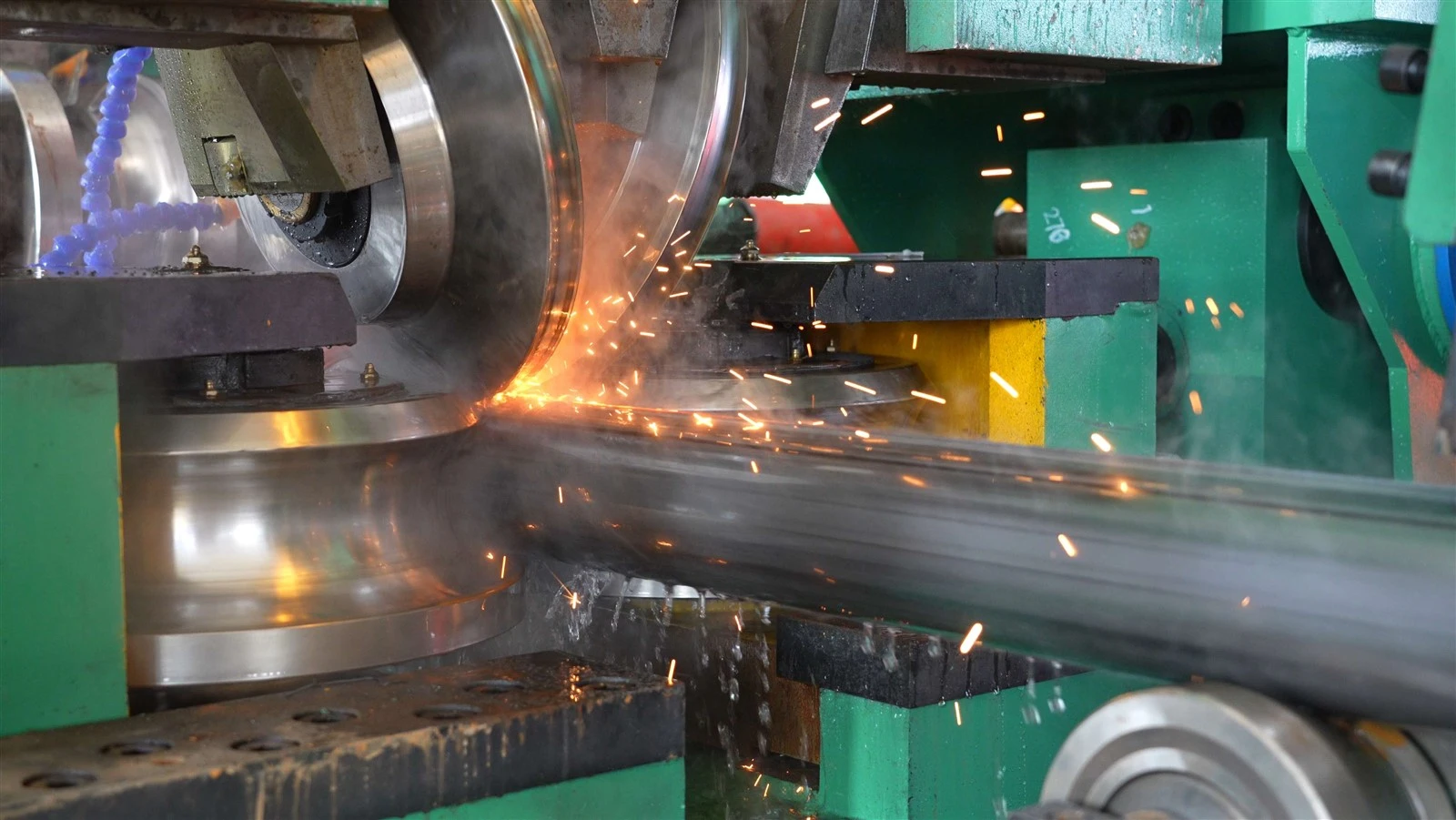
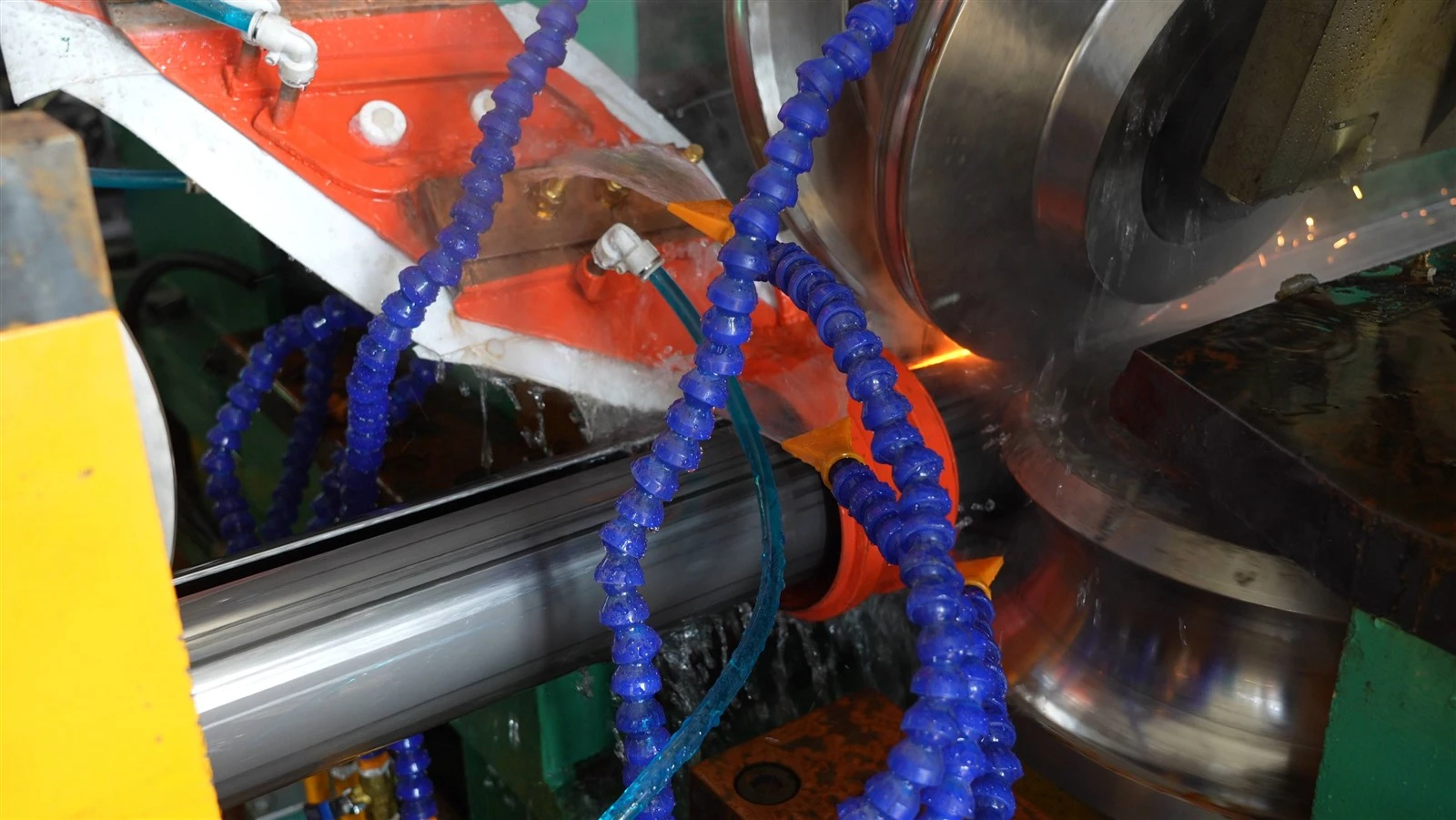
Recently, a new production unit at Huayang Steel Pipe's HFW Workshop 16 completed equipment commissioning and process verification and entered production. The new unit mainly manufactures longitudinal HFW steel pipes with outside diameters from 89 mm to 121 mm. Following this production line expansion, Huayang has 17 HFW production lines, with an overall product diameter range of 48–660.4 mm. The expanded capacity provides additional specification options for small-diameter structural pipes and larger industrial applications. For project-specific requirements, buyers can contact Huayang Steel Pipe to discuss available dimensions, materials, standards, and processing needs.
Read More:
How Can Integrated Steel Pipe Fabrication Improve Engineering Project Efficiency?
How Does An Integrated HFW And LSAW Steel Pipe Manufacturer Support Global Engineering Projects?


