


Introduction
Galvanized steel pipe has been widely used in plumbing, water supply systems, and construction since the late 19th century. Its zinc coating makes it resistant to rust and corrosion, extending its service life compared with regular steel. However, when installing galvanized steel pipe, a crucial process is threading and connecting the pipes.
Threading ensures that pipes can be securely joined, preventing leaks and ensuring durability. With the right tools, preparation, and knowledge, threading galvanized steel pipe can be straightforward. In this article, we'll explain the steps for threading and connecting galvanized pipe, highlight the tools you need, and share how Huayang Steel Pipe delivers ERW steel pipe and carbon steel pipe ready for smooth connections.
Tools and Materials Needed
Before you start threading galvanized steel pipe, gather all necessary tools and materials. Proper preparation will save you time and ensure the process runs smoothly.
- Pipe Threader (manual or powered)
- Cutting Oil (to reduce friction and heat)
- Pipe Cutter or Saw
- Vise or Pipe Clamp
- Wrench and Pipe Sealant (Teflon Tape or Pipe Dope)
- Safety Gear (gloves, goggles, mask)
At Huayang Steel Pipe, industrial-scale pipe production is supported by precision threading machinery. Whether producing 73mm ERW steel pipe or large-diameter 1422mm carbon steel pipe, Huayang ensures customers receive pipes that are easy to connect in real-world applications.
Steps for Threading Galvanized Steel Pipe
Threading requires careful attention to detail to prevent leaks and pipe damage. Follow these steps for a reliable connection:
1.Cut the Pipe to Length
Use a pipe cutter or saw to cut the galvanized steel pipe to the required length. Make sure the cut is straight and smooth.
2.Secure the Pipe
Place the pipe in a vise or pipe clamp to keep it stable during threading. A moving pipe can cause uneven threads.
3.Apply Cutting Oil
Cutting oil is essential to reduce friction and heat during threading. Apply generously to the area where the threads will be cut.
4.Thread the Pipe
Use a pipe threader (manual or powered) to cut threads onto the pipe end. Rotate the threader steadily and avoid applying excessive force.
5.Check and Clean the Threads
Once threading is complete, clean the pipe end with a wire brush to remove debris and ensure smooth connections.
Connecting Galvanized Steel Pipe
After threading, the next step is to connect pipes securely.
1.Apply Pipe Sealant
Wrap Teflon tape around the male threads or apply pipe dope. This creates a watertight seal and prevents leaks.
2.Join the Pipes
Screw the threaded pipe into the fitting or coupling. Use a wrench to tighten but avoid over-tightening, which may damage the threads.
3.Test the Connection
Once installed, test the connection with water or air pressure to ensure no leaks are present.
Huayang Steel Pipe conducts strict water pressure and air pressure testing in its advanced laboratory to guarantee the reliability of every pipe before delivery.

Conclusion
Threading and connecting galvanized steel pipe is a vital skill for plumbers, contractors, and DIY users alike. With the right tools, proper preparation, and attention to detail, you can achieve durable and leak-free connections.
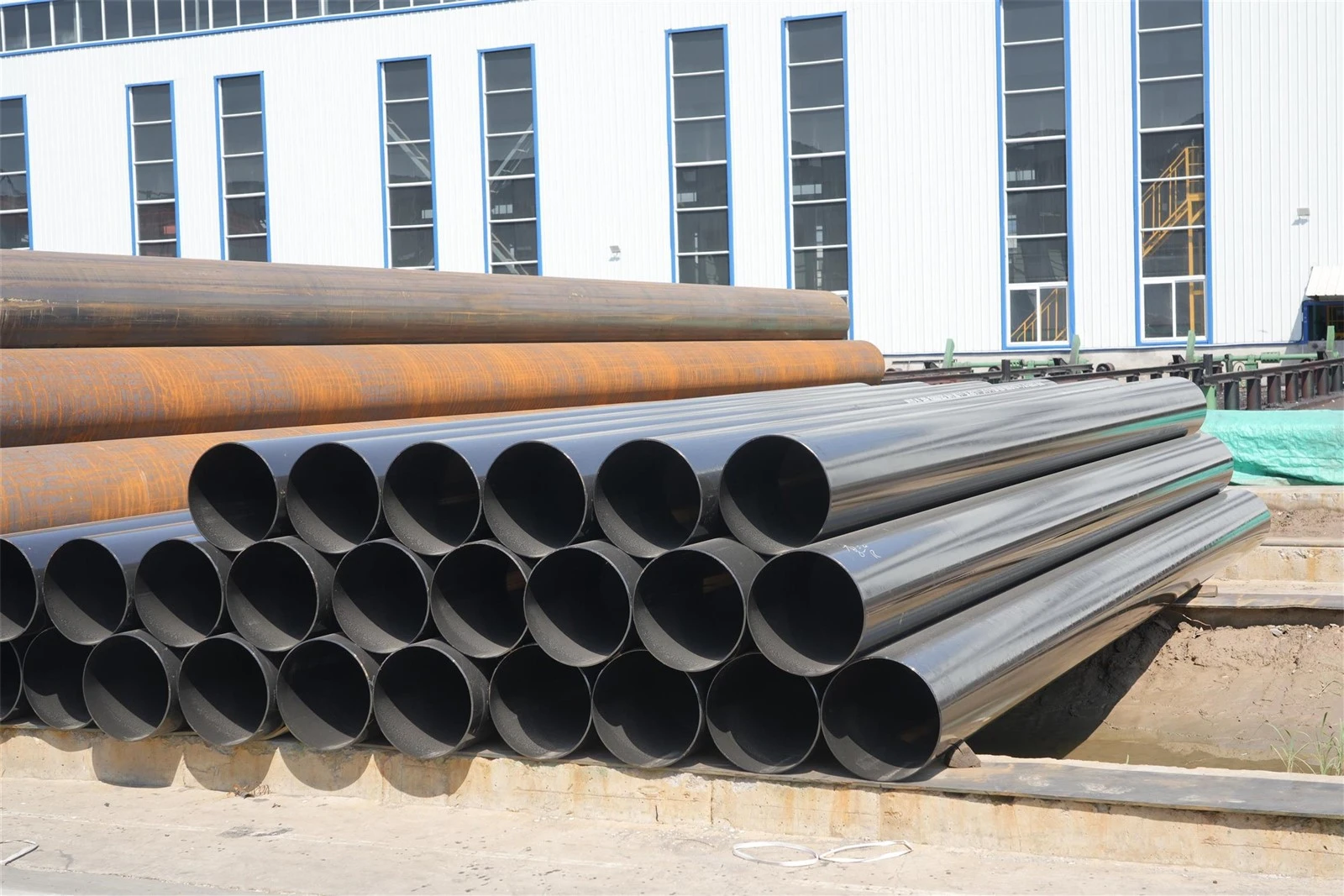
For large-scale projects, Huayang Steel Pipe offers precision-manufactured carbon steel pipe and ERW steel pipe with accurate dimensions and high-quality finishes. This ensures that threading and connecting become faster, safer, and more reliable.
Whether you're working on water supply, structural projects, or industrial applications, investing in quality pipes from Huayang means every connection is built to last.


