


Introduction
Selecting the correct carbon steel pipe standard is a crucial step in every industrial project. Among the most frequently compared specifications are ASTM A53 and ASTM A106, both widely used in construction, oil and gas, and mechanical applications. However, their differences in manufacturing process, mechanical properties, chemical composition, and temperature range can significantly affect performance and cost efficiency.
At Huayang Steel Pipe, we manufacture and supply both ASTM A53 and ASTM A106 pipes, ensuring each product meets international standards and precise application requirements. This article explores the key distinctions between these two specifications to help engineers, buyers, and project managers make informed procurement decisions.

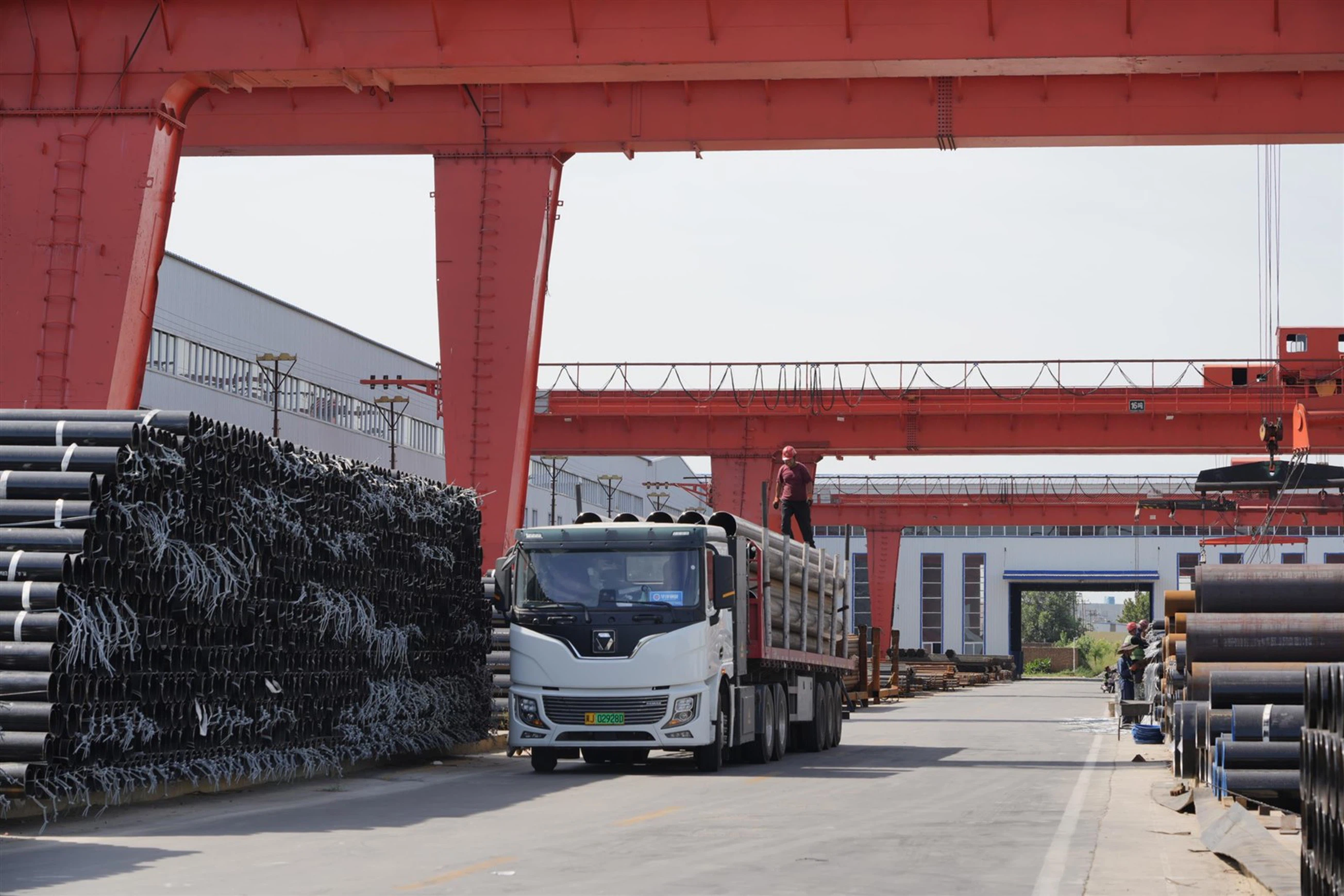
Overview of ASTM A53 and ASTM A106
ASTM A53 - General Purpose Carbon Steel Pipe
ASTM A53 covers seamless and welded black and hot-dipped galvanized steel pipes. It is primarily used for low-pressure and mechanical applications, such as water, air, steam, and gas conveyance.
Key Applications
- Plumbing and heating systems
- Structural applications and columns
- Compressed air pipelines
- Mechanical fabrication
ASTM A106 - High-Temperature Seamless Steel Pipe
ASTM A106 is designed for seamless carbon steel pipes suitable for high-temperature service, especially in refineries, power plants, and oil and gas processing facilities.
Key Applications
- Boiler tubes and heat exchangers
- Steam lines and refinery piping
- Power generation and high-pressure service
- Petrochemical and process industries
Manufacturing Process Comparison
Seamless vs Welded
| Feature | ASTM A53 | ASTM A106 |
|---|---|---|
| Type | Seamless and Welded | Seamless only |
| Manufacturing | ERW or Furnace Welded | Hot Rolled and Cold Drawn |
| Heat Treatment | Optional (depending on grade) | Mandatory for all grades |
| Surface Finish | Black or Galvanized | Black (bare) |
Explanation
- ASTM A53 can be produced by Electric Resistance Welding (ERW) or Furnace Butt Welding, making it suitable for large-diameter structural and low-pressure systems.
- ASTM A106, being strictly seamless, is formed by hot rolling solid steel billets and then heat-treated for uniform grain structure and superior pressure resistance.
Chemical Composition Differences
The chemical makeup of a pipe directly influences its strength, hardness, weldability, and corrosion resistance.
Typical Chemical Composition (% by weight)
| Element | ASTM A53 Grade B | ASTM A106 Grade B |
|---|---|---|
| Carbon (C) | ≤ 0.30 | ≤ 0.30 |
| Manganese (Mn) | 1.20 max | 0.29–1.06 |
| Phosphorus (P) | ≤ 0.05 | ≤ 0.035 |
| Sulfur (S) | ≤ 0.045 | ≤ 0.035 |
| Silicon (Si) | - | ≥ 0.10 |
Insights
- ASTM A106 includes silicon (Si) to improve high-temperature oxidation resistance and structural stability.
- The lower phosphorus and sulfur levels in A106 provide better weldability and toughness for pressure applications.
- A53, lacking silicon, is more economical but less suitable for extreme heat or pressure environments.
Mechanical Properties and Testing
Strength and Ductility
| Property | ASTM A53 Grade B | ASTM A106 Grade B |
|---|---|---|
| Tensile Strength (MPa) | ≥ 415 | ≥ 415 |
| Yield Strength (MPa) | ≥ 240 | ≥ 240 |
| Elongation (%) | 20 | 20–35 |
| Temperature Service | Low to Medium | High (up to 750°F / 400°C) |
Testing Requirements
ASTM A53:
- Hydrostatic test
- Nondestructive electric test (for welded pipes)
- Flattening and bend tests
ASTM A106:
- Hydrostatic and NDT tests
- Tensile and impact tests
- Hardness and flattening tests
Explanation
While both grades offer similar tensile strength, A106 pipes are subjected to stricter testing to ensure performance under high-temperature and high-pressure conditions.
Application Suitability
ASTM A53 - Low-Pressure and Structural Systems
Common Industries
- Construction and civil infrastructure
- HVAC and water pipelines
- Fire sprinkler systems
- Mechanical fabrication
Advantages
- Cost-effective for large volume use
- Easy availability in welded form
- Can be galvanized for corrosion protection
ASTM A106 - High-Temperature Industrial Pipelines
Common Industries
- Oil and gas refineries
- Petrochemical plants
- Thermal power stations
- Steam generation systems
Advantages
- Superior high-temperature strength
- Excellent resistance to pressure and creep
- Uniform microstructure and toughness
Choosing the Right Grade for Your Project
Factors to Consider
| Criterion | Recommended Standard |
|---|---|
| High pressure and temperature | ASTM A106 |
| Structural or plumbing use | ASTM A53 |
| Cost-sensitive projects | ASTM A53 |
| Long-term reliability and performance | ASTM A106 |
Expert Tip
If your system involves steam, oil, or high-temperature fluids, ASTM A106 is the safer and longer-lasting choice. For low-pressure mechanical or water lines, ASTM A53 provides a more economical alternative without compromising structural strength.
Huayang Steel Pipe's Dual-Standard Expertise
Multi-Line Production Capability
Huayang operates over 40 advanced production lines, including ERW and seamless pipe facilities, covering ASTM A53, ASTM A106, and API 5L standards.
Key Features
- Automated manufacturing with precise dimensional control
- Real-time tensile and hydrostatic testing
- In-house laboratory for chemical and mechanical analysis
Quality Assurance and Certification
| Certification | Organization |
|---|---|
| ISO 9001 | Quality Management System |
| API 5L / API 5CT | American Petroleum Institute |
| CE & PED | European Conformity |
| BV / SGS / TUV | Third-party inspection bodies |
Traceability and Documentation
Every pipe produced by Huayang is fully traceable through unique batch codes, chemical analysis records, and mechanical test certificates - ensuring total transparency and reliability.
Conclusion
Both ASTM A53 and ASTM A106 are well-established carbon steel pipe standards, but their intended applications differ significantly. ASTM A53 suits low-pressure or general-purpose systems, while ASTM A106 is built for high-pressure, high-temperature industrial use.
By understanding these distinctions, engineers can optimize both cost and performance in project design and procurement.
At Huayang Steel Pipe, we deliver precision-engineered products that comply with multiple international standards - ensuring reliability, durability, and performance consistency in every application.


