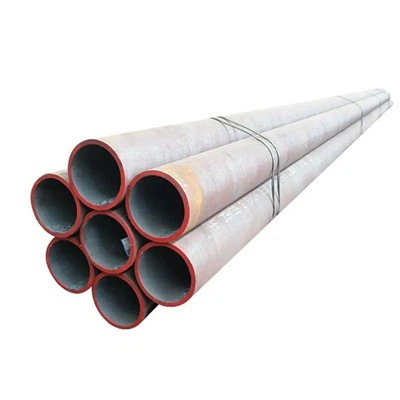
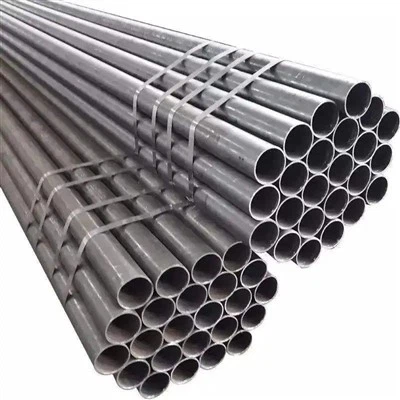
As a boiler pipe supplier, I've witnessed firsthand the profound impact that water quality can have on boiler pipes. In this blog post, I'll delve into the various ways water quality affects boiler pipes, explore the potential consequences of poor water quality, and discuss strategies for maintaining optimal water quality to ensure the longevity and efficiency of boiler systems.
The Importance of Boiler Pipes in Industrial Processes
Boiler pipes play a crucial role in a wide range of industrial processes, including power generation, chemical manufacturing, and food processing. These pipes are responsible for transporting high-pressure steam and hot water throughout the boiler system, making them essential for the efficient and reliable operation of industrial facilities.
The Role of Water in Boiler Systems
Water is the lifeblood of boiler systems, serving as both a heat transfer medium and a working fluid. In a typical boiler system, water is heated to generate steam, which is then used to power turbines, drive machinery, or provide heat for various industrial processes. However, the quality of the water used in boiler systems can have a significant impact on the performance and lifespan of boiler pipes.
How Water Quality Affects Boiler Pipes
Scale Formation
One of the most common problems associated with poor water quality is scale formation. Scale is a hard, crusty deposit that forms on the inner surface of boiler pipes when dissolved minerals in the water, such as calcium and magnesium, precipitate out of solution and adhere to the pipe walls. Scale formation can reduce the efficiency of the boiler by insulating the pipes and preventing heat transfer, leading to increased energy consumption and higher operating costs. In severe cases, scale can also cause blockages in the pipes, leading to reduced water flow and potential boiler failure.
Corrosion
Another significant issue caused by poor water quality is corrosion. Corrosion is the gradual deterioration of the metal pipes due to chemical reactions with the water and dissolved oxygen. Factors such as low pH levels, high levels of dissolved oxygen, and the presence of aggressive chemicals can accelerate the corrosion process, leading to thinning of the pipe walls, leaks, and ultimately, pipe failure. Corrosion not only compromises the integrity of the boiler pipes but also poses a safety risk to the entire boiler system.
Erosion
Erosion is a mechanical process that occurs when high-velocity water or steam carrying suspended particles, such as sand or sediment, wears away the inner surface of the boiler pipes. Erosion can cause pitting, grooving, and thinning of the pipe walls, reducing the structural integrity of the pipes and increasing the risk of leaks and failures. Erosion is often exacerbated by poor water quality, as the presence of suspended particles can increase the abrasive action of the water or steam.

Foaming and Priming
Foaming and priming are two related problems that can occur in boiler systems when the water contains high levels of dissolved solids, such as salts and organic matter. Foaming is the formation of a stable layer of bubbles on the surface of the water in the boiler, while priming is the carryover of water droplets into the steam. Both foaming and priming can reduce the efficiency of the boiler by reducing the quality of the steam and increasing the risk of water hammer, which can damage the boiler pipes and other components.
Consequences of Poor Water Quality on Boiler Pipes
The consequences of poor water quality on boiler pipes can be severe and costly. In addition to reducing the efficiency and lifespan of the boiler pipes, poor water quality can also lead to increased maintenance and repair costs, downtime, and safety hazards. Some of the specific consequences of poor water quality on boiler pipes include:
- Reduced Efficiency: Scale formation, corrosion, and erosion can all reduce the efficiency of the boiler by insulating the pipes, reducing heat transfer, and increasing energy consumption. This can result in higher operating costs and lower productivity for industrial facilities.
- Increased Maintenance and Repair Costs: Poor water quality can cause damage to the boiler pipes, leading to increased maintenance and repair costs. Regular inspections, cleaning, and replacement of damaged pipes are necessary to ensure the safe and reliable operation of the boiler system.
- Downtime: Boiler failures due to poor water quality can result in significant downtime for industrial facilities, leading to lost production and revenue. Unscheduled maintenance and repairs can also disrupt operations and cause delays in production schedules.
- Safety Hazards: Corrosion, erosion, and other forms of damage to the boiler pipes can pose a safety risk to the entire boiler system. Leaks, explosions, and other accidents can occur if the pipes fail, putting the lives of workers and the surrounding environment at risk.
Strategies for Maintaining Optimal Water Quality
To prevent the problems associated with poor water quality and ensure the longevity and efficiency of boiler pipes, it is essential to implement a comprehensive water treatment program. A water treatment program typically includes the following components:
- Water Softening: Water softening is the process of removing dissolved minerals, such as calcium and magnesium, from the water to prevent scale formation. This can be achieved through the use of ion exchange resins or reverse osmosis systems.
- Deaeration: Deaeration is the process of removing dissolved oxygen from the water to prevent corrosion. This can be achieved through the use of mechanical deaerators or chemical oxygen scavengers.
- Filtration: Filtration is the process of removing suspended particles, such as sand and sediment, from the water to prevent erosion. This can be achieved through the use of filters, such as multimedia filters or cartridge filters.
- pH Control: pH control is the process of maintaining the pH level of the water within a specific range to prevent corrosion and scale formation. This can be achieved through the use of chemicals, such as acids or alkalis.
- Chemical Treatment: Chemical treatment is the process of adding chemicals to the water to prevent scale formation, corrosion, and other problems. This can include the use of scale inhibitors, corrosion inhibitors, and anti-foaming agents.
Our Boiler Pipe Products
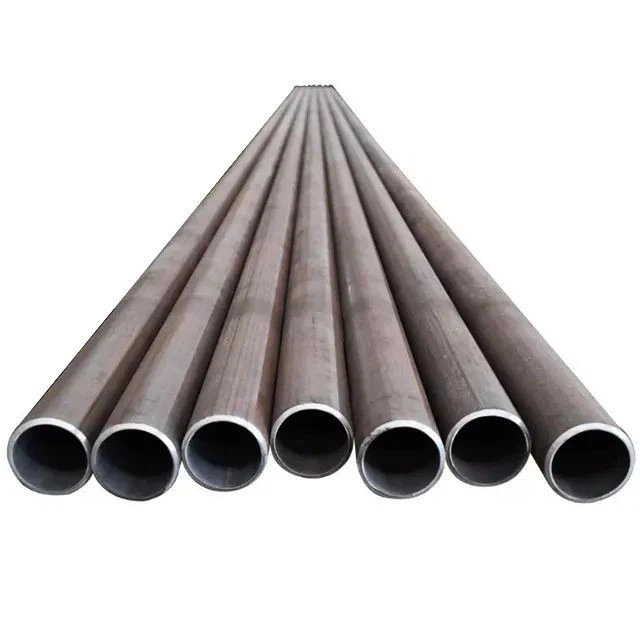
At our company, we offer a wide range of high-quality boiler pipes to meet the diverse needs of our customers. Our products include API 5L Oil Tubing, GR.B Casing Tube, and Carbon Steel Seamless OCTG Pipe. These pipes are manufactured using the latest technologies and materials to ensure superior performance, durability, and reliability.
Contact Us for Boiler Pipe Procurement
If you are in the market for high-quality boiler pipes, we invite you to contact us for more information and to discuss your specific requirements. Our team of experienced professionals is dedicated to providing our customers with the best products and services at competitive prices. We understand the importance of water quality in boiler systems and can help you select the right pipes and water treatment solutions to ensure the optimal performance and longevity of your boiler system.
References
- ASME Boiler and Pressure Vessel Code.
- API Standards for Oil and Gas Industry.
- Water Treatment Handbook, various editions.