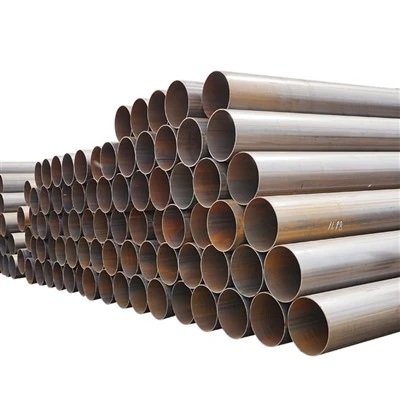
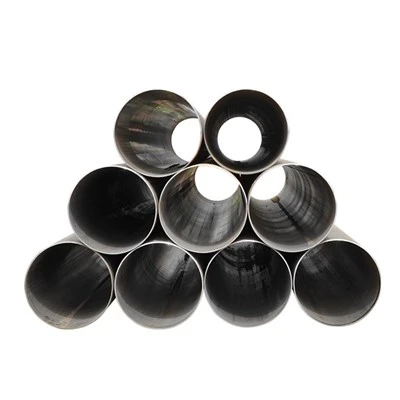
High Frequency Welded HFW steel pipe is widely used in oil and gas transmission, water supply, industrial pipelines, structural applications, and infrastructure projects. With high production efficiency, consistent weld quality, and a wide range of available specifications, HFW steel pipe has become an important solution for projects requiring reliable straight seam welded pipe. For pipeline contractors, distributors, and engineering companies, understanding the manufacturing process, technical characteristics, applicable standards, and project advantages of HFW steel pipe can help ensure the right product selection.
What Is HFW Steel Pipe?
HFW steel pipe is a type of straight seam welded steel pipe manufactured by forming steel strip or steel coil into a cylindrical shape and joining the edges through high frequency welding. Unlike conventional welding methods that rely on a separate filler metal, the high frequency welding process uses electrical resistance and electromagnetic effects to heat the edges of the steel to the required welding temperature before pressure is applied to form a continuous weld.
The process provides stable welding conditions and allows manufacturers to produce steel pipe with accurate dimensions and consistent mechanical properties. HFW technology is particularly suitable for medium and large production volumes, making it an efficient manufacturing solution for applications where dimensional accuracy, weld integrity, and delivery efficiency are important.
How Is HFW Steel Pipe Manufactured?
The manufacturing process normally starts with high quality steel coil. The coil is uncoiled, leveled, and prepared before entering the forming section. Roll forming gradually changes the flat steel strip into a cylindrical shape while maintaining controlled dimensions.
After forming, high frequency electrical current rapidly heats the edges of the strip. The heated edges are then pressed together under controlled pressure to create the longitudinal weld. The external weld bead is removed or controlled according to the applicable production requirements. The pipe subsequently passes through sizing equipment to achieve the specified outside diameter and dimensional tolerance.
Depending on the application and applicable standard, HFW steel pipe may undergo ultrasonic testing, hydrostatic testing, mechanical testing, dimensional inspection, and visual examination. These inspection procedures help verify the integrity of the weld and ensure that the finished pipe meets the technical requirements of the project.
What Specifications Are Available for HFW Steel Pipe?
The available dimensions and grades depend on the production line, applicable standard, and specific project requirements. Huayang Steel Pipe manufactures HFW steel pipe in a broad range of sizes for pipeline and industrial applications.
| Item | Typical Specification |
|---|---|
| Manufacturing Process | High Frequency Welding |
| Pipe Type | Straight Seam Welded Steel Pipe |
| Outside Diameter | Φ48–Φ660.4 mm |
| Wall Thickness | 2.0–22 mm |
| Length | 6–27 m |
| Common Standards | API 5L, ASTM, EN, GB/T, GOST |
| Typical Applications | Oil & Gas, Water Transmission, Infrastructure, Industrial Pipelines |
| Inspection | Dimensional, Visual, Ultrasonic, Hydrostatic and Mechanical Testing |
The final specification should be determined according to operating pressure, medium, pipeline design, connection method, transportation requirements, and applicable standards. For demanding pipeline applications, parameters such as steel grade, wall thickness, weld inspection requirements, end preparation, and coating system should be confirmed before production.


Why Is HFW Steel Pipe Suitable for Pipeline Applications?
One of the main advantages of HFW steel pipe is its combination of production efficiency and dimensional consistency. The continuous manufacturing process allows manufacturers to maintain stable production conditions while producing large quantities of steel pipe. This can be particularly valuable for infrastructure and pipeline projects that require thousands of tons of material within a defined delivery schedule.
The straight seam structure also provides predictable geometry and facilitates welding and installation during pipeline construction. When produced according to recognized standards and subjected to appropriate inspection, HFW steel pipe can provide reliable performance in water transmission, oil and gas transportation, industrial pipelines, and other pressure-bearing applications.
Another important advantage is production flexibility. Different steel grades, wall thicknesses, lengths, end configurations, and surface treatments can be selected according to project requirements. HFW steel pipe can also be combined with external or internal corrosion protection systems when additional resistance to environmental conditions is required.
Which Standards Apply to HFW Steel Pipe?
HFW steel pipe can be manufactured according to different international and national standards depending on its intended application and destination market. API 5L is commonly associated with line pipe used in oil and gas transportation, while ASTM standards cover various applications involving pressure, structural, and general-purpose steel pipe.
European projects may specify EN standards, while projects in China and other markets may require GB/T standards. GOST standards are commonly specified for projects associated with Russia and certain CIS markets. Selecting the correct standard is important because each standard defines specific requirements related to chemical composition, mechanical properties, dimensional tolerances, welding, testing, and acceptance criteria.
How Does Huayang Steel Pipe Support Large Pipeline Projects?
Huayang Steel Pipe combines HFW production capabilities with quality inspection, processing, coating, and logistics services to support international steel pipe projects. The company produces HFW steel pipe with outside diameters from Φ48 to Φ660.4 mm, wall thicknesses from 2.0 to 22 mm, and lengths from 6 m to 27 m.
For international projects, production can be organized according to applicable standards and customer specifications, with inspection and documentation arranged throughout the manufacturing process. This integrated approach helps customers manage product quality, technical compliance, and delivery requirements from a single steel pipe supplier.
What Can HFW Steel Pipe Achieve in Real Projects?
A practical example is Huayang Steel Pipe's supply of HFW steel pipe for pipeline and infrastructure applications in international markets, where large quantities of straight seam welded pipe are required for efficient transportation and installation. Huayang's experience in producing API 5L steel pipe and other standardized HFW products demonstrates the suitability of high frequency welded steel pipe for demanding water transmission, oil and gas, and industrial pipeline projects. The company's large production capacity also supports projects with strict delivery schedules and substantial tonnage requirements.
Read More:
How Does HFW Steel Pipe Improve Efficiency in Oil And Gas Pipeline Construction?
Why Is LSAW Steel Pipe A Reliable Choice For Cross-Country Pipeline Infrastructure?
Why Is ERW Steel Pipe Widely Used in Oil, Gas And Industrial Pipeline Projects?