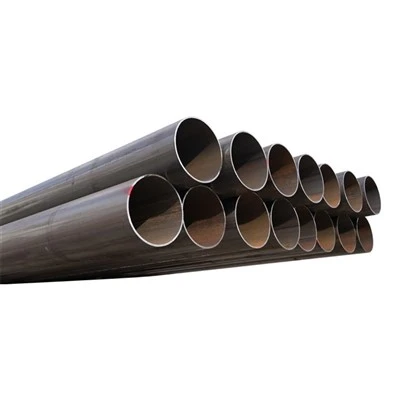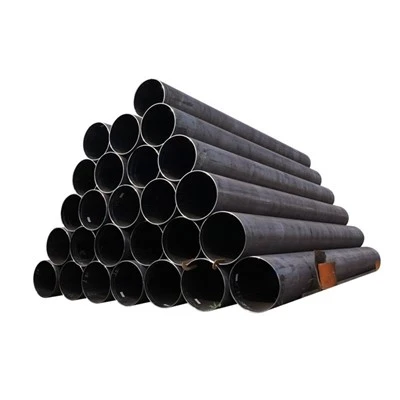
ASTM A106 Grade B is one of the most widely used grades of seamless carbon steel pipe designed for high-temperature and high-pressure service. It is commonly applied in industries such as oil and gas, power generation, and chemical processing. This article explains what ASTM A106 Grade B means, its chemical and mechanical properties, dimensional standards, comparison with other grades, and how Huayang Steel Pipe ensures consistent quality in its production.
1. Overview of ASTM A106 Standard
1.1 Scope of ASTM A106
ASTM A106 (also known as ASME SA106) covers seamless carbon steel pipes intended for high-temperature service. These pipes are suitable for bending, flanging, welding, and similar forming operations. They can operate under elevated temperatures and pressures without loss of structural integrity.
The specification applies to pipes ranging from NPS 1/8 to NPS 48 (DN6 to DN1200), with wall thicknesses conforming to ASME B36.10M. It defines requirements for chemical composition, mechanical strength, dimensional tolerance, and test procedures to ensure consistent product quality.
1.2 Why Grade B Is the Most Common Choice
Among the three grades in this specification - Grade A, Grade B, and Grade C - Grade B is the most commonly used. It provides a balanced combination of strength, ductility, and affordability. Compared to Grade A, it has higher carbon and manganese content, giving it better mechanical performance. Compared to Grade C, it offers easier formability and lower cost.
Grade B is widely chosen for high-temperature pipelines, steam systems, and pressure applications, where durability and reliable performance are essential.


2. Chemical and Mechanical Properties
2.1 Chemical Composition
The table below shows the typical chemical composition limits of ASTM A106 Grade B:
| Element | Content (Max / Range) | Function |
|---|---|---|
| Carbon (C) | ≤ 0.30 % | Provides strength and hardness |
| Manganese (Mn) | 0.29 – 1.06 % | Improves toughness and strength |
| Phosphorus (P) | ≤ 0.035 % | Controlled to maintain ductility |
| Sulfur (S) | ≤ 0.035 % | Excess causes brittleness |
| Silicon (Si) | ≥ 0.10 % | Strengthens steel and improves oxidation resistance |
| Chromium (Cr) | ≤ 0.40 % | Trace alloy for hardenability |
| Copper (Cu) | ≤ 0.40 % | Enhances corrosion resistance |
| Molybdenum (Mo) | ≤ 0.15 % | Improves high-temperature strength |
| Nickel (Ni) | ≤ 0.40 % | Increases toughness |
| Vanadium (V) | ≤ 0.08 % | Contributes to grain refinement |
If the carbon content is below the maximum limit, the standard allows a corresponding increase in manganese content to maintain mechanical balance.
2.2 Mechanical Properties
ASTM A106 Grade B pipes exhibit the following minimum mechanical properties:
Yield Strength: ≥ 240 MPa (35,000 psi)
Tensile Strength: ≥ 415 MPa (60,000 psi)
Elongation: ≥ 22 % (in 2-inch or 50 mm gauge length)
These properties make Grade B suitable for medium-to-high pressure and temperature service conditions.
| Grade | Max Carbon | Yield Strength (MPa) | Tensile Strength (MPa) | Typical Use |
|---|---|---|---|---|
| Grade A | 0.25 % | 205 | 330 | Low-stress, easy-forming applications |
| Grade B | 0.30 % | 240 | 415 | General high-temperature piping |
| Grade C | 0.35 % | 275 | 485 | Heavy-duty and extreme service |
3. Dimensional Standards and Tolerances
3.1 Size Range and Length
Huayang Steel Pipe supplies ASTM A106 Grade B seamless pipes in a full range of nominal pipe sizes and wall thicknesses according to ASME B36.10M.
Typical outer diameters: 21.3 mm – 1,219 mm (NPS 1/2 – 48)
Wall thickness: 2.5 mm – 50 mm, depending on schedule
Standard lengths: 6 m, 12 m, or custom cut lengths as required
Pipes are available in hot-finished and cold-drawn conditions. Cold-drawn pipes are usually normalized after forming to relieve internal stress.
3.2 Dimensional Tolerances
ASTM A106 specifies the following permissible tolerances:
- Outer Diameter: ±1 % of nominal size
- Wall Thickness: −12.5 % minimum tolerance from nominal thickness
- Weight: ±10 % from theoretical weight
- Length: ±50 mm for standard cut lengths
These tolerances ensure compatibility with standard fittings and flanges, maintaining consistency throughout pipeline systems.
3.3 Required Tests and Inspections
Each pipe must undergo a series of quality tests before delivery:
- Hydrostatic Test: Verifies pressure resistance without leakage
- Flattening Test: Ensures ductility and absence of laminations
- Bend Test: Confirms flexibility under forming stress
- Non-Destructive Test (NDT): Ultrasonic or eddy-current examination to detect internal flaws
- Chemical Analysis and Mechanical Test: Conducted on each batch to confirm compliance with the standard
Huayang's quality control department performs full-traceability inspections to guarantee all products meet ASTM and customer requirements.
4. Comparison with Other Pipe Grades
4.1 ASTM A106 vs ASTM A53
Both A106 and A53 are carbon steel pipe standards, but they differ in manufacturing process and application:
| Feature | ASTM A106 Grade B | ASTM A53 Grade B |
|---|---|---|
| Type | Seamless only | Seamless or welded |
| Service | High temperature & pressure | Low to medium temperature |
| Typical Use | Power, oil & gas, steam systems | Water, air, and structural piping |
| Manufacturing | Hot-finished or cold-drawn | ERW or seamless |
In short, A106 is the preferred option for elevated temperature and pressure service, while A53 suits general structural or low-pressure use.
4.2 ASTM A106 vs API 5L
API 5L Grade B line pipe is similar in chemistry and strength to A106 Grade B but designed specifically for pipeline transportation of oil, gas, and water. The main differences lie in inspection and certification requirements.
While API 5L emphasizes hydrostatic testing and notch toughness, ASTM A106 focuses on high-temperature mechanical integrity. Huayang can produce both standards depending on project needs.
5. Applications and Advantages
5.1 Major Applications
ASTM A106 Grade B seamless carbon steel pipes are used in:
- Oil and gas refineries
- Power plants and boiler systems
- Petrochemical and fertilizer industries
- Steam pipelines and heat exchangers
- Shipbuilding and mechanical systems
The material's ability to handle both high pressure and temperature makes it indispensable in energy and industrial sectors.
5.2 Key Advantages
- High Strength: Withstands internal pressure without deformation
- Good Weldability: Compatible with various welding methods
- Excellent Heat Resistance: Performs well at elevated temperatures
- Reliable Durability: Long service life under continuous stress
- Versatile Application: Suitable for seamless pipelines and mechanical uses
6. Huayang Steel Pipe's Manufacturing Capability
6.1 Production Process
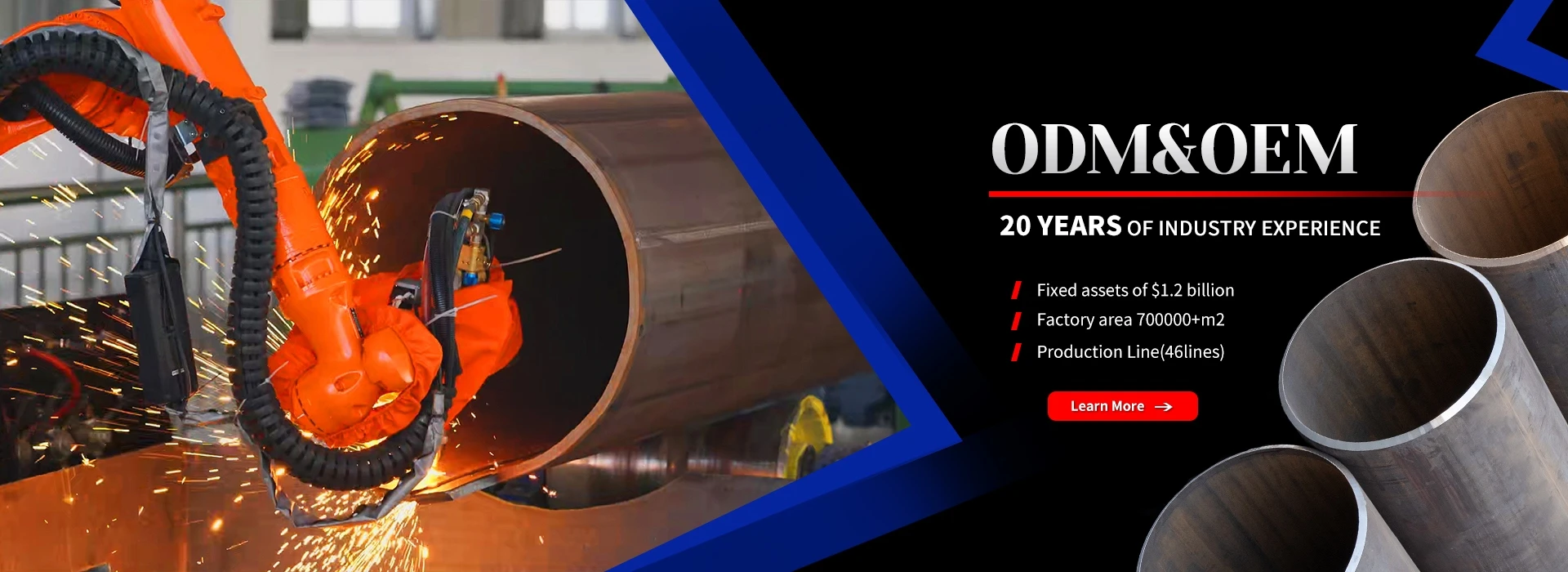
At Huayang Steel Pipe, the A106 Grade B seamless pipes are produced through advanced hot-rolling and cold-drawing processes. Raw materials are carefully selected, and each production stage-piercing, rolling, sizing, and heat treatment-is monitored to ensure precision.
After heat treatment, pipes undergo hydrostatic pressure testing, eddy-current inspection, and dimensional measurement. Final products are coated with anti-rust oil or varnish and packed for export.
6.2 Quality Assurance
Huayang operates under a comprehensive quality management system certified to ISO, API, and CE standards. Every A106 Grade B pipe is fully traceable, with mill test certificates and inspection records available for each batch.
The company also performs third-party testing in collaboration with international agencies to guarantee compliance for global projects.
6.3 Export and Application Worldwide
Huayang Steel Pipe exports ASTM A106 Grade B products to more than 100 countries. Clients include EPC contractors, energy developers, and industrial fabricators in the Middle East, Africa, and South America.
The company's seamless carbon steel pipes have been successfully used in oil pipelines, refinery projects, and thermal power installations, earning consistent customer trust.
7. Conclusion
ASTM A106 Grade B represents a balanced solution for high-temperature, high-pressure seamless carbon steel piping systems. Its mechanical strength, weldability, and heat resistance make it ideal for power generation, oil and gas, and industrial process applications.
With advanced manufacturing equipment, strict quality control, and rich export experience, Huayang Steel Pipe continues to supply reliable A106 Grade B pipes to global partners, delivering dependable performance and long-term value in every project.