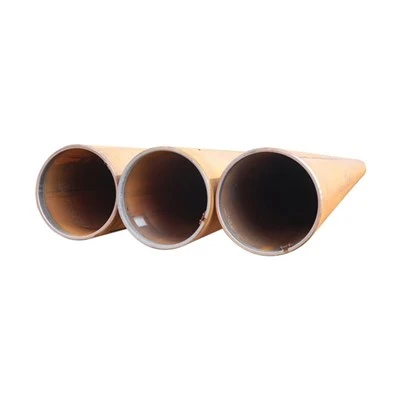
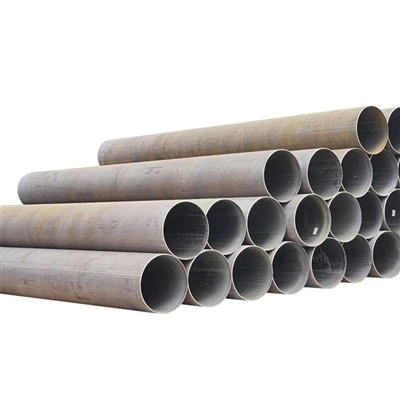
When buyers first see coated steel pipes, one common question is: what do 3PE and 3PP actually mean? The answer starts with the number "3," which refers to a three-layer anti-corrosion coating system. In both 3PE and 3PP, the first layer is epoxy powder, the second is an adhesive layer, and the third is the outer protective layer. The main difference is the material used for this outer layer: PE means polyethylene, while PP means polypropylene. Understanding this structure helps buyers select a suitable coating system according to the pipe's working environment and project requirements.
What Does 3PE Mean for Steel Pipe?
3PE stands for three-layer polyethylene anti-corrosion coating. It is widely used to provide external protection for steel pipe exposed to soil, moisture, and other corrosive conditions. The three layers work together rather than functioning as three independent coatings.
What Are the Three Layers of 3PE?
First Layer: Fusion Bonded Epoxy
The first layer is fusion bonded epoxy powder, commonly known as FBE. It is applied directly to the prepared steel surface and provides the foundation of the coating system. The epoxy layer is important because it establishes adhesion to the steel and provides an initial barrier against corrosion.
Second Layer: Adhesive
The second layer is a polymer adhesive. Its main function is to bond the epoxy layer with the polyethylene outer layer. This intermediate layer creates a strong connection between the inner and outer parts of the coating system.
Third Layer: Polyethylene
The third layer is polyethylene, or PE. It forms the outer protective layer and provides physical protection for the coating system. This layer helps protect the steel pipe from moisture, mechanical contact, and environmental exposure during transportation, installation, and service.


Why Is 3PE More Than a Single Coating?
A Combined Protection System
The main advantage of the three-layer structure is that each layer performs a different function. The epoxy provides adhesion and corrosion protection, the adhesive connects the coating layers, and the PE outer layer provides additional physical protection. Together, these layers create a comprehensive external anti-corrosion system for steel pipe.
What Does 3PP Mean and How Is It Different from 3PE?
3PP follows the same basic three-layer structure as 3PE. The first layer is epoxy powder and the second layer is adhesive. The key difference is the material used for the outer protective layer.
What Is the Outer Layer of 3PP?
Polypropylene Instead of Polyethylene
In 3PP, the final protective layer is polypropylene, or PP, rather than polyethylene. This means that the basic coating structure remains similar, while the outer polymer is changed to meet different service requirements.
The selection between PE and PP should therefore not be based simply on the number of layers. Both are three-layer coating systems, but their outer materials have different characteristics. The appropriate option depends on factors such as operating temperature, mechanical conditions, installation environment, and project specifications.
Why Does the Outer Material Matter?
The outer polymer is directly exposed to the surrounding environment and provides much of the physical protection for the coating system. PE and PP have different material characteristics, so the selection of the outer layer can influence the suitability of the coated steel pipe for a particular application.
How Should Buyers Compare 3PE and 3PP?
The Project Environment Comes First
There is no universal coating system that is suitable for every pipeline project. Buyers should consider the operating environment, temperature requirements, transportation and installation conditions, and applicable coating standards before selecting 3PE or 3PP.
| Item | 3PE Steel Pipe | 3PP Steel Pipe |
|---|---|---|
| Coating structure | Three layers | Three layers |
| First layer | Fusion bonded epoxy | Fusion bonded epoxy |
| Second layer | Adhesive | Adhesive |
| Outer layer | Polyethylene PE | Polypropylene PP |
| Main function | External anti-corrosion and physical protection | External anti-corrosion and physical protection |
| Selection considerations | Environment, temperature, mechanical conditions and project specification | Environment, temperature, mechanical conditions and project specification |
How Does the Right Anti-Corrosion Coating Protect Steel Pipe?
A steel pipe may be exposed to moisture, soil, chemicals, mechanical contact, and changing environmental conditions during its service life. Without appropriate external protection, the steel surface can gradually become vulnerable to corrosion. An anti-corrosion coating creates a barrier between the steel and its surrounding environment.
What Makes a Coating System Effective?
Surface Preparation and Application
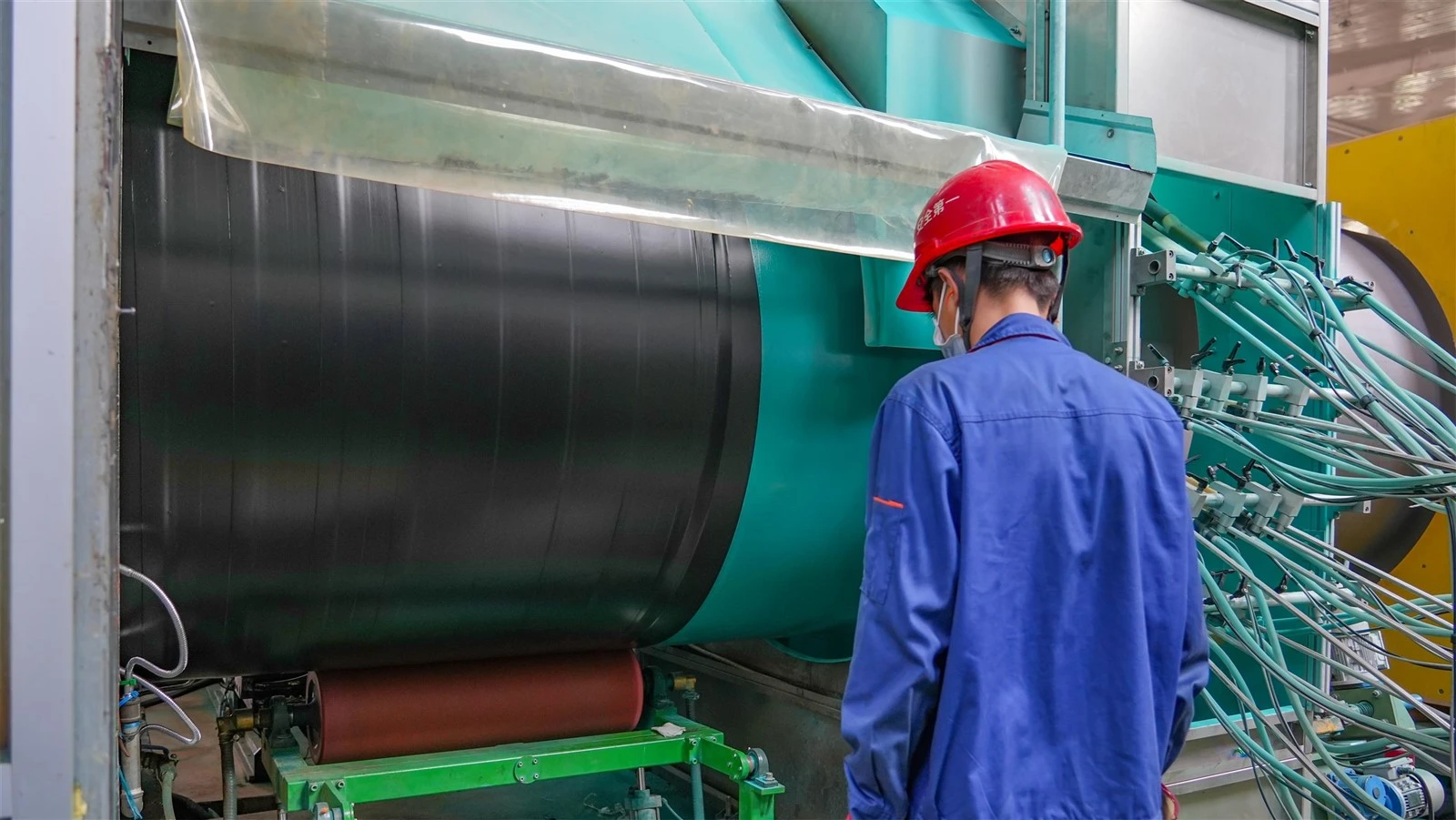
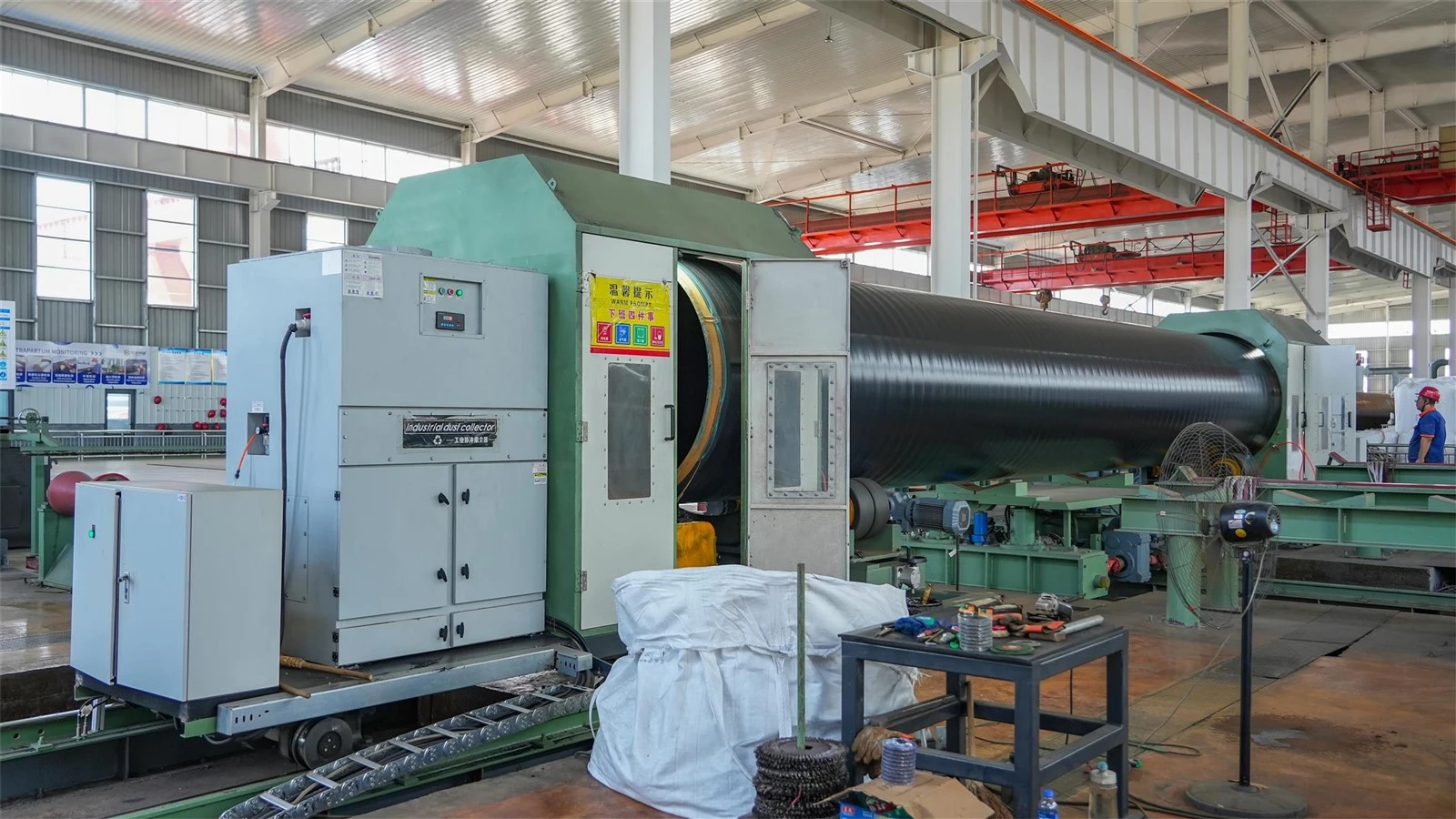
The performance of an anti-corrosion system depends not only on the coating material but also on the preparation and application process. The steel surface needs to be properly prepared before coating, while the different coating layers must be applied and bonded under controlled production conditions.
At the coating stage, process stability is important for maintaining consistent coating thickness, adhesion, and surface coverage. These factors contribute to the overall protection of the finished steel pipe.
Why Is Coating Important for Pipeline Projects?
Protection During Long-Term Service
For buried pipelines and other infrastructure applications, replacing or repairing a steel pipe after installation can be difficult and costly. An appropriate anti-corrosion system can help protect the external surface and support longer service performance.
At Huayang Steel Pipe, anti-corrosion processing covers steel pipe with diameters from Φ159 mm to Φ1626 mm, wall thicknesses from 4 mm to 40 mm, and lengths from 8 m to 16 m. Available coating solutions include 3PE, 2PE, 3PP, 2PP, FBE, internal epoxy powder, and internal liquid epoxy, allowing customers to select a suitable protection system according to project requirements.
For international steel pipe buyers, understanding the meaning of 3PE and 3PP makes coating specifications easier to evaluate. Both use a three-layer structure, while the key difference is the outer polymer: polyethylene in 3PE and polypropylene in 3PP. The right choice should be based on the actual service conditions and applicable technical requirements. At Huayang Steel Pipe, we combine steel pipe manufacturing with anti-corrosion processing to provide customers with coated steel pipe solutions covering different sizes, coating systems, and project requirements.
Read More:
How Does An Induction Coil Work in High-Frequency Steel Pipe Welding?
What Does Double Submerged Arc Welding Mean in LSAW Steel Pipe Production?