


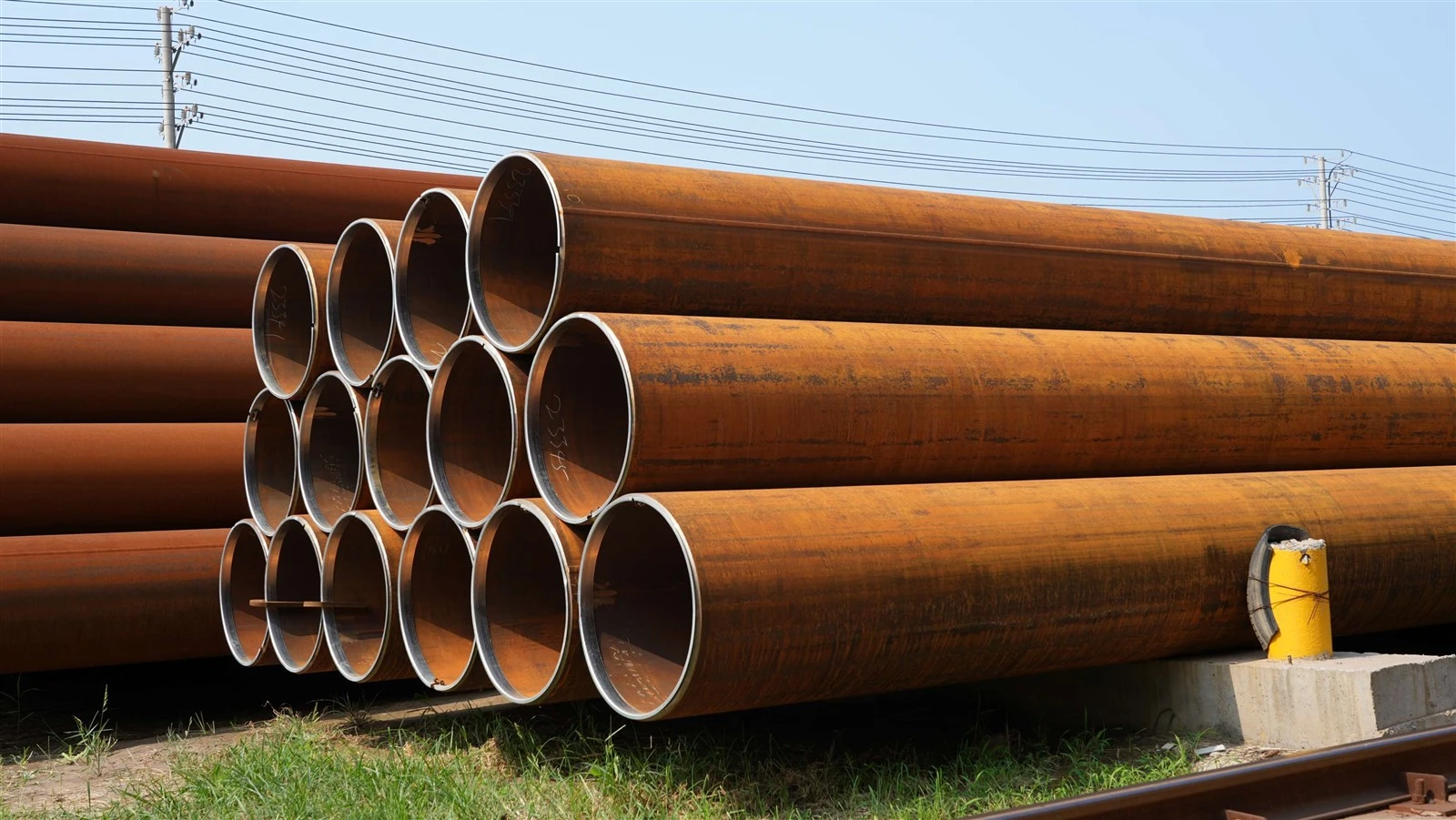
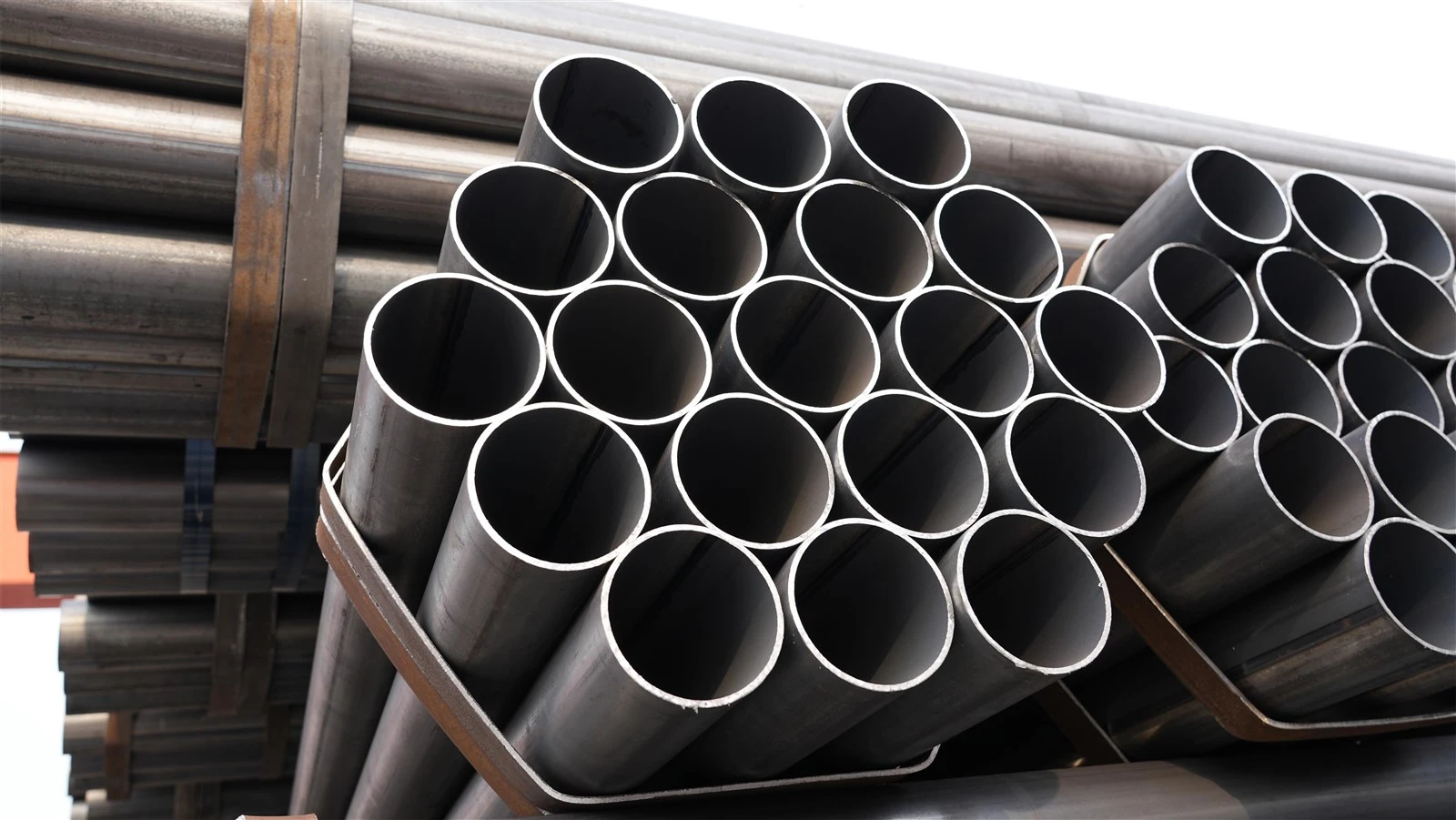
Many people think steel pipes are simply standard products supplied in fixed dimensions. In practice, engineering projects often require additional processing before a pipe is ready for installation. From raw seamless and welded steel pipes to customized pipe piles and flange-fitted products, professional steel pipe deep processing helps match the final product to specific construction requirements. Huayang Steel Pipe operates in-house deep processing workshops that support cutting, beveling, pipe pile fabrication, flange welding, and internal and external anti-corrosion treatment for suitable applications. By coordinating these processes within its own manufacturing system, Huayang helps customers obtain steel pipe products prepared according to confirmed project specifications.
Why Do Engineering Projects Require Steel Pipe Deep Processing?
Standard steel pipes are manufactured according to defined dimensions and technical specifications, but these products do not always arrive in the exact form required at a construction site. A pipeline contractor may need pipes cut to specific lengths, while a foundation project may require fabricated pipe piles. Industrial installations may also require welded flanges or specially prepared pipe ends.
Steel pipe deep processing bridges the gap between a standard pipe and a finished engineering component. Rather than asking the construction team to perform every additional operation after delivery, buyers can specify the required processing during procurement. This can simplify site preparation and help ensure that the supplied products match the installation drawings.
The required processing depends on the application, pipe material, dimensions, design drawings, and applicable standards. A successful solution therefore starts with a clear understanding of how the pipe will be used, how it will connect to other components, and what dimensional and inspection requirements must be met.
What Processes Transform Raw Steel Pipes into Custom Products?
Steel pipe fabrication can involve several operations, from basic dimensional preparation to more complex welding and surface treatment. Selecting the right combination helps produce components that are suitable for their intended installation conditions.
Cutting and Beveling for Accurate Installation
Pipe cutting brings the product to the specified length, which is particularly important when a project uses multiple pipe sections or requires precise fit-up. Accurate cutting can reduce unnecessary material waste and limit additional trimming at the construction site.
Beveling prepares the pipe end for welding. The bevel angle, root face, and other details should follow the applicable welding procedure, engineering drawings, and purchase specification. Consistent end preparation helps the installation team align pipe sections and carry out the specified welding process.
Surface finishing may also be required to remove burrs, improve the condition of processed areas, or prepare a surface for subsequent operations. The exact finishing method depends on the product and the customer's requirements.
Pipe Pile Fabrication and Flange Welding
Pipe piles are used in foundation and marine construction, among other applications. Depending on the design, a pipe pile may require specified lengths, end details, welded connections, or other fabrication features. These requirements should be determined from the engineering drawings and relevant project standards.
Flange welding is another common form of pipe fabrication. Flanges provide connection interfaces for compatible piping systems and equipment. Their dimensions, material grade, alignment, weld details, and inspection requirements must be consistent with the approved design.
Why Does Fabrication Accuracy Matter?
Even when the base pipe meets its dimensional specification, inaccurate cutting, end preparation, or flange alignment can create difficulties during assembly. Poor fit-up may require additional adjustment, increase installation time, or lead to rework.
For this reason, fabrication should be treated as part of the overall quality process rather than an unrelated finishing activity. Confirming drawings, tolerances, welding requirements, and inspection criteria before production helps reduce avoidable discrepancies between the finished product and the installation design.
Which Steel Pipe Processing Services Are Suitable for Different Projects?
Not every project requires the same combination of services. Some orders need only fixed-length cutting and beveling, while others involve fabricated pipe piles, flange connections, or corrosion protection. Buyers should define the final product requirements before choosing the processing route.
The following table summarizes common steel pipe processing services and the information that should be confirmed during procurement.
| Processing Service | Typical Purpose | Key Requirements to Confirm |
|---|---|---|
| Fixed-length cutting | Preparing pipes to specified installation lengths | Finished length, tolerances, quantity, and cutting requirements |
| Pipe end beveling | Preparing pipe ends for welding | Bevel angle, root face, end preparation standard, and welding procedure |
| Surface finishing | Improving the condition of processed surfaces | Required finish, areas to be treated, and subsequent coating needs |
| Pipe pile fabrication | Preparing pipe components for foundation or marine projects | Drawings, dimensions, connection details, and applicable structural requirements |
| Flange welding | Producing flanged pipe assemblies or connections | Flange standard, material, orientation, weld requirements, and inspection |
| Internal and external anti-corrosion treatment | Protecting suitable pipe surfaces against corrosion | Service environment, coating system, thickness, surface preparation, and inspection |
How Should Buyers Define a Custom Processing Plan?
A practical processing plan should identify the base pipe, required dimensions, steel grade, applicable standard, drawings, welding details, inspection scope, and surface treatment requirements. If the finished product must connect directly to another component, the buyer should also provide the relevant interface dimensions and tolerances.
Preparing for Construction Before Delivery
The phrase "ready for installation" should be understood in relation to the agreed scope of supply. A processed pipe may arrive with the specified length, bevel, flange, or coating already completed, reducing the need for those operations on site. However, the product may still require receiving inspection, field welding, assembly, or other construction activities.
Buyers should therefore define the required finished condition clearly. This allows the manufacturer to confirm which operations can be completed before shipment and which tasks remain the responsibility of the installation contractor.
How Does In-House Processing Improve Project Coordination?
When cutting, beveling, fabrication, and coating are distributed among multiple suppliers, buyers may need to coordinate separate schedules, technical instructions, transportation arrangements, and inspection records. If one operation is delayed, subsequent work can also be affected.
Huayang Steel Pipe's in-house deep processing capability allows suitable operations to be coordinated within its own manufacturing workflow. This can simplify communication and provide a clearer path from the base pipe to the specified finished product. It also helps the production team consider how cutting, welding, finishing, and coating requirements interact during order planning.
In-house processing does not remove the need for quality verification. Each operation must still follow the agreed procedures, drawings, and acceptance criteria. Welding inspection, dimensional checks, coating inspection, and documentation should be defined according to the product and project specification.
For customers managing large or complex orders, the main benefit is a more coordinated scope of supply. Instead of independently arranging every processing stage, buyers can discuss the required finished condition with one manufacturer and clarify the responsibilities, inspection points, and delivery arrangements before production begins.
Why Should Anti-Corrosion Treatment Be Considered During Pipe Fabrication?
In many engineering applications, steel pipes are exposed to moisture, soil, seawater, or other corrosive conditions. Corrosion protection should therefore be considered alongside pipe selection and fabrication, rather than added as an afterthought.
Huayang provides internal and external anti-corrosion treatment options for suitable products, including systems such as 3PE, 2PE, 3PP, 2PP, fusion-bonded epoxy powder, and internal epoxy coatings. The appropriate system depends on the intended service, operating temperature, exposure conditions, surface preparation, and project specification.
Processing sequence is also important. Welded areas, pipe ends, flange interfaces, and other fabricated sections may require specific treatment arrangements. If coating is applied before additional welding or fabrication, the affected areas may need subsequent surface preparation and repair. Planning fabrication and coating together helps establish a suitable workflow and reduces the risk of damaging completed surfaces.
For aggressive chemical or acidic environments, buyers should evaluate the base material and the actual operating conditions as well as the coating. No single coating system is suitable for every environment, so technical requirements should be reviewed before the processing plan is confirmed.
How Can Huayang Steel Pipe Support Your Custom Pipe Requirements?
Custom steel pipe products require more than machinery. They require accurate technical communication, suitable processing equipment, coordinated production planning, and clear quality requirements. Huayang Steel Pipe combines steel pipe manufacturing with in-house deep processing and anti-corrosion services to support customers who need products prepared for specific engineering applications.
Whether a project requires fixed-length pipes, bevelled ends, fabricated pipe piles, flange welding, or corrosion protection, buyers can provide their drawings and technical specifications for review. The team can then discuss the appropriate processing scope, dimensional requirements, inspection arrangements, and delivery expectations based on the order.
Need customized steel pipes for your next project? Contact Huayang Steel Pipe with your drawings, pipe specifications, required processing operations, and service conditions. Discussing these details early can help establish a clear production plan and deliver products that better match your construction requirements.
Transforming a raw pipe into an engineering-ready product means aligning every processing step with the final application. With clear specifications and coordinated manufacturing, steel pipe deep processing can reduce unnecessary site work, simplify procurement, and support more efficient project execution.
Read More:
What Makes Huayang Steel Pipe A Powerful Chinese Steel Pipe Manufacturer?


