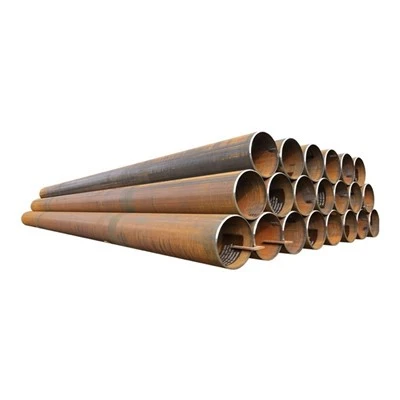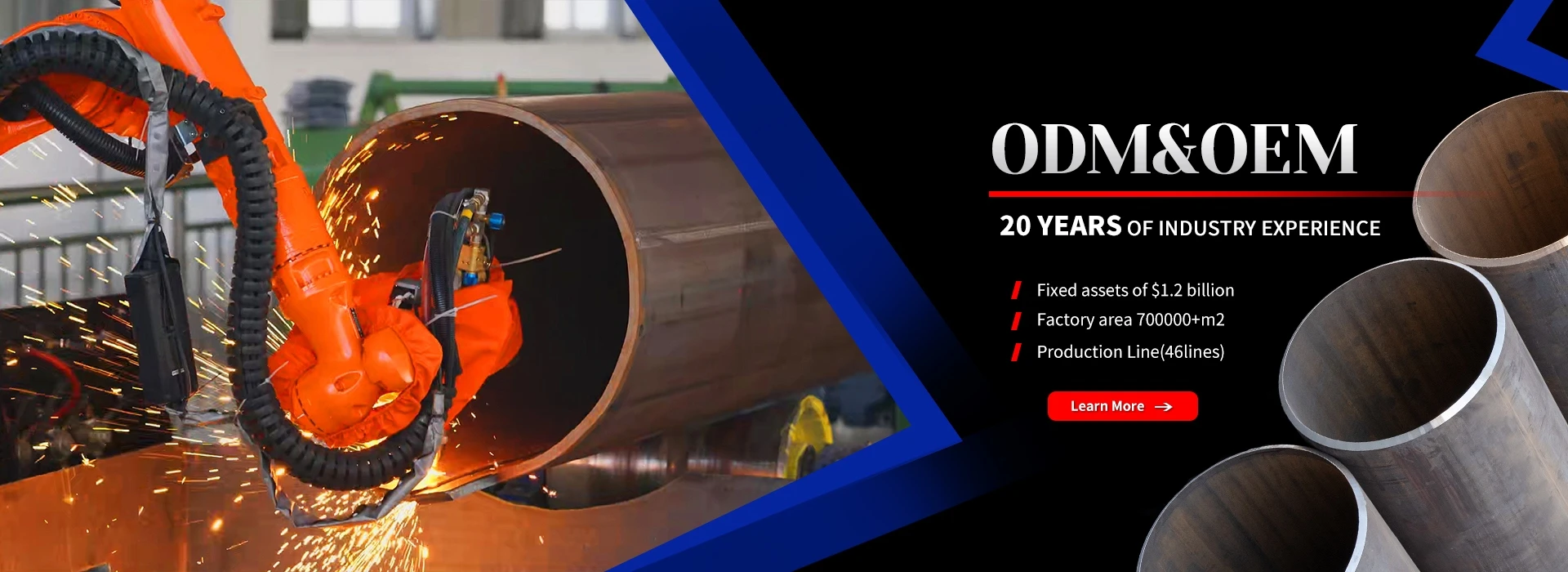

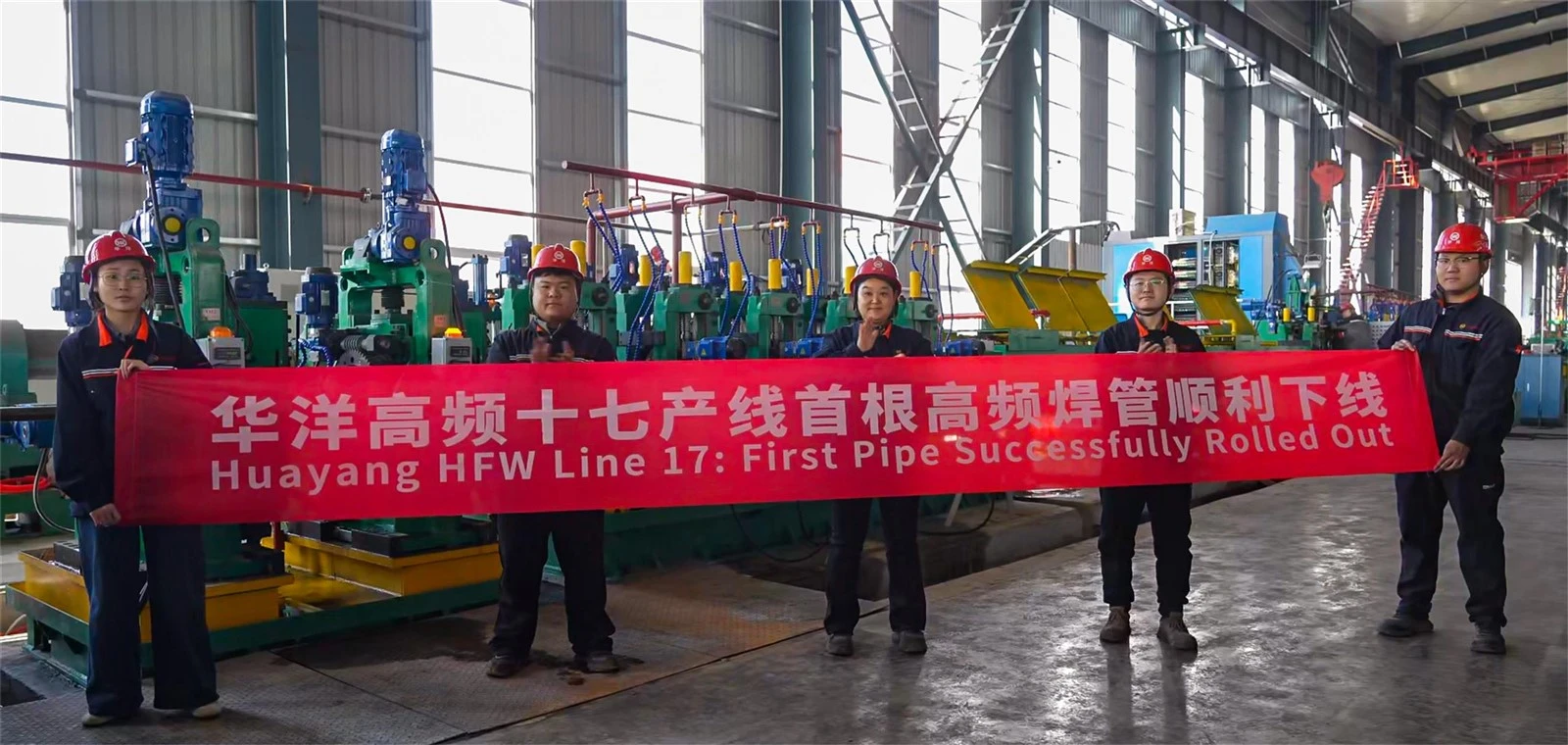
The expansion of HFW production lines allows steel pipe manufacturers to produce a wider range of outside diameters and respond to more varied project requirements. With the commissioning of its 17th HFW production line, Huayang Steel Pipe has extended its minimum HFW pipe production diameter to 48 mm. Its longitudinal welded steel pipe product range now covers outside diameters from 48 mm to 2,800 mm, including both small- and large-diameter straight seam welded pipes. This development reflects the role of production line configuration in expanding manufacturing flexibility and supporting different applications in pipeline, construction, and infrastructure projects.
What Is the Relationship Between HFW Production Lines and Steel Pipe Size Range?
HFW production lines determine the manufacturing capabilities of high-frequency welded steel pipes, including the available diameter range, wall thickness, and production efficiency. Different production units are designed for specific dimensional ranges, so expanding a manufacturer's production line configuration can increase the variety of pipes it can supply.
How Does an HFW Production Line Work?
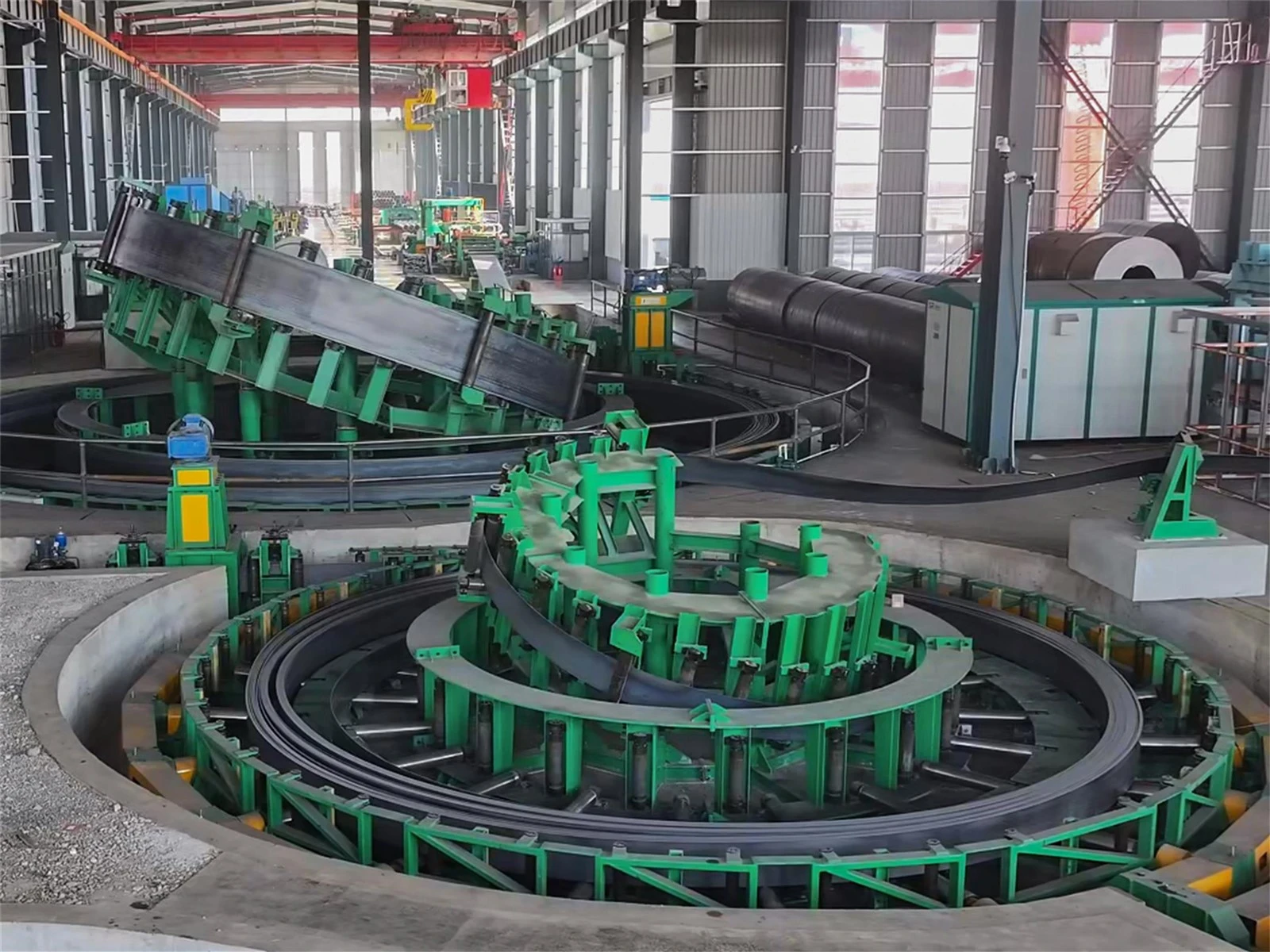
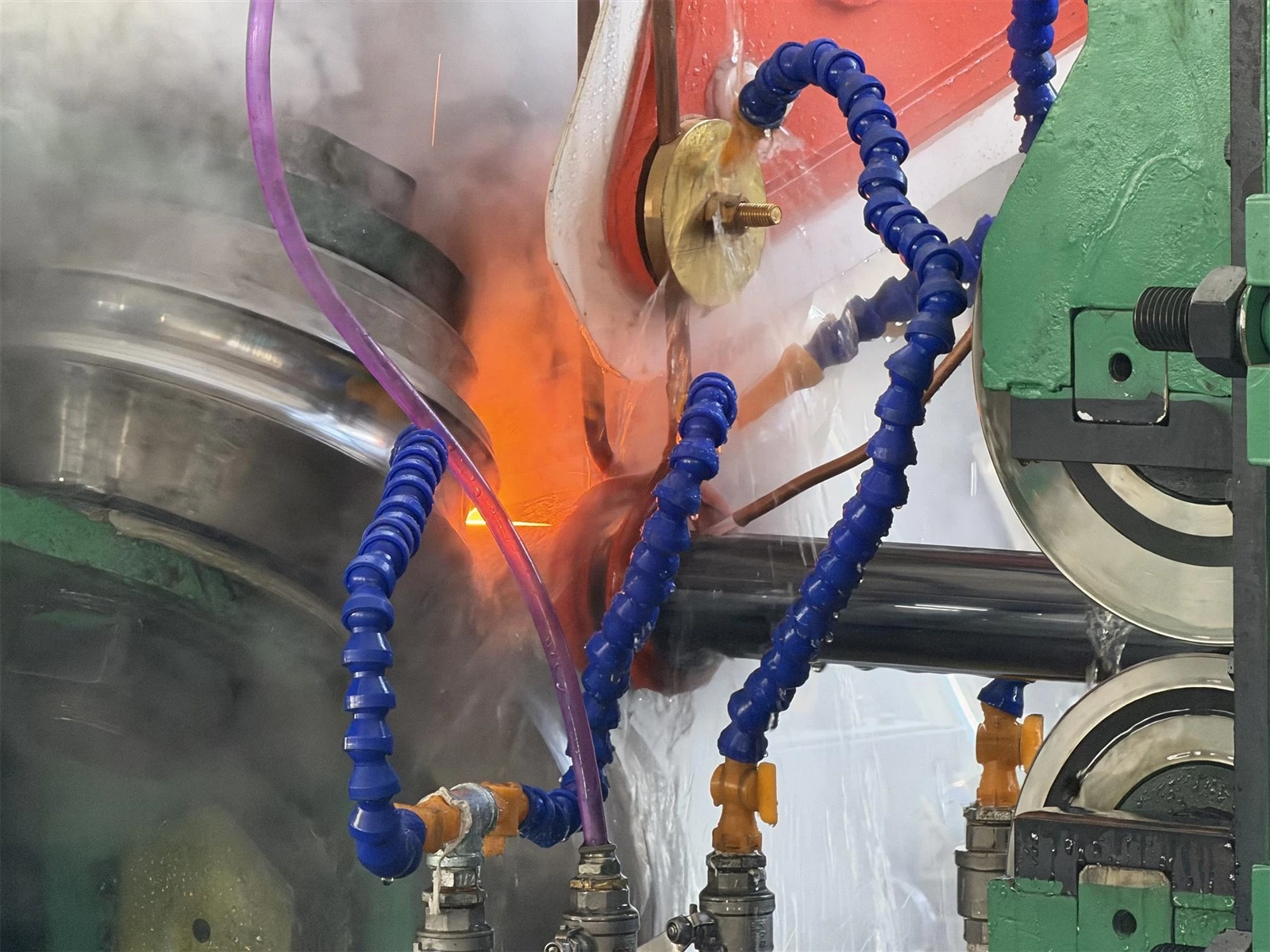
High-frequency welded steel pipe is manufactured from steel strip or coil. The material is first uncoiled, leveled, and formed into a tubular shape through a series of forming rolls. As the two edges approach each other, high-frequency current heats the edge surfaces. Pressure is then applied through squeeze rolls to forge the heated edges together and form a longitudinal weld.
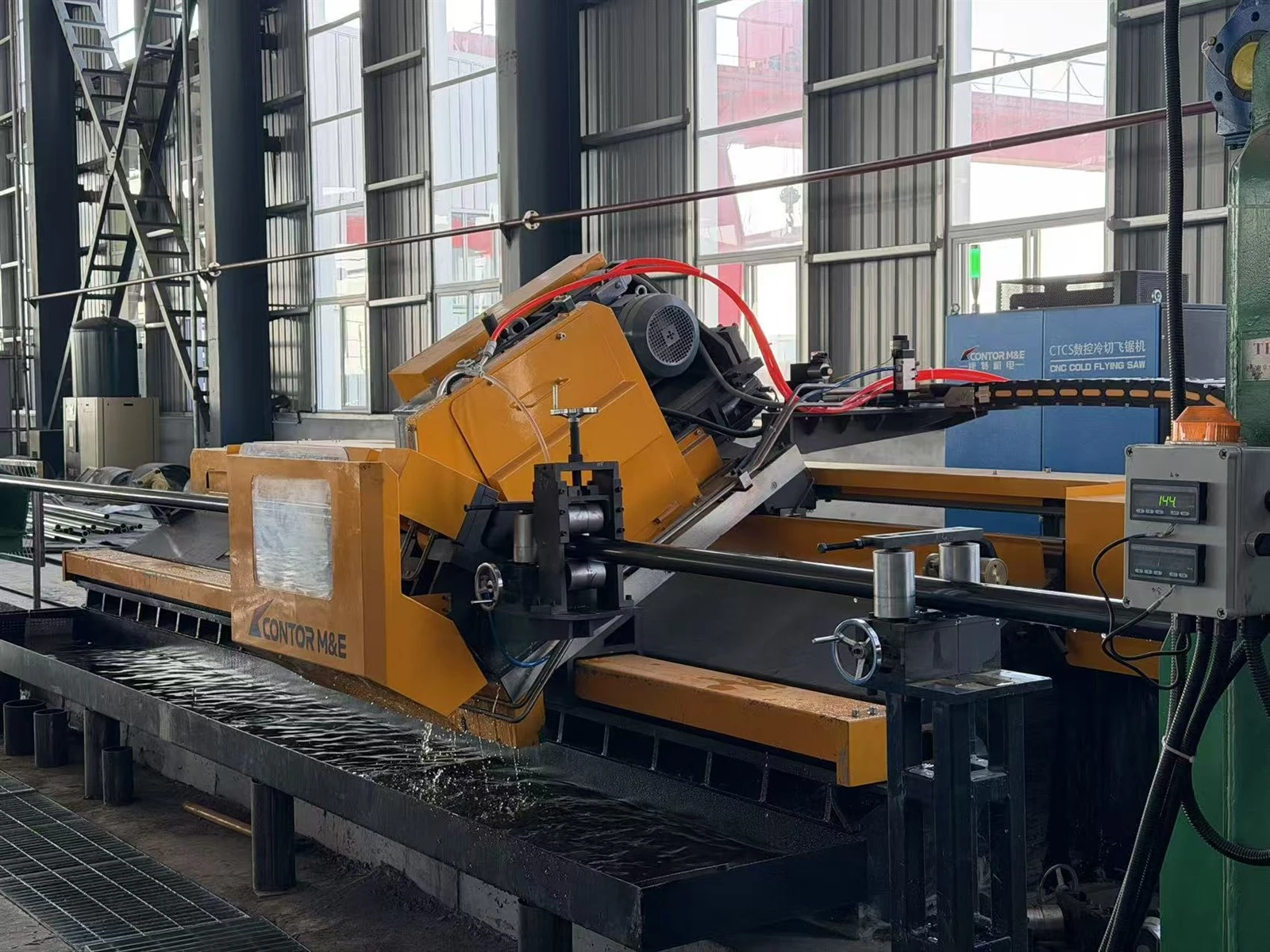
After welding, the external weld bead is removed, and the pipe proceeds through sizing, cutting, and inspection operations. Depending on the production line and product requirements, additional processes may include heat treatment, straightening, and dimensional correction.
The production diameter is closely related to the forming equipment, roll configuration, and sizing system. A line designed for small-diameter pipes cannot necessarily produce large-diameter products simply by adjusting its operating parameters. Different diameter ranges may require dedicated equipment and tooling.
Why Does a Wider Diameter Range Matter?
A broader production range gives buyers more flexibility when selecting pipe dimensions for different engineering applications. Small-diameter HFW pipes are commonly used in structural members, mechanical components, and general industrial applications. Larger longitudinal welded pipes may be specified for pipeline transportation, structural engineering, and infrastructure projects, depending on their material grades, manufacturing specifications, and design requirements.
The ability to supply different diameters also helps project buyers coordinate material sourcing. Instead of evaluating suppliers with only a narrow production range, they can consider manufacturers with multiple forming processes and a wider product portfolio. However, diameter range alone does not determine whether a pipe is suitable for a project. Wall thickness, steel grade, manufacturing standard, mechanical properties, and inspection requirements must also be considered.
How Does Adding a New HFW Production Line Improve Manufacturing Flexibility?
Adding an HFW production line expands manufacturing capacity and can make it possible to produce pipe sizes that were previously outside the available production range. The actual improvement depends on the new equipment's design, production parameters, and integration with existing manufacturing and inspection systems.
Extending Production to Smaller Diameters
Small-diameter production requires appropriate forming and sizing equipment to maintain dimensional accuracy throughout the manufacturing process. As pipe diameter decreases, the forming process must control the strip edges and tubular geometry carefully to ensure consistent welding conditions.
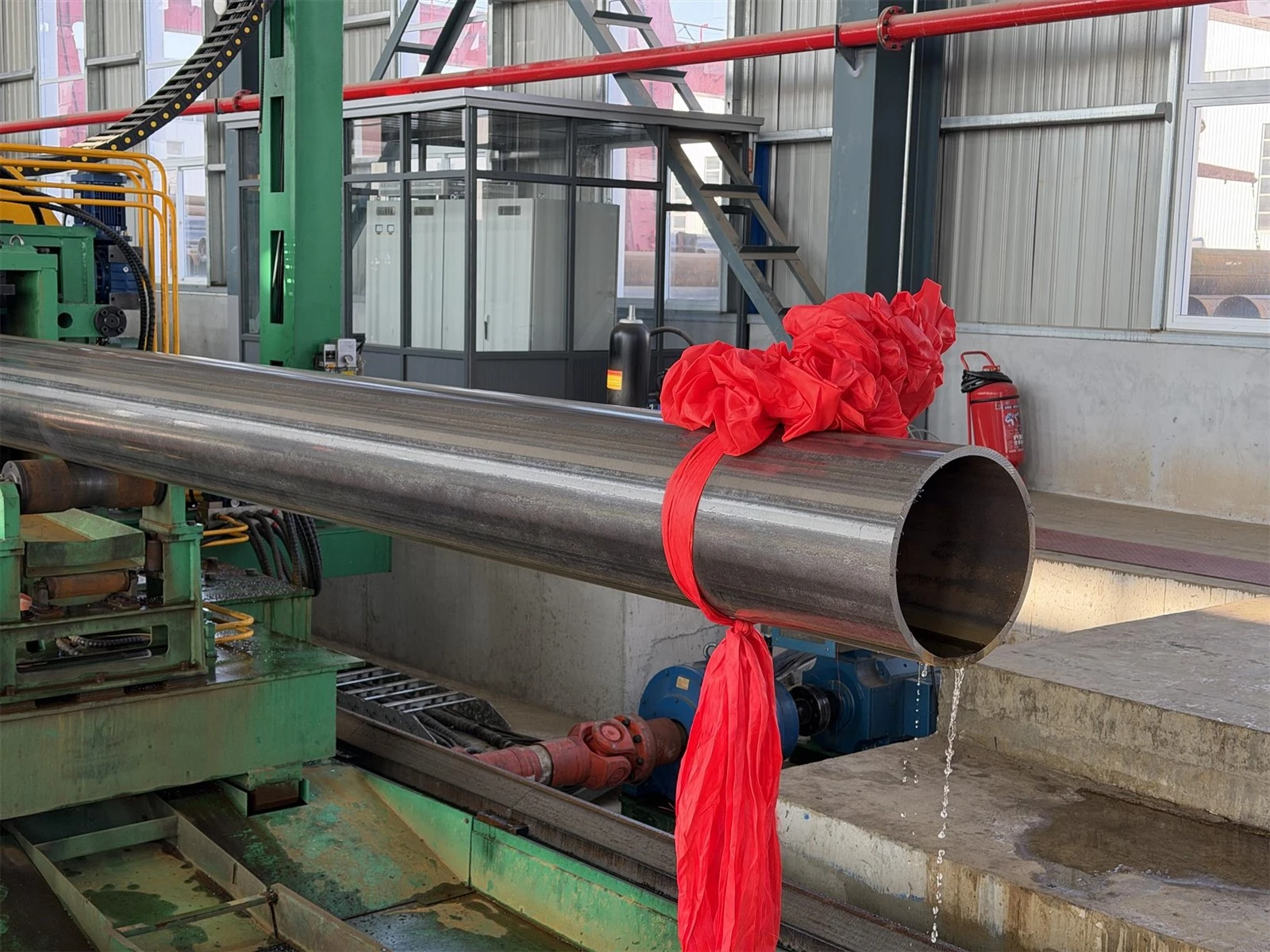
The new HFW production line at Huayang Steel Pipe has extended the minimum production diameter to 48 mm. This provides additional options for projects requiring smaller-diameter longitudinal welded pipes.
Typical applications of small-diameter HFW pipes include:
Structural members for buildings and industrial facilities
Scaffolding and temporary support systems
Mechanical structures and equipment components
Tubular frameworks and connecting members
General industrial steel structures
The final application must be matched with the relevant material grade, product standard, wall thickness, and design requirements. For example, structural applications may specify ASTM A500 or EN 10219, while pipeline projects may require API 5L or ISO 3183, depending on the service conditions and engineering specification.
Coordinating Production Across Different Diameter Ranges
A manufacturer operating multiple production lines can allocate products according to the dimensional capabilities of each unit. This makes production planning more flexible, particularly when orders involve different pipe sizes and delivery schedules.
The following table outlines how different diameter ranges may relate to typical product applications and manufacturing considerations.
| Pipe diameter range | Typical applications | Key manufacturing considerations |
|---|---|---|
| 48–121 mm | Scaffolding, mechanical structures, small tubular members | Forming stability, weld consistency, dimensional accuracy |
| Medium-diameter HFW pipes | Industrial structures, structural frameworks, selected pipeline applications | Wall thickness control, sizing accuracy, applicable product standards |
| Large-diameter longitudinal welded pipes | Pipeline transportation, infrastructure, large structural projects | Forming method, weld inspection, dimensional and mechanical requirements |
These are general application categories rather than fixed boundaries. Actual suitability depends on the pipe specification and project design. A pipe's outside diameter does not independently establish its pressure capacity or structural performance.
What Is the Difference Between HFW and LSAW Steel Pipe Production?
HFW and LSAW are two important processes used to manufacture longitudinal welded steel pipes. Both produce pipes with a straight longitudinal weld seam, but they differ in forming methods, welding processes, and typical dimensional capabilities.
High-Frequency Welding and Submerged Arc Welding
HFW production uses high-frequency electrical current to heat the edges of a formed steel strip before applying pressure to create the weld. It is commonly used for small- and medium-diameter longitudinal welded pipes and supports continuous production.
LSAW, or longitudinal submerged arc welded pipe, is manufactured by forming steel plate or coil into a tubular shape and welding the longitudinal seam using submerged arc welding. Depending on the forming process, production methods include JCOE and RBE. These methods allow manufacturers to produce large-diameter pipes with different wall thickness requirements.
The two processes are not interchangeable in every application. Selection depends on the required diameter, wall thickness, material grade, product standard, manufacturing specification, and project conditions.
How Do Their Manufacturing Ranges Complement Each Other?
A production system incorporating both HFW and LSAW processes can cover a wider range of longitudinal welded pipe dimensions. HFW lines serve smaller and medium diameters, while LSAW equipment supports large-diameter products.
For example, the main dimensional ranges at Huayang Steel Pipe are as follows:
| Manufacturing process | Outside diameter | Wall thickness | Length |
|---|---|---|---|
| HFW / ERW | 48–660.4 mm | 2.0–22 mm | 6–27 m |
| LSAW | 406.4–2,800 mm | 7–50 mm | 6–12.5 m |
The maximum dimensions within each range should not be interpreted as necessarily available in every combination. Actual production capability depends on the equipment configuration, material, and technical requirements of an individual order.
With its 17th HFW production line now in operation, Huayang has further expanded its small-diameter manufacturing capability. Combined with its LSAW production facilities, the company can supply longitudinal welded steel pipes across an overall diameter range of 48–2,800 mm.
What Quality Controls Are Important for Longitudinal Welded Steel Pipes?
A wider product range must be supported by appropriate manufacturing controls and inspection procedures. Quality requirements vary according to the applicable product standard, material grade, pipe dimensions, and intended service.
For HFW pipes, important production controls include steel strip condition, forming accuracy, edge alignment, welding parameters, and sizing. The longitudinal weld requires suitable inspection to verify its integrity. Depending on the specification, inspection may include ultrasonic testing, hydrostatic testing, dimensional checks, and mechanical testing.
For LSAW pipes, control points include plate or coil preparation, forming accuracy, weld preparation, welding parameters, and inspection of the longitudinal seam. Large-diameter pipes may also require checks of roundness, straightness, end preparation, and other dimensional characteristics.
International standards provide the technical framework for manufacturing and inspection. API 5L and ISO 3183 are commonly used for line pipe, while ASTM A500 and EN 10219 are relevant to structural hollow sections. The applicable standard should be confirmed against the project specification rather than selected solely according to pipe dimensions.
The commissioning of Huayang Steel Pipe's 17th HFW production line marks a further expansion of its manufacturing configuration. With HFW production covering outside diameters from 48 mm to 660.4 mm and LSAW production extending to 2,800 mm, the company now offers a broader range of longitudinal welded steel pipe sizes for pipeline, structural, and infrastructure applications. Buyers with specific dimensional or technical requirements can contact the company with their project specifications for further production evaluation.
Read More:
How Are Custom Steel Pipe Components Fabricated From Engineering Drawings?
How Are Double-Sided LSAW Steel Pipes Selected For Large Infrastructure Projects?