


Many pipeline projects run into serious trouble not because of on-site construction, but because steel pipe delivery is delayed. For EPC contractors, late materials can interrupt installation schedules, increase project costs, and lead to liquidated damages or reputational risks with project owners. When steel pipes do not arrive as planned, even a well-organized construction team may struggle to keep the project on track. Reliable delivery is therefore a critical consideration in pipeline procurement, where purchasing decisions must account for technical requirements, material availability, inspection procedures, and the overall construction schedule.
Why Is Steel Pipe Procurement Planning Essential for Pipeline Projects?
Steel pipe procurement involves more than selecting a supplier and placing an order. Buyers must coordinate technical specifications, order quantities, manufacturing lead times, inspection requirements, transportation, and the planned sequence of construction activities. If these elements are not considered together, procurement problems can emerge after the project has already started.
How Do Procurement Decisions Affect Project Costs?
Steel pipes represent a significant material requirement in many pipeline and infrastructure projects. Purchasing decisions influence not only the initial material cost but also inventory expenses, transportation arrangements, inspection costs, and the risk of schedule disruption.
Ordering too late may leave insufficient time for manufacturing and inspection. Ordering too early, however, can increase storage requirements, tie up working capital, and create difficulties if project specifications change. The objective is to establish a procurement schedule that balances material availability with the actual needs of the construction program.
For EPC contractors, this balance is especially important because material procurement must align with engineering approvals, construction progress, and contractual milestones.
Why Should Buyers Finalize Technical Specifications Early?
Steel pipes are manufactured according to specific requirements, including outside diameter, wall thickness, steel grade, length, manufacturing standard, and delivery condition. Some projects also require anti-corrosion coatings, special pipe ends, or additional fabrication.
Changes to these requirements after production planning has begun may affect raw material preparation, production arrangements, inspection procedures, and delivery dates. Buyers should therefore confirm the technical specification and approval process before committing to a final procurement schedule.
Coordinating Engineering and Procurement Teams
Engineering teams should communicate approved material specifications to procurement teams as early as possible. Procurement teams, in turn, should confirm that the supplier can manufacture the required products and provide the documentation specified by the project.
This coordination reduces the likelihood of purchasing incorrect materials or discovering additional requirements after an order has been placed.
How Can Buyers Select the Right Steel Pipes for Different Project Requirements?
Choosing the correct steel pipe is a technical decision that affects manufacturing feasibility, installation, and long-term performance. Buyers should evaluate the intended application and project conditions rather than selecting products based on price or nominal dimensions alone.
How Do Steel Pipe Manufacturing Processes Influence Selection?
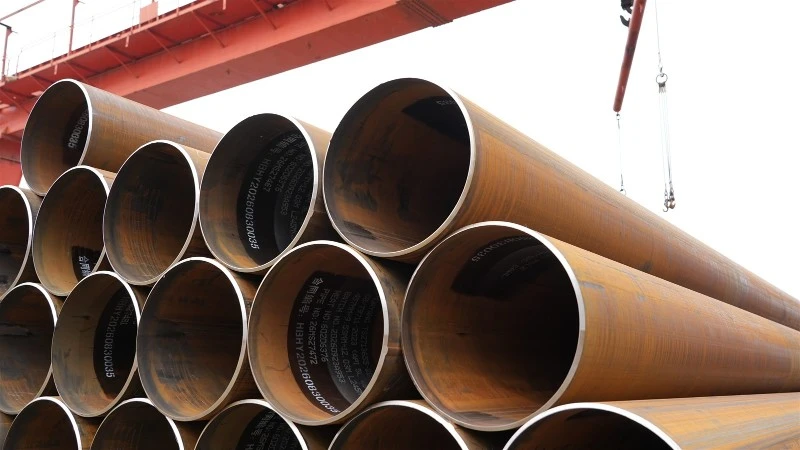
Different manufacturing processes serve different dimensional ranges and engineering requirements. HFW steel pipes are produced by forming steel strip and joining the edges through high-frequency resistance welding. LSAW steel pipes are formed from steel plate and joined along a longitudinal seam using submerged arc welding.
The appropriate product depends on the project design, required dimensions, steel grade, applicable standard, and inspection criteria. Large-diameter pipeline or piling applications may require LSAW steel pipes, while HFW steel pipes are suitable for many structural and fluid transportation applications within their specified ranges.
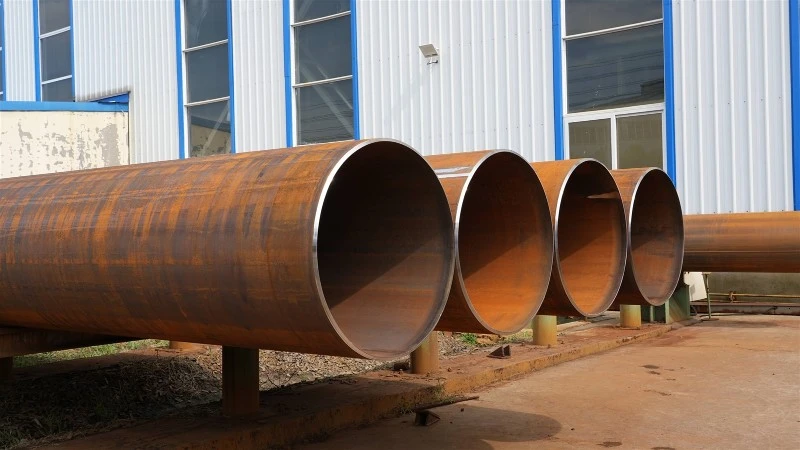
Anti-corrosion requirements must also be considered when pipes will operate in environments where corrosion protection is necessary. Selecting the correct coating system and confirming the associated inspection requirements should form part of the original procurement plan.
What Should Buyers Compare Before Placing an Order?
A comprehensive comparison should cover product conformity, manufacturing capability, inspection requirements, delivery arrangements, and documentation. Comparing quotations on unit price alone can overlook differences in scope, such as coating, testing, packaging, or special processing.
The following table summarizes key factors that buyers should review when preparing a steel pipe procurement plan.
|
Procurement factor |
Key questions |
Potential impact on the project |
|
Technical specifications |
Are dimensions, steel grade, standard, and tolerances confirmed? |
Reduces the risk of incorrect materials |
|
Manufacturing process |
Is the proposed pipe type suitable for the application? |
Supports technical compliance and installation planning |
|
Inspection scope |
Are testing methods and third-party inspection requirements defined? |
Helps avoid unexpected inspection delays |
|
Coating and processing |
Are corrosion protection and fabrication requirements included? |
Prevents omissions and additional processing time |
|
Quantity planning |
Are total quantities and delivery batches aligned with construction needs? |
Helps manage inventory and material availability |
|
Documentation |
Are certificates, inspection records, and identification requirements agreed? |
Supports material verification and site acceptance |
|
Logistics |
Are packaging, transport, and delivery destinations confirmed? |
Improves coordination between shipment and site requirements |
Why Should Procurement Be Linked to the Construction Schedule?
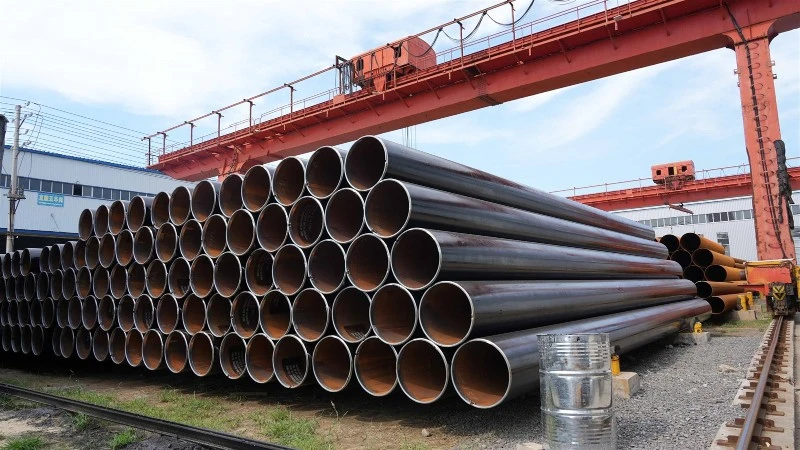
A project may not need every steel pipe at the same time. Dividing the order into planned delivery batches can sometimes help match material arrivals with construction progress, reduce on-site storage pressure, and make handling more manageable.
However, phased delivery must be coordinated with production efficiency, inspection arrangements, transport costs, and the minimum quantities needed for each installation stage. Buyers should discuss these factors with the manufacturer before agreeing on a delivery strategy.
How Can International Pipeline Projects Manage Steel Pipe Supply Chain Risks?
International pipeline projects often involve cross-border transportation, multiple inspection parties, import procedures, and complex document requirements. These factors can introduce risks beyond the manufacturing process itself.
How Do Shipping and Documentation Affect Procurement?
A shipment can be delayed even when the steel pipes have been manufactured on time. Missing shipping documents, incorrect product descriptions, discrepancies in quantities, or incomplete quality records may require clarification before the materials can proceed through the next stage of delivery or acceptance.
Buyers should confirm the required shipping and quality documentation in advance. Depending on the project and destination, this may include material test certificates, inspection reports, packing lists, product identification records, and other contractually required documents.
Allowing Time for Inspection and Transportation
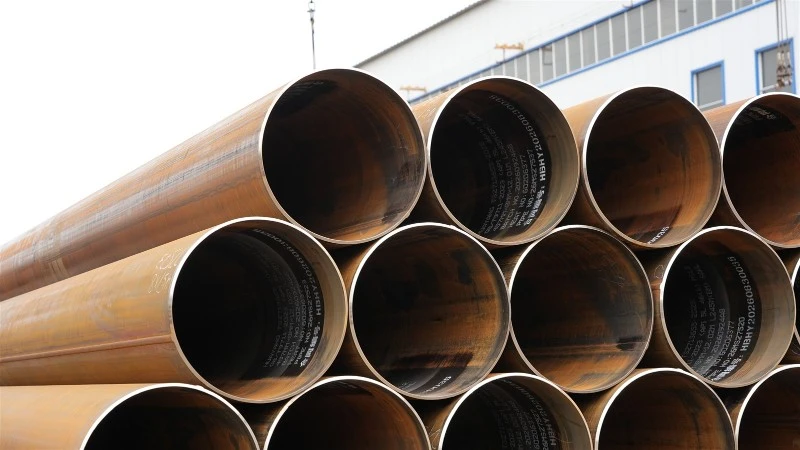
The procurement schedule should distinguish between manufacturing completion, inspection release, factory dispatch, port departure, and arrival at the destination. These are separate milestones and should not be treated as interchangeable.
For international orders, buyers should also account for transportation arrangements, customs procedures where applicable, and the time needed to coordinate delivery to the project site. Appropriate contingency time can help project teams respond to unexpected changes without immediately disrupting downstream activities.
How Can Buyers Reduce Dependence on Last-Minute Purchasing?
Last-minute purchasing limits the available options. When a project urgently needs a specific steel grade, diameter, wall thickness, or coating, the supplier may need additional time to arrange production, inspection, and shipment.
A more resilient procurement strategy identifies critical materials early, confirms supplier capabilities before placing orders, and monitors changes in project demand. For long-lead or project-specific products, early communication is particularly valuable.
Buyers should also establish a process for handling specification revisions, quantity changes, and delivery adjustments. Clear responsibilities and timely approval procedures help prevent small changes from becoming larger procurement problems.
How Can Huayang Steel Pipe Support Different Project Procurement Needs?
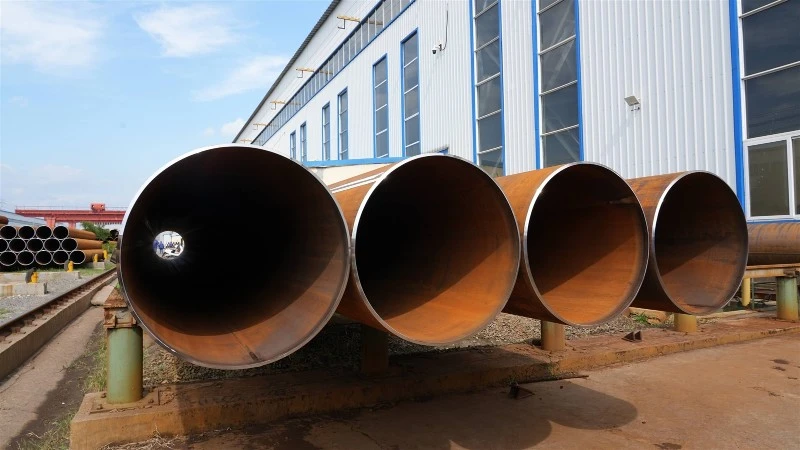
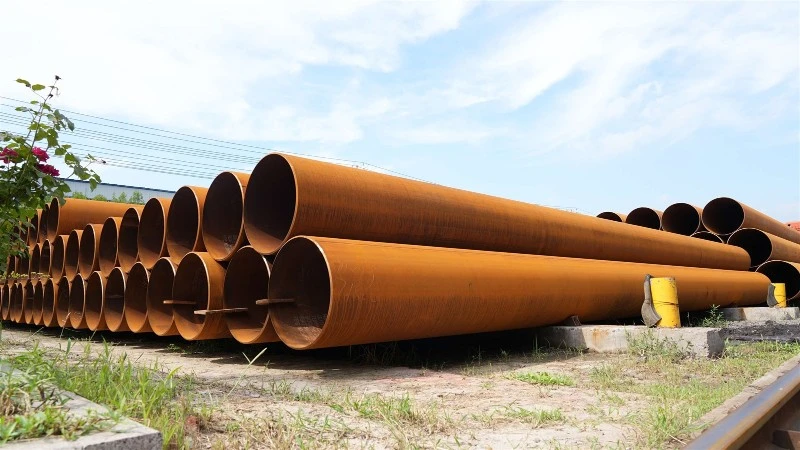
Huayang Steel Pipe manufactures HFW steel pipes with outside diameters from 48 to 660.4 mm and LSAW steel pipes from 406.4 to 2,800 mm. We also provide hot-expanded steel pipes, anti-corrosion processing, and customized steel pipe deep-processing services.
This product range supports different requirements across pipeline construction, structural engineering, and industrial projects. Depending on the application, customers can discuss pipe dimensions, steel grades, manufacturing standards, coatings, and additional processing requirements with our team during the procurement stage.
For project orders, confirming the technical scope and inspection requirements early helps establish a more practical basis for production and delivery planning. Stock availability, production lead time, inspection arrangements, and shipment schedules should be evaluated against the specific order rather than assumed to be identical for every product.
Preparing a steel pipe procurement plan for an upcoming project? Contact Huayang Steel Pipe with your technical specifications, estimated quantities, applicable standards, coating requirements, and target delivery schedule. Our team can discuss suitable product options and help clarify the manufacturing and documentation requirements before you finalize your purchasing plan.
How Can a Structured Procurement Strategy Improve Project Outcomes?
Successful pipeline procurement depends on the coordination of technical decisions, purchasing schedules, quality requirements, and logistics. When buyers finalize specifications early, evaluate products according to their intended applications, and account for inspection and transportation milestones, they can make more informed decisions and reduce avoidable supply risks.
For EPC contractors, procurement planning is also a way to protect project budgets and maintain coordination between engineering, construction, and supply chain teams. A structured process helps identify potential problems earlier and gives each party more time to respond.
At Huayang Steel Pipe, we recognize that every project has its own technical and scheduling requirements. By discussing product selection, inspection scope, documentation, and delivery expectations at the procurement stage, customers can develop a clearer supply plan and prepare more effectively for project execution.
Read More:
What Are The 3 Biggest Headaches For International Steel Pipe Buyers?
Differences in Manufacturing Processes Between SSAW Steel Pipe And LSAW Steel Pipe


