In building water supply and drainage systems, the choice of piping materials is directly related to water safety and service life. Galvanized steel pipes, as a traditional pipe material, were once widely used in residential buildings, municipal water networks, and industrial water supply systems. However, with the continuous improvement of drinking water safety standards, whether galvanized pipes are still suitable for conveying drinking water has become a common concern among professionals and end users.
This article provides a systematic analysis of whether galvanized pipes are suitable for drinking water, from the perspectives of structural characteristics, performance, sanitary safety, aging issues, and current engineering application trends.
I. What Are Galvanized Steel Pipes?
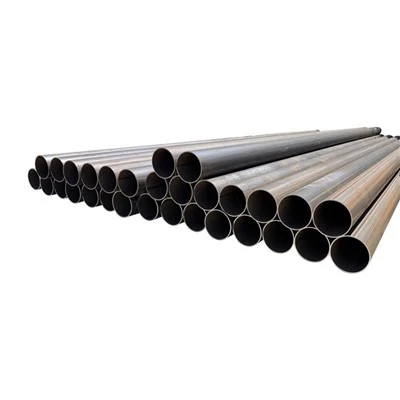
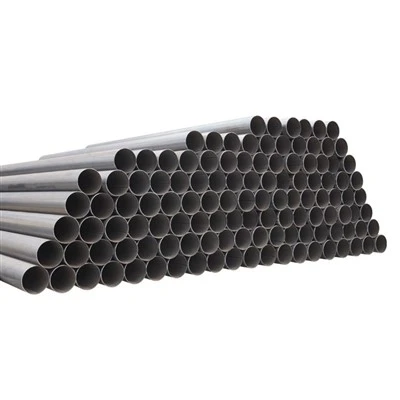
Galvanized steel pipes are carbon steel pipes coated with a layer of zinc on the surface through either hot-dip galvanizing or electroplating. The primary function of the zinc coating is to prevent direct contact between the steel substrate and water or air, thereby slowing corrosion and extending the service life of the pipe.
According to the galvanizing process, galvanized steel pipes are mainly divided into two types:
Hot-Dip Galvanized Steel Pipes
Manufactured by immersing steel pipes into molten zinc, forming an alloy layer bonded to the steel substrate. These pipes feature strong adhesion and relatively good corrosion resistance, and are commonly used in water supply and drainage systems, municipal projects, and fire protection systems.
Electro-Galvanized Steel Pipes
Produced by electrochemical deposition of zinc on the pipe surface. Although they have a bright appearance, the zinc layer is relatively thin and provides weaker corrosion resistance. As a result, they are now rarely used in water supply systems.
II. Historical Use of Galvanized Pipes in Drinking Water Systems
Before the 1980s and 1990s, galvanized steel pipes were the mainstream choice for building water supply systems in China. Their advantages included:
• High strength and strong pressure resistance
• Suitability for high-rise buildings and municipal water networks
• Mature construction techniques
• Convenient threaded and flanged connections widely mastered by construction teams
• Relatively controllable costs, especially before plastic pipes became popular
As a result, many older residential communities, industrial facilities, and office buildings are still using galvanized steel pipes for drinking water conveyance today.
III. Potential Issues of Using Galvanized Pipes for Drinking Water
Although galvanized pipes offer structural strength, their long-term use presents certain risks from a modern drinking water safety perspective.
1. Aging and Peeling of the Zinc Coating
The zinc coating is not a permanent protective layer. Over time, it gradually deteriorates due to dissolved substances, oxygen, and microorganisms in the water. Localized peeling may occur, exposing the steel substrate to corrosion and leading to rust formation.
These corrosion products entering the water can result in:
• Yellow or cloudy water
• Increased impurities
• Deterioration of taste and sensory quality
2. Secondary Contamination
Old galvanized pipes tend to develop scale and rust nodules on the inner walls. These deposits can adsorb heavy metals, microorganisms, and organic pollutants, forming internal contamination sources. When water flow fluctuates, these pollutants may be released back into the water, causing secondary pollution.
3. Risk of Heavy Metal Leaching
In areas with slightly acidic water, small amounts of zinc may dissolve from the coating. Long-term consumption of water with elevated zinc content may pose potential health risks, especially for children and the elderly.
IV. Current Codes and Standards Regarding Galvanized Pipes for Drinking Water
With increasingly stringent drinking water hygiene standards, many countries and regions have gradually restricted or prohibited the use of galvanized steel pipes in newly constructed drinking water systems.
In China's current building water supply design codes, galvanized steel pipes are no longer recommended as a preferred material for indoor drinking water pipelines. Instead, materials such as stainless steel pipes, thin-wall stainless steel pipes, PPR pipes, PE pipes, and copper pipes are widely recommended.
Today, galvanized pipes are mainly used in:
• Fire protection water supply systems
• Industrial circulating water systems
• Municipal drainage systems
• Non-potable water conveyance systems
In the drinking water sector, galvanized pipes are largely confined to existing older networks, while new projects rarely adopt them.
V. Can Galvanized Pipes Still Be Used for Drinking Water?
Overall, galvanized steel pipes remain structurally reliable, but from a water quality and health perspective, they are not suitable as long-term drinking water conveyance materials.
For existing galvanized pipe systems still in operation, the following factors should be evaluated:
• Service life: After more than 10 years of use, the risk of zinc coating degradation increases significantly
• Water quality testing results: Regular monitoring of iron, zinc content, and turbidity
• Internal pipe condition: Inspection of internal corrosion through pipeline endoscopy
If abnormal water quality or severe internal corrosion is detected, it is advisable to gradually renovate and replace the pipeline system with materials that meet modern drinking water standards.
VI. Trends in Ideal Drinking Water Pipe Materials
With advancements in material technology, drinking water pipelines are evolving toward safer, more corrosion-resistant, and cleaner solutions. Current mainstream options include:
• Thin-wall stainless steel pipes: Excellent hygienic performance, long service life, and strong corrosion resistance
• Food-grade plastic pipes: Such as PPR and PE pipes, featuring smooth inner walls and resistance to scaling
• Copper pipes: Naturally antibacterial and suitable for high-end residential applications
These materials outperform traditional galvanized steel pipes in terms of hygiene, durability, and maintenance costs.
VII. Conclusion
Galvanized steel pipes once played a significant role in the development of building water supply systems. However, as drinking water safety standards continue to rise, their limitations in potable water applications have become increasingly evident. From a modern engineering perspective, galvanized pipes are no longer an ideal choice for drinking water conveyance.
For new drinking water projects, priority should be given to pipe materials that comply with current hygiene standards. For aging galvanized pipe networks, gradual upgrading and replacement should be planned based on actual conditions to ensure safe and healthy drinking water for users.
In an era where water resources are increasingly precious and public health awareness continues to grow, the choice of piping materials is no longer merely an engineering decision-it is a matter of public welfare and health.