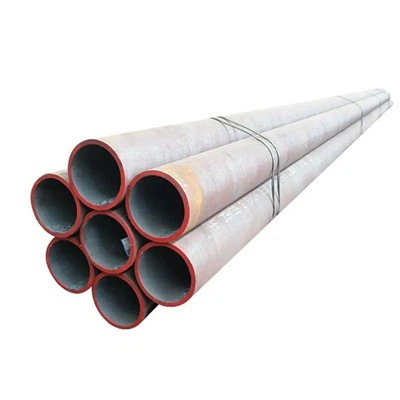
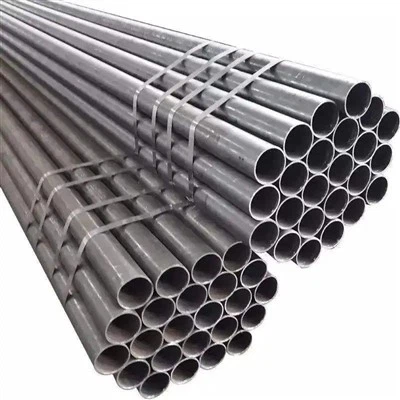
In the realm of industrial piping, the distinction between boiler pipes and regular pipes is not just a matter of semantics; it's a crucial factor that can impact the safety, efficiency, and longevity of various systems. As a seasoned boiler pipe supplier, I've witnessed firsthand the importance of understanding these differences, especially for clients looking to make informed decisions about their piping needs. In this blog, I'll delve into the key disparities between boiler pipes and regular pipes, highlighting why choosing the right type of pipe is essential for your specific applications.
Material Composition
One of the primary differences between boiler pipes and regular pipes lies in their material composition. Boiler pipes are typically made from high - quality steel alloys that are specifically designed to withstand high temperatures and pressures. These alloys often contain elements such as chromium, molybdenum, and vanadium, which enhance the pipe's strength, corrosion resistance, and heat resistance. For example, some boiler pipes are made from P91 steel, which has excellent creep resistance at elevated temperatures, making it ideal for use in power generation boilers.
On the other hand, regular pipes can be made from a variety of materials, including carbon steel, stainless steel, and plastic. Carbon steel pipes are commonly used for general plumbing and low - pressure applications, while stainless steel pipes are preferred for their corrosion resistance in applications such as food processing and chemical handling. Plastic pipes, such as PVC and CPVC, are often used for drainage and irrigation systems due to their low cost and ease of installation.
Design and Manufacturing Standards
Boiler pipes are subject to strict design and manufacturing standards to ensure their safety and reliability. These standards, such as the ASME Boiler and Pressure Vessel Code, specify the requirements for pipe dimensions, wall thickness, material properties, and manufacturing processes. For instance, boiler pipes must be manufactured using seamless or welded processes that meet specific quality control criteria. Seamless boiler pipes are often preferred because they have a uniform structure and are less likely to develop leaks or cracks under high - pressure conditions.

Regular pipes, on the other hand, may be subject to less stringent standards depending on their intended use. For example, plumbing pipes are typically manufactured to meet local building codes, which may have less strict requirements for pressure ratings and material quality compared to boiler pipes. This means that regular pipes may not be suitable for use in high - temperature or high - pressure applications.
Pressure and Temperature Resistance
The most significant difference between boiler pipes and regular pipes is their ability to withstand high pressures and temperatures. Boiler pipes are designed to operate in environments where temperatures can reach several hundred degrees Celsius and pressures can exceed hundreds of bar. For example, in a power plant boiler, the steam inside the pipes can reach temperatures of up to 600°C and pressures of up to 300 bar. Boiler pipes must be able to maintain their structural integrity under these extreme conditions to prevent leaks, explosions, and other safety hazards.
Regular pipes, in contrast, are generally designed for lower pressure and temperature applications. For example, a typical water supply pipe in a residential building may only need to withstand pressures of a few bar and temperatures close to ambient. Using a regular pipe in a high - pressure or high - temperature application can lead to pipe failure, which can result in costly repairs and potential safety risks.

Application Areas
The differences in material composition, design standards, and pressure and temperature resistance also determine the application areas of boiler pipes and regular pipes. Boiler pipes are primarily used in power generation, chemical processing, and industrial heating systems. In power plants, boiler pipes are used to transport high - pressure steam from the boiler to the turbine, where it is converted into electrical energy. In chemical processing plants, boiler pipes are used to transfer hot fluids and gases between different processing units.
Regular pipes, on the other hand, have a much wider range of applications. They are commonly used in plumbing systems for water supply, drainage, and sewage disposal. They are also used in HVAC systems for air distribution and refrigeration. Additionally, regular pipes are used in various industrial applications where low - pressure and low - temperature conditions are present.

Our Product Offerings
As a boiler pipe supplier, we offer a wide range of high - quality boiler pipes to meet the diverse needs of our customers. Our product portfolio includes Api 5l Boiler Pipe, which is manufactured to meet the API 5L standard and is suitable for use in oil and gas pipelines. We also offer X60 OCTG Pipe, which is designed for use in oil and gas well drilling and production. In addition, our Oil Line Pipe is specifically engineered to transport crude oil and refined products.
Why Choose Our Boiler Pipes?
When you choose our boiler pipes, you can be confident that you are getting a product that meets the highest standards of quality and reliability. Our pipes are manufactured using state - of - the - art technology and undergo rigorous quality control checks to ensure that they meet or exceed industry standards. We also offer customized solutions to meet the specific requirements of our customers, including pipe dimensions, wall thickness, and material specifications.

Contact Us for Your Boiler Pipe Needs
If you are in the market for high - quality boiler pipes, we invite you to contact us for a consultation. Our team of experts is ready to assist you in selecting the right pipe for your application and providing you with a competitive quote. Whether you are a power plant operator, a chemical processing company, or an industrial heating system installer, we have the expertise and products to meet your needs. Don't compromise on the safety and efficiency of your systems; choose our boiler pipes for a reliable and long - lasting solution.
References
- ASME Boiler and Pressure Vessel Code.
- API 5L Specification for Line Pipe.
- Industry standards and guidelines for boiler and regular pipes.