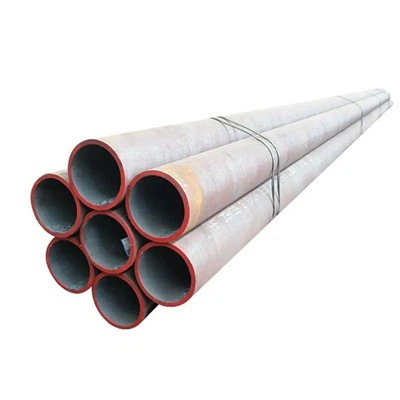
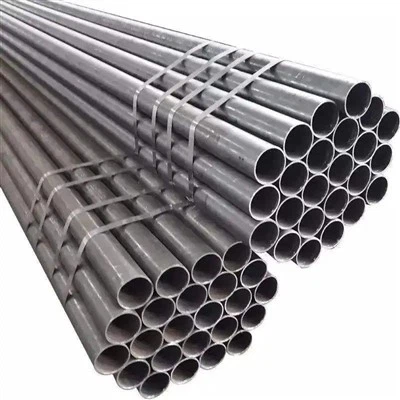
Thermal conductivity is a fundamental property that significantly influences the energy efficiency of boiler systems, especially when using API 5L Boiler Pipe. As a supplier of API 5L Boiler Pipe, I have witnessed firsthand how the thermal conductivity of these pipes can make a substantial difference in the overall performance and energy consumption of boiler systems.
Understanding Thermal Conductivity
Thermal conductivity, denoted by the symbol "k," is a measure of a material's ability to conduct heat. It is defined as the quantity of heat that passes through a unit area of a material in a unit time when there is a unit temperature difference across the material. In the context of boiler systems, high thermal conductivity means that the API 5L Boiler Pipe can transfer heat from the combustion chamber to the water or steam inside the pipe more efficiently.
The thermal conductivity of a material depends on several factors, including its chemical composition, density, and microstructure. For API 5L Boiler Pipe, which is typically made of carbon steel, the thermal conductivity is relatively high compared to some other materials. This is because carbon steel has a crystalline structure that allows heat to be transferred through the movement of free electrons.
Impact of Thermal Conductivity on Boiler Efficiency
The energy efficiency of a boiler system is defined as the ratio of the useful heat output to the energy input. A higher thermal conductivity of the API 5L Boiler Pipe can improve the energy efficiency of the boiler system in several ways.
Faster Heat Transfer
When the thermal conductivity of the pipe is high, heat can be transferred from the hot combustion gases to the water or steam inside the pipe more quickly. This means that the water or steam can reach the desired temperature in a shorter time, reducing the amount of fuel needed to heat the boiler. For example, in a large industrial boiler, a high - conductivity API 5L Boiler Pipe can significantly reduce the start - up time and the overall fuel consumption during the heating process.

Reduced Heat Loss
A pipe with high thermal conductivity can also help to reduce heat loss to the surroundings. Since the heat is transferred more efficiently from the combustion chamber to the working fluid inside the pipe, there is less heat remaining in the pipe wall that could be lost to the environment. This is particularly important in boiler systems where energy conservation is a top priority.
Improved Steam Generation
In steam boilers, high thermal conductivity is crucial for efficient steam generation. The faster the heat is transferred to the water, the more steam can be produced in a given time. This not only increases the productivity of the boiler but also improves the overall energy efficiency of the system. For instance, in a power plant boiler, increased steam generation can lead to more electricity production with the same amount of fuel input.
API 5L Boiler Pipe and Thermal Conductivity
API 5L Boiler Pipe is designed to meet the strict requirements of boiler applications. The carbon steel used in these pipes has a relatively high thermal conductivity, which makes them suitable for efficient heat transfer in boiler systems.
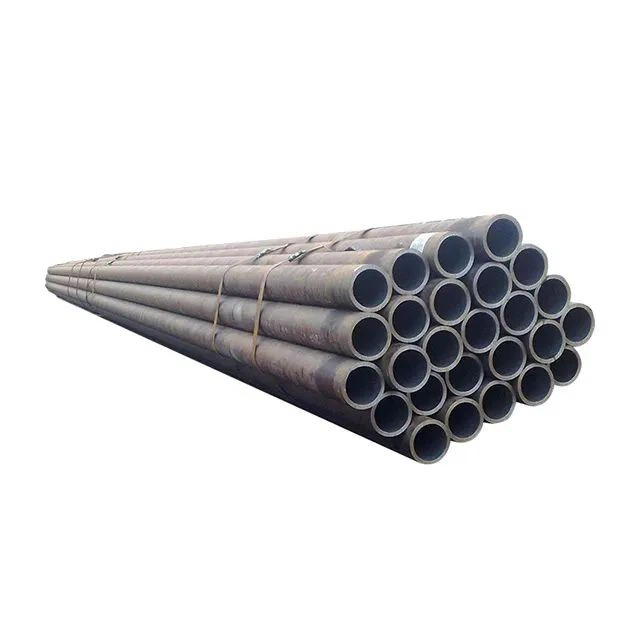
The manufacturing process of API 5L Boiler Pipe also plays a role in its thermal conductivity. Seamless pipes, which are commonly used in boiler systems, have a more uniform microstructure compared to welded pipes. This uniformity allows for better heat transfer and higher thermal conductivity. As a supplier, we ensure that our Carbon Round Boiler Pipe and X60 OCTG Pipe are manufactured with high - quality seamless processes to maximize their thermal conductivity.
Moreover, the chemical composition of API 5L Boiler Pipe can be optimized to enhance its thermal conductivity. By carefully controlling the carbon content and the addition of other alloying elements, we can fine - tune the thermal properties of the pipe. For example, a small amount of alloying elements can improve the heat - transfer characteristics of the steel without sacrificing its mechanical strength.

Case Studies
Let's look at some real - world examples to illustrate the impact of thermal conductivity on the energy efficiency of boiler systems using API 5L Boiler Pipe.
In a food processing plant, the old boiler system was using pipes with relatively low thermal conductivity. The plant had to consume a large amount of natural gas to maintain the required steam temperature for its production processes. After replacing the old pipes with our high - quality API 5L Oil Tubing, which has excellent thermal conductivity, the plant noticed a significant reduction in gas consumption. The new pipes were able to transfer heat more efficiently, allowing the boiler to reach the desired steam temperature faster and with less fuel.
In another case, a power generation company upgraded its boiler system with API 5L Boiler Pipe that had been optimized for high thermal conductivity. The result was an increase in the overall efficiency of the power plant. The boiler was able to produce more steam with the same amount of coal, leading to an increase in electricity generation and a reduction in operating costs.
Factors Affecting Thermal Conductivity of API 5L Boiler Pipe
While API 5L Boiler Pipe generally has good thermal conductivity, there are several factors that can affect its performance.
Temperature
The thermal conductivity of carbon steel changes with temperature. As the temperature increases, the thermal conductivity of carbon steel typically decreases. This is because at higher temperatures, the lattice vibrations in the steel become more intense, which can impede the movement of free electrons and thus reduce heat transfer. In boiler systems, it is important to consider the operating temperature range and select the appropriate API 5L Boiler Pipe to ensure optimal thermal performance.
Corrosion
Corrosion can also have a negative impact on the thermal conductivity of API 5L Boiler Pipe. When the pipe surface is corroded, a layer of oxide or other corrosion products forms. These layers have lower thermal conductivity than the base steel, which can reduce the overall heat - transfer efficiency of the pipe. Regular maintenance and corrosion prevention measures are essential to maintain the thermal conductivity of the pipes.
Scale Deposits
Scale deposits can accumulate on the inner surface of the API 5L Boiler Pipe over time. These deposits are typically made of minerals such as calcium carbonate and magnesium hydroxide, which have low thermal conductivity. The presence of scale deposits can act as an insulator, reducing the heat transfer from the combustion gases to the water or steam inside the pipe. Therefore, proper water treatment and regular cleaning of the pipes are necessary to prevent scale formation.
Conclusion
In conclusion, thermal conductivity is a critical factor that affects the energy efficiency of boiler systems using API 5L Boiler Pipe. As a supplier, we understand the importance of providing high - quality pipes with excellent thermal conductivity to our customers. Our Carbon Round Boiler Pipe, X60 OCTG Pipe, and API 5L Oil Tubing are designed and manufactured to ensure efficient heat transfer and maximum energy efficiency in boiler applications.

If you are looking to improve the energy efficiency of your boiler system or are in need of high - quality API 5L Boiler Pipe, we invite you to contact us for further discussion and procurement. We are committed to providing you with the best products and solutions to meet your specific requirements.
References
- Incropera, F. P., & DeWitt, D. P. (2002). Fundamentals of Heat and Mass Transfer. John Wiley & Sons.
- ASME Boiler and Pressure Vessel Code. (2019). American Society of Mechanical Engineers.
- API Specification 5L. (2020). American Petroleum Institute.