Hey there! As a supplier of Gas 90 Degree Elbows, I often get asked about how to connect these elbows to a pipe. It's a pretty common question, and I'm here to break it down for you in a simple and easy - to - understand way.
First off, let's talk about why you might need a Gas 90 Degree Elbow in the first place. In gas piping systems, you'll frequently encounter situations where you need to change the direction of the gas flow by 90 degrees. Maybe you're working on a home gas heating system, a commercial kitchen's gas line, or an industrial gas application. That's where our Gas 90 Degree Elbow comes in super handy.
Tools and Materials You'll Need
Before you start the connection process, you've got to gather the right tools and materials. Here's what you'll typically need:
- Gas 90 Degree Elbow: Of course, you need the elbow itself. Make sure it's the right size and made from a material suitable for your gas application. We offer high - quality elbows that are designed to meet industry standards.
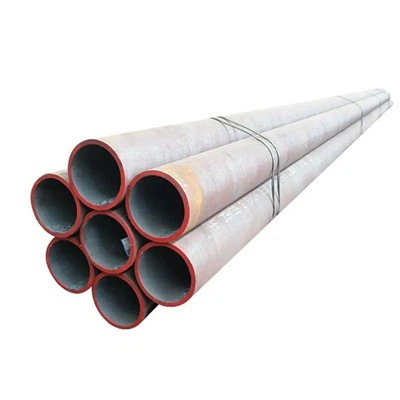
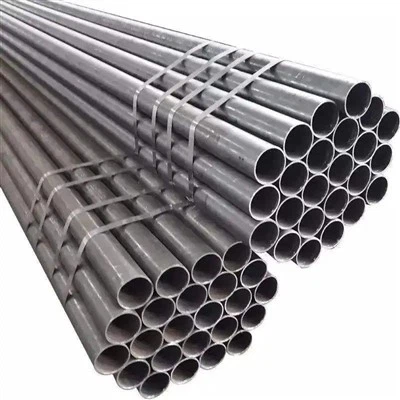
- Pipe: The pipe should match the size of the elbow. Whether it's steel, copper, or some other type of pipe, ensure it's clean and free of any debris.
- Pipe Wrench: This is essential for tightening the connections. You'll need a wrench that fits the size of your pipe and elbow.
- Teflon Tape: Also known as plumber's tape, it helps create a tight seal between the threads of the pipe and the elbow.
- Leak Detector Solution: This is important for checking if there are any gas leaks after the connection is made.
Preparing the Pipe and Elbow
Once you have all your tools and materials ready, it's time to prepare the pipe and the elbow.
- Clean the Pipe: Use a wire brush or a clean cloth to remove any dirt, rust, or debris from the end of the pipe where you'll be making the connection. A clean surface ensures a better seal.
- Inspect the Elbow: Check the elbow for any signs of damage, such as cracks or dents. If you find any issues, don't use it. A damaged elbow can lead to gas leaks, which are extremely dangerous.
- Apply Teflon Tape: Wrap the Teflon tape around the male threads of the pipe in a clockwise direction. Make sure to wrap it tightly and evenly, about 3 - 5 times. This tape helps prevent gas from leaking out of the threaded connection.
Making the Connection
Now comes the actual connection part.
- Align the Elbow: Carefully align the elbow with the end of the pipe. Make sure it's at a 90 - degree angle in the direction you want the gas to flow.
- Start Threading: Begin threading the elbow onto the pipe by hand. Turn it clockwise until it's finger - tight. This initial hand - tightening helps ensure that the threads are properly engaged.
- Use the Pipe Wrench: Once the elbow is finger - tight, use the pipe wrench to give it a few more turns. Be careful not to over - tighten, as this can damage the threads or even crack the elbow. A good rule of thumb is to give it about 1 - 2 more full turns after it's finger - tight.
Checking for Leaks
After making the connection, it's crucial to check for gas leaks.
- Apply Leak Detector Solution: Use a brush or a spray bottle to apply the leak detector solution to the connection between the pipe and the elbow. Make sure to cover the entire area.
- Look for Bubbles: If there are any gas leaks, the solution will form bubbles. If you see bubbles, immediately turn off the gas supply and re - check the connection. You may need to tighten it a bit more or re - apply the Teflon tape.
Other Related Elbows
In some gas piping systems, you might also need other types of elbows. For example, a 180 Degree Silicone Elbow can be useful when you need to reverse the direction of the gas flow completely. And a Gas 180 Degree Elbow is great for applications where you need a 180 - degree turn.
Safety Considerations
Working with gas is serious business, so safety should always be your top priority.


- Ventilation: Make sure the area where you're working is well - ventilated. Gas leaks can be extremely dangerous, and proper ventilation helps prevent the build - up of gas in the air.
- Turn Off the Gas: Before making any connections, turn off the gas supply. This reduces the risk of gas leaks during the installation process.
- Follow Local Codes: Different areas have different codes and regulations regarding gas piping installations. Make sure you're familiar with and follow these codes to ensure a safe and legal installation.
Conclusion
Connecting a Gas 90 Degree Elbow to a pipe isn't overly complicated if you follow the right steps. By preparing the pipe and elbow properly, making the connection carefully, and checking for leaks, you can ensure a safe and reliable gas piping system.
If you're in the market for high - quality Gas 90 Degree Elbows or other related pipe fittings, we're here to help. We offer a wide range of products that are designed to meet your gas piping needs. Whether you're a professional plumber or a DIY enthusiast, we've got the right products for you. Don't hesitate to reach out if you have any questions or if you're interested in purchasing our products. We're always happy to assist you with your gas piping projects.
References
- "Gas Piping Installation Handbook"
- "Pipe Fittings: A Comprehensive Guide"