What Is the Purpose of Adding Pipe Caps to Steel Pipes?
Steel pipes are widely used in energy, construction, water transportation, chemical engineering, and industrial projects. During manufacturing, transportation, storage, and installation, the pipe ends are often exposed to external environments. Without proper protection, the pipe ends may suffer from damage, contamination, deformation, or corrosion.
Pipe caps are accessories designed to protect the open ends of steel pipes. They are commonly installed on both ends of pipes during storage, transportation, and project preparation. Although pipe caps are small components compared with the steel pipes themselves, they play an important role in maintaining product quality and ensuring smooth project installation.
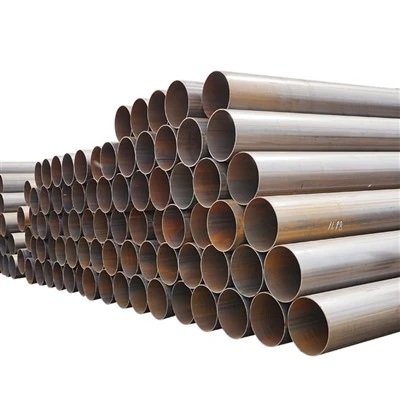
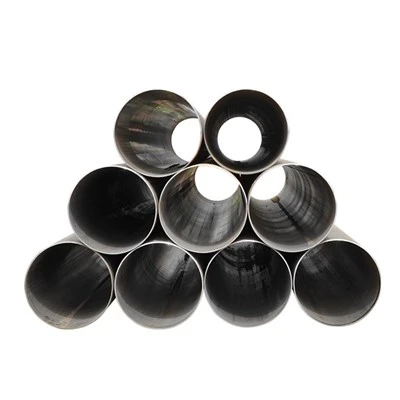
For carbon steel pipes, ERW steel pipes, LSAW steel pipes, and seamless steel pipes, pipe caps can provide protection against dust, moisture, impact, and foreign materials entering the pipe interior.
During long-distance transportation, steel pipes may experience vibration, friction, and collision. The pipe ends are especially vulnerable because they are usually the most exposed parts. Adding pipe caps helps prevent damage to the pipe bevel, threads, and internal surface.
| Item | Function of Steel Pipe Caps |
|---|---|
| Product | Steel Pipe End Caps |
| Main Purpose | Protect pipe ends |
| Applicable Pipes | ERW, LSAW, seamless steel pipe |
| Protection Function | Dust, moisture, impact prevention |
| Common Materials | Plastic, steel, rubber |
| Application | Storage, transportation, installation |
For large diameter steel pipes, especially LSAW pipes used in pipeline projects, pipe caps provide additional protection before installation and help maintain the quality of the finished products.


Why Are Pipe Ends Important During Steel Pipe Transportation?
The pipe end is a critical area of a steel pipe. During transportation and handling, improper protection may cause deformation or damage that affects later welding and installation.
For welded steel pipes, the pipe end usually requires accurate dimensions and proper surface conditions. In pipeline construction, pipes are often connected by welding, so any damage to the bevel area can influence welding quality.
For example, large diameter LSAW steel pipes used in oil and gas transmission projects require precise end preparation. The pipe ends must remain clean and undamaged to achieve reliable field welding.
During transportation, steel pipes may be stacked together or loaded onto trucks and ships. Without pipe caps, direct contact between pipe ends and other materials may cause scratches or deformation.
Pipe caps act as a protective barrier. They absorb external impact and reduce the possibility of damage during logistics operations.
This is particularly important for exported steel pipes, where products may travel long distances before reaching the final project site.
How Do Pipe Caps Protect Steel Pipes from Contamination?
In many industrial projects, the inside of steel pipes needs to remain clean before installation.
During storage, open pipe ends can allow dust, sand, water, insects, or other foreign materials to enter the pipe. For pipelines carrying water, oil, gas, or chemicals, internal cleanliness is important for safe operation.
Pipe caps prevent unwanted materials from entering the pipe interior. This reduces cleaning requirements before installation and helps maintain the original condition of the pipe.
For example, ERW steel pipes used in structural applications may be stored for months before assembly. Pipe caps help keep the internal surface clean during this period.
For pipeline projects, internal contamination can increase preparation time and affect construction efficiency. Simple protective accessories such as pipe caps can reduce these potential issues.
What Types of Steel Pipes Usually Use Pipe Caps?
Pipe caps are commonly used for different types of steel pipes depending on application requirements.
ERW steel pipes often use pipe caps during transportation because they are widely supplied in large quantities for construction, mechanical, and industrial projects.
LSAW steel pipes, especially large diameter pipes, require stronger protection because of their size and project importance. These pipes are commonly used in oil and gas pipelines, water transmission projects, offshore engineering, and piling applications.
Large diameter steel pipes may have larger open ends, making them more exposed to environmental factors. Proper pipe caps help protect the pipe opening and maintain product quality.
| Steel Pipe Type | Pipe Cap Application |
|---|---|
| ERW Steel Pipe | Storage and transportation protection |
| LSAW Steel Pipe | Large pipeline project protection |
| Seamless Steel Pipe | End surface protection |
| Anti Corrosion Pipe | Coating protection |
The selection of suitable pipe caps depends on pipe diameter, end type, transportation method, and project requirements.
How Do Pipe Caps Support Anti Corrosion Steel Pipe Protection?
For anti corrosion steel pipes, pipe protection is especially important.
Steel pipes with coatings such as 3PE, 3PP, FBE, or epoxy coatings require careful handling to prevent surface damage. If the pipe end or coating area is damaged, corrosion protection performance may be affected.
Pipe caps help reduce direct contact between pipe ends and external objects. This provides additional protection for coated pipes during storage and transportation.
In underground pipeline projects, anti corrosion steel pipes are expected to operate for decades. Protecting them before installation is an important part of ensuring long-term performance.
Combining high-quality anti corrosion coating with proper pipe end protection creates a more complete pipeline protection system.
How Does Huayang Steel Pipe Ensure Product Protection Before Delivery?
Huayang Steel Pipe focuses not only on steel pipe manufacturing but also on product quality protection throughout the delivery process.
The company produces ERW steel pipes, LSAW steel pipes, and anti corrosion steel pipes for global customers. Before shipment, pipes undergo inspection, surface checking, and necessary protection measures.
According to customer requirements, pipe ends can be protected with suitable caps or other packaging solutions to ensure safe transportation.
Huayang applies strict quality management during production, inspection, storage, and logistics. This helps ensure that steel pipes arrive at project sites in good condition.
For international pipeline projects, reliable packaging and transportation protection are important parts of overall product quality.
Conclusion
Pipe caps are simple but important accessories for steel pipe protection. They help prevent pipe end damage, keep internal surfaces clean, and reduce risks during transportation and storage.
For ERW steel pipes, LSAW steel pipes, and anti corrosion steel pipes, proper pipe end protection improves product reliability and supports efficient installation.
As global infrastructure projects continue to grow, pipe caps will remain an essential part of professional steel pipe supply and project preparation.