


Have you ever faced delays on a pipeline project because you could not verify steel pipe material records? For project engineers, missing certificates, incomplete inspection reports, or unclear pipe identification can create problems during third-party inspection and site acceptance. When documentation cannot be matched to the delivered products, even pipes that meet the required specifications may be held up while records are checked. At Huayang Steel Pipe, traceability is an important part of quality management. By maintaining retrievable material certificates, test reports, and inspection records, we help customers verify product information, simplify acceptance procedures, and keep projects moving.
What Is Steel Pipe Traceability and Why Does It Matter?
Steel pipe traceability is the ability to identify a product and connect it with relevant manufacturing, material, and inspection records. For pipeline projects, it helps engineers, quality inspectors, procurement teams, and end users verify that delivered pipes correspond to the approved technical specifications and required quality documentation.
Why Is Traceability Important for Pipeline Projects?
Pipeline construction often involves multiple parties, including manufacturers, contractors, inspection agencies, logistics providers, and project owners. Each party may need to verify different aspects of a steel pipe before it can be accepted for installation.
Without a clear traceability system, locating the correct material certificate or confirming an inspection result can take additional time. If pipe markings are unclear or documents cannot be matched to the products, the project team may need to request clarification, repeat document checks, or arrange further inspection.
A reliable steel pipe traceability process reduces these avoidable uncertainties. It provides a clearer connection between the physical product and its supporting records, helping project teams manage quality verification more efficiently.
What Information Should Be Traceable?
The information required depends on the applicable standard, purchase order, inspection plan, and project specification. Common records include steel grade, dimensions, heat or batch number, material test certificates, inspection results, and product identification details.
For welded steel pipes, the documentation may also include relevant weld inspection records, non-destructive testing results, dimensional inspection data, and hydrostatic test records when required. These records help demonstrate that the applicable manufacturing and inspection requirements have been addressed.
From Material Identification to Document Retrieval
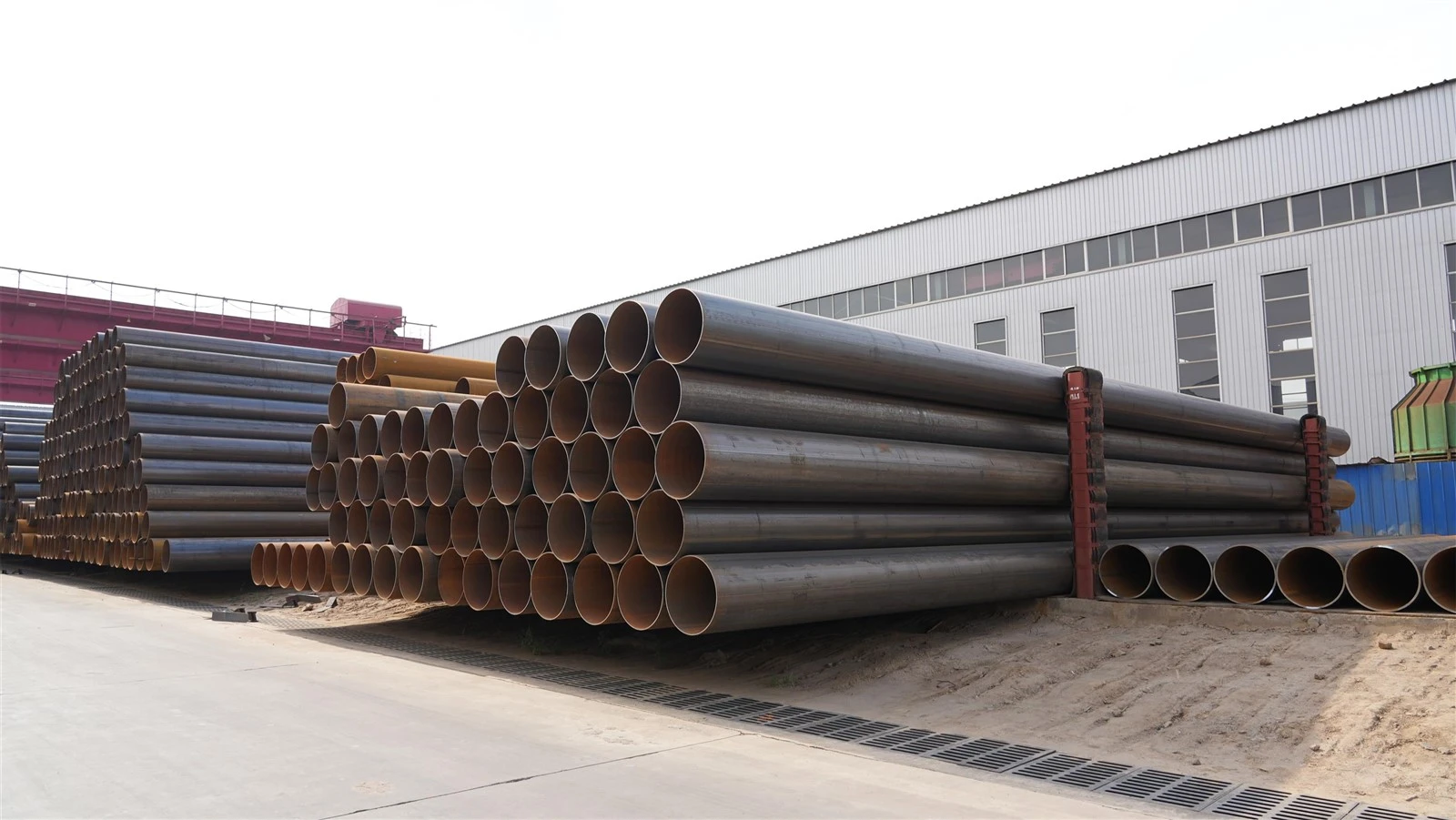
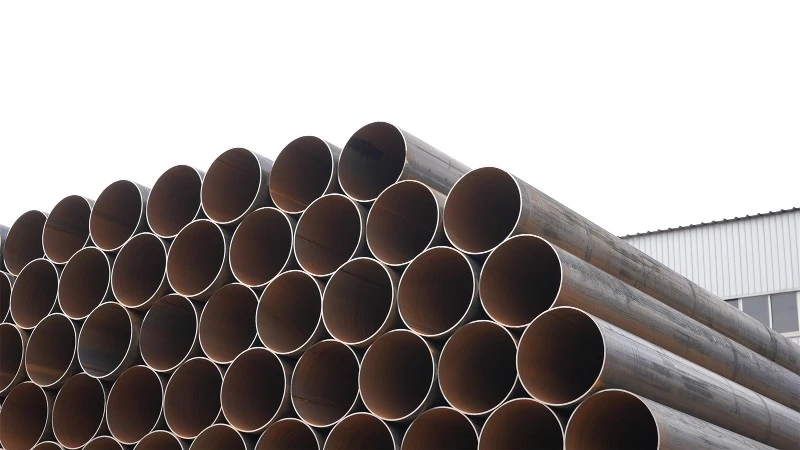
Effective traceability requires more than keeping documents in a folder. The records must be organized so that the relevant information can be retrieved and matched to the correct product. Clear markings, consistent identification practices, and systematic document archiving all support this process.
How Does Steel Pipe Traceability Support Quality Inspection and Site Acceptance?
Traceability becomes especially valuable when steel pipes undergo third-party inspection or arrive at a project site. Inspectors need to establish that the products presented for acceptance match the approved specifications and supporting records. Complete documentation helps make that verification process more straightforward.
Supporting Third-Party Inspection
Third-party inspectors may review material certificates, verify product markings, examine dimensional records, and check inspection results against project requirements. The scope of inspection varies by contract and may include witness points, document reviews, and physical examination.
When records are incomplete or difficult to retrieve, inspection can take longer than planned. A well-organized documentation system helps the manufacturer respond to document requests and allows inspectors to identify the relevant records more efficiently.
Matching Steel Pipes with Their Records
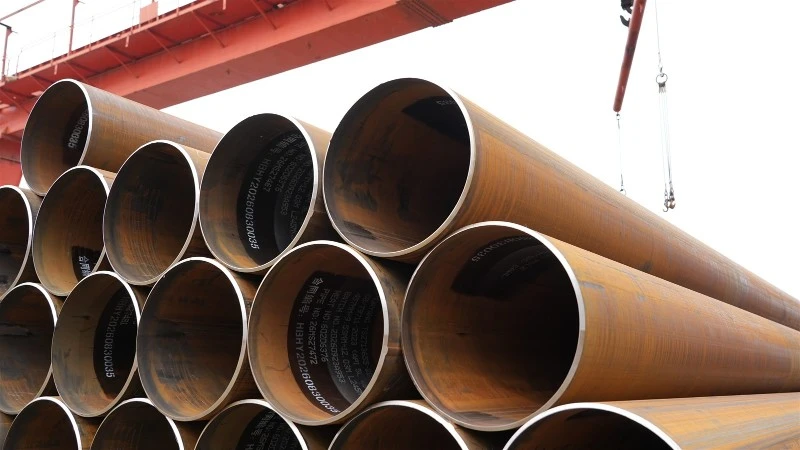
Product identification is central to traceability. Depending on the project requirements and the manufacturer's identification system, pipes may be associated with information such as heat numbers, batch numbers, pipe numbers, or other unique identifiers.
Where individual pipe traceability is specified, each pipe's identification must be linked to the relevant records in a consistent manner. This is particularly important when a project involves multiple steel grades, dimensions, production batches, or inspection requirements.
Reducing Delays During Site Acceptance
At the project site, receiving teams may need to check quantities, markings, dimensions, material certificates, and inspection documents before releasing steel pipes for installation. If the documentation is ready and product identification is clear, these checks can proceed with fewer administrative interruptions.
Traceability does not replace physical inspection or guarantee automatic acceptance. Instead, it provides the supporting evidence that engineers and inspectors need to verify compliance with the applicable project requirements. The result is a more organized acceptance process and better coordination between procurement, quality control, and construction teams.
Which Steel Pipe Documents Should Buyers Confirm Before Shipment?
Before placing an order, buyers should clarify the required documentation with the manufacturer. Document requirements should be confirmed early rather than left until shipment, particularly for pipeline projects involving strict inspection procedures or formal site acceptance.
|
Document or record |
What it helps verify |
Why buyers should confirm it |
|
Material Test Certificate |
Chemical composition, mechanical properties, and material identification as applicable |
Confirms material information against the specified grade and standard |
|
Non-destructive testing records |
Relevant inspection results for welds or pipe bodies, where required |
Supports verification of the specified inspection requirements |
|
Dimensional inspection records |
Outside diameter, wall thickness, length, and other specified dimensions |
Helps confirm conformity with purchase requirements |
|
Hydrostatic test records |
Test results where hydrostatic testing is required |
Provides evidence of the applicable pressure test |
|
Pipe identification and traceability records |
Links between product markings and relevant material or inspection data |
Helps inspectors locate records for the products being checked |
|
Packing list and shipment documents |
Shipped quantities, bundle details, and shipping information |
Supports receiving checks and shipment reconciliation |
Why Document Completeness Matters
The required documents vary according to the steel pipe standard, product type, order specification, and inspection plan. Buyers should confirm which records are mandatory, the required format, and whether documents must be submitted for approval before shipment.
Material Test Certificates, commonly referred to as MTCs, are particularly important because they provide material-related information for verification. However, an MTC alone may not satisfy every project requirement. Additional inspection reports, testing records, identification lists, or other quality documents may be needed.
How Should Buyers Verify Traceability Before Delivery?
Buyers should confirm that the information on the documents corresponds with the actual order, including the steel grade, dimensions, applicable standard, and product identification details. They should also establish how records will be supplied, how discrepancies will be handled, and whether individual pipe identification is required.
For projects with third-party inspection, it is useful to align the documentation list with the inspection agency and project owner before production or shipment. This helps avoid unnecessary clarification after the pipes arrive at the site.
How Does Huayang Steel Pipe Manage Product Traceability?
As a direct steel pipe manufacturer, Huayang Steel Pipe understands that project requirements extend beyond manufacturing the specified dimensions and steel grade. Customers also need reliable documentation and a practical way to verify delivered products.
Our documentation and quality management processes support the collection, organization, and retrieval of relevant material and inspection records. Depending on the product and order requirements, these may include material certificates, non-destructive testing reports, dimensional inspection data, and other applicable test records.
Where individual pipe traceability is required and agreed for an order, product identification and associated records can support the verification of each pipe. Shipment documentation is prepared according to the applicable order requirements to help customers coordinate incoming inspection and site acceptance.
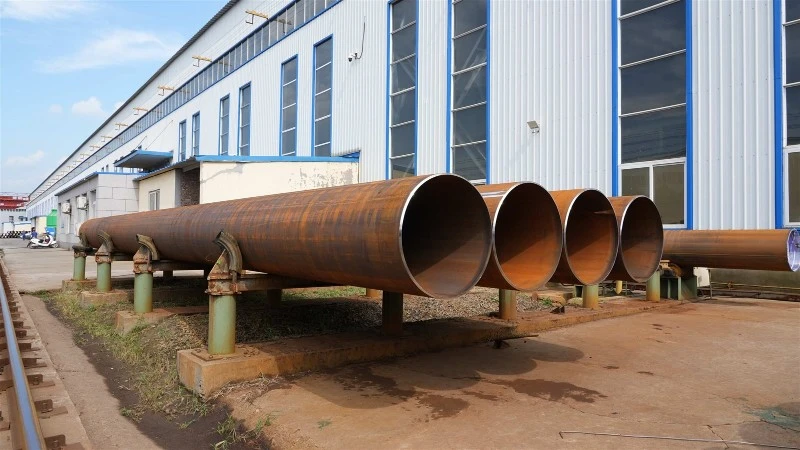
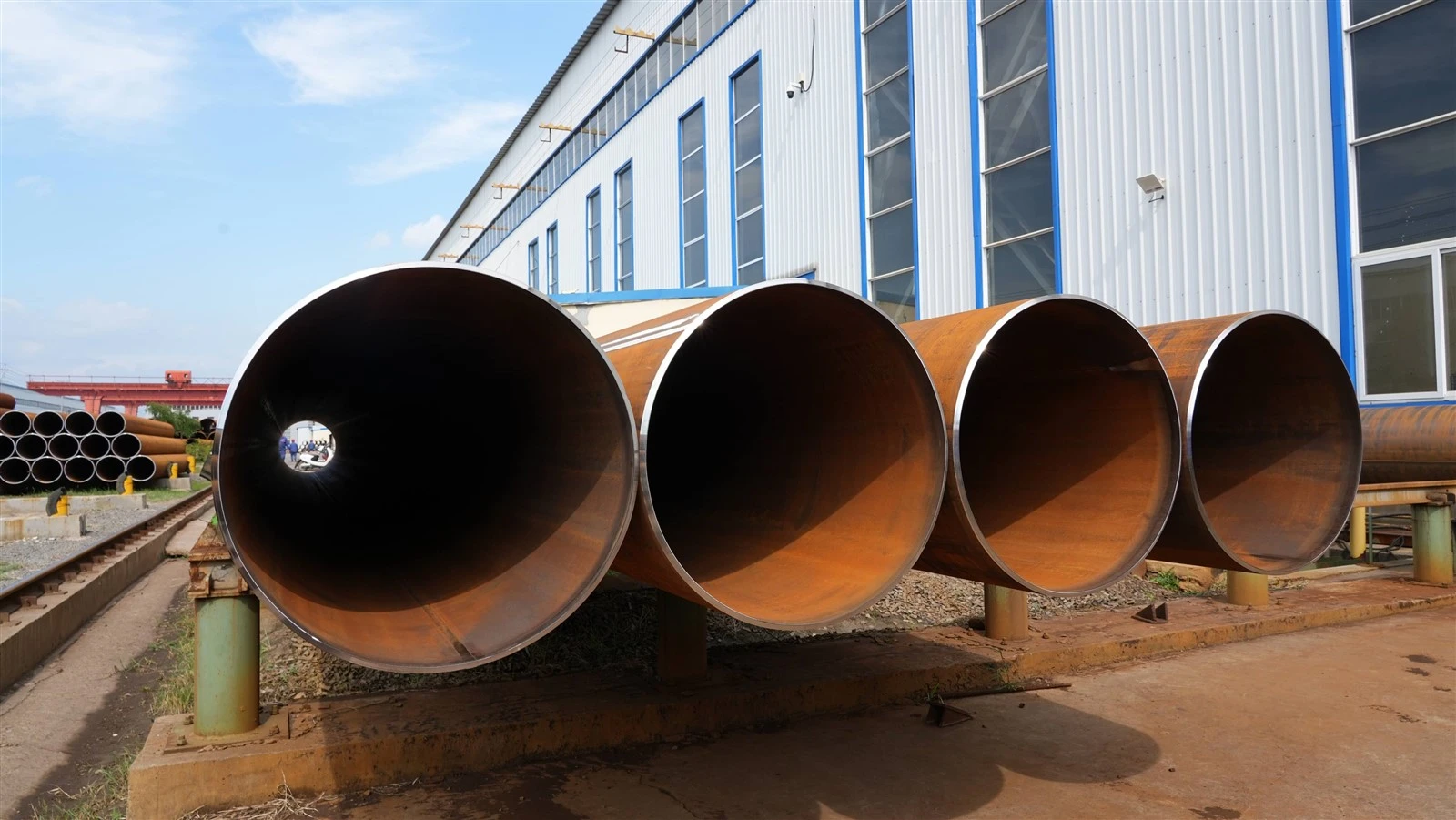
Huayang manufactures HFW steel pipes with outside diameters from 48 to 660.4 mm and LSAW steel pipes from 406.4 to 2,800 mm. We also provide hot-expanded steel pipes, anti-corrosion steel pipes, and customized steel pipe processing services. For each project, documentation and inspection requirements should be confirmed according to the selected product, governing standard, and purchase specification.
Planning a pipeline project with strict documentation or third-party inspection requirements? Contact Huayang Steel Pipe with your technical specification, required inspection scope, and documentation list. Our team can discuss product traceability, quality records, and shipment arrangements with you before production begins.
Why Is Traceability Part of Reliable Steel Pipe Supply?
Reliable steel pipe supply means delivering products that meet the agreed requirements and providing the information customers need to verify them. Material quality, inspection, identification, documentation, and delivery coordination work together to support project execution.
For project engineers, effective steel pipe traceability improves visibility into material records and helps simplify verification. For procurement teams, it provides a clearer basis for checking supplier documentation and coordinating acceptance. For manufacturers, it reflects disciplined quality management and responsibility throughout the order process.
At Huayang Steel Pipe, we believe that reliable documentation is an essential part of dependable delivery. By connecting steel pipes with their relevant material and inspection records, we help customers prepare for inspections, manage site acceptance, and reduce avoidable delays. When every required record can be located and verified efficiently, project teams can focus more confidently on the work that matters: building safe, durable, and reliable pipeline infrastructure.
Read More:
What Is The Impact Of Smart Manufacturing And Traceability On The Quality Of HFW Steel Pipes?


