How Does Corrosion Affect Pipeline Reliability?
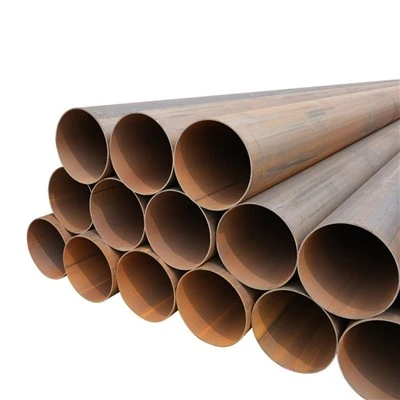
Steel pipelines are widely used in oil transportation, natural gas transmission, water supply systems, and industrial infrastructure projects because of their high strength and excellent pressure-bearing capacity. However, pipelines operating underground or in humid outdoor environments continuously face corrosion risks caused by moisture, soil chemicals, oxygen, and temperature variation.
Corrosion can gradually weaken the steel surface and reduce wall thickness, eventually leading to leakage, pressure instability, and expensive maintenance operations. In large-scale pipeline systems, corrosion-related failure may also interrupt transportation efficiency and create environmental risks.
Because of these challenges, modern pipeline engineering increasingly depends on advanced anti-corrosion technologies to improve long-term operational reliability. Among various coating systems, 3LPE coated steel pipe has become one of the most widely used products for buried and long-distance transportation pipelines.
3LPE, also known as three-layer polyethylene coating, combines epoxy corrosion resistance, adhesive bonding, and polyethylene external protection into a multilayer anti-corrosion structure. This system significantly improves resistance against underground moisture, chemical exposure, and mechanical damage.
| 3LPE Coating Structure | Main Function |
|---|---|
| Epoxy Powder Layer | Corrosion resistance and adhesion |
| Adhesive Layer | Bonding between coating layers |
| Polyethylene Layer | Waterproof and impact protection |
| Typical Applications | Oil, gas, water transmission pipelines |
| Service Performance | Long-term underground protection |
These advantages make 3LPE coating technology highly suitable for modern infrastructure projects.


Why Is 3LPE Coating Suitable for Buried Pipelines?
Buried pipelines operate in complex underground environments where the steel surface may remain exposed to moisture and corrosive substances for decades. Without proper protection, underground corrosion can gradually reduce pipeline strength and increase maintenance requirements.
3LPE coated steel pipes provide excellent waterproof performance because the polyethylene outer layer effectively isolates the steel surface from groundwater and environmental humidity. This protective layer also improves impact resistance during transportation and construction.
The epoxy base layer creates strong adhesion to the steel surface, helping prevent coating separation and improving long-term corrosion resistance. The adhesive middle layer ensures stable bonding between the epoxy and polyethylene components, improving the overall durability of the coating system.
Because of these characteristics, 3LPE coated steel pipes are widely used in long-distance oil and gas pipelines, municipal water systems, and industrial underground transportation networks.
How Does Anti-Corrosion Technology Reduce Maintenance Costs?
Pipeline maintenance is one of the major operational expenses in energy and infrastructure projects. Corrosion-related failures often require excavation, repair work, transportation shutdowns, and labor-intensive maintenance operations.
Anti-corrosion steel pipes help reduce these long-term expenses by improving operational durability and minimizing environmental damage to the steel surface.
Although advanced coating systems may increase initial procurement costs, they provide substantial long-term economic benefits through reduced maintenance frequency and longer service life.
In cross-country transportation projects where pipeline accessibility may be limited, reliable anti-corrosion protection becomes especially important for maintaining stable operational performance.
As global infrastructure investment continues increasing, lifecycle cost efficiency has become one of the key considerations in pipeline material selection.
How Does Manufacturing Quality Affect 3LPE Pipe Performance?
The performance of 3LPE coated steel pipes depends heavily on manufacturing quality and coating process control. Before coating application, steel pipes undergo abrasive blasting to remove rust, scale, and contaminants from the surface.
Proper surface preparation is critical because coating adhesion directly affects corrosion resistance and long-term operational stability.
During production, coating thickness, heating temperature, curing conditions, and material compatibility must all be carefully controlled to ensure uniform coating performance.
Modern coating lines also apply multiple inspection procedures including adhesion testing, holiday detection, impact testing, and thickness measurement. These quality control systems help ensure that anti-corrosion steel pipes can satisfy demanding international engineering standards.
Continuous advancements in automated coating technology have significantly improved the reliability and consistency of modern 3LPE pipeline systems.
How Does Huayang Steel Pipe Supply 3LPE Coated Products?
Huayang Steel Pipe manufactures anti-corrosion steel pipes for oil and gas transportation, municipal infrastructure, industrial engineering, and water transmission projects worldwide.
The company mainly produces LSAW steel pipes and provides various anti-corrosion systems including 3LPE, FBE, and 3PP coatings. Huayang supports customized production according to API 5L, ASTM, EN, ISO, and other international standards.
Different pipe diameters, wall thicknesses, steel grades, and coating specifications can be supplied according to project requirements.
Huayang maintains strict inspection procedures throughout manufacturing and coating production to ensure stable long-term performance in demanding operating environments.
Conclusion
3LPE coated steel pipe has become an essential product in modern buried pipeline engineering because of its excellent corrosion resistance, waterproof performance, and mechanical protection capability.
By combining epoxy adhesion with polyethylene durability, 3LPE coating systems help improve operational safety, reduce maintenance costs, and extend pipeline service life in demanding underground environments.
As global energy and infrastructure projects continue expanding, 3LPE anti-corrosion steel pipes will remain critical materials supporting safe and reliable pipeline transportation systems.