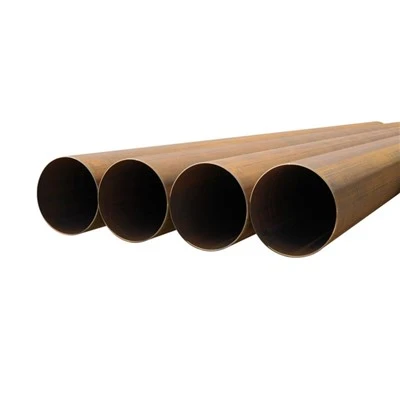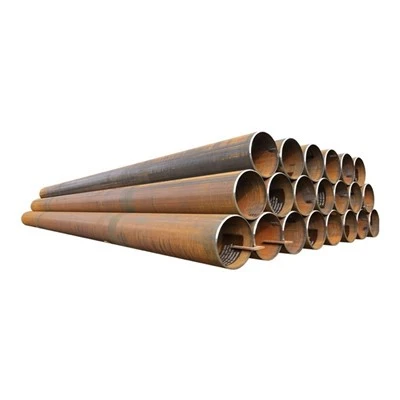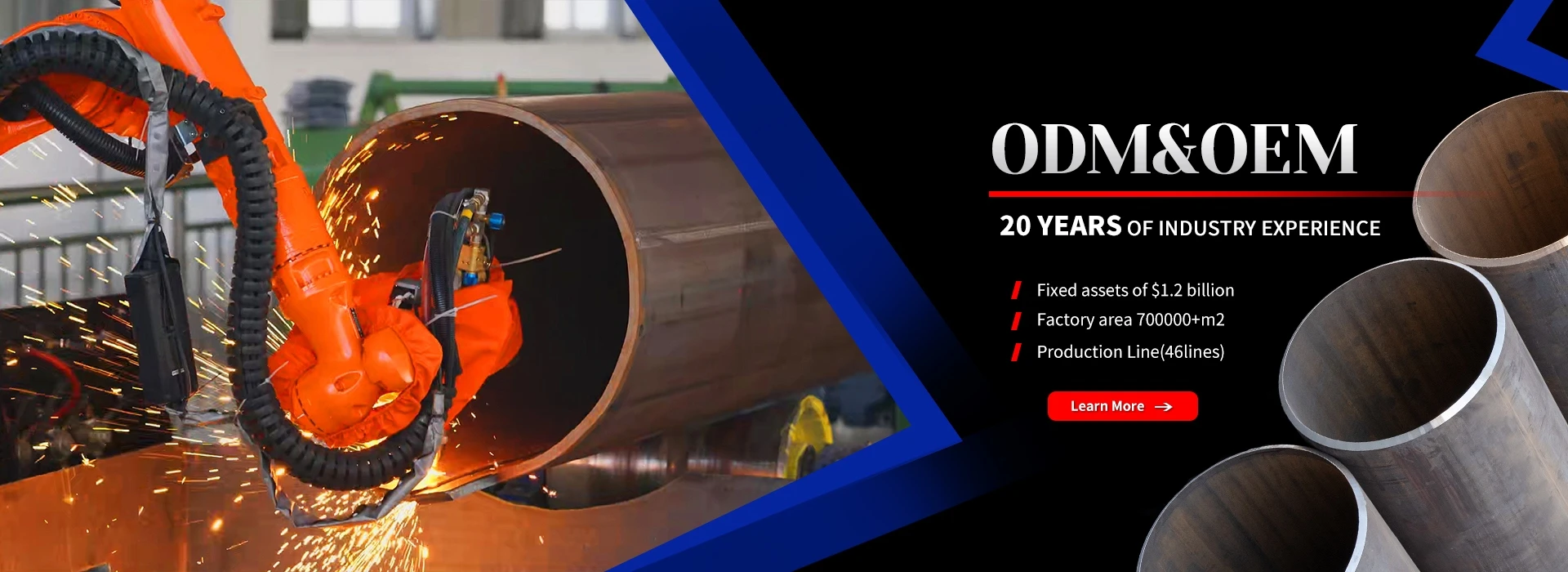

For large oil and gas transmission pipelines, weld inspection is one of the most critical aspects of steel pipe acceptance. Depending on the applicable standard and project specification, high-pressure pipeline orders may require 100% non-destructive testing of specified weld seams, meaning every pipe must undergo the required inspection rather than relying on sampling alone. Inspection reports and relevant testing records must also be properly maintained to support product traceability and project acceptance. In high-pressure oil and gas service, weld defects can compromise pipeline integrity and create serious operational risks. At Huayang Steel Pipe, we understand that qualified steel pipes require more than suitable dimensions and material grades. They also need appropriate inspection, reliable documentation, and verifiable quality control.
Why Is Weld Inspection Critical for Oil and Gas Steel Pipes?
Oil and gas transmission pipelines operate under demanding conditions. Depending on the application, pipes may be exposed to high internal pressure, temperature variations, corrosive substances, and long-term operating loads. The quality of the steel pipe body and weld seam therefore plays an important role in maintaining pipeline integrity.
How Can Weld Defects Affect Pipeline Safety?
Welded steel pipes contain a longitudinal weld seam that joins the formed steel material. If a weld contains unacceptable imperfections, the pipe may not meet the requirements for its intended service. The significance of a defect depends on its type, size, location, and the acceptance criteria specified for the project.
Potential weld imperfections include cracks, lack of fusion, incomplete penetration, and certain types of inclusions or porosity. Not every indication detected during inspection automatically means a pipe must be rejected. Qualified inspectors evaluate the results against the applicable acceptance criteria to determine whether the product complies with the relevant requirements.
For oil and gas pipelines, this process is essential because an unacceptable defect can affect structural integrity and increase the risk of failure during operation.


Why Is 100% Non-Destructive Testing Important?
Non-destructive testing, or NDT, allows inspectors to evaluate specified characteristics of a steel pipe without destroying the product. When a project requires 100% weld inspection, the specified examination must cover every applicable weld seam rather than a selected sample of pipes.
The exact testing method and inspection coverage depend on the governing standard, pipe manufacturing process, order specification, and project requirements. For large-diameter longitudinal submerged arc welded steel pipes, weld inspection is an important part of verifying manufacturing quality before delivery.
Inspection Coverage and Acceptance Criteria
Buyers should distinguish between the requirement for complete inspection coverage and the acceptance criteria applied to the results. Testing every specified weld does not mean every indication is automatically unacceptable, nor does it replace other required quality checks. The inspection method, evaluation procedure, and acceptance limits must all comply with the applicable specification.
Which Non-Destructive Testing Methods Are Used for Steel Pipe Welds?
Different NDT methods detect different types of imperfections. The appropriate method depends on the product, weld configuration, applicable standard, and project inspection plan. For this reason, buyers should confirm both the inspection coverage and the required testing techniques before production begins.
Ultrasonic Testing and Radiographic Testing
Ultrasonic testing, commonly abbreviated as UT, uses high-frequency sound waves to detect and evaluate internal imperfections. It is widely used for examining welded steel pipe seams and can provide information about the location and characteristics of detected indications.
Radiographic testing, or RT, uses X-rays or gamma rays to produce images that can reveal certain internal discontinuities. Its suitability depends on factors such as pipe dimensions, wall thickness, weld geometry, access, and the governing inspection procedure.
Other inspection methods may also be required for particular applications. Visual examination can identify surface conditions and visible weld irregularities, while dimensional inspection verifies specified measurements. Hydrostatic testing may be required to assess pressure integrity under defined test conditions. These methods serve different purposes and should not be treated as interchangeable.
How Do Inspection Records Support Quality Verification?
Testing is only one part of the quality assurance process. Inspection results must be recorded and managed so that the manufacturer, customer, and authorized inspectors can verify compliance.
For projects with strict traceability requirements, records should be linked to the relevant pipe identification and order information. This enables quality personnel to retrieve the correct reports and confirm which inspection procedures and results apply to a particular product.
Traceability from Production to Shipment
A well-organized quality record system connects the physical steel pipe with its material information, production history, inspection results, and shipment documentation, as required by the order. Maintaining these records helps simplify document review, resolve inspection questions, and prepare for site acceptance.
What Quality Checks Make Steel Pipes Suitable for Oil and Gas Service?
Weld inspection is critical, but it is not the only factor that determines whether a steel pipe is qualified for an oil and gas project. Buyers should evaluate material conformity, dimensions, mechanical properties, testing requirements, and documentation as part of an integrated quality assurance process.
| Quality control item | What it verifies | Importance for oil and gas projects |
|---|---|---|
| Material certification | Steel grade, chemical composition, and mechanical properties as applicable | Helps confirm conformity with the specified material requirements |
| Weld NDT | Weld integrity under the specified examination procedure | Identifies relevant weld imperfections against defined acceptance criteria |
| Dimensional inspection | Outside diameter, wall thickness, length, and other specified dimensions | Supports installation compatibility and dimensional compliance |
| Hydrostatic testing | Performance under the specified pressure test, where required | Provides evidence of compliance with applicable pressure-testing requirements |
| Visual and surface inspection | Visible surface conditions and specified external characteristics | Helps identify surface issues that require evaluation |
| Traceability records | Links between pipe identification and relevant material and inspection documentation | Supports third-party verification and site acceptance |
| Final documentation review | Completeness and consistency of required certificates and reports | Helps ensure the shipment is prepared for the project's acceptance process |
Why Must Inspection Follow the Applicable Standard?
Steel pipes for oil and gas applications may be manufactured to standards such as API 5L, alongside additional project-specific requirements. The applicable edition, product specification level, steel grade, dimensions, delivery condition, and purchase order determine the requirements that must be satisfied.
A general statement that a pipe has passed inspection is not a substitute for confirming the actual inspection scope and acceptance criteria. Buyers should establish whether the order requires full-length weld examination, additional testing, third-party witnessing, specific reporting formats, or other verification procedures.
What Should Buyers Confirm Before Placing an Order?
Before purchasing steel pipes for oil and gas transmission, buyers should provide the manufacturer with the governing standard, grade, dimensions, service conditions, inspection requirements, and documentation list. Any special requirements for testing coverage, traceability, or third-party inspection should be agreed upon before production starts.
This early clarification helps align manufacturing, inspection, and document preparation with the project's acceptance requirements. It also reduces the likelihood of discovering missing records or additional inspection needs near the shipment date.
How Does Huayang Steel Pipe Support High-Standard Pipeline Projects?
Huayang Steel Pipe manufactures HFW steel pipes with outside diameters from 48 to 660.4 mm and LSAW steel pipes from 406.4 to 2,800 mm. Our product range supports a variety of structural, industrial, and pipeline applications, subject to the requirements of each order.
For projects with demanding quality requirements, inspection arrangements need to be matched to the applicable product standard and purchase specification. Depending on the order, quality documentation may include material test certificates, non-destructive testing reports, dimensional inspection records, hydrostatic test records, and other required acceptance documents.
As a direct manufacturer, Huayang coordinates production, quality inspection, product identification, and shipment documentation to support customer verification. Where individual pipe traceability is required, the relevant identification and records should be organized to allow the specified products to be checked against their supporting documentation.
Sourcing steel pipes for a high-pressure oil and gas transmission project? Contact Huayang Steel Pipe with your required pipe dimensions, steel grade, applicable standard, NDT coverage, third-party inspection requirements, and documentation specification. Our team can discuss the technical and quality requirements needed to prepare your order for project acceptance.
How Can Buyers Verify That Steel Pipes Are Ready for Project Acceptance?
Qualified steel pipes are the result of coordinated manufacturing, inspection, material verification, and documentation. For oil and gas transmission projects, buyers need to confirm not only that the required tests have been performed, but also that the inspection scope and results comply with the applicable project specification.
Complete and traceable quality records help engineers and inspectors verify material conformity and locate the evidence needed for acceptance. Combined with suitable manufacturing processes and clearly defined inspection criteria, this documentation supports more effective quality management throughout procurement and delivery.
At Huayang Steel Pipe, we recognize that reliable pipeline supply depends on both product quality and the ability to demonstrate compliance. By aligning inspection requirements, maintaining relevant records, and preparing the required documentation, we aim to help customers manage quality verification and support the safe, dependable construction of oil and gas infrastructure.
Read More: