Importance of Installation and Maintenance
The performance of offshore pipelines depends not only on material selection and design but also on proper installation and maintenance practices. Carbon steel pipes are widely used in offshore oil and gas transportation because they adapt well to established installation techniques and maintenance strategies, ensuring long-term operational reliability.
Offshore Pipeline Installation Methods
Carbon steel pipelines are compatible with common offshore installation methods such as S-lay, J-lay, and reel-lay. Their structural strength allows them to withstand bending and tensile stresses during installation without permanent deformation.
The dimensional stability of carbon steel pipes ensures accurate alignment during laying operations, which is essential for maintaining weld quality and overall pipeline integrity.


Handling and Transportation Offshore
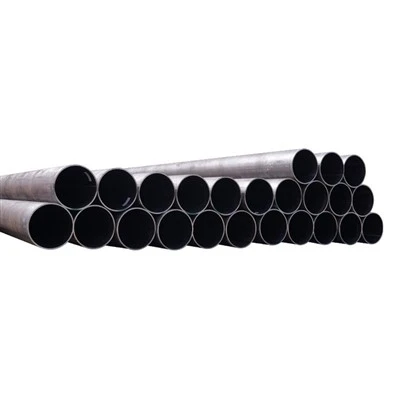
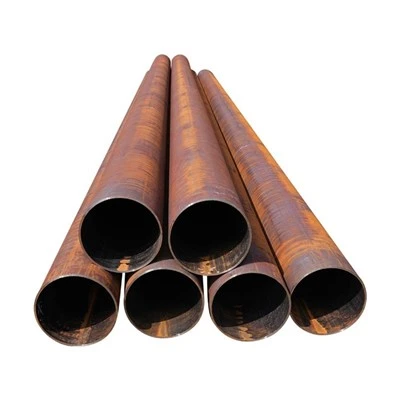
During offshore construction, pipes are subjected to repeated lifting, stacking, and transportation. Carbon steel pipes offer sufficient toughness to resist mechanical damage during handling while maintaining dimensional accuracy.
Their resistance to minor impacts and surface stresses helps reduce the risk of defects that could compromise pipeline performance after installation.
Corrosion Protection During Installation
Offshore carbon steel pipelines are typically coated before installation to protect against seawater corrosion. Coating systems are designed to withstand mechanical stresses during laying and provide long-term corrosion resistance once the pipeline is in service.
Careful handling during installation minimizes coating damage, preserving the effectiveness of corrosion protection systems.
Maintenance and Inspection Strategies
Once in operation, offshore carbon steel pipelines require regular inspection to ensure continued integrity. Non-destructive testing methods allow operators to detect corrosion, fatigue, or mechanical damage without interrupting service.
The predictable degradation behavior of carbon steel simplifies maintenance planning and enables proactive intervention before serious issues arise.
Repair and Rehabilitation Capabilities
Carbon steel pipelines are well suited for offshore repair and rehabilitation. Welding-based repair techniques can be applied efficiently, restoring structural integrity without full pipeline replacement.
This repairability significantly extends the service life of offshore pipelines and reduces long-term operating costs.
Lifecycle Performance Monitoring
Monitoring systems track pressure, temperature, and flow conditions in offshore carbon steel pipelines. These data help operators assess performance trends and identify potential risks early.
The consistent material properties of carbon steel improve the accuracy of predictive maintenance models, enhancing operational safety.
Maintenance Cost Comparison
| Maintenance Aspect | Carbon Steel Pipelines | Other Materials |
|---|---|---|
| Inspection frequency | Standardized | Material-specific |
| Repair feasibility | High | Limited in some cases |
| Maintenance cost | Moderate | Often higher |
| Service life extension | Effective | Variable |
| Operational downtime | Low | Moderate to high |
Environmental and Operational Benefits
Effective installation and maintenance of carbon steel pipelines minimize the risk of leaks and environmental incidents. Their durability and repairability support safe offshore operations and long-term environmental protection.
Carbon steel's compatibility with established offshore practices also reduces uncertainty during maintenance planning.
Conclusion
Installation and maintenance are critical factors in offshore pipeline success, and carbon steel pipes excel in both areas. Their mechanical robustness, ease of repair, and predictable performance support safe, efficient, and long-lasting offshore oil and gas transportation systems. With proper maintenance strategies, carbon steel pipelines continue to deliver reliable service throughout their operational life.