


For overseas oil and gas, offshore, infrastructure, and construction projects, selecting a qualified steel pipe supplier involves more than comparing product dimensions and prices. Every market and project may have its own technical standards, inspection requirements, acceptance criteria, and supplier qualification procedures. A steel pipe that meets the requirements of one standard may not automatically satisfy another project's specifications.
For international buyers, understanding these differences is essential to avoiding documentation gaps, inspection delays, and potential problems during project acceptance. Suppliers must be able to interpret the applicable standards, match production and testing procedures to contract requirements, and provide complete quality documentation.
Hebei Huayang Steel Pipe has established a range of international certifications, management system qualifications, and major oil and gas operator approvals. By combining standards-based production control with project-specific inspection and documentation, Huayang supports steel pipe supply for engineering projects across different markets.
Why Do Overseas Steel Pipe Projects Require Different Certifications and Standards?
Different countries, industries, and project owners may adopt different technical standards for steel pipe manufacturing and inspection. API standards are widely used in the oil and gas industry, CE marking relates to applicable European regulatory requirements, while GOST standards are used in relevant markets that follow the corresponding technical framework.
These systems do not simply use different document formats. They may define different requirements for material grades, manufacturing processes, dimensional tolerances, mechanical testing, nondestructive examination, and product acceptance.
How Do API, CE, and GOST Requirements Differ?
API specifications cover particular products and activities within the petroleum and natural gas industry. For example, API 5L addresses line pipe, while other API specifications apply to different product categories or quality management requirements.
CE marking is associated with applicable European legislation and harmonized technical specifications. For structural steel products, relevant requirements may involve standards such as EN 1090, depending on the product and intended application. GOST standards, meanwhile, cover a range of steel pipe products and technical requirements used in relevant markets.
The applicable standard must be identified according to the project's location, product type, design requirements, and contractual documentation. Holding one certification does not automatically demonstrate compliance with every other standard.
Why Should Suppliers Avoid Using One Inspection Template for Every Project?
Different standards may specify different test frequencies, sampling rules, test methods, acceptance limits, and documentation requirements. Even when two projects require the same type of test, their acceptance criteria may not be identical.
For example, a tensile test may be required under different standards, but the sampling location, specimen preparation, test temperature, and acceptance values may vary. The same principle applies to ultrasonic testing and hydrostatic testing.
A supplier should therefore review the project specification before production and establish an inspection and test plan that reflects the actual contractual requirements.
Which Steel Pipe Tests Should Be Matched to Project Requirements?
Inspection is a key part of verifying whether steel pipes meet the agreed technical specification. However, not every project requires an identical testing package. The inspection scope should be determined by the product standard, purchase order, technical agreement, and any additional requirements from the project owner or third-party inspector.
What Are the Main Inspection Methods for Steel Pipes?
Tensile testing evaluates mechanical properties such as yield strength, tensile strength, and elongation. These results help verify whether the material meets the requirements of the specified grade.
Metallographic examination can be used to evaluate aspects of the steel's microstructure and, where relevant, the characteristics of welded areas. Ultrasonic testing uses high-frequency sound waves to examine specified regions for internal discontinuities. Hydrostatic testing evaluates the pipe's ability to withstand a specified internal water pressure under controlled test conditions.
Each method serves a different purpose. The inspection plan should clarify which tests are required, their applicable procedures, sampling frequency, and acceptance criteria.
How Are Inspection Requirements Determined?
Before production, technical personnel should review the applicable product standard, project drawings, material grade, pipe dimensions, service conditions, and contractual inspection clauses. Based on this review, the supplier can prepare the required inspection and testing arrangements.
The following table summarizes common testing methods and their roles in steel pipe quality verification.
| Testing method | Main purpose | Typical application |
|---|---|---|
| Tensile testing | Evaluates yield strength, tensile strength, and elongation | Material mechanical property verification |
| Metallographic examination | Examines microstructure and specified metallurgical characteristics | Material and weld-related evaluation |
| Ultrasonic testing | Detects relevant internal discontinuities in specified areas | Weld and base material examination, as required |
| Hydrostatic testing | Checks the pipe under specified internal water pressure | Pressure-containing pipe verification |
| Dimensional inspection | Measures outside diameter, wall thickness, length, and other dimensions | Product dimensional conformity |
| Visual inspection | Identifies visible surface defects and manufacturing irregularities | General product quality inspection |
The actual inspection scope depends on the applicable standard and project requirements. Additional testing may be arranged when specified by the buyer, project owner, or authorized inspection body.
How Do Certifications and Supplier Approvals Support International Project Entry?
Certifications and supplier approvals can play an important role in overseas procurement. They help buyers assess whether a manufacturer has the required qualifications, production capabilities, and quality management arrangements for a particular project or operator.
What Is the Difference Between Product Certification and Supplier Approval?
Product certification or conformity assessment relates to whether a product meets the requirements of a defined technical specification or regulatory framework. Management system certification evaluates whether an organization operates a quality or other management system within the certified scope.
Supplier approval or operator registration is different. Major oil and gas companies may assess manufacturers through qualification procedures that consider production capabilities, technical documentation, quality systems, previous experience, and other requirements.
For this reason, buyers should check the exact scope and validity of each qualification rather than relying on a list of certification names alone.
Which Qualifications Does Huayang Steel Pipe Hold?
Huayang Steel Pipe has obtained multiple international certifications and qualifications relevant to its manufacturing and project supply activities. These include API-related qualifications, GOST and CE-related credentials, and approvals or registrations associated with major industry organizations and operators, including ADNOC and KOC.
The company's broader qualification portfolio also includes BV and ABS-related credentials, CNAS laboratory accreditation, and AEO-related customs qualification. In addition, Huayang maintains applicable ISO management system certifications.
Each credential serves a different purpose, and its scope should be checked against the product, service, facility, and project involved.
How Does Huayang Build a Complete Quality Documentation System?
For overseas engineering projects, passing product inspection is only part of the delivery process. Buyers and project inspectors also need supporting documents to verify material identity, production history, test results, and compliance with the agreed specification.
What Documents Should Be Prepared for Project Acceptance?
Depending on the contract and applicable standard, the documentation package may include material test certificates, inspection and test reports, dimensional inspection records, nondestructive testing reports, hydrostatic test records, product identification details, and coating inspection reports where applicable.
These documents should correspond to the actual delivered products. Heat numbers, pipe markings, inspection records, and material certificates need to be consistent so that project teams can trace the supplied materials throughout receiving inspection and subsequent construction.
Why Is Traceability Important?
Traceability connects the physical steel pipe to its manufacturing and inspection history. If a project inspector needs to verify a particular pipe or production batch, consistent identification allows the relevant records to be retrieved and checked.
A complete documentation system also helps resolve quality questions more efficiently and supports project audits, material approval, and final acceptance. Document preparation should therefore begin during production rather than being treated as a task completed only before shipment.
Which Engineering Applications Can Huayang Steel Pipe Support?
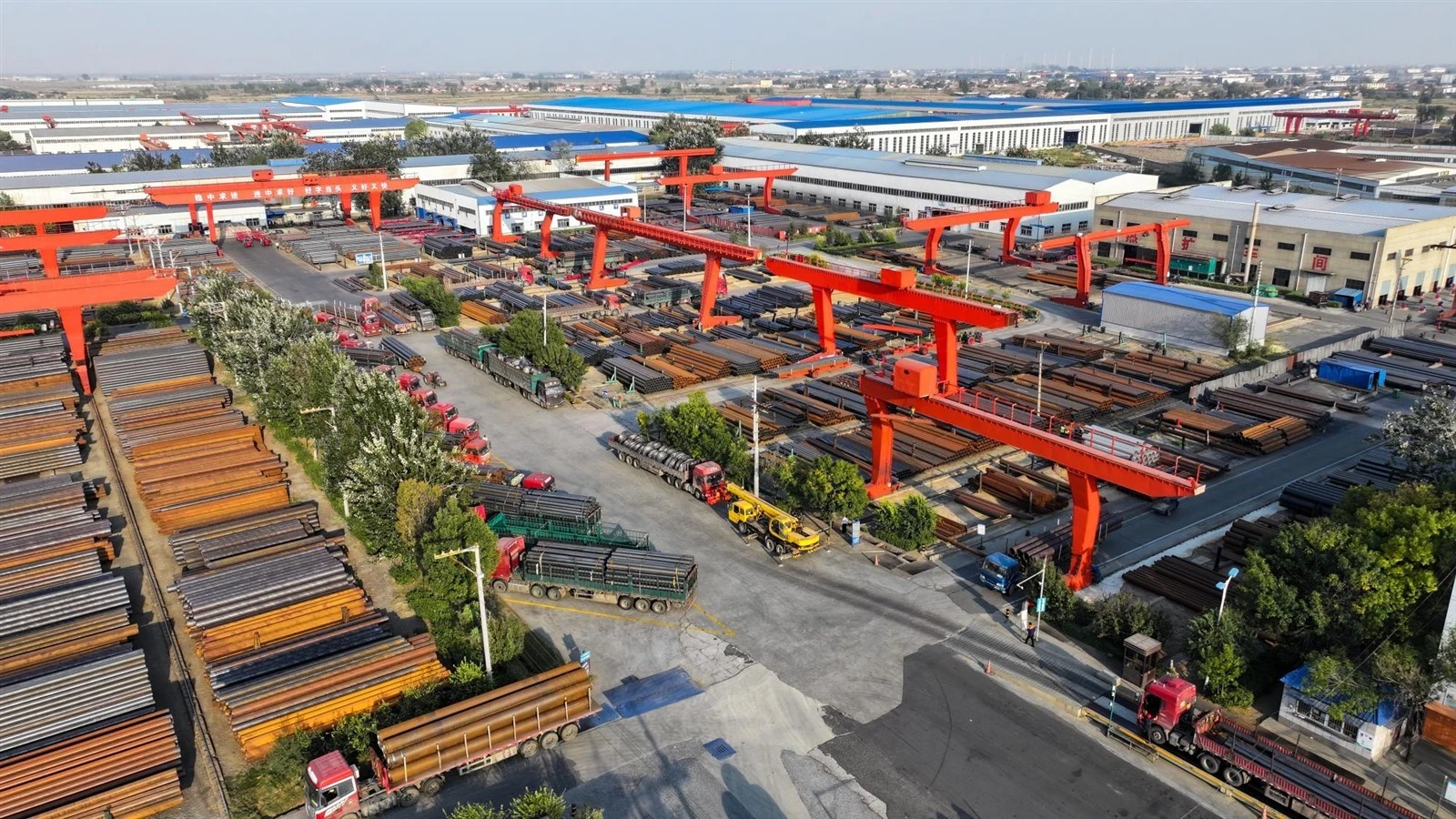
Huayang Steel Pipe supplies products for a range of industrial and infrastructure applications, including oil and gas transmission, offshore engineering, bridge construction, piling, municipal infrastructure, and steel structures.
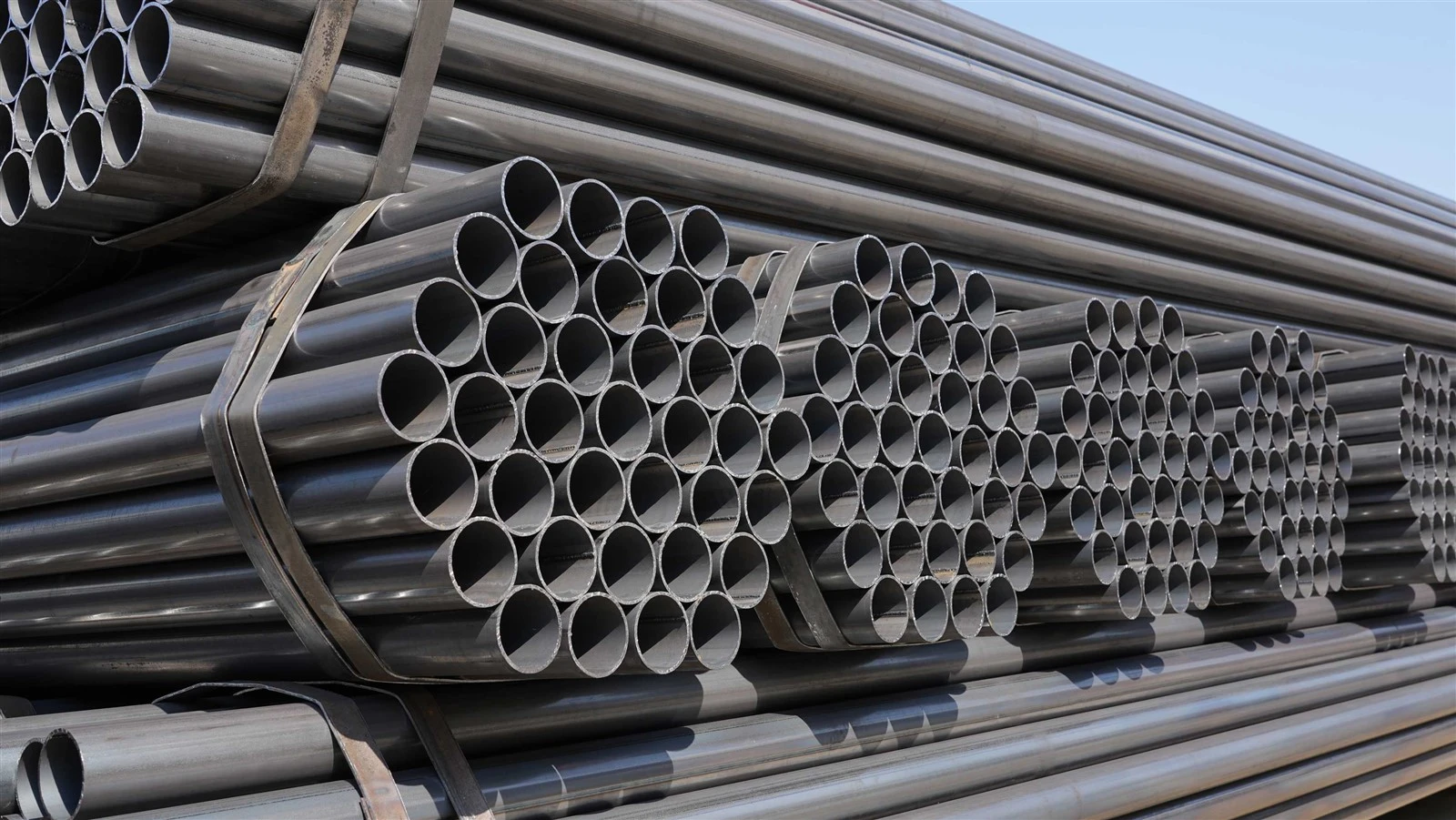
Its product portfolio includes HFW and LSAW steel pipes, hot-expanded pipes, anti-corrosion steel pipes, and deep-processing products. Different manufacturing routes and inspection arrangements can be matched to the required product standard, material grade, dimensions, and project conditions.
For oil and gas projects, the focus may be on line pipe specifications, mechanical properties, weld inspection, and corrosion protection. Offshore and piling projects may involve structural pipe requirements, additional inspection, and specific material or coating considerations. Bridge and stadium projects often place particular emphasis on dimensional accuracy, structural properties, and fabrication suitability.
The technical requirements are not interchangeable across these applications. Each order should be evaluated against its own drawings, standards, and contractual specifications.
Why Choose Huayang Steel Pipe for Overseas Engineering Projects?
International project procurement requires a supplier that understands more than manufacturing. It requires coordination between technical standards, production processes, inspection arrangements, certification scope, and delivery documentation.
Huayang Steel Pipe works with customers to review project specifications and identify the applicable production and testing requirements. From material verification and manufacturing control to nondestructive testing, hydrostatic testing, coating inspection, and document preparation, the quality process can be arranged according to the agreed contract and relevant standards.
For overseas buyers, providing the project specification, required standard, steel grade, pipe dimensions, inspection scope, and operator qualification requirements at the inquiry stage helps establish a clear technical basis for quotation and production.
A successful international steel pipe supply project depends on matching the right product with the right standard, inspection procedure, and documentation package. With its range of international qualifications and project-oriented quality management, Hebei Huayang Steel Pipe aims to provide dependable steel pipe support for global oil and gas, offshore, bridge, piling, and municipal engineering projects.
Read More:
How Does Strict Quality Control Ensure Reliable Steel Pipe Supply?
How Does Huayang Steel Pipe Ensure Reliable And On-Time Steel Pipe Delivery?


