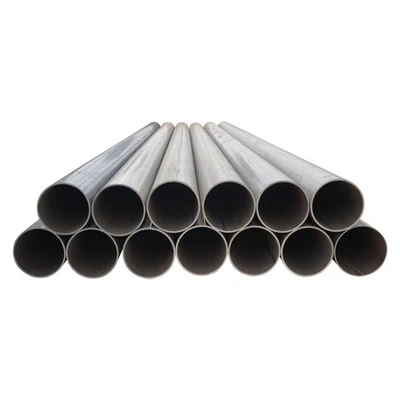
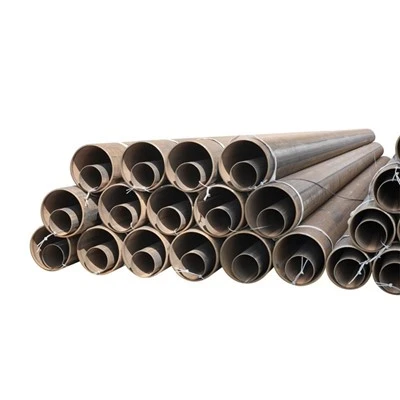
Anti corrosion steel pipes are widely used in oil and gas transmission, water supply projects, chemical industries, power plants, offshore engineering, and other infrastructure applications where pipeline reliability and service life are critical. Although steel pipes provide excellent mechanical strength and pressure resistance, long-term exposure to soil, moisture, chemicals, seawater, and corrosive media can gradually affect pipeline performance. Therefore, advanced anti corrosion technology has become an essential part of modern steel pipe manufacturing.
A reliable anti corrosion steel pipe is not produced by coating alone. It requires a complete manufacturing system that combines high-quality steel pipe production, surface preparation, coating application, inspection, and quality control. Professional manufacturers must consider project conditions, operating environment, transported medium, temperature requirements, and service life expectations before selecting the most suitable protection system.
As an experienced anti corrosion steel pipe manufacturer, Huayang Steel Pipe provides integrated steel pipe production and coating solutions for global pipeline projects. The company supports anti corrosion processing for ERW/HFW, LSAW, SSAW, and SMLS steel pipes, providing external coating systems including 3PE coated steel pipe, 2PE coated steel pipe, FBE coated steel pipe, 3PP coated steel pipe, and 2PP coated steel pipe, as well as internal epoxy coated steel pipe solutions.
Huayang Steel Pipe's anti corrosion production capability covers steel pipes with diameters from Φ159-Φ1626 mm, wall thicknesses from 4-40 mm, and lengths from 8-16 m, meeting the requirements of oil, gas, water transmission, chemical, and industrial pipeline projects.
| Anti Corrosion Solution | Main Coating Structure | Application Area | Main Advantages |
|---|---|---|---|
| FBE Coated Steel Pipe | Fusion Bonded Epoxy Layer | Oil, gas, industrial pipelines | Excellent adhesion and chemical resistance |
| 3PE Coated Steel Pipe | FBE + Adhesive + Polyethylene | Underground transmission pipelines | Strong corrosion resistance and mechanical protection |
| 3PP Coated Steel Pipe | FBE + Adhesive + Polypropylene | High temperature pipelines | Better temperature resistance |
| Internal Epoxy Coated Steel Pipe | Internal Liquid Epoxy or FBE | Water and industrial pipelines | Reduces internal corrosion and improves flow efficiency |
| Customized Coating System | Project-based combination | Special engineering projects | Meets specific operating conditions |
The manufacturing quality of anti corrosion steel pipes directly affects pipeline safety and operating costs. Through advanced coating technology and strict inspection systems, manufacturers can provide long-term protection for critical pipeline infrastructure.
How Does Anti Corrosion Coating Technology Improve Steel Pipe Service Life?
Anti corrosion coating technology improves steel pipe durability by creating a protective barrier between the steel substrate and corrosive environments. Without proper protection, steel pipes installed underground, offshore, or in industrial areas may suffer from corrosion caused by moisture, oxygen, chemicals, and environmental stress.
Why Is Coating Technology Important for Modern Pipeline Systems?
Steel pipes are often designed for decades of service. During operation, pipelines may face different corrosion risks depending on their location and application.
For underground oil and gas pipelines, external corrosion from soil and groundwater is one of the main challenges. For water and industrial pipelines, internal corrosion caused by transported fluids may affect pipeline performance.
A suitable coating system prevents direct contact between steel and corrosive substances, reducing corrosion speed and extending pipeline service life.


How Do Different Coating Systems Provide Protection?
Different coating technologies are developed for different operating conditions.
FBE coated steel pipe uses fusion bonded epoxy powder technology. The coating forms a strong bond with the steel surface and provides excellent resistance against corrosion and chemical attack.
3PE coated steel pipe combines epoxy, adhesive, and polyethylene layers. The multi-layer structure provides both corrosion protection and mechanical resistance, making it suitable for buried long-distance pipelines.
For higher temperature environments, 3PP coating systems provide improved heat resistance compared with traditional polyethylene coatings.
Internal epoxy coated steel pipe protects the inside surface of pipelines by reducing contact between steel and transported media. This technology is widely used in water transmission and industrial applications.
What Are the Main External Anti Corrosion Processes for Steel Pipes?
External anti corrosion treatment is one of the most important processes in steel pipe protection. The external surface of pipelines is directly exposed to environmental conditions after installation, especially in underground and offshore applications.
How Does the Steel Pipe Coating Process Work?
The steel pipe coating process usually includes several important stages, including surface preparation, heating, coating application, curing, and inspection.
Before coating, steel pipe surfaces must be cleaned through abrasive blasting. This removes rust, oxide scale, oil, and other contaminants while creating suitable surface roughness for coating adhesion.
After surface preparation, coating materials are applied according to technical requirements. The temperature, coating thickness, and curing conditions must be carefully controlled during production.
Why Is Surface Preparation Critical Before Coating?
The performance of anti corrosion coating depends greatly on the bonding strength between coating and steel.
If the steel surface contains impurities or insufficient roughness, coating adhesion may decrease and defects may appear during long-term operation.
Therefore, professional manufacturers strictly control surface cleanliness and preparation parameters before applying FBE, PE, or PP coating systems.
How Do Manufacturers Ensure Anti Corrosion Steel Pipe Quality and Reliability?
Quality control is a key factor in producing reliable anti corrosion steel pipes. A professional manufacturer must monitor every stage from raw material inspection to final coating testing.
What Quality Inspection Methods Are Used for Coated Steel Pipes?
After coating application, manufacturers perform multiple inspections to verify product performance.
Coating thickness testing ensures that the protective layer meets required specifications. Holiday testing is used to identify small defects such as pinholes or cracks. Adhesion testing evaluates whether the coating remains firmly attached to the steel surface.
In addition, manufacturers inspect pipe dimensions, appearance quality, and coating uniformity before delivery.
Why Does Quality Control Affect Pipeline Service Life?
Pipeline systems are often installed in locations where maintenance is difficult and expensive.
A small coating defect may develop into corrosion problems after years of operation. Therefore, strict production control and inspection procedures help reduce risks and improve pipeline reliability.
For international projects, manufacturers also provide quality documents, including material certificates, inspection reports, and coating records, ensuring complete product traceability.
How Does Huayang Steel Pipe Customize Anti Corrosion Solutions for Global Projects?
Different pipeline projects have different requirements. A suitable anti corrosion solution must consider pipe specifications, application environment, operating temperature, transported medium, and required service life.
How Does Huayang Steel Pipe Select Suitable Coating Systems?
Huayang Steel Pipe provides customized anti corrosion solutions based on actual project conditions.
For buried oil and gas transmission pipelines, 3PE and 3PP coating systems can provide strong external protection against soil corrosion and mechanical damage.
For industrial and water pipeline projects, internal epoxy coating solutions can improve internal corrosion resistance and maintain pipeline performance.
The company can process various steel pipe products, including ERW/HFW, LSAW, SSAW, and SMLS steel pipes, according to customer requirements.
How Does Integrated Manufacturing Improve Project Reliability?
Huayang Steel Pipe combines steel pipe manufacturing, coating processing, inspection, and delivery management within one production system.
This integrated capability allows better control of product quality, production schedule, and technical requirements.
From raw material selection to final coating inspection, every stage is managed according to project standards and customer specifications.
Project Reference: Libya Waha Oil Company Pipeline Project
A representative example of anti corrosion steel pipe application is the Libya Waha Oil Company Pipeline Project.
For this project, Huayang Steel Pipe supplied 14,147.03 tons of LSAW steel pipe for oil transmission pipeline construction. The supplied pipes were manufactured according to API 5L X52MS PSL2, with a specification of 762×9.53 mm.
The project required steel pipes with high strength, accurate dimensions, and reliable corrosion protection due to the harsh operating environment of oil transportation infrastructure.
Through strict raw material control, advanced LSAW manufacturing technology, professional anti corrosion processing, and comprehensive inspection procedures, the supplied products met the technical requirements of the project.
This project demonstrates the importance of combining high-quality steel pipe manufacturing with advanced coating technology for large-scale energy infrastructure.