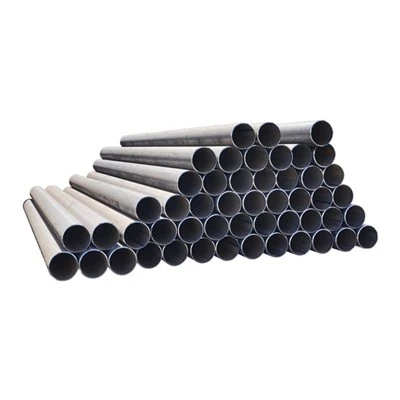
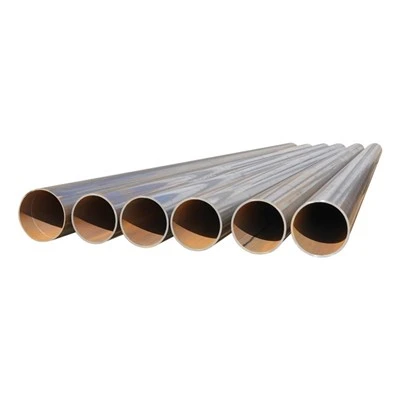
ERW (Electric Resistance Welded) steel pipe is one of the most commonly used welded steel pipe products in modern pipeline engineering and industrial construction. With advantages including high production efficiency, excellent dimensional accuracy, reliable weld quality, and wide application flexibility, ERW steel pipe has become an important choice for natural gas transmission, oil transportation, water supply systems, industrial pipelines, structural engineering, and energy infrastructure projects.
Unlike seamless steel pipe, ERW steel pipe is manufactured from hot rolled steel coils through a continuous forming and high-frequency resistance welding process. This manufacturing method allows manufacturers to produce pipes with stable mechanical properties, consistent dimensions, and competitive production efficiency.
With continuous improvements in welding technology, automatic inspection systems, and quality management processes, modern ERW steel pipe can meet international standards including API 5L, ASTM A53, ASTM A500, and EN10219. These characteristics make ERW steel pipe suitable for both general engineering applications and demanding pipeline projects requiring reliable long-term performance.
| Item | Description |
|---|---|
| Product Name | ERW Steel Pipe |
| Full Name | Electric Resistance Welded Steel Pipe |
| Manufacturing Process | High Frequency Resistance Welding |
| Raw Material | Hot Rolled Steel Coil |
| Common Standards | API 5L, ASTM A53, ASTM A500, EN10219 |
| Common Grades | Gr.B, L245, L290, X42, X52 |
| Diameter Range | Φ48–Φ660.4 mm |
| Wall Thickness | 2.0–22 mm |
| Length Range | 6–27 m |
| Main Applications | Oil & Gas, Water Supply, Industrial Pipelines, Construction |
Understanding the manufacturing process, specifications, application fields, and selection methods of ERW steel pipe helps engineers and project owners choose the most suitable pipeline solution.
ERW Steel Pipe: In-Depth Product Review and Manufacturing Characteristics
ERW steel pipe is produced by converting flat steel coils into circular pipe shapes through a controlled forming process. During manufacturing, the edges of the steel strip are heated by high-frequency electrical current and pressed together to form a longitudinal weld seam.


How Does the ERW Manufacturing Process Work?
The production process of ERW steel pipe mainly includes steel coil preparation, forming, high-frequency welding, sizing, cutting, inspection, and surface treatment.
At the beginning of production, hot rolled steel coils are inspected to ensure that chemical composition and mechanical properties meet project requirements. The steel strip then enters the forming section, where a series of rollers gradually shape the material into a round pipe.
During the welding stage, high-frequency electrical energy generates resistance heat at the strip edges. When the temperature reaches the required welding condition, pressure rollers combine the edges to create a strong longitudinal weld.
After welding, the pipe passes through sizing and straightening equipment to achieve accurate dimensions. Advanced inspection procedures such as ultrasonic testing, hydrostatic testing, eddy current testing, and dimensional inspection are carried out to verify product quality.
Why High Frequency Welding Determines ERW Pipe Quality
The welding quality of ERW steel pipe directly affects pipeline reliability. Modern high-frequency welding technology provides stable welding speed, narrow heat affected zones, and excellent weld consistency.
Professional manufacturers use automatic control systems to monitor welding temperature, pressure, and production parameters in real time. Combined with strict inspection procedures, this ensures that ERW steel pipe can meet demanding requirements in energy and industrial applications.
API 5L ERW Steel Pipe: Understanding PSL1 and PSL2 Requirements
API 5L is one of the most widely used standards for ERW steel pipe in oil and gas pipeline systems. It defines requirements for chemical composition, mechanical properties, manufacturing processes, testing procedures, and product acceptance.
What Are the Differences Between API 5L PSL1 and PSL2?
API 5L PSL1 represents the standard quality level for pipeline steel products. It specifies basic requirements for strength, chemical composition, dimensions, and inspection. PSL1 ERW steel pipe is widely used in conventional pipeline projects where standard performance is sufficient.
API 5L PSL2 introduces stricter requirements regarding chemical composition control, mechanical testing, impact testing, non-destructive examination, and production traceability. Due to these enhanced requirements, PSL2 is commonly selected for critical applications such as high-pressure gas transmission, offshore facilities, and major energy projects.
How Should Engineers Select the Appropriate PSL Level?
The selection between PSL1 and PSL2 depends on project conditions, operating pressure, transportation medium, environmental factors, and safety requirements.
For general industrial pipelines and standard transportation systems, PSL1 may provide sufficient performance. For projects requiring higher reliability and stricter quality control, PSL2 offers additional assurance.
Correct specification selection helps reduce operational risks and improves the long-term reliability of pipeline systems.
What Are the Applications of ERW Steel Pipes in Modern Engineering?
ERW steel pipe is widely used in various industries because of its excellent balance between performance, efficiency, and cost.
How Does ERW Steel Pipe Support Different Industries?
In natural gas transmission projects, ERW steel pipe is commonly used for gas distribution networks and medium-pressure pipeline systems. Its accurate dimensions and reliable weld quality make it suitable for efficient installation and stable operation.
In petroleum applications, ERW steel pipe is used for oil gathering systems, refinery pipelines, and industrial oil transportation. API 5L ERW pipe provides dependable mechanical performance for energy infrastructure.
Water supply engineering is another important application area. Municipal water pipelines, industrial water systems, and drainage projects often use ERW steel pipe with anti-corrosion coatings to improve service life.
In construction and structural engineering, ERW steel pipe manufactured according to ASTM A500 or EN10219 standards is widely used for steel structures, supports, frames, and mechanical components.
Why Is ERW Steel Pipe Suitable for Modern Infrastructure?
The popularity of ERW steel pipe comes from its manufacturing advantages. Continuous production technology provides stable quality, accurate dimensions, and efficient supply capability.
Additionally, ERW steel pipe can be combined with different coating systems, including FBE, 3PE, and internal epoxy coatings, allowing it to operate in various environments.
ERW Steel Pipe: Key Specifications for Purchasing and Project Selection
Selecting the correct ERW steel pipe requires a detailed evaluation of technical requirements rather than only considering diameter and price.
What Factors Should Be Considered Before Purchasing ERW Pipe?
The first factor is manufacturing standard. Different projects may require API 5L, ASTM A53, ASTM A500, or other international specifications.
The second factor is steel grade. Materials such as Grade B, L245, X42, and X52 provide different levels of strength and pressure resistance.
The third factor is pipe dimensions. Diameter and wall thickness influence flow capacity, structural performance, and installation requirements.
The fourth factor is inspection requirements. Large engineering projects usually require ultrasonic testing, hydrostatic testing, dimensional inspection, and material certification.
The fifth factor is corrosion protection. Coating systems such as FBE, 3PE, and epoxy coatings help extend service life in challenging environments.
How Does Supplier Capability Influence ERW Pipe Selection?
Choosing an experienced manufacturer is equally important as selecting technical specifications. A qualified ERW steel pipe supplier should have advanced production lines, professional testing equipment, international certification, and experience with overseas engineering projects.
Reliable suppliers can provide consistent quality control from raw material inspection to final delivery, reducing project risks and improving construction efficiency.
Project Reference: Bangladesh TITAS Natural Gas Transmission Project
A representative example of ERW steel pipe application is the Bangladesh TITAS Natural Gas Transmission Project, where Huayang Steel Pipe supplied approximately 1,700 tons of ERW steel pipe according to API 5L PSL1 Grade B, with specifications ranging from DN200 to DN400.
The project was developed for natural gas transportation infrastructure and required steel pipes with reliable mechanical performance, accurate dimensions, and stable weld quality. ERW steel pipe was selected because its manufacturing advantages matched the project's requirements for efficient installation and long-term operational reliability.
Through advanced high-frequency welding technology, strict production control, and comprehensive inspection procedures, the supplied ERW steel pipes successfully met the technical requirements and delivery schedule.
This project demonstrates the important role of ERW steel pipe in global energy infrastructure and highlights the importance of selecting appropriate specifications for different engineering applications.