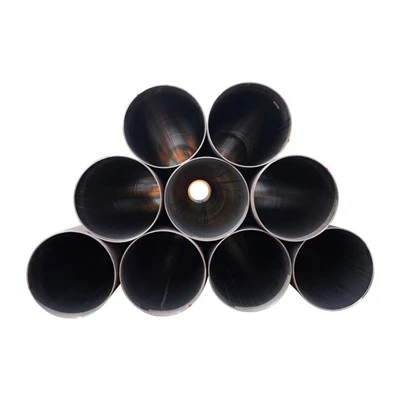
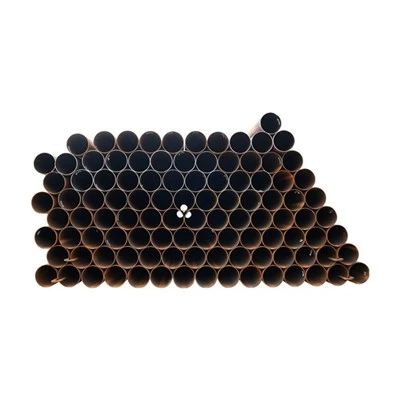
As global infrastructure investment continues to expand, carbon steel pipes remain one of the most widely adopted materials across transportation, energy, water supply, and industrial construction projects. From municipal pipelines to large-scale industrial facilities, carbon steel pipe systems provide a balance of mechanical strength, cost efficiency, and adaptability that few alternative materials can match. This article explores how carbon steel pipes support modern infrastructure development, focusing on their structural performance, reliability under service conditions, and long-term economic value.
The Role of Carbon Steel Pipes in Infrastructure Development
Infrastructure projects typically demand materials that can withstand continuous loads, variable environmental conditions, and long service cycles. Carbon steel pipes have become a foundational component in these projects due to their predictable mechanical behavior and well-established manufacturing standards. Whether used in low-pressure fluid transmission, structural supports, or buried pipeline systems, carbon steel pipes deliver consistent performance across a wide range of applications.
In transportation infrastructure, carbon steel pipes are often used for drainage systems, bridge foundations, and protective casings for cables and utilities. Their high load-bearing capacity allows them to perform reliably under soil pressure and dynamic loads from traffic. In energy infrastructure, carbon steel pipelines form the backbone of oil, gas, and refined product transmission networks, where strength, weldability, and pressure resistance are essential.
Mechanical Performance and Structural Stability
One of the defining characteristics of carbon steel pipes is their mechanical strength. With controlled carbon content and alloy composition, these pipes offer an optimal combination of tensile strength, yield strength, and ductility. This balance allows pipelines and structural components to absorb stress without brittle failure, even under fluctuating operational conditions.
Carbon steel pipes also demonstrate excellent resistance to internal pressure when manufactured according to standards such as ASTM, API, EN, or ISO. Proper wall thickness selection and dimensional control enable engineers to design systems that meet specific pressure ratings and safety factors. In infrastructure environments where long-term stability is critical, this predictable performance is a key advantage.


Durability Under Environmental Conditions
Infrastructure projects often expose pipelines to harsh environments, including moisture, soil chemicals, temperature variation, and mechanical impact. Carbon steel pipes can be effectively protected against corrosion through external coatings such as FBE, 3LPE, 3LPP, or galvanization, depending on the service environment. Internal linings may also be applied for water, wastewater, or chemical transport systems to reduce corrosion and improve flow efficiency.
With appropriate surface protection and installation practices, carbon steel pipes can achieve service lives measured in decades. This durability reduces maintenance frequency and minimizes the risk of unplanned outages, which is particularly important for public infrastructure systems.
Fabrication Flexibility and Installation Advantages
Another reason carbon steel pipes are favored in infrastructure projects is their fabrication flexibility. They can be cut, welded, bent, and assembled on-site or in prefabrication facilities, allowing engineers to adapt designs to complex layouts and site constraints. Welding technologies for carbon steel are mature and widely available, contributing to consistent joint quality and structural integrity.
Transportation and installation efficiency also play a role in material selection. Compared to some alternative materials, carbon steel pipes offer a favorable strength-to-weight ratio, enabling efficient handling and installation without compromising structural performance.
Lifecycle Cost Considerations
While initial material cost is an important factor, infrastructure planners increasingly focus on lifecycle cost analysis. Carbon steel pipes perform well in this regard due to their long service life, low maintenance requirements, and wide availability of compatible fittings and accessories. When corrosion protection and quality control are properly implemented, total ownership cost over the project lifecycle remains competitive.
The established global supply chain for carbon steel pipes further supports cost stability and reduces procurement risk for large-scale infrastructure developments.
Typical Infrastructure Applications of Carbon Steel Pipes
| Application Area | Typical Pipe Function | Key Performance Requirement |
|---|---|---|
| Municipal Water Systems | Water transmission and distribution | Pressure resistance, corrosion protection |
| Transportation Infrastructure | Drainage, culverts, foundations | Load-bearing capacity, durability |
| Energy Infrastructure | Oil and gas pipelines | Strength, weldability, safety compliance |
| Industrial Facilities | Utility and process piping | Reliability, dimensional accuracy |
Supporting Sustainable Infrastructure Development
Sustainability has become an important consideration in modern infrastructure planning. Carbon steel pipes contribute to sustainability through recyclability and efficient use of raw materials. Steel can be recycled multiple times without significant loss of performance, reducing the environmental footprint of infrastructure projects over time.
Additionally, the long service life of carbon steel pipelines reduces the need for frequent replacement, conserving resources and minimizing construction-related environmental impact.
Conclusion
Carbon steel pipes continue to play a critical role in modern infrastructure projects due to their proven performance, adaptability, and long-term economic value. By combining mechanical strength, fabrication flexibility, and effective corrosion protection, carbon steel pipe systems support the reliable operation of essential infrastructure worldwide. As global demand for durable and efficient infrastructure grows, carbon steel pipes remain a trusted and technically sound solution.